4 Sources
[1]
Val Kilmer's daughter responds to criticism of AI performance, says late dad wanted to 'set precedent'
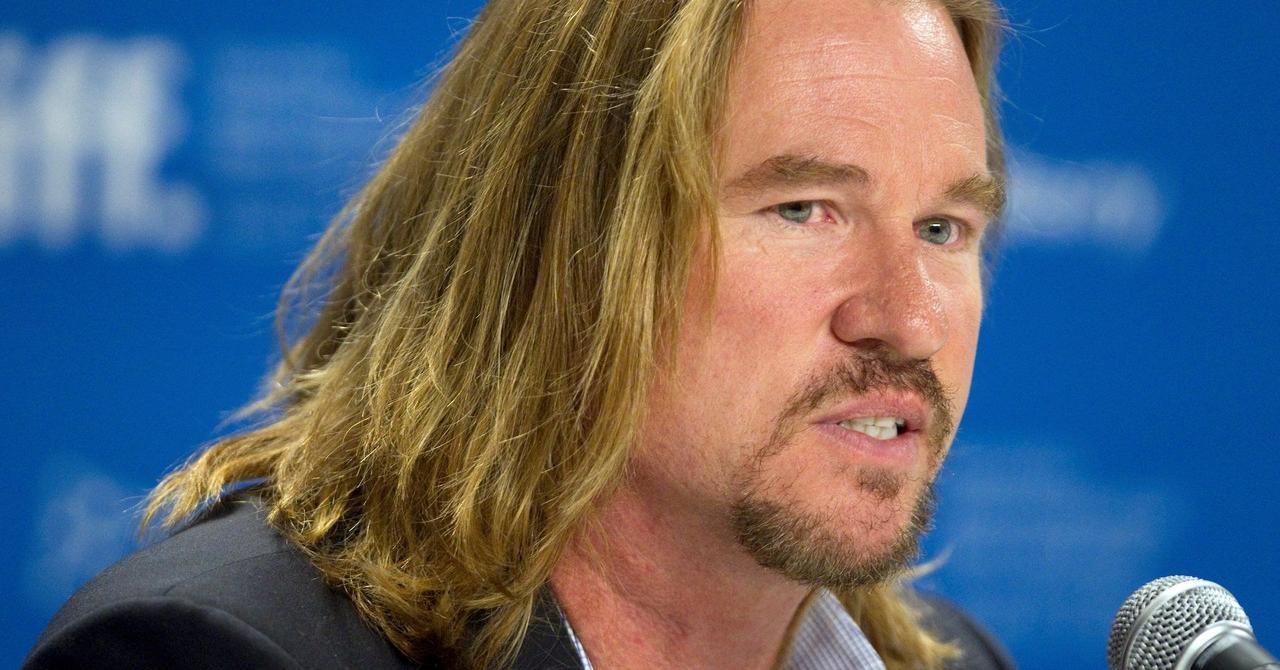
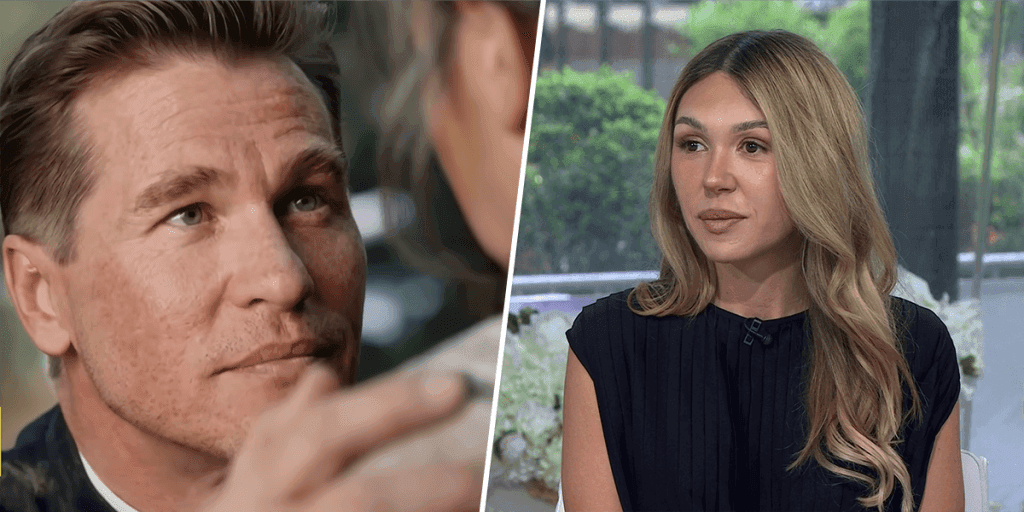
Val Kilmer's daughter explained why her family supports an AI-generated version of the late actor appearing in an upcoming movie, which has sparked a fierce debate in a Hollywood industry on edge about AI taking jobs from actors. Mercedes Kilmer, 34, spoke on TODAY April 29 about an AI-generated version of the late star of "Top Gun," "The Doors" and "Tombstone" appearing as Father Fintan, a priest and Native American spiritualist in the upcoming movie "As Deep as the Grave." She said her father "wanted to do this" out of a desire to create "structures for actors to own their licensing and to have rights." "My dad was very passionate that this is the time, before these laws are written, to make sure that there's a structure for compensation, to make sure that actors get paid on par with what they would get paid if they were physically doing it, and if it creates more jobs in that way, that's wonderful," Kilmer told Craig Melvin and Savannah Guthrie. "I think this is a really historic precedent, and I'm really proud of him," she added. "It started off as something to overcome the limitations of his illness, but then it evolved into something that he really was like, 'Oh wait I have a chance to actually set precedent.'" Val Kilmer spent 10 years being treated for throat cancer, which robbed him of his voice, before his death at 65 from pneumonia in April 2025. Artificial intelligence was used to help re-create Kilmer's voice for a heart-wrenching reunion scene with Tom Cruise's Pete "Maverick" Mitchell in the 2022 sequel "Top Gun: Maverick." The technology created Kilmer's character in "As Deep as the Grave" using recordings of his voice and archival footage and family photos. "This is a character Val wanted to play. He was really clear about that before he passed," John Voorhees, one of the film's producers, told "Entertainment Tonight" on April 16. The filmmakers told "ET" they followed SAG-AFTRA's guidelines for "consent, compensation and collaboration" in the movie, which will come out later this year. Mercedes Kilmer said on TODAY her father was initially offered "As Deep as the Grave" in 2018, but the project was stalled when the COVID pandemic began in 2020. He knew he wouldn't be able to act in the film due to his health issues but wanted to be involved. "The character speaks 1920s Navajo language, which is a language that they were able to sort of recover for the film, which is I think like a really ethical, interesting use of the technology," his daughter said. "If we're going to have this, we can make things that expand the possibilities of what we can do as humans, not replace them, if that makes sense." The inclusion of the AI-generated Kilmer character sparked a fierce debate in a Hollywood climate where actors and others in the industry are fearful the technology will threaten their livelihoods. "I have gotten some negative comments," Kilmer said. "It's kind of fallen into two camps -- people that maybe have a more precarious position in the industry are worried and see AI as a threat, which is absolutely valid. Younger actors and musicians -- I'm a musician and a lot of people I know, we're so scared of this technology. "And then at the same time, I've gotten a lot of really good responses from people maybe more established in the industry that see it as a way to protect the actors' ownership of their IP," she added. "We have to contend with this technology one way or another and avoiding it is not necessarily the way. It's much easier to structure the rights if you proactively license." Kilmer was asked if her family will use her father's AI-generated image, voice and likeness for any future movies. "No, because I wouldn't just put his likeness in something without his permission, necessarily," she said. "There are just certain things that he talked about, ways to use to it, that we may do eventually." She cited the example of using an AI version of the late actor for video games based on some of his famous characters from his career. "Something like that could happen, and so now we know that we're protected," she said. Kilmer's role is not the first digital re-creation or AI-assisted performance in Hollywood. James Earl Jones allowed AI technology to replicate the voice of his iconic "Star Wars" character Darth Vader, the late Carrie Fisher was digitally resurrected in two "Star Wars" movies, and Harrison Ford was de-aged by AI in the most recent "Indiana Jones" movie. Mercedes Kilmer was asked how this could affect the estates of late movie legends like Marilyn Monroe or James Dean as far as authorizing AI-generated versions of those icons for future works. "I don't know if I can speak to that because my dad knew about this project," she said. "This project gave us an opportunity to make sure if someone in the future uses his likeness unauthorized, we can say, 'Oh no, look, this is what you're supposed to do.'"
[2]
Val Kilmer Is Back on the Big Screen Via Generative AI. His Family Is Fine With It
A Visit With Michael Jackson in 1977: 'There's Threats Against My Life' The AI revolution has divided Hollywood into two very distant groups. One side sees artificial intelligence as a way to save significant money on special effects, screenwriting, and even actors. The other side sees it as an existential threat that could eliminate countless jobs, suck the heart and soul out of film production, and generate dull, formulaic content that will continue to drive audiences away from theaters. Mercedes Kilmer, daughter of the late Val Kilmer, is aligning herself with the former camp. She has allowed the upcoming historical action-adventure film As Deep as the Grave to bring her father back to the screen using generative AI. Val Kilmer was cast in the movie near the end of his life, when AI was already being used to revive his speaking voice that he lost due to throat cancer, but he died before production could start. Instead of recasting the part, they used AI to bring him back in a somewhat eerie fashion. "I started off as a way to overcome the limitations of his illness, but then it evolved into something that he really was like, 'Oh, wait. I have a chance to actually set a precedent," Mercedes Kilmer told The Today Show. "It's kind of fallen into two camps. People that maybe have a more precarious position in the industry and are worried and see AI as a threat -- which is absolutely valid -- and younger people, younger actors and musicians. I'm a musician and a lot of people that I know are so scared of this technology." "At the same time, I've gotten a lot of like really good responses from people -- older people, people maybe more established in the industry -- that see it as a way to protect that actors' ownership of their IP," she continued. "We have to contend with this technology one way or the other. And avoiding it, it's not necessarily the way. It's much easier to structure the rights if you proactively license something." As Deep as the Grave is the story of North America's first female archeologist, Ann Morris, and her work to uncover the world of the Ancestral Puebloans in the 1920s. It stars Abigail Lawrie, Tom Felton, Hanako Footman, Ewen Bremner, and Abigail Breslin. "Kilmer was the actor I wanted to play this role," As Deep as the Grave writer/director Coerte Voorhees told Variety in March. "It was very much designed around him. It drew on his Native American heritage and his ties to and love of the Southwest. I was looking at a call sheet the other day, and we had him ready to shoot. He was just going through a really, really tough time medically, and he couldn't do it." "His family kept saying how important they thought the movie was and that Val really wanted to be a part of this," he continued. "He really thought it was important story that he wanted his name on. It was that support that gave me the confidence to say, okay let's do this. Despite the fact some people might call it controversial, this is what Val wanted." Last year, many Hollywood insiders expressed outrage when Dutch comedian Eline Van der Velden unveiled Tilly Norwood, an AI-generated "actress" that was supposedly going to star in major projects. Flesh-and-blood actress Betty Gilpin responded to the news with an open letter to Tilly Norwood in the Hollywood Reporter. "While I myself was certainly never AI hot, I had a few good years of human hot during which construction workers on Canal and moguls at Sugarfish would stammer at my silhouette," she wrote. "It felt like power. But then they'd treat me like property, and that felt like handcuffs. Maybe that's why you were created. Property without zits or opinions. I wonder if an eyelash or toothshine of mine from a screenshot 20 years ago is one speck of your billions of Hot Young Actresses mosaic that is your not-real face...I'm like you in one more way, Ms. Norwood. I'm made up of a million bits of plagiarism of every person I've had the privilege to come across. People I want to keep connecting with -- in meadows, in barns, on screens -- which you can not do with someone who is not real. Go home, Tilly."
[3]
Val Kilmer's Daughter Addresses Controversy Over His Posthumous AI-Generated Performance In New Movie
Val Kilmer's Daughter Addresses Controversy Over His Posthumous AI-Generated Performance In New Movie Val Kilmer's daughter responded to the mixed opinions about the use of AI for her dad's performance in the upcoming indie film "As Deep as the Grave" on Wednesday. Kilmer, who starred in "Top Gun," "Tombstone," "Heat" and several other top 1990s films, died in April 2025 at 65. He was diagnosed with throat cancer in 2014. Mercedes Kilmer defends her father's decision to allow his likeness and voice to lead the film through the use of generative AI. "It started off as a way to overcome the limitations of his illness, but then it evolved into something that he really was like, 'Oh, wait. I have a chance to actually set a precedent,' " she said on a recent episode of "Today." "Now other actors will say, 'No, well, Val Kilmer, they structured his contract in that way.'" Before his death, Kilmer worked with a software firm that clones voices to create technology to help him speak again through an AI version of his voice. "We have to contend with this technology one way or the other," she said. "And avoiding it, it's not necessarily the way. It's much easier to structure the rights if you proactively license something."
[4]
EXCLUSIVE: Val Kilmer's Daughter Responds to Criticism of His AI-Generated Performance
Val Kilmer's daughter explained why her family supports an AI-generated version of the late actor appearing in an upcoming movie, which has sparked a fierce debate in a Hollywood industry on edge about AI taking jobs from actors. Mercedes Kilmer, 34, spoke on TODAY April 29 about an AI-generated version of the late star of "Top Gun," "The Doors" and "Tombstone" appearing as Father Fintan, a priest and Native American spiritualist in the upcoming movie "As Deep as the Grave." She said her father "wanted to do this" out of a desire to create "structures for actors to own their licensing and to have rights." "My dad was very passionate that this is the time, before these laws are written, to make sure that there's a structure for compensation, to make sure that actors get paid on par with what they would get paid if they were physically doing it, and if it creates more jobs in that way, that's wonderful," Kilmer told Craig Melvin and Savannah Guthrie. "I think this is a really historic precedent, and I'm really proud of him," she added. "It started off as something to overcome the limitations of his illness, but then it evolved into something that he really was like, 'Oh wait I have a chance to actually set precedent.'" Val Kilmer spent 10 years being treated for throat cancer, which robbed him of his voice, before his death at 65 from pneumonia in April 2025. Artificial intelligence was used to help re-create Kilmer's voice for a heart-wrenching reunion scene with Tom Cruise's Pete "Maverick" Mitchell in the 2022 sequel "Top Gun: Maverick." The technology created Kilmer's character in "As Deep as the Grave" using recordings of his voice and archival footage and family photos. "This is a character Val wanted to play. He was really clear about that before he passed," John Voorhees, one of the film's producers, told "Entertainment Tonight" on April 16. The filmmakers told "ET" they followed SAG-AFTRA's guidelines for "consent, compensation and collaboration" in the movie, which will come out later this year. Mercedes Kilmer said on TODAY her father was initially offered "As Deep as the Grave" in 2018, but the project was stalled when the COVID pandemic began in 2020. He knew he wouldn't be able to act in the film due to his health issues but wanted to be involved. "The character speaks 1920s Navajo language, which is a language that they were able to sort of recover for the film, which is I think like a really ethical, interesting use of the technology," his daughter said. "If we're going to have this, we can make things that expand the possibilities of what we can do as humans, not replace them, if that makes sense." The inclusion of the AI-generated Kilmer character sparked a fierce debate in a Hollywood climate where actors and others in the industry are fearful the technology will threaten their livelihoods. "I have gotten some negative comments," Kilmer said. "It's kind of fallen into two camps -- people that maybe have a more precarious position in the industry are worried and see AI as a threat, which is absolutely valid. Younger actors and musicians -- I'm a musician and a lot of people I know, we're so scared of this technology. "And then at the same time, I've gotten a lot of really good responses from people maybe more established in the industry that see it as a way to protect the actors' ownership of their IP," she added. "We have to contend with this technology one way or another and avoiding it is not necessarily the way. It's much easier to structure the rights if you proactively license." Kilmer was asked if her family will use her father's AI-generated image, voice and likeness for any future movies. "No, because I wouldn't just put his likeness in something without his permission, necessarily," she said. "There are just certain things that he talked about, ways to use to it, that we may do eventually." She cited the example of using an AI version of the late actor for video games based on some of his famous characters from his career. "Something like that could happen, and so now we know that we're protected," she said. Kilmer's role is not the first digital re-creation or AI-assisted performance in Hollywood. James Earl Jones allowed AI technology to replicate the voice of his iconic "Star Wars" character Darth Vader, the late Carrie Fisher was digitally resurrected in two "Star Wars" movies, and Harrison Ford was de-aged by AI in the most recent "Indiana Jones" movie. Mercedes Kilmer was asked how this could affect the estates of late movie legends like Marilyn Monroe or James Dean as far as authorizing AI-generated versions of those icons for future works. "I don't know if I can speak to that because my dad knew about this project," she said. "This project gave us an opportunity to make sure if someone in the future uses his likeness unauthorized, we can say, 'Oh no, look, this is what you're supposed to do.'"
Share
Copy Link
Mercedes Kilmer explained why her family supports an AI-generated version of Val Kilmer appearing in the upcoming film As Deep as the Grave. The late actor, who died at 65 in April 2025 after battling throat cancer, wanted to establish structures for actors to own their licensing and ensure fair compensation before AI laws are written. The decision has sparked intense debate in Hollywood about AI technology threatening actors' livelihoods.
Mercedes Kilmer, daughter of the late Val Kilmer, has stepped into the center of the Hollywood AI debate by defending her father's posthumous AI-generated performance in the upcoming film As Deep as the Grave
1
. Speaking on TODAY on April 29, the 34-year-old explained that her father "wanted to do this" to create "structures for actors to own their licensing and to have rights." Val Kilmer died at 65 from pneumonia in April 2025 after spending a decade battling throat cancer that robbed him of his voice4
. The star of Top Gun, "The Doors," and "Tombstone" appears in the film as Father Fintan, a priest and Native American spiritualist, created entirely through generative AI using recordings of his voice, archival footage, and family photos.

Source: NBC
Mercedes Kilmer emphasized that her father was "very passionate that this is the time, before these laws are written, to make sure that there's a structure for compensation, to make sure that actors get paid on par with what they would get paid if they were physically doing it." She described the project as "a really historic precedent" that began as a way to overcome the limitations of his illness but evolved into something more significant
1
. Val Kilmer was initially offered the role in 2018, but the project stalled when the COVID pandemic began in 2020. He knew his health issues would prevent him from physically acting but wanted to remain involved4
. The filmmakers followed SAG-AFTRA's guidelines for "consent, compensation and collaboration," according to producer John Voorhees, who told Entertainment Tonight that "this is a character Val wanted to play. He was really clear about that before he passed."The decision to recreate voice and likeness using AI has intensified the Hollywood AI debate, dividing the industry into distinct camps. Mercedes Kilmer acknowledged receiving "some negative comments," noting the response "has kind of fallen into two camps -- people that maybe have a more precarious position in the industry are worried and see AI as a threat, which is absolutely valid. Younger actors and musicians -- I'm a musician and a lot of people I know, we're so scared of this technology"
1
. However, she also received positive responses from more established industry figures who view it as a way to protect intellectual property and ownership. "We have to contend with this technology one way or another and avoiding it is not necessarily the way. It's much easier to structure the rights if you proactively license," she explained3
.
Source: TODAY.com
Related Stories

Mercedes Kilmer highlighted what she views as ethical considerations in the film's use of AI technology. The character speaks 1920s Navajo language, "which is a language that they were able to sort of recover for the film, which is I think like a really ethical, interesting use of the technology," she said. "If we're going to have this, we can make things that expand the possibilities of what we can do as humans, not replace them"
4
. When asked about future use of her father's likeness, she clarified that the family wouldn't "just put his likeness in something without his permission, necessarily," though she mentioned potential creative possibilities like video games based on his famous characters. This approach addresses concerns about deceased actors and how their estates might handle AI licensing and rights.The case raises questions about fair compensation and job displacement as Hollywood grapples with AI technology's expanding role. Writer and director Coerte Voorhees told Variety in March that "Kilmer was the actor I wanted to play this role. It was very much designed around him. It drew on his Native American heritage and his ties to and love of the Southwest"
2
. The film, which stars Abigail Lawrie, Tom Felton, and Abigail Breslin, tells the story of North America's first female archeologist Ann Morris and her work in the 1920s. Val Kilmer's AI performance isn't the first digital recreation in Hollywood -- James Earl Jones allowed AI technology to replicate Darth Vader's voice, Carrie Fisher was digitally resurrected in two Star Wars movies, and Harrison Ford was de-aged in the recent Indiana Jones film1
. Mercedes Kilmer noted that this project gives the family a framework to protect intellectual property if someone uses his likeness unauthorized in the future, saying "this is what you're supposed to do." As Deep as the Grave is set to release later this year, potentially establishing a legal precedent that could shape how the industry handles AI performances of deceased actors.Summarized by
Navi
[3]
18 Mar 2026•Entertainment and Society

15 Apr 2026•Entertainment and Society

08 Oct 2025•Entertainment and Society

1
Policy and Regulation

2
Science and Research

3
Entertainment and Society