Voters curbed data centers. OpenAI's answer was a framework and a new name for them


3 Sources
[1]
OpenAI's Altman acknowledges public anger over data centers
Menlo Park (United States) (AFP) - Silicon Valley's pitch to the world about artificial intelligence has missed the mark, OpenAI CEO Sam Altman said on Monday, nearly two weeks after the US midterms dealt a blow to the industry's data center ambitions. "I think data centers will get built, but
[2]
OpenAI Is Changing How It Talks About Data Centers. Founders Should Pay Attention
The backlash against data centers has grown louder, especially in the United States. In the latest midterm elections, voters across the country rejected data center buildouts in their towns. The backlash against data center expansion has created a difficult-to-navigate conundrum for AI
[3]
OpenAI: OpenAI's Sam Altman acknowledges public anger over data centers
Silicon Valley's pitch to the world about artificial intelligence has missed the mark, OpenAI CEO Sam Altman said on Monday, nearly two weeks after the US midterms dealt a blow to the industry's data center ambitions. "I think data centers will get built, but clearly the current way they're
Share
Copy Link
Sam Altman says Silicon Valley's pitch about data centers has missed the mark, a public admission from the CEO of one of the world's leading AI companies that the way they are built and explained is not working. It came just after midterm elections in which voters backed about 40 measures that limit or block new data center projects
1
3
.What Altman said
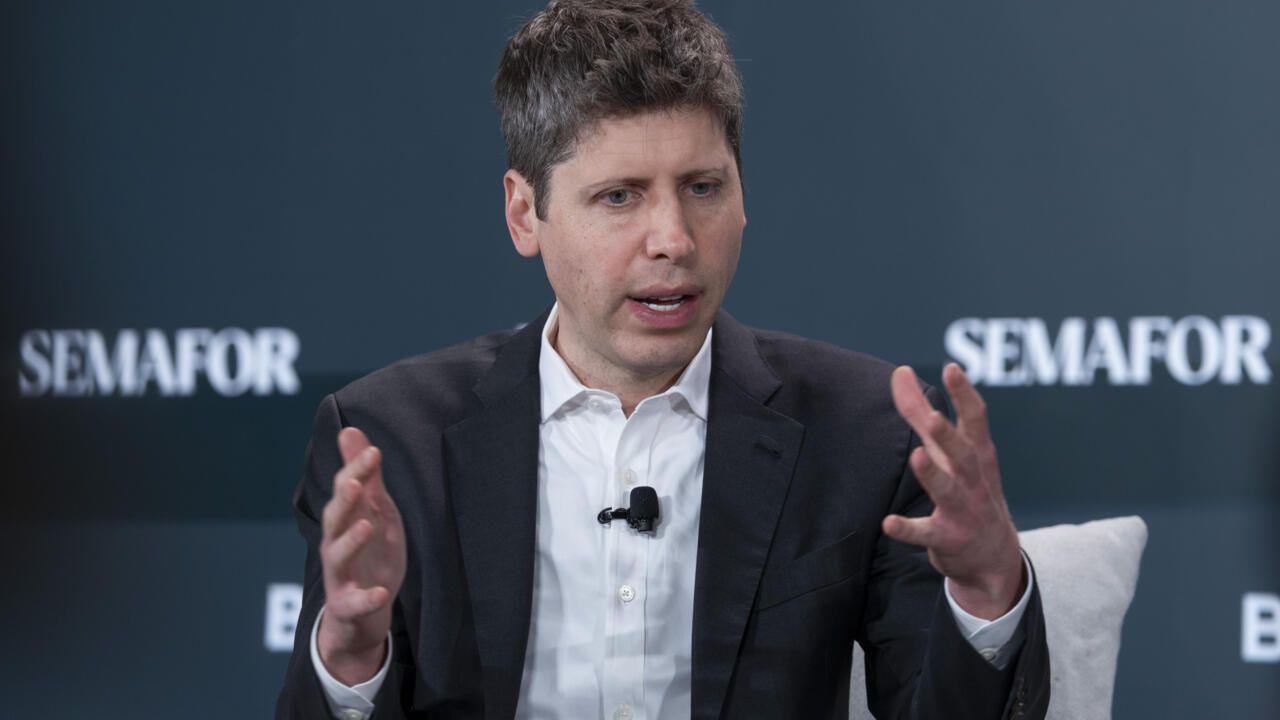
Speaking Monday at the first Silicon Valley and the World summit, a new conference from Semafor near Sand Hill Road, Altman said the buildout will continue
1
3
. "I think data centers will get built, but clearly the current way they're working, being built, and the engagement with communities is not working for people. The ecosystem will adapt," he said1
.
Source: France 24
His own explanation for the anger is that data centers are easy to point at because they are a big, physical stand-in for a broader argument about AI
1
3
. He described what he considers the wrong way to sell the tradeoff: telling people "you are going to lose all agency and control and voice in the future" in exchange for benefits like curing cancer would be "a terrible sales pitch"1
.He also split the difference on local opposition. "I personally have a lot of sympathy to not wanting to have a data center in (a) community... we have a giant country. We have a lot of space," he said
1
.The backlash has a price tag
The opposition predates the election. Data center proposals have drawn protests and lawsuits from communities across the political spectrum, according to Inc.'s characterization
2
. The midterm results, the wire reporting says, have pushed the tech industry to rework its public relations strategy1
3
.Dan Ives, a longtime tech analyst known for a bullish outlook, estimates 10 percent of the 800 to 1,000 data centers planned in the US will not happen
1
3
.Related Stories
OpenAI's answer
OpenAI, one of the AI hyperscalers that needs new data centers to grow, released a framework giving residents a voice in how such projects get built, according to Inc. coverage
2
. The move came about 48 hours after the midterms, and the company began calling them compute campuses2
. Inc. frames the move as a reputation pivot responding to growing backlash against data center expansion2
.The same piece treats the renaming as messaging rather than substantive change, noting the data centers themselves are still needed for AI development
2
. The renaming, the piece argues, changes the label on facilities the industry still needs to build.References
Summarized by

Navi
Related Stories
OpenAI Rebrands Data Centers as AI Compute Campuses Amid Rising Opposition
02 Nov 2026•Policy and Regulation
Sam Altman admits AI industry fumbled communication as $130B in projects stall
04 Sept 2026•Technology
AI Data Centers Spark Bipartisan Political Backlash as Midterm Elections Loom
20 Aug 2026•Policy and Regulation

Recent Highlights


Recent Highlights
Today's Top Stories











Don’t drown in AI news. We cut through the noise - filtering, ranking and summarizing the most important AI news, breakthroughs and research daily. Follow topics that matter to you and stay ahead.


