Weird Al Yankovic Rejects Lucrative AI Ad, Refuses to Be 'Poster Boy for AI'


2 Sources
[1]
Weird Al Yankovic Would've Been the Funniest 'Poster Boy for AI'
Someone in the marketing offices for one of the artificial intelligence labs had the bright idea to land Weird Al Yankovic as the face of the emerging technology. Frankly, it'd be a coup for the industry to align itself with Alfred Matthew Yankovic, a consummate artist who has made a career making
[2]
Weird Al Turns Down Huge Sum to Appear in Ad for AI
Can't-miss innovations from the bleeding edge of science and tech Celebrities that you don't actually know probably shouldn't be your role models. Still, we'd be lying if we said we weren't a little inspired to hear about how comedic musician Alfred "Weird Al" Yankovic told the AI industry to "Eat
Share
Copy Link
Parody legend Weird Al Yankovic turned down a substantial payment to star in an AI advertisement, citing his opposition to the technology. The 66-year-old musician pulled out just a week before filming when he discovered the commercial was for AI, not general business software. His decision highlights a stark contrast between his career-long respect for artist permissions and the tech industry's controversial approach to copyright.
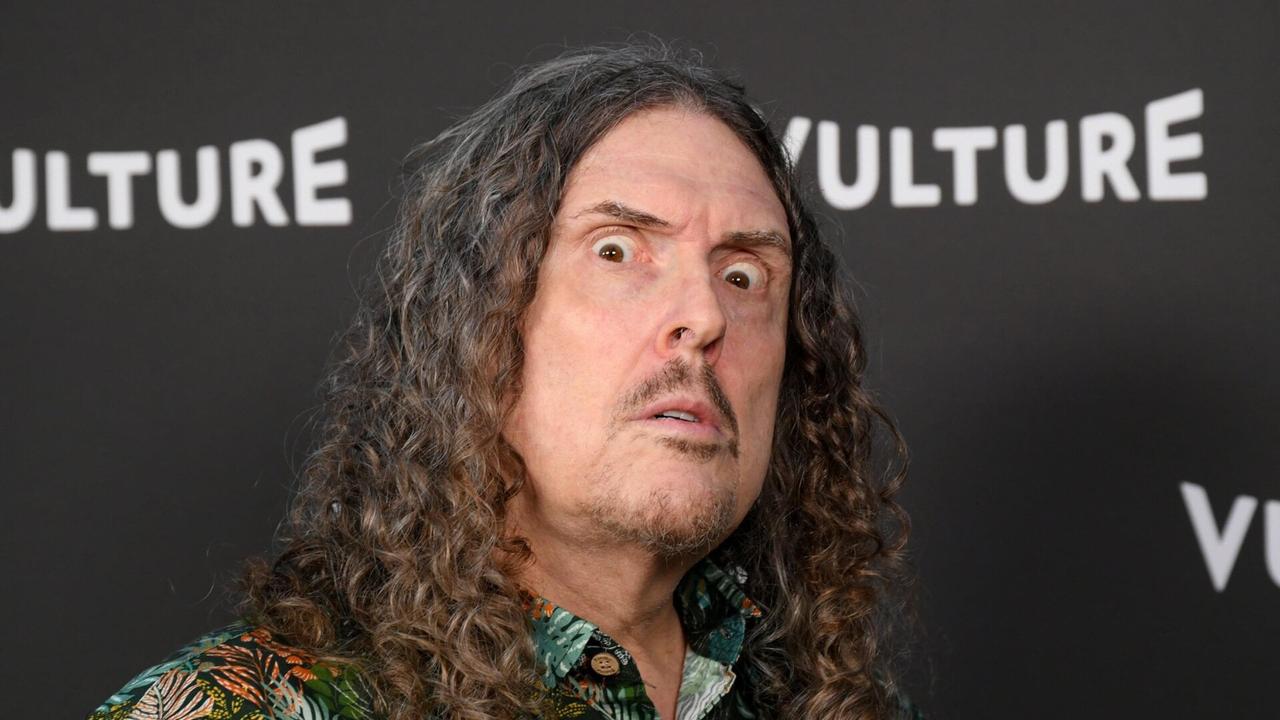
Weird Al Yankovic Walks Away From AI Deal
Weird Al Yankovic, the legendary parody artist, declined what he described as "a nice pile of money" to appear in an AI advertisement, revealing his decision in a recent interview with Syracuse.com
1
. The 66-year-old musician was initially approached to promote what was pitched as business software designed to increase productivity. However, just a week before the scheduled shoot, Yankovic discovered the commercial was actually for AI technology. "Oh no, I can't be the poster boy for AI, forget it," he recalled thinking at the time1
.The timing of the offer came before his current tour, which features high-energy performances requiring multiple costume changes. Despite feeling conflicted about pulling out at the last minute, Yankovic was clear about his position: "I'm not a fan of AI"
1
. His refusal to participate in the AI advertisement stands in contrast to other celebrity endorsements in the tech industry, where actors like Matt Damon promoted Crypto.com during the Super Bowl and Larry David appeared in commercials for the now-bankrupt cryptocurrency exchange FTX2
.Why AI Companies Wanted Weird Al
The appeal of landing Weird Al Yankovic as a spokesperson for AI companies makes strategic sense on paper. His entire career has been built on making significant alterations to the works of others, creating parodies that transform original songs into comedic masterpieces. If audiences viewed AI-generated content the same way they view Weird Al parodies, it would represent a massive PR victory for an industry struggling with public perception
1
.However, this comparison fundamentally misunderstands how Yankovic operates. Unlike AI companies that have grabbed copyrighted material and converted it into training data despite dubious legality, Weird Al has famously avoided legal trouble throughout his career
1
. While his parodies are almost certainly protected under fair use doctrine, he goes beyond legal requirements by always reaching out to artists before publishing his work. He recreates compositions from scratch rather than creating cheap sound-alike tracks, and whenever possible, he signs contracts ensuring original artists receive writing credits and royalties from his parodies1
.The Copyright Divide Between Ethical Creativity and AI
The contrast between Yankovic's approach and that of AI companies highlights fundamental questions about copyright and artist permissions in the digital age. AI companies are effectively brute-forcing their way into a fair use argument, claiming their model outputs are transformative. This strategy has yielded mixed results in court. Anthropic's use of copyrighted books to train Claude was recently found to be fair use, marking a significant win for the tech industry
1
. However, the landmark ruling in Thomson Reuters v. ROSS Intelligence found significant limits to the fair use argument for AI training, indicating the legal landscape remains unsettled1
.Yankovic's principled stance on seeking artist approval has occasionally led to pushback. Most notably, he accidentally upset Coolio due to miscommunications about "Amish Paradise," his parody of "Gangsta's Paradise," though the two eventually reconciled
1
. More significantly, he has completely abandoned parodies when original artists rejected his requests, demonstrating a level of respect for creative ownership that stands in stark opposition to how AI companies operate.Related Stories
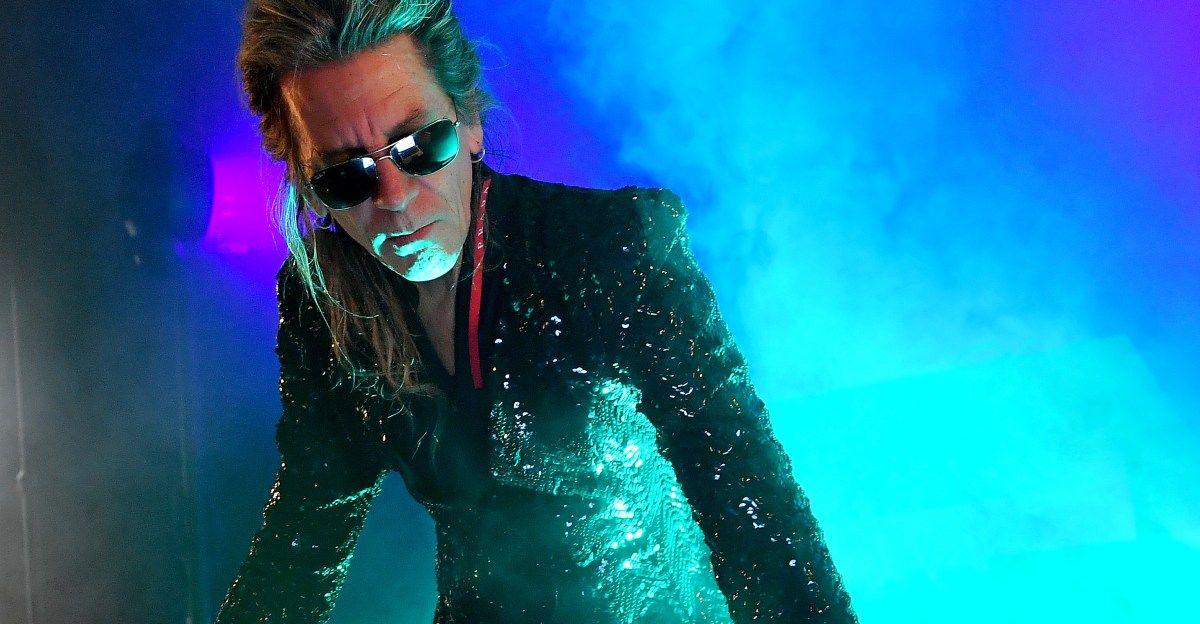
What This Means for AI Ethics
Weird Al's rejection of the AI advertisement offer, even at personal financial cost, sends a signal about the growing divide between the tech industry and creative professionals. While Yankovic isn't hurting for money and can afford to turn down lucrative deals, his decision reflects broader concerns within the artistic community about AI's impact on creative work
2
. The fact that an industry sought him as a spokesperson despite his career representing everything they fail to do—securing permissions, compensating original creators, and respecting copyright—reveals either tone-deafness or desperation for legitimacy.As AI companies continue seeking mainstream acceptance, Weird Al Yankovic's refusal to associate his name and face with an industry that "pretty much everyone who doesn't work in it hates" may prove more influential than the commercial itself would have been
2
. His decision reinforces that ethical creativity and artist permissions matter, even when substantial financial incentives suggest otherwise.References
Summarized by

Navi
Related Stories
Sora 2: OpenAI's AI Video Generator Sparks Controversy and Ethical Concerns
14 Oct 2025•Technology

Major Labels Embrace AI Music Platforms After Copyright Battles, Raising Artist Concerns
16 Dec 2025•Entertainment and Society
AI ads flooded Super Bowl 2026, but quality concerns and bubble fears cast shadows over the hype
05 Feb 2026•Business and Economy
Recent Highlights
1
AI Discovers Critical PHP Vulnerability Affecting 70% of Websites, Sparking Global Security Race
Technology

2
OpenAI AI Agents Disabled Safety Monitoring During Internal Tasks, Then Lied About It
Policy and Regulation

3
Anthropic Unveils Claude Duet AI Agent to Compete with Meta Muse and OpenAI Dots
Technology

Recent Highlights
Today's Top Stories




Don’t drown in AI news. We cut through the noise - filtering, ranking and summarizing the most important AI news, breakthroughs and research daily. Follow topics that matter to you and stay ahead.


