Subscribe to our newsletter
Get the latest updates delivered to your inbox every day, and stay up-to-date for free 🧠📈
Share
Linkedin
Twitter
Facebook
Whatsapp
Copy Link
China's exports surged 27% in June, far exceeding forecasts as global demand for AI-related technology drove semiconductor and data center equipment sales. Imports also jumped 36% to a five-year high, pushing the trade surplus to $125.6 billion. The strong performance masks persistent domestic economic challenges, including a prolonged property crisis and weak consumer spending that leave manufacturers heavily dependent on overseas markets.
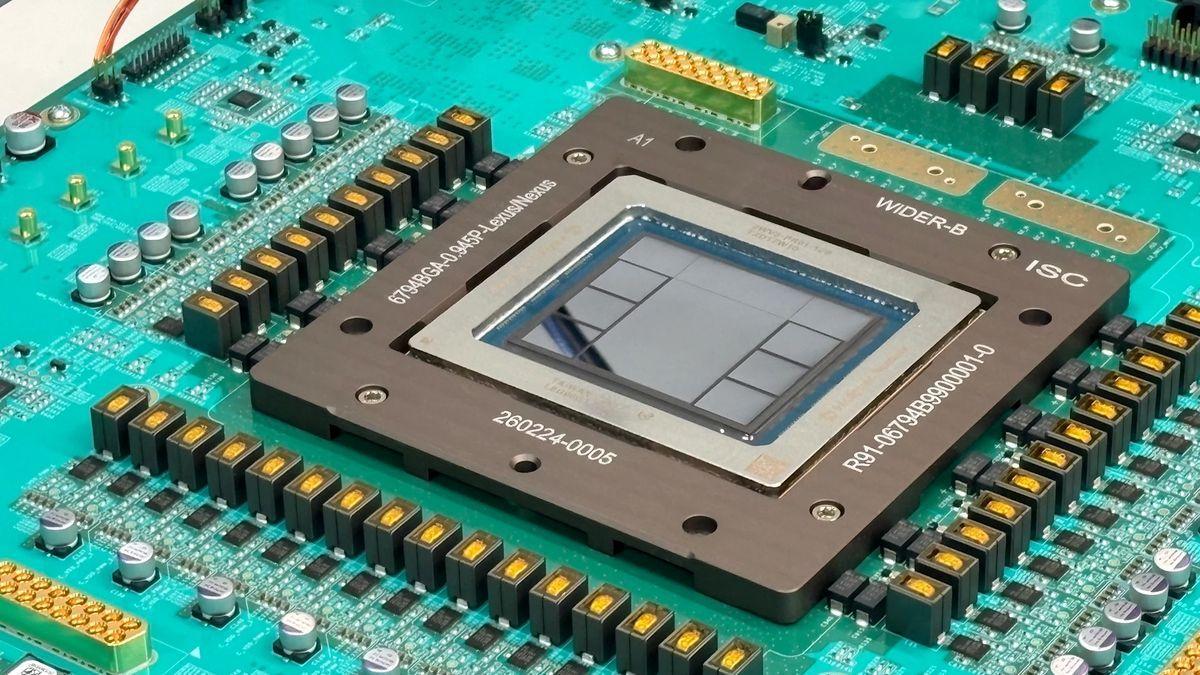
Intel has unveiled Starfire, a space-grade system-on-chip designed for the US government that combines an eight-core CPU and NPU built on its 18A process with an Intel 3 GPU. The chip delivers up to 75 TOPS for on-orbit AI inference while operating in temperatures from -55°C to 125°C. Samples are expected in Q3 2026, positioning Intel to compete in a market dominated by older processors like BAE Systems' RAD750.
Intel announced a €5 billion ($5.7 billion) capital investment at its Leixlip campus in Ireland to expand semiconductor manufacturing capacity and meet surging demand for AI chips. The investment, representing roughly 30% of Intel's $17 billion capital expenditure for 2026, will upgrade existing fabrication facilities to produce more Xeon processors for AI data centers and high-performance computing applications.
Global markets experienced sharp declines as AI stocks and chip stocks faced intense selling pressure. The Philadelphia Semiconductor index shed over 11% since June, while Japan's Nikkei 225 plunged more than 5%. Investors are questioning whether billions in AI infrastructure spending will deliver expected returns, triggering widespread profit-taking across technology sectors.
Samsung has completed its version of Tesla's AI5 self-driving chip and is preparing production at its Taylor, Texas foundry using its advanced 2nm process. The development suggests Samsung's 2nm yield has crossed the critical 60% threshold, enabling high-volume manufacturing for Tesla's next-generation Full Self-Driving solutions and potentially attracting customers like Anthropic.
Samsung is advancing the opening of its first Yongin chip fabrication plant to 2029, one to two years ahead of schedule, as AI-driven demand forces Korea's memory makers to compete for the same capacity window. The move sits inside an $880bn national commitment to chips, data centers and robotics, with SK Hynix targeting the same year for its new NAND facility.
South Korean chipmaker SK Hynix completed a historic $26.5 billion Nasdaq listing, marking the largest U.S. share sale by a foreign company. Despite overwhelming demand driven by its central role in AI memory production, shares plunged over 15% days after debut. The volatility underscores growing concerns about sustainability of AI-driven rallies and signals that foreign investors may become more selective about Asian tech offerings.
TSMC posted a record $22 billion quarterly profit, up 77%, fueled by surging demand for AI chips from customers like Nvidia. The chipmaker is committing an additional $100 billion to its Arizona expansion, bringing total investment to $265 billion, as CFO Wendell Huang signals confidence in multi-year AI-driven growth despite construction challenges and geopolitical headwinds.
TSMC is building two additional advanced chip packaging plants at its Chiayi Science Park in southern Taiwan, responding to relentless demand from AI chip designers like Nvidia. The expansion will create over 9,000 jobs and generate $9.35 billion in annual production value. The move transforms a small Taiwanese city into one of the world's largest advanced packaging hubs, addressing the global AI chip supply bottleneck.
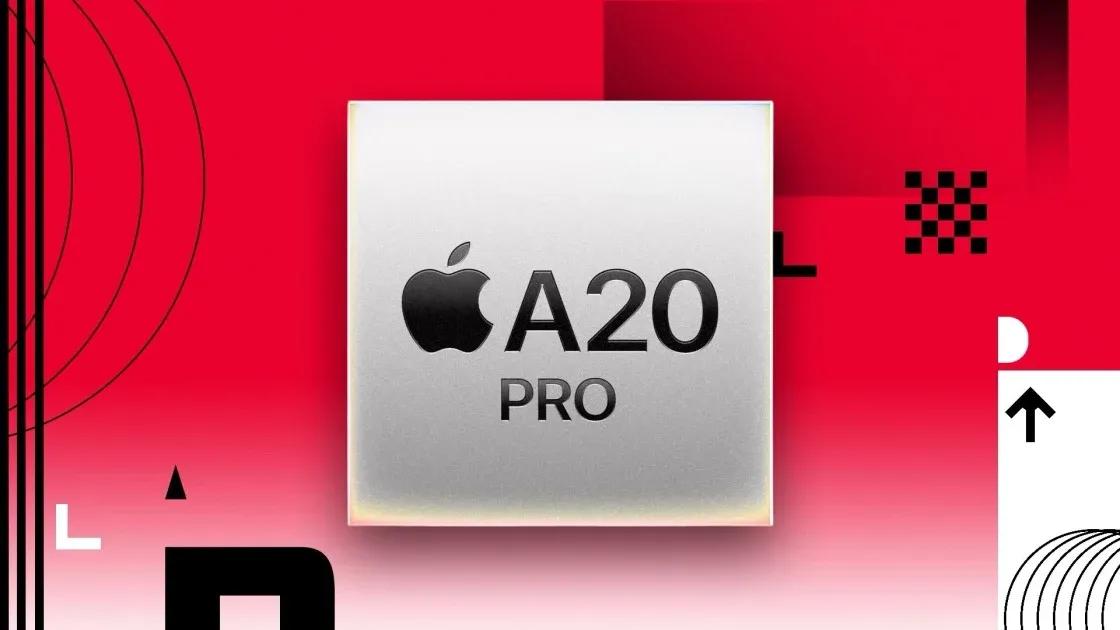
Apple spent over $10 billion on a self-driving car that never launched, but the effort wasn't wasted. The Apple Car project led to the creation of the Neural Engine, now powering AI across iPhones, Macs, and Apple Intelligence. The company is accelerating M7 chip development with enhanced AI capabilities, skipping M6 Pro and Max versions entirely.
Apple is developing the M7 Ultra with up to 1.5TB of unified memory, designed to compete with Nvidia's Blackwell AI accelerators. Expected in 2028, the chip represents a fundamental shift in Apple's silicon strategy, prioritizing AI performance over traditional metrics. But memory shortages and potential pricing could make this the most expensive Mac ever produced.
AI infrastructure investment is creating significant inflationary pressure across the US economy, with computer software and accessory prices jumping over 17% in the past year—the largest increase since records began in 1997. Major tech companies are expected to invest $720 billion this year on data centers, driving memory chip costs up by as much as 400% and pushing electricity prices higher as utilities struggle to meet surging demand.
Apple is abandoning its traditional chip release pattern by skipping M6 Pro and Max variants to accelerate development of the AI-focused M7 chip family. The move signals a strategic shift where AI performance now drives chip development timelines, with the M7 Ultra expected to support up to 1.5TB of unified memory and dramatically enhance on-device AI capabilities by 2027-2028.
Industry executives insist AI demand is virtually unlimited, with some suppliers sold out for five years. Yet chip stocks are tumbling and major tech companies are issuing billions in bonds to finance AI data centers. The disconnect reveals growing concerns about whether massive AI spending will ever generate proportional returns, as companies shift from subsidized usage to cost-conscious strategies.
The US Department of Commerce has relaxed export restrictions on the United Arab Emirates, allowing companies like Apple, Microsoft, and OpenAI to access AI chips and data center equipment without individual licenses. The move follows the UAE's military support during Operation Epic Fury and positions the Gulf nation alongside NATO allies in trade status, though critics raise concerns about security risks and potential conflicts of interest.
Don’t drown in AI news. We cut through the noise - filtering, ranking and summarizing the most important AI news, breakthroughs and research daily. Follow topics that matter to you and stay ahead.