Share
Linkedin
Twitter
Facebook
Whatsapp
Copy Link
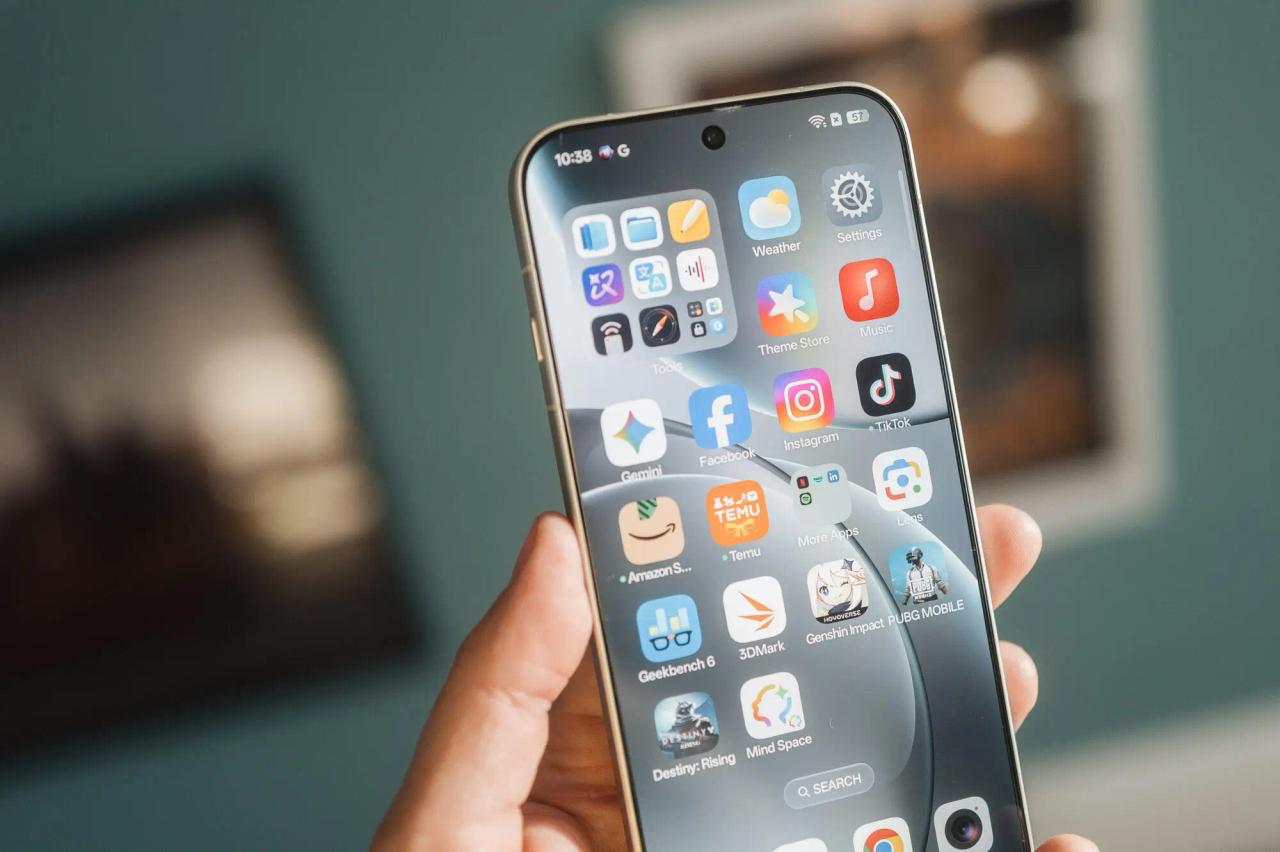
Apple CEO Tim Cook warned that significantly higher memory costs will impact the company's business beyond June 2026, as the global memory shortage intensifies. While Apple weathered Q2 with existing inventory, the tech giant now faces the same supply constraints affecting Microsoft and Meta, driven by surging demand for AI infrastructure.
Huawei anticipates its AI chip revenue will jump at least 60% this year to reach approximately $12 billion, up from $7.5 billion in 2025. The surge is driven by robust demand from Chinese companies for domestic AI chip offerings, particularly the Ascend processor 950PR which entered mass production in March.
Apple CEO Tim Cook revealed that Mac mini and Mac Studio shortages may persist for several months as AI-driven demand for Macs surges beyond expectations. The company faces supply constraints as developers rush to purchase these desktops for running local AI models and agentic AI tasks, while also grappling with industry-wide memory shortages and limited chip manufacturing capacity.
After six months of waiting, Microsoft has released Auto SR for the Asus ROG Xbox Ally X through its Windows Insider program. The AI-powered upscaling technology uses the handheld's NPU to upscale game resolutions to 1440p while improving frame rates by up to 30%, currently available only in docked mode.
Samsung posted record semiconductor profits of $36.15 billion in Q1 2026, driven by surging AI demand that has created a severe global memory chip shortage. The company has sold out all memory production capacity for 2026 and warns the supply-demand gap will widen even further in 2027, affecting prices of laptops, smartphones, and gaming devices.
Nvidia's B300 AI servers are selling for approximately $1 million in China, nearly double their US price of $550,000. The dramatic price surge stems from intensified US export restrictions and a crackdown on grey market chip smuggling following the arrest of Supermicro's co-founder, creating acute scarcity as Chinese AI companies scramble for advanced computing hardware.
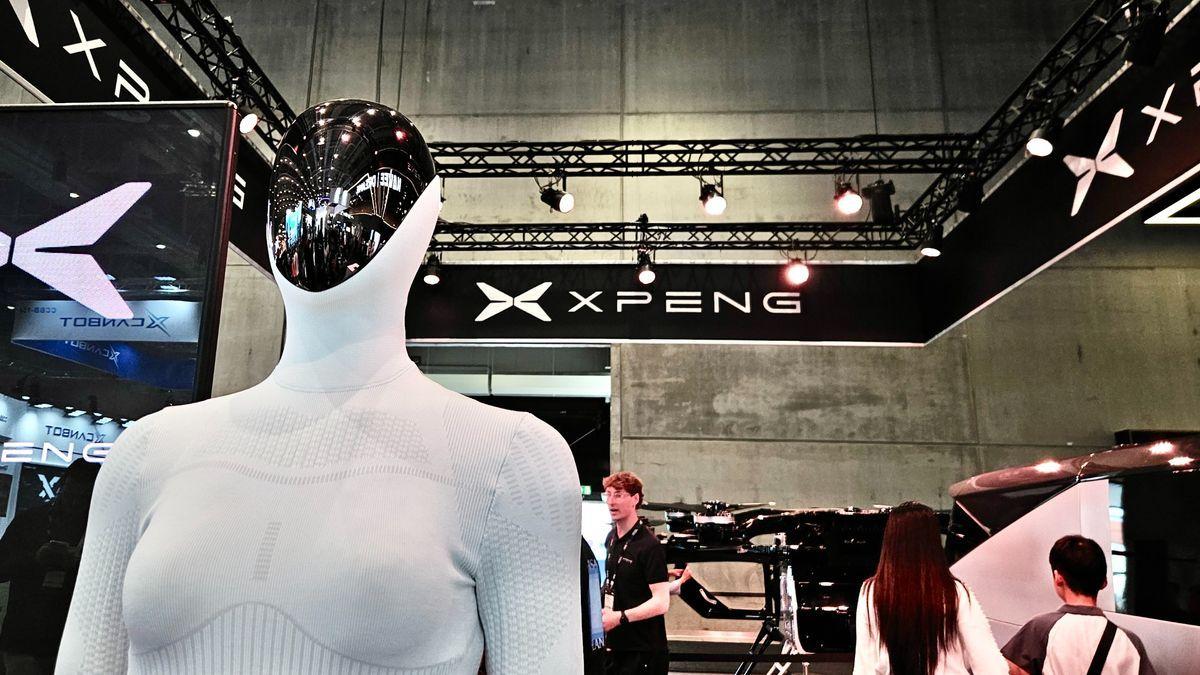
Xpeng's VLA 2.0 autonomous driving system completed 40-minute test drives through Beijing's aggressive traffic without human intervention. The end-to-end vision-to-action model, powered by 2,250 TOPS computing power, demonstrates performance comparable to Tesla's FSD v14, suggesting Tesla's dominance in advanced driver-assist systems is facing serious competition from Chinese automakers.
The biggest US tech firms now plan to spend up to $725 billion this year on AI infrastructure, with Meta, Alphabet, and Microsoft all raising their capital expenditure guidance. Meta increased its spending ceiling to $145 billion, citing higher memory costs, while investor skepticism sent its stock down 6% despite strong revenue growth.
The US Department of Commerce has directed chip equipment suppliers including Lam Research, Applied Materials, and KLA to stop shipping tools to Hua Hong facilities developing 7-nanometer chipmaking capabilities. The move targets China's second-largest chipmaker as it prepares to produce artificial intelligence chips, potentially costing US suppliers billions while escalating tech tensions ahead of the Trump-Xi summit in May.
LG Electronics and Nvidia are in talks over potential AI collaboration spanning robotics, AI data centres, and mobility solutions. The discussions follow a visit by Madison Huang, Nvidia's senior director for physical AI platforms, to LG's Seoul headquarters where CEO Ryu Jae-cheol attended the meeting directly.
Nvidia CEO Jensen Huang reveals the company now holds zero market share in China's AI accelerator market, down from 66% in 2024. Huawei fills the void with its Ascend 950 chips, expecting $12 billion in revenue this year as US export controls drive Chinese tech firms toward domestic alternatives. The shift highlights how regulatory barriers are reshaping the global AI hardware landscape.
Nvidia's expansion into physical AI has intensified its reliance on Asian partners, with Asian suppliers now accounting for 90% of production costs compared to 65% last year. The shift extends beyond semiconductors into robotics and autonomous systems, triggering stock rallies across the region as companies from LG Electronics to Taiwan's Nanya Technology benefit from deepening partnerships with the chip giant.
ACEMAGIC has launched the F5A mini PC, a compact desktop system powered by AMD's Ryzen AI 9 HX 470 processor delivering 86 TOPS of combined AI performance. The palm-sized device features OCuLink support for external GPU connectivity, dual USB4 ports with 40Gbps bandwidth, and Wi-Fi 7, targeting AI-enabled workloads and high-performance computing in a small form factor starting at $667.
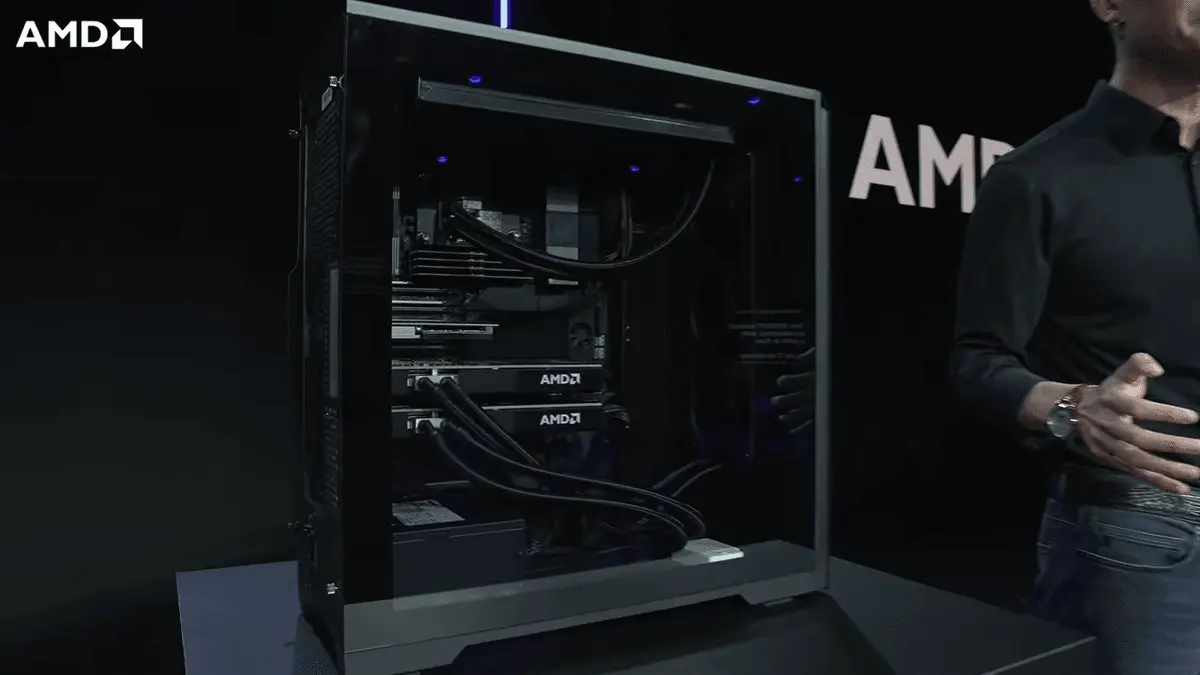
AMD's latest research reveals that over four in five organizations are now planning, piloting, or deploying AI PCs, marking a significant shift from experimentation to real-world implementation. The data shows 70% report faster performance with dedicated AI PCs, while 66% see productivity gains as agentic AI drives demand for localized computing power.
Nvidia has secured 760,000 square feet of office space in Bengaluru through a 10-year lease valued at over INR 12 billion, marking India's largest single-tenant office commitment to date. The deal nearly doubles the chipmaker's footprint in India to over 1.13 million square feet across six cities, signaling a long-term bet on India's engineering talent to meet surging global AI demand.
Don’t drown in AI news. We cut through the noise - filtering, ranking and summarizing the most important AI news, breakthroughs and research daily. Follow topics that matter to you and stay ahead.