Share
Linkedin
Twitter
Facebook
Whatsapp
Copy Link
Raspberry Pi launched the AI HAT+ 2, a $130 add-on board that equips the Raspberry Pi 5 with a 40 TOPS Hailo 10H chip and 8GB of dedicated RAM. The module enables local processing of generative AI models like Llama 3.2 and Qwen2, though early tests show mixed performance results compared to simply upgrading the base Pi's memory.
The Trump administration has formalized a 25% tariff on advanced AI semiconductors from Nvidia and AMD shipped to China. The move converts previous export restrictions into a government revenue stream while allowing chip sales to resume. Nvidia's H200 and AMD's MI325X processors face the levy when imported to the US before reexport, though domestic AI infrastructure remains exempt.
Chinese AI firm Z.ai has released GLM-Image, an open-source image generation AI model trained completely on Huawei's Ascend chips without any Nvidia GPUs. The 16-billion parameter model demonstrates accurate text rendering and complex prompt understanding, proving that domestic Chinese hardware can now sustain large-scale AI training independently.
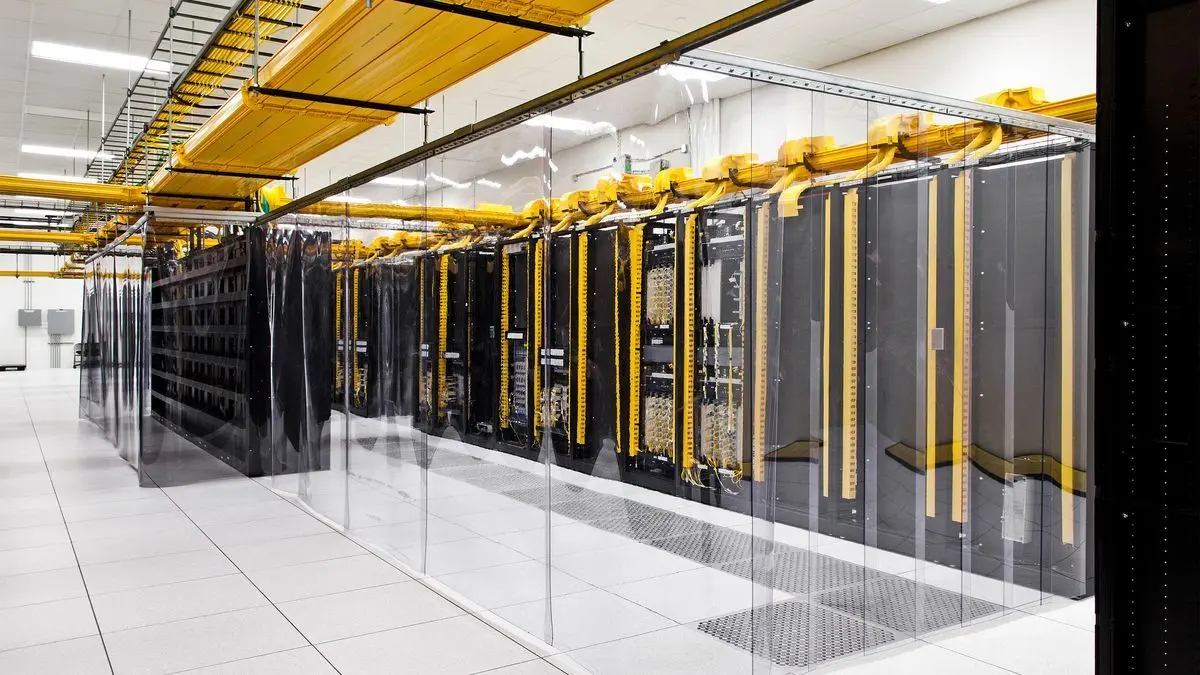
OpenAI has signed a multi-year agreement with AI chipmaker Cerebras worth over $10 billion to deliver 750 megawatts of computing power through 2028. The deal aims to accelerate ChatGPT's response times and support real-time AI applications, while reducing OpenAI's reliance on Nvidia's GPU-based systems. Cerebras will build and lease dedicated datacenters featuring its wafer-scale accelerators.
Nvidia faces a dramatic decline in China as its market share plummets from 66% in 2024 to just 8% this year. The collapse stems from tightening US export restrictions on high-end AI chips and rapid advances by homegrown Chinese AI hardware makers like Huawei and Moore Threads. While the Trump administration has opened limited sales of Nvidia H200 chips with a 25% surcharge, Beijing is drafting its own purchase rules as domestic suppliers now meet 80% of local demand.
The global memory shortage has pushed RAM prices beyond $400 for 32GB kits, with AI data centers claiming 70% of high-end memory chips in 2026. Major manufacturers like Samsung, Micron, and SK Hynix have pivoted to serving OpenAI and other AI firms, leaving consumers facing a crisis that analysts predict will extend through 2028. The shortage threatens not just PCs, but the entire consumer electronics ecosystem.
Nothing CEO Carl Pei announced inevitable smartphone price increases in 2026 as AI data centers compete for the same memory chips used in phones. Memory modules that cost under $20 a year ago could exceed $100 by year-end for top-tier models. The shift marks the end of 15 years of declining component costs and signals an existential crisis for budget phones.
HCL Technologies achieved $3 billion in total contract value bookings during Q3, driven by surging AI-led demand across data centers, custom silicon, and physical AI services. The company's advanced AI revenue grew 20% sequentially to $146 million, translating to a $600 million annualized run rate. CEO C Vijayakumar emphasized that AI is now embedded in every major engagement, with discretionary spending shifting toward AI-enabling services.
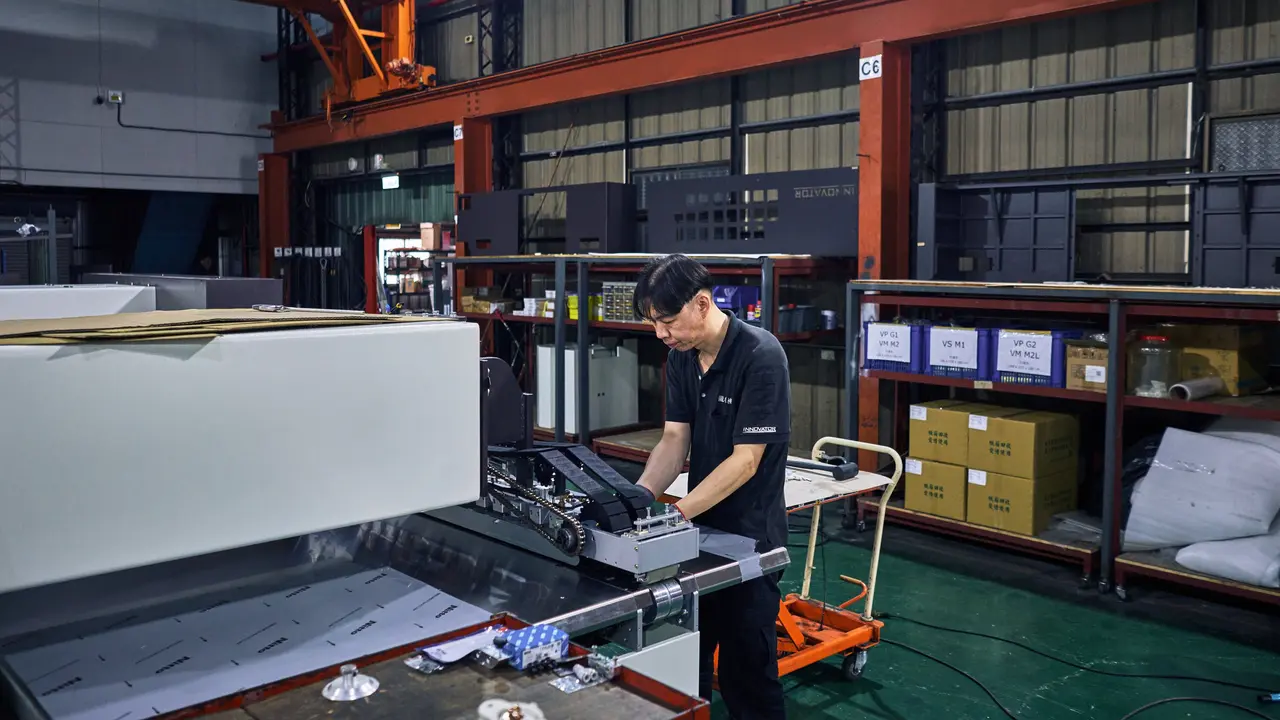
A critical glass cloth shortage is threatening AI chip production as Apple, Nvidia, Google, and Amazon compete for limited supplies from Japanese manufacturer Nitto Boseki. The supply crunch, driven by surging AI data center demand, won't ease until 2027. Tech giants are dispatching executives to Japan while racing to qualify alternative suppliers.
AI chip startup Etched raised $500 million in a funding round led by Stripes, with backing from Peter Thiel, reaching a $5 billion valuation. The company's Sohu chip targets Transformer models and promises to deliver performance gains over Nvidia's GPUs. Meanwhile, rival Cerebras Systems is reportedly pursuing $1 billion in funding as competition intensifies in the artificial intelligence chip market.
The global semiconductor market reached a record $793 billion in 2025, up 21% year-over-year, fueled by surging demand for AI chips. NVIDIA became the first chipmaker to exceed $100 billion in annual sales, pulling $53 billion ahead of Samsung. AI semiconductors now account for nearly one-third of total sales, with AI infrastructure spending forecast to cross $1.3 trillion in 2026.
Apple plans to start mass production of custom AI server chips in the second half of 2026, with proprietary data centers expected in 2027. Analyst Ming-Chi Kuo reveals the move aims to reduce reliance on partners like Google, whose Gemini deal is temporary. The chips, codenamed Baltra, mark Apple's push for control over core AI technologies.
The U.S. House of Representatives passed the Remote Access Security Act with overwhelming bipartisan support, closing a loophole that allowed Chinese companies to access export-controlled American AI chips through offshore cloud computing rentals. The legislation extends existing export controls to cloud services, addressing concerns that firms were bypassing restrictions by renting servers in Southeast Asia.
Dell tested Nvidia's long-rumored N1X processor in a 16-inch OLED laptop last November, according to leaked shipping manifests. The Arm chip is expected to debut in consumer devices by Q2 2026, marking Nvidia's first major push into the laptop processor market to compete with Intel, AMD, and Qualcomm.
SK Hynix approved a $13 billion investment to build the world's largest high-bandwidth memory assembly facility in South Korea, targeting completion by late 2027. The move addresses surging AI infrastructure needs as the company accelerates production timelines across multiple fabs. Memory prices have surged over 300% in Q4 alone, with DRAM expected to remain expensive through 2028.
Don’t drown in AI news. We cut through the noise - filtering, ranking and summarizing the most important AI news, breakthroughs and research daily. Follow topics that matter to you and stay ahead.