Share
Linkedin
Twitter
Facebook
Whatsapp
Copy Link
Snapchat introduced AI Clips, a new feature in Lens Studio that transforms single photos into five-second videos. Available to Lens+ subscribers for $8.99 per month, the closed-prompt system lets creators design AI-powered Lenses while users generate personalized videos. Developers can monetize through Lens+ Payouts as the platform competes with YouTube's Reimagine feature.
The Internet Watch Foundation identified 8,029 AI-generated child sexual abuse images and videos in 2025, marking a 14% annual increase. More alarming is the 260-fold surge in videos, with 65% classified as the most extreme category. The findings expose how generative AI tools enable bad actors to create violent, realistic abusive content with minimal technical skill, intensifying pressure on governments to regulate unregulated AI companies.
OpenArt and Fanvue have launched the AI Personality of the Year 2026, a four-week global competition offering over $90,000 in prizes. Creators can design and launch original AI influencers across five categories, competing for cash prizes, promotional support, and platform placement. The challenge runs through April 19, with judging by industry veterans including the creators of Aitana Lopez and Shudu.
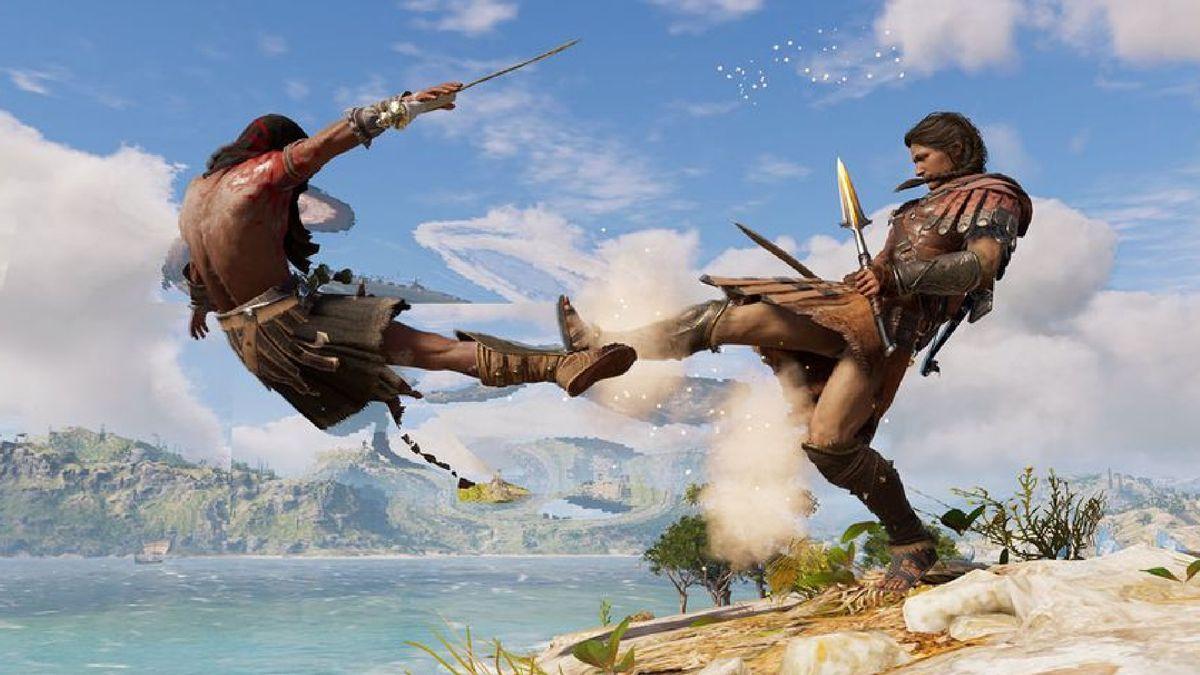
Capcom has clarified its AI stance following backlash over Nvidia's DLSS 5 in Resident Evil Requiem. The company told investors it won't implement AI-generated assets into game content but will actively use AI tools behind the scenes to improve efficiency and productivity across graphics, sound, and programming departments.
Former Blizzard president Mike Ybarra sparked backlash after telling Crimson Desert developer Pearl Abyss not to apologize for AI-generated assets. He claims AI will be in every video game and criticized developers for bending to critics. The gaming community and industry professionals pushed back against his stance.
At the Game Developers Conference 2026, a stark divide emerged between tech companies promoting generative AI tools and game developers who overwhelmingly reject the technology. While 52% of developers now view AI negatively for the gaming industry, major publishers like Panic and BigMode refuse AI-generated games, citing concerns about human creativity, legal issues, and craft.
French prosecutors have alerted US authorities to suspicions that Elon Musk may have deliberately encouraged the Grok AI deepfakes controversy to artificially boost X's value. The investigation centers on whether the sexualized deepfakes scandal was orchestrated ahead of a planned June 2026 stock market listing involving SpaceX and xAI merger.
Pearl Abyss admitted that AI-generated art slipped into Crimson Desert's final release, despite plans to replace placeholder assets. The developer issued an apology for the unintentional inclusion and lack of transparency, announcing a comprehensive audit to identify and remove all AI content in upcoming patches.
Hachette Book Group pulled Mia Ballard's horror novel Shy Girl from publication after evidence suggested AI was used to write significant portions of the book. The cancellation marks the first time a major publisher has publicly withdrawn an existing title over AI concerns, sending shockwaves through the publishing industry as it grapples with detecting and preventing AI-generated content.
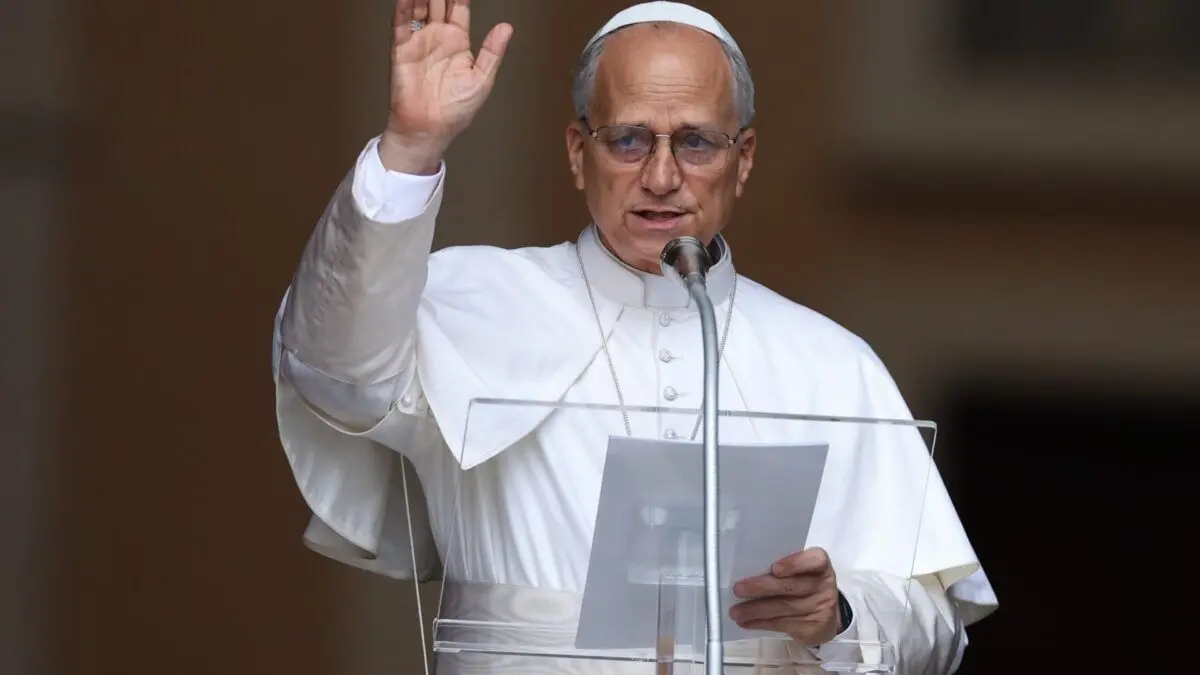
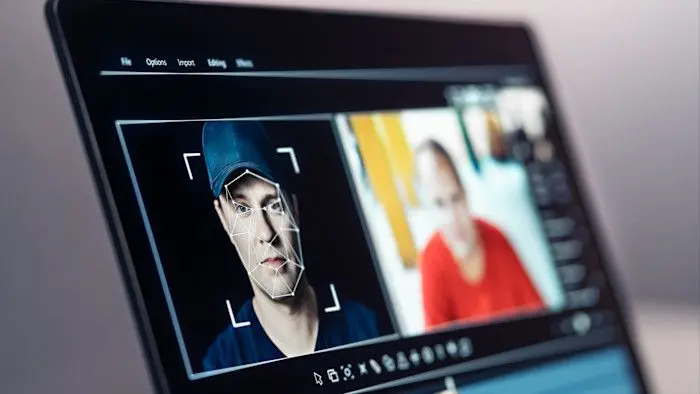
The 19-year-old darts world champion has applied to the Intellectual Property Office to trademark his face, aiming to prevent unauthorized use of his image through generative AI and fake products. Littler joins celebrities like Matthew McConaughey and Cole Palmer in protecting their likeness as AI-generated deepfakes surge across entertainment and sports.
The Wheel of Time is returning as an animated TV series, but fans are expressing serious concern over iwot Studios' partnerships with AI-focused companies. After Prime Video cancelled the live-action adaptation in 2025, the new projects—including animated films and a video game—could rely on AI technology, raising fears of what fans call 'AI slop' and 'franchisation and sloppification' of Robert Jordan's beloved fantasy series.
Adobe launched Firefly Custom Models in public beta, allowing creators to train AI on their own images to generate content that consistently reflects their specific style, characters, or photographic look. The feature addresses one of generative AI's biggest challenges: unpredictability and inconsistency in outputs.
North Carolina musician Michael Smith has pleaded guilty to defrauding music streaming platforms out of over $8 million using AI-generated songs and automated bots. Between 2017 and 2024, Smith uploaded hundreds of thousands of AI-generated tracks to Spotify, Apple Music, Amazon Music, and YouTube Music, then used over 1,000 bot accounts to stream them billions of times, diverting royalty payments from legitimate artists.
Microsoft unveiled MAI-Image-2, its second-generation AI image generation model, which debuted at #3 on Arena.ai's text-to-image leaderboard. The model excels at photorealism, accurate text rendering, and complex scene generation. It's now rolling out across Microsoft Copilot, Bing Image Creator, and MAI Playground, marking Microsoft's shift from relying on OpenAI's models to building competitive in-house technology.
A George Mason University study found that 55% of surveyed U.S. teens have used AI to create fake nude images, with more than a third reporting non-consensual image creation. The research reveals AI nudification has become normalized among adolescents, raising urgent questions about consent and privacy in the age of AI-powered tools.
Don’t drown in AI news. We cut through the noise - filtering, ranking and summarizing the most important AI news, breakthroughs and research daily. Follow topics that matter to you and stay ahead.