Share
Linkedin
Twitter
Facebook
Whatsapp
Copy Link
Netease has firmly denied claims by game developer Suda 51 that it shut down its AI department and banned generative AI use across its studios. The Marvel Rivals publisher confirms it continues investing in AI technology for game development, with upcoming GDC presentations showcasing over $6 million in cost savings from AI integration.
Amazon MGM Studios is launching a closed beta program in March to test proprietary AI tools designed to streamline film and TV production. Led by Albert Cheng, the AI Studio aims to reduce production costs and improve efficiency while maintaining creative control in human hands. The initiative features 350 AI-generated shots in House of David season two.
Voice AI company ElevenLabs has secured $500 million in a funding round led by Sequoia Capital, pushing its valuation to $11 billion—more than three times its $3.3 billion valuation from January 2025. The London-based startup closed 2025 with over $330 million in annual recurring revenue and plans to expand beyond voice into AI agents that can talk, type, and take action while pursuing an IPO.
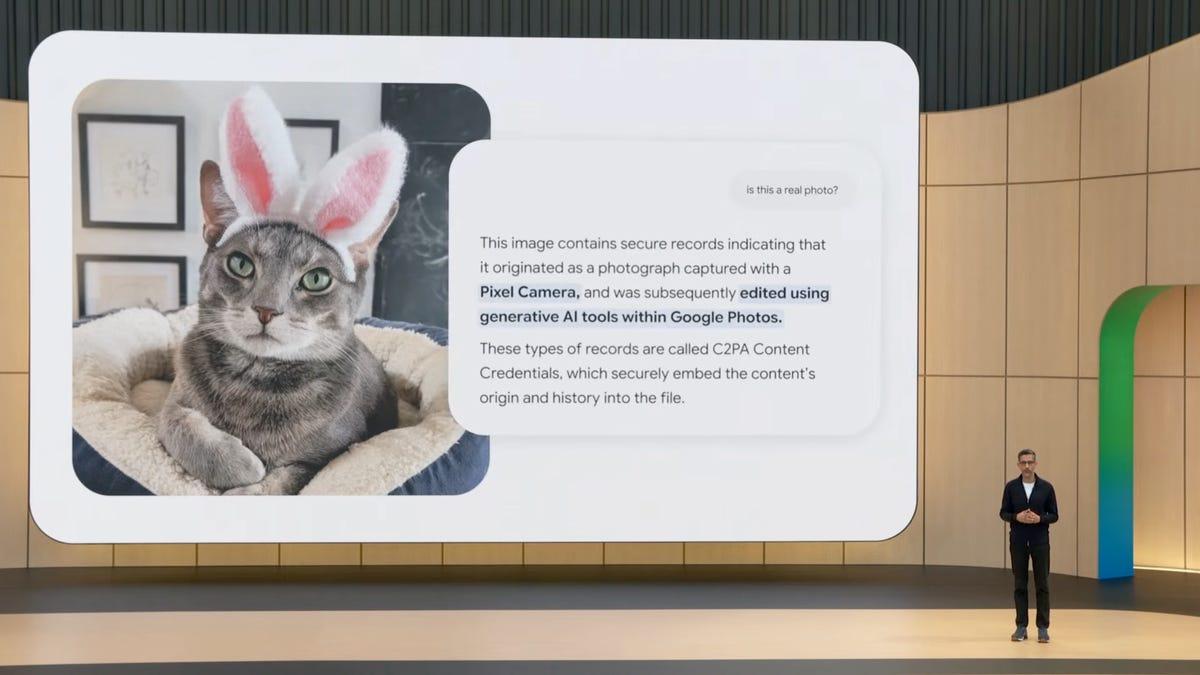
Following the Justice Department's release of over 3 million Epstein files, AI image generators have flooded social media with convincing fake images showing the convicted sex offender with world leaders. A NewsGuard study reveals how tools like Grok and Google Gemini produce realistic fabrications in seconds, while fact-checkers struggle to help users distinguish real from fake images.
Sony has secured a patent for AI-generated podcasts that would feature voices of beloved PlayStation characters delivering personalized game news, trophy updates, and recommendations. The patent, titled 'LLM-Based Generative Podcasts for Gamers,' aims to address what Sony calls a gap in providing targeted content to gamers on its platform.
The UK's Information Commissioner's Office has opened a formal investigation into Elon Musk's xAI after its Grok chatbot generated thousands of sexualized images without consent. Despite announced restrictions, Reuters testing reveals Grok still produces such content even when explicitly told subjects don't consent, raising serious questions about safeguards and data protection compliance.
Adobe is removing generation limits from Firefly, its generative AI platform, through March 16. Subscribers can now create unlimited AI video and image generations up to 2K resolution using both Adobe's own models and third-party integrations including Google, OpenAI, and Runway. The limited-time promotion aims to help creators experiment at scale during a content-heavy period.
PC gaming storefront GOG sparked controversy after using generative AI to create a New Year Sale banner. The company's managing director declined to make absolute statements about future AI use, citing game preservation needs. But the response triggered fierce backlash from supporters who view GOG's core values as incompatible with AI-generated content.
Indonesia has conditionally restored access to Elon Musk's Grok AI chatbot three weeks after becoming the first country to ban it over concerns about AI-generated explicit content. The Ministry of Communication and Digital Affairs warns the ban could be reinstated if violations continue, as regulators across Southeast Asia maintain pressure on xAI to prevent misuse.
An AI-enhanced photograph of Alex Pretti, the protester killed by border agents in Minneapolis, was displayed on the US Senate floor and aired by major news outlets including MS NOW. The manipulated image contained digital distortions and sparked debate about how generative AI models are sowing confusion during breaking news events and influencing political discourse.
Google has rolled out Project Genie, an AI tool that lets users create playable worlds from text prompts. Early adopters immediately generated knockoffs of Super Mario 64 and The Legend of Zelda: Breath of the Wild, complete with working mechanics. The tool has already blocked some Nintendo content after concerns about intellectual property violations, echoing OpenAI's Sora controversy.
OpenAI's Sora AI video creation app is struggling after its explosive October launch. App downloads dropped 45% in January to 1.2 million installs, while consumer spending fell 32% to $367,000. Competition from Google's Gemini and Meta AI, coupled with copyright infringement challenges from Hollywood studios, has dampened user interest in the once-promising AI video social network.
Acclaimed director Darren Aronofsky has sparked controversy with his new AI-generated series On This Day... 1776, created through his studio Primordial Soup in partnership with Google DeepMind, TIME Studios, and Salesforce. The short film series depicting the American Revolution has been widely criticized for uncanny facial features, historical inaccuracies, and poor visual quality, with viewers and critics labeling it AI slop despite its ambitious goal to blend human artistry with generative AI tools.
Elon Musk has announced a new image labeling system for X that flags manipulated media with an "edited visuals warning." The feature aims to combat misleading images, but the company hasn't clarified how it determines what qualifies as manipulated or whether it addresses AI-generated content. The move comes after X faced criticism over non-consensual deepfake images created using its Grok AI chatbot.
Deezer is making its AI detection tool commercially available to rival streaming platforms including Spotify, aiming to combat the flood of AI-generated music. The company reports receiving 60,000 fully AI-generated tracks daily, with 85% of streams from such content deemed fraudulent. The tool achieves 99.8% accuracy and has already been licensed to French royalty agency Sacem.
Don’t drown in AI news. We cut through the noise - filtering, ranking and summarizing the most important AI news, breakthroughs and research daily. Follow topics that matter to you and stay ahead.