Share
Linkedin
Twitter
Facebook
Whatsapp
Copy Link
Oscar-winning filmmaker Guillermo Del Toro reaffirmed his stance against AI in filmmaking at Comic-Con, promising the Pan's Labyrinth 3D re-release uses only human craftsmanship. The director argues that AI threatens artistic tradition and future generations of artists, choosing a more expensive manual process to preserve the film's integrity.
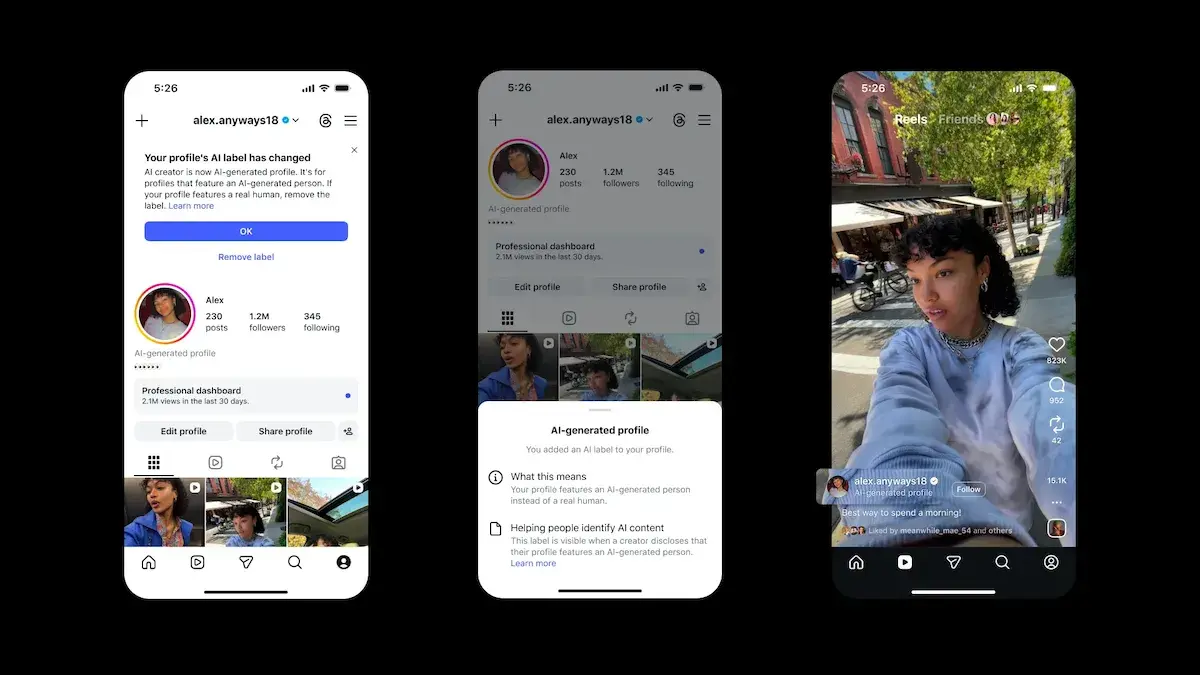
Meta introduces Facebook Verified, a free badge program using facial verification to help users identify real people on the platform. The system requires a video selfie checked against existing profile photos, taking just minutes to complete. The move addresses the surge of AI-driven fake profiles and scammers using generative AI tools to create realistic accounts at scale.
Amazon is requiring third-party sellers to tag product images and videos containing AI-generated people after New York passed legislation mandating disclosure of synthetic performers in advertising. The policy affects over 60% of goods sold on Amazon's marketplace and requires sellers to apply metadata tags before uploading content.
Runway unveiled its Media Router through the Runway Dev platform, automatically selecting optimal image, video, and audio generation models based on quality, speed, or cost preferences. The move signals Runway's pivot from AI video startup to infrastructure provider, as the company faces mounting competition from Google, ByteDance, and Alibaba in the crowded generative media landscape.
Google rolled out a new account recovery feature allowing users to regain access through video selfies with guided head movements. The AI-powered account recovery system uses liveness detection to combat deepfake threats, though security experts warn sophisticated attacks could bypass camera verification. Users control their biometric data with opt-in consent and encrypted storage.
Elon Musk announced that his AI tool Grok Imagine will produce a full-length adaptation of Homer's Odyssey by year-end, claiming it will be historically accurate. The pledge comes after months of attacking Christopher Nolan's blockbuster version, which earned $264 million in its opening weekend, over casting choices including Black and trans actors.
Substack has partnered with Pangram to introduce an AI detection tool that lets readers scan posts, notes, and comments to see how much content was written by humans versus AI. The move aims to combat 'Claudefishing'—when readers unknowingly consume AI-generated content—while helping writers who disclose AI usage maintain credibility. Available now on web and iOS, the tool marks a bold bet that human authorship will become a valuable differentiator in an internet increasingly flooded with AI slop.
Pope Leo XIV's 43,000-word encyclical Magnifica Humanitas, which called AI the greatest threat to humanity, faced accusations of being AI-generated. The Vatican has now obtained official certification from Proudly Human, an Australian AI detection tool led by Dr. Alan Finkel, confirming the document is entirely human-authored.
Music streaming platform Deezer reveals that AI-generated music now represents more than half of all daily uploads, averaging 90,000 tracks per day in June 2026. The company is taking stricter action by removing AI-generated tracks involved in streaming fraud or those unstreamed for six months, while offering a free AI music detector tool for listeners across 20 platforms.
Sony Music Entertainment filed a new lawsuit against Udio, accusing the AI music generator of copyright infringement involving over 30,000 songs, from Elvis Presley to Beyoncé. The company seeks up to $150,000 per work infringed, potentially totaling $4.5 billion. This comes after Universal Music Group and Warner Records settled with Udio, leaving Sony as the sole holdout.
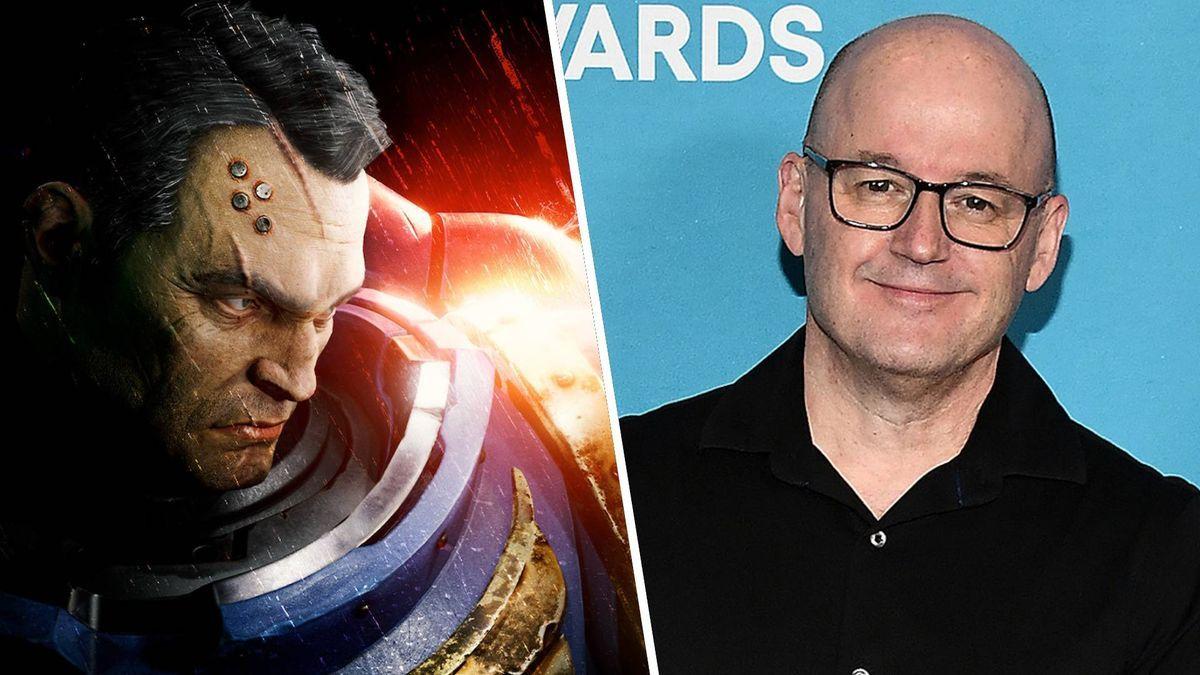
District 9 director Neill Blomkamp unveiled Nightborne, a 13-minute AI-generated short film created entirely with ByteDance's Seedance 2.0. The sci-fi project features 32 actors under likeness agreements but has been met with overwhelming negative reactions. Fans criticize the film as 'soulless slop' while Blomkamp announces plans for a full AI feature through his new studio, Barley Studios.
Nvidia introduced its Synthetic Video Detector at SIGGRAPH 2026, an AI-powered tool designed to identify AI-generated videos with remarkable speed and precision. The system achieves 92% accuracy on uncompressed video and processes 1080p footage in just 22 milliseconds on RTX systems. Targeted at newsrooms and media organizations, the detector aims to combat misinformation by providing rapid content verification before synthetic videos enter the public domain.
YouTube has updated its Partner Program rules to demonetize three types of inauthentic content: generic repetitive AI videos, emotionally manipulative clickbait, and AI personas discussing sensitive topics. The move aims to protect viewers and advertisers as the platform competes with Netflix and traditional TV for ad dollars.
North Korean hackers generated over $5 million by placing fraudulent employees created using generative AI inside more than 100 US companies. These synthetic insiders use deepfake video, audio, and stolen identities to bypass traditional security checks, accessing sensitive systems and data. The attacks highlight how AI cyberattacks are transforming corporate cyber defence strategies.
Christopher Nolan describes AI as a transparent Trojan horse, saying the public—especially younger generations—immediately recognizes and rejects AI-generated content as 'AI slop.' The Odyssey director argues that while technology offers benefits, healthy skepticism toward its rapid advancement and the motives behind it is essential.
Don’t drown in AI news. We cut through the noise - filtering, ranking and summarizing the most important AI news, breakthroughs and research daily. Follow topics that matter to you and stay ahead.