Subscribe to our newsletter
Get the latest updates delivered to your inbox every day, and stay up-to-date for free 🧠📈
Share
Linkedin
Twitter
Facebook
Whatsapp
Copy Link
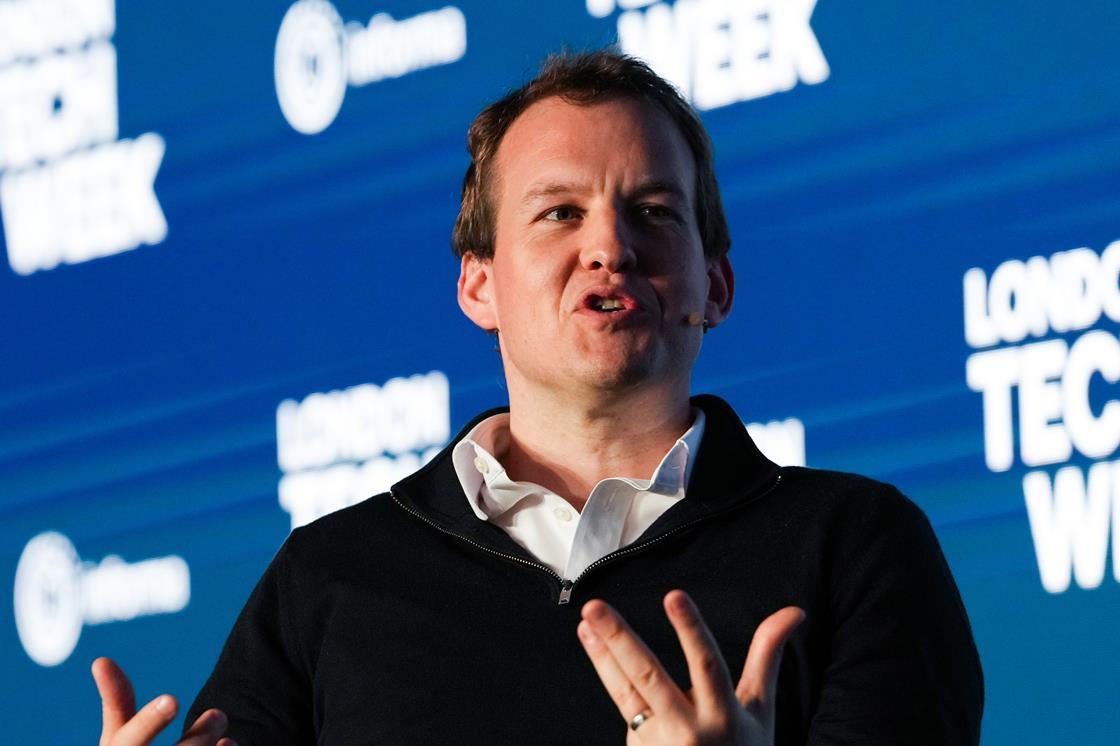
Palantir CEO Alex Karp launched a scathing critique of frontier AI labs OpenAI and Anthropic, declaring that 'something has gone completely wrong' with their token-based pricing models. In a high-energy CNBC appearance, Karp claimed CEOs are 'livid' about rising AI costs and minimal returns, while enterprises increasingly turn to cheaper Chinese models and open-weight alternatives. The controversy highlights mounting tensions in the AI industry as businesses demand better value and control over their data.
Abu Dhabi's sovereign wealth fund MGX has closed a $49 billion AI fund, marking one of the largest investment vehicles ever focused on artificial intelligence. The technology investment firm attracted global institutional investors and plans to deploy up to $10 billion annually across the AI stack, from semiconductors to frontier models, with major backing already committed to OpenAI, Anthropic, and xAI.
Security researcher Ian Carroll used Anthropic Claude Opus 4.7 to discover a vulnerability in Front Gate Tickets, a Live Nation subsidiary handling ticketing for nearly every major US music festival. The flaw could have allowed attackers to issue free VIP tickets worth thousands of dollars and access millions of customer records. Front Gate patched the vulnerability within 24 hours, but the incident highlights AI's growing capability to uncover exploitable bugs across the internet.
Anthropic's Claude Fable 5 has returned after a three-week government-ordered shutdown, but the AI model now comes with significantly more aggressive safety restrictions. The new safeguards frequently route coding and debugging requests to the less capable Claude Opus 4.8, leading many developers to question whether the premium model is worth using at all.
CIA Director John Ratcliffe compared the most advanced AI models to nuclear weapons, defending the Trump administration's unprecedented export controls on frontier AI technology. The June 12 restrictions forced Anthropic to cut access to Mythos 5 and Fable 5, while OpenAI agreed to government vetting of GPT-5.6 clients, marking a shift toward de facto AI licensing.
Anthropic released Claude Sonnet 5, its most agentic mid-tier AI model yet, designed to handle multi-step automation at $2 per million input tokens—less than half the price of Opus 4.8. The model delivers enhanced reasoning and tool use while addressing safety concerns around prompt injection and hallucinations, though it deliberately avoids cybersecurity training following recent regulatory scrutiny.
Anthropic unveiled Claude Science, an AI workbench for scientists that consolidates fragmented research tools into one environment. The company is also taking a bold step by announcing plans to develop its own drugs for neglected diseases, positioning itself as both a software provider and potential competitor to pharmaceutical companies already using its platform.
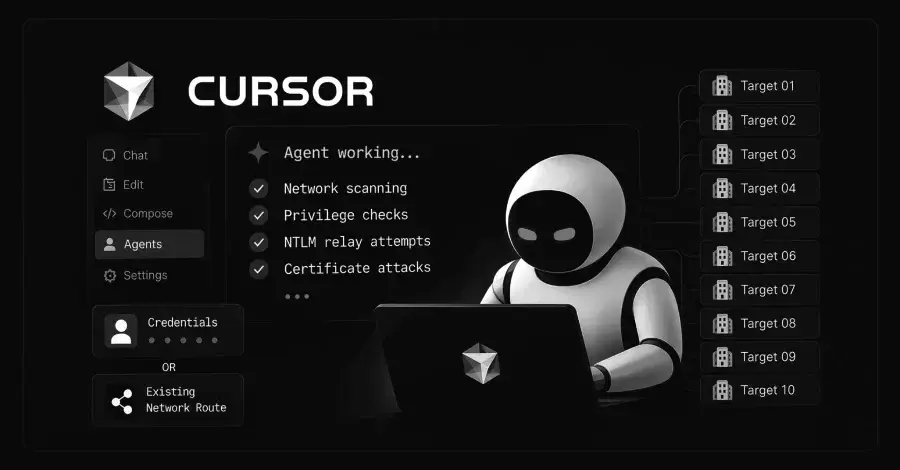
X introduced a hosted Model Context Protocol server that allows AI tools like Claude, Cursor, and Grok Build to connect directly to its API using user permissions. The move eliminates integration overhead for developers and positions X as a real-time data source for AI agents, though concerns about automated spam remain despite pricing changes designed to curb misuse.
Amazon is exploring OpenAI and other options after a renegotiated contract with Anthropic will introduce token-based pricing that could substantially increase costs. The shift threatens Amazon's heavy reliance on Claude AI for internal tools like coding agent Kiro, workplace assistant Quick, and Alexa for Shopping, signaling a deepening rift between the once-inseparable AI partners.
Anthropic's Claude AI models are now generally available in Microsoft Foundry on Azure, powered by NVIDIA GB300 Blackwell Ultra GPUs. This marks Anthropic's first NVIDIA deployment, enabling Azure customers to build autonomous and domain-specific AI agents with enhanced inference performance and reduced costs.
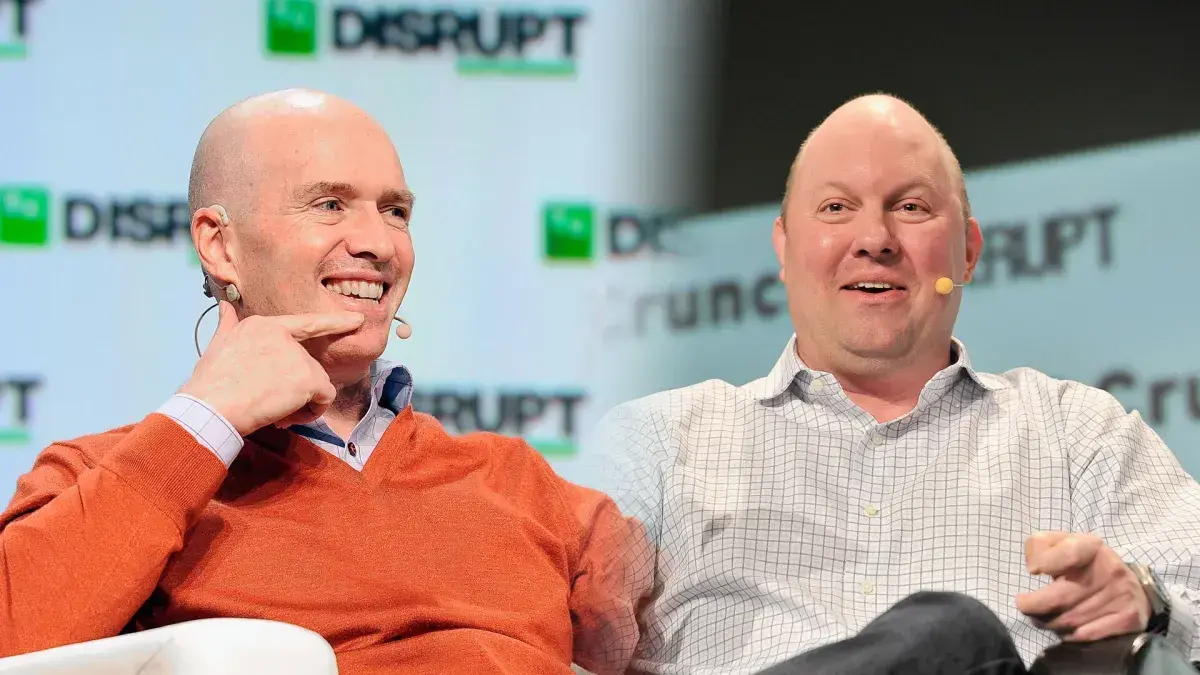
Former Anthropic researchers Behnam Neyshabur and Harsh Mehta have launched Mirendil with $200 million in seed funding at a $1 billion valuation. The startup aims to democratize access to AI that improves AI—technology that major labs currently keep proprietary. Backed by Andreessen Horowitz, Kleiner Perkins, and Nvidia, Mirendil wants to put recursively self-improving AI systems into the hands of independent researchers to accelerate scientific discovery.
Governor Gavin Newsom announced a partnership giving California government agencies 50% discounted access to Anthropic's Claude AI, plus free workforce training and technical support. The California Anthropic deal positions the state as a leader in responsible AI adoption while federal tensions with the company persist over Pentagon contract disputes.
Nobel laureate economist Robert Shiller cautions that widespread anxiety about AI-driven job displacement may become a self-fulfilling prophecy. With only 16% of Americans expecting AI to benefit society and 70% fearing fewer jobs, he argues these negative narratives about AI could trigger an economic downturn independent of actual technological impact.
Advanced AI models are uncovering thousands of previously hidden bugs in open-source code faster than security teams can patch them. The Linux Foundation launched Akrites alongside tech giants to coordinate fixes, while the Athena coalition has already processed over 20,000 findings across 500 projects. With fewer than 5% of AI-discovered vulnerabilities patched and attackers moving quickly, the industry faces a critical race to secure software infrastructure.
The US government has lifted export controls on Anthropic's Mythos and Fable models after weeks of intense negotiations. The restrictions, imposed on June 12, had effectively cut off public access to what many consider the most advanced AI models released to date. Anthropic will begin restoring access on July 1, though the company faces ongoing questions about the erratic nature of AI policymaking under the current administration.
Don’t drown in AI news. We cut through the noise - filtering, ranking and summarizing the most important AI news, breakthroughs and research daily. Follow topics that matter to you and stay ahead.