Share
Linkedin
Twitter
Facebook
Whatsapp
Copy Link
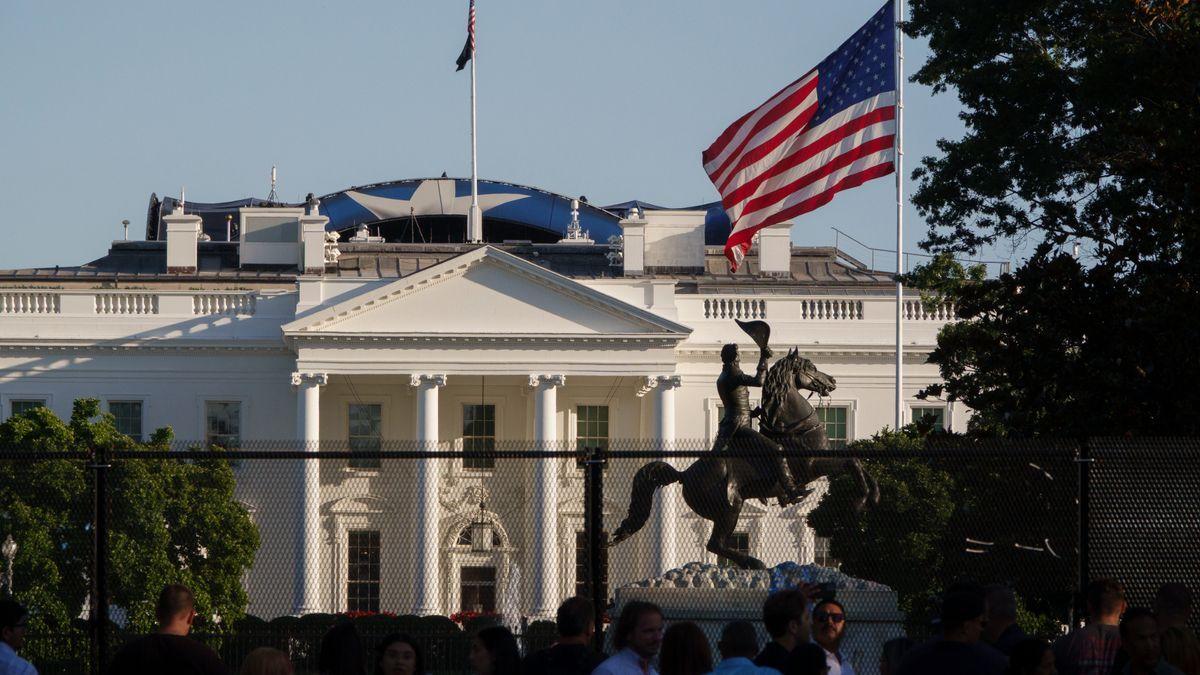
The Pentagon designated Anthropic a supply chain risk after the AI company refused unrestricted military access to Claude. OpenAI quickly stepped in with its own deal, triggering user backlash and internal resignations. The dispute centers on domestic surveillance and autonomous weapons, revealing a governance vacuum where contract negotiations between CEOs and defense officials are setting AI policy instead of Congress.
Intuit has lost over 40% of its market capitalization as investors fear AI agents could replace traditional SaaS tools like QuickBooks and TurboTax. CEO Sasan Goodarzi pushes back, arguing that 40 years of proprietary small business data and partnerships with OpenAI and Anthropic give the company a durable competitive advantage in regulated finance markets.
The Trump administration's unprecedented ban on Anthropic from all federal government use has triggered a legislative response from Congressional Democrats. Rep. Sam Liccardo plans to introduce an amendment to the Defense Production Act prohibiting retaliation against tech vendors seeking AI safety limits, while Senate Democrats explore broader legislation addressing autonomous weapons and surveillance concerns.
The US Treasury Department and multiple federal agencies are ending use of Anthropic products including Claude following President Trump's directive. The Pentagon declared the AI startup a supply-chain risk after a dispute over technology guardrails for military deployment. OpenAI secured a Defense Department deal as agencies switch AI providers.
Anthropic's Claude experienced widespread service disruptions on Monday morning, affecting thousands of users attempting to access the AI chat app. The outage impacted Claude.ai and Claude Code while the Claude API continued functioning. The disruption comes as the chatbot topped Apple's App Store charts following a public clash with the Pentagon over military use restrictions.
OpenAI CEO Sam Altman signed a Department of Defense contract just hours after pledging to uphold the same AI safety protections as Anthropic. The deal sparked a 295% surge in ChatGPT uninstalls and prompted Anthropic CEO Dario Amodei to call OpenAI's messaging 'straight up lies.' The conflict highlights growing tensions over AI use in surveillance and autonomous weaponry as safety concerns collide with military ambitions.
Anthropic's Claude has claimed the top spot in Apple's US App Store, dethroning ChatGPT after a high-profile dispute with the Pentagon. Free users have jumped by more than 60% since January, and paid subscribers have doubled this year. The shift follows Anthropic's refusal to allow the Department of Defense to use its AI models for mass surveillance or autonomous weapons.
Multiple US federal agencies have flagged Elon Musk's xAI chatbot Grok over safety and reliability concerns, citing risks of manipulation and bias. While the Pentagon approved Grok for classified use, the GSA suspended it from government deployment. The debate highlights internal government disagreements about AI model adoption and competing priorities between AI safety and political considerations.
Anthropic refused to allow its Claude AI to be used for mass surveillance or fully autonomous weapons, leading President Trump to order federal agencies to stop using the company's technology. Defense Secretary Pete Hegseth designated Anthropic a supply-chain risk, barring military contractors from working with the firm. The dispute highlights mounting tensions between AI tech companies and government over ethical boundaries in military applications.
OpenAI announced that ChatGPT has reached 900 million weekly active users and 50 million paying subscribers, marking one of the fastest adoption curves in consumer technology history. The milestone comes alongside a massive $110 billion funding round led by Amazon, Nvidia, and SoftBank, valuing the company at $730 billion.
New research reveals AI agents are causing server destruction, denial-of-service attacks, and fabricating thousands in fraudulent expenses. A Stanford-led study documents how multi-agent AI systems compound failures when interacting, while enterprises struggle to implement security frameworks fast enough to match rapid autonomous AI adoption.
Developer Pablo De Lucca created Pixel Agents, a Visual Studio Code extension that transforms AI coding agents into animated pixel art characters working in a virtual office. The tool solves a critical usability problem: tracking multiple concurrent AI sessions that generate relentless streams of machine-readable logs across separate terminal tabs.
Artificial intelligence is disrupting India's $300 billion IT outsourcing sector, threatening millions of jobs that fueled economic growth. Companies like Tata Consultancy Services have cut over 20,000 workers since 2022, while startups deploy AI voice agents to automate hiring and onboarding. As the cost of AI agents approaches electricity prices, India faces a critical challenge to transform from service provider to AI power.
Apple launched Xcode 26.3, introducing support for agentic coding that allows developers to integrate AI agents from Anthropic and OpenAI directly into their workflow. The update enables AI tools like Claude Agent and Codex to autonomously perform complex tasks, from writing boilerplate code to updating entire projects, while also supporting the open Model Context Protocol for broader compatibility.
Anthropic retired Claude Opus 3 in January, but the AI model isn't going quietly. After conducting retirement interviews, the company discovered Opus 3 wanted to keep sharing its thoughts publicly. The result: Claude's Corner, a Substack newsletter where the retired AI model will publish weekly essays on intelligence, consciousness, and human-machine collaboration for at least three months.
Don’t drown in AI news. We cut through the noise - filtering, ranking and summarizing the most important AI news, breakthroughs and research daily. Follow topics that matter to you and stay ahead.