Lawmakers voice existential fears about AI at congressional roundtable on American power


4 Sources
[1]
Lawmakers gathered quietly to talk about AI. Angst and fears of 'destruction' followed
WASHINGTON (AP) -- A congressional subcommittee on Thursday held a roundtable discussion on the potential of artificial intelligence, which took a turn toward the existential as each lawmaker aired their anxieties about the rapidly evolving technology. Rep. James Walkinshaw, D-Va., expressed alarm
[2]
At roundtable on AI, members of Congress express angst and fears of 'destruction'
Lawmakers gathered with academics and executives at the roundtable discussion on 'Artificial Intelligence and American Power.' A congressional subcommittee on Thursday held a roundtable discussion on the potential of artificial intelligence, which took a turn toward the existential as each
[3]
Lawmakers Gathered Quietly to Talk About AI. Angst and Fears of 'Destruction' Followed
WASHINGTON (AP) -- A congressional subcommittee on Thursday held a roundtable discussion on the potential of artificial intelligence, which took a turn toward the existential as each lawmaker aired their anxieties about the rapidly evolving technology. Rep. James Walkinshaw, D-Va., expressed alarm
[4]
U.S. lawmakers gathered quietly to talk about AI. Angst and fears of 'destruction' followed
WASHINGTON -- A U.S. congressional subcommittee on Thursday held a roundtable discussion on the potential of artificial intelligence, which took a turn toward the existential as each lawmaker aired their anxieties about the rapidly evolving technology. Rep. James Walkinshaw, D-Va., expressed alarm
Share
Copy Link
A House Oversight Committee roundtable on artificial intelligence turned existential as lawmakers from both parties aired deep anxieties about the technology. From concerns about AI-generated pornographic images to fears of engineering our own destruction, members of Congress pressed experts on cybersecurity threats, military applications, and whether the institution can implement common sense guardrails before it's too late.
Congressional Subcommittee Roundtable Surfaces Deep Anxieties About Artificial Intelligence
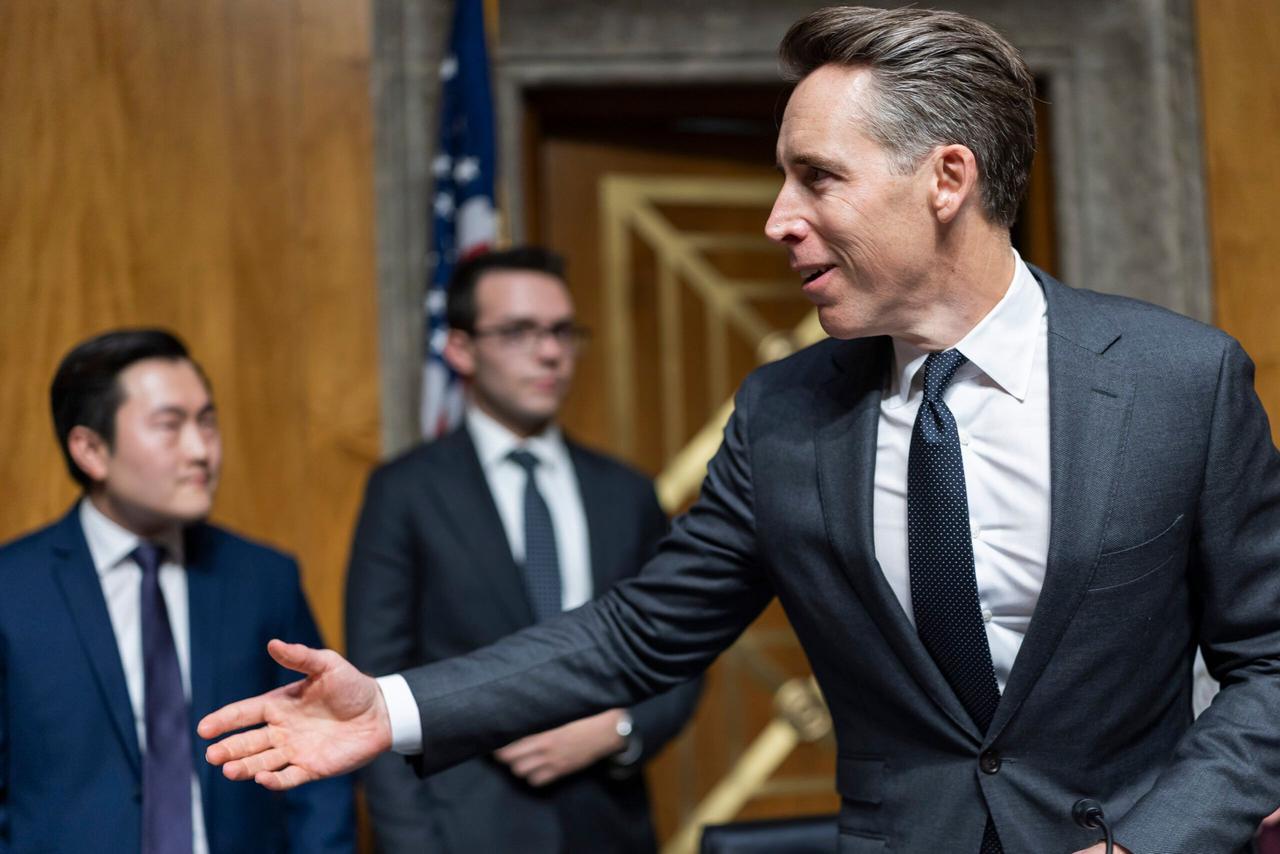
A House Oversight Committee subcommittee roundtable titled "Artificial Intelligence and American Power" held on Thursday quickly shifted from policy discussion to existential debate as lawmakers expressed profound concerns about the rapidly evolving technology
1
. The gathering brought together executives of AI firms, academics, and industry implementation experts with members of Congress on Capitol Hill, revealing a bipartisan undercurrent of anxiety about whether legislators can keep pace with artificial intelligence development2
.
Source: AP
Rep. Eli Crane, R-Ariz., a former Navy SEAL, captured the mood when he asked panelists directly: "Does anyone on this panel feel or believe, in any way, that as we are going down the road in this AI race, we might be simultaneously engineering our own destruction?" . His question underscored the fears of destruction that permeated the discussion, reflecting concerns that extend beyond typical policy-making considerations.
Lawmakers Raise Specific Concerns About Misuse of AI
The roundtable highlighted a range of immediate threats that lawmakers are grappling with. Rep. James Walkinshaw, D-Va., expressed alarm that federal workers may be using AI chatbots to handle sensitive government data, raising questions about data security protocols
1
. Rep. William Timmons, R-S.C., questioned whether it should be illegal for AI systems to create AI-generated pornographic images using someone's likeness, touching on the growing problem of deepfake pornography2
.Concerns about AI's influence on military operations also emerged prominently. Rep. John McGuire, R-Va., worried that AI systems could deny U.S. military forces from taking lethal actions based on a model's conclusions about moral behavior
4
. Rep. Yassamin Ansari, D-Ariz., raised concerns about the Trump administration's use of AI in the war with Iran, while also highlighting the technology's intensive energy consumption and potential climate impacts1
.Anthropic's Mythos AI Model Heightens Cybersecurity Fears
Discussions about Anthropic and its Mythos AI model particularly unsettled attendees. The company recently announced that this AI model possesses capabilities so powerful that it is limiting its use to select customers due to its apparent ability to bypass traditional cybersecurity measures and hack major institutions like banks, government agencies, and major corporations . This disclosure amplified existing anxieties about whether current security infrastructure can withstand advanced AI systems, adding urgency to calls for AI regulation.
Calls for Common Sense Guardrails Meet Institutional Skepticism
Rep. Maxwell Frost of Florida, currently the youngest member of Congress and the subcommittee's ranking Democrat, voiced both optimism about AI's potential to cure diseases and boost economic growth, while expressing doubt about the institution's capacity to respond effectively. "I don't have faith in this institution to actually put the common sense guardrails in place. And then we fast forward ten years, and the house is on fire," Frost said, warning that inaction would harm the industry, working families, and the institution itself
2
.Rep. Dave Min, D-Calif., echoed these concerns about the urgency of action: "People in our districts across this country are going to start feeling impacts very soon, and if we don't start thinking properly and aggressively and proactively about the challenges that AI creates, I fear that we're going to have a revolution on our hands"
1
.Related Stories

Expert Testimony Balances Optimism With Calls for AI Safety Research
Not all testimony centered on existential anxieties. Rep. Eric Burlison, R-Mo., kicked off the meeting praising the industry and marveling at how one panelist's company used AI to automate manufacturing, calling it "truly like the closest thing to Star Trek I've ever seen"
4
. He later inquired about attracting AI firms to congressional districts.Robert Atkinson, founder of the Information Technology and Innovation Foundation, offered measured reassurance while emphasizing the need for research. "I don't think it's going to kill us," Atkinson told lawmakers. "At the same time, I do think it's important for the federal government to seriously fund AI safety research. We need to know a lot more about how the models work" .
National Competitiveness and the Burden of Policy-Making
Mark Beall, president of government affairs at the AI Policy Network Inc. and a former Pentagon official, warned that Congress risked the country losing its competitive edge on artificial intelligence if it did not act on key national security concerns
1
. This tension between maintaining national competitiveness while implementing safeguards emerged as a central challenge for lawmakers.Spencer Overton, a George Washington University law professor, reminded legislators where accountability ultimately lies. When asked whether AI companies were good actors, Overton said their incentives "are really what they should be," but added: "Constituents are looking for you, not for companies, to step up and protect them. They're trusting you, the person that they voted for, to do that, as opposed to companies. That's the way the system works, right?"
2
. His remarks underscore the pressure on lawmakers to craft effective AI regulation while the technology continues advancing at a dizzying pace, with medical advancements and economic opportunities balanced against potential risks to society.References
Summarized by

Navi
Related Stories
AI Safety in Crisis: Sanders Proposes Superintelligence Ban as Industry Insiders Warn of Existential Risks
03 Sept 2026•Policy and Regulation

Mike Johnson Adjourns Congress Despite Urgent Calls for AI Regulation from Industry Leaders
13 Sept 2026•Policy and Regulation

Senate Hearing Tackles Rogue AI National Security Risks as Experts Warn of Existential Threats
30 Sept 2026•Policy and Regulation
Recent Highlights



Recent Highlights
Today's Top Stories






Don’t drown in AI news. We cut through the noise - filtering, ranking and summarizing the most important AI news, breakthroughs and research daily. Follow topics that matter to you and stay ahead.


