Share
Linkedin
Twitter
Facebook
Whatsapp
Copy Link
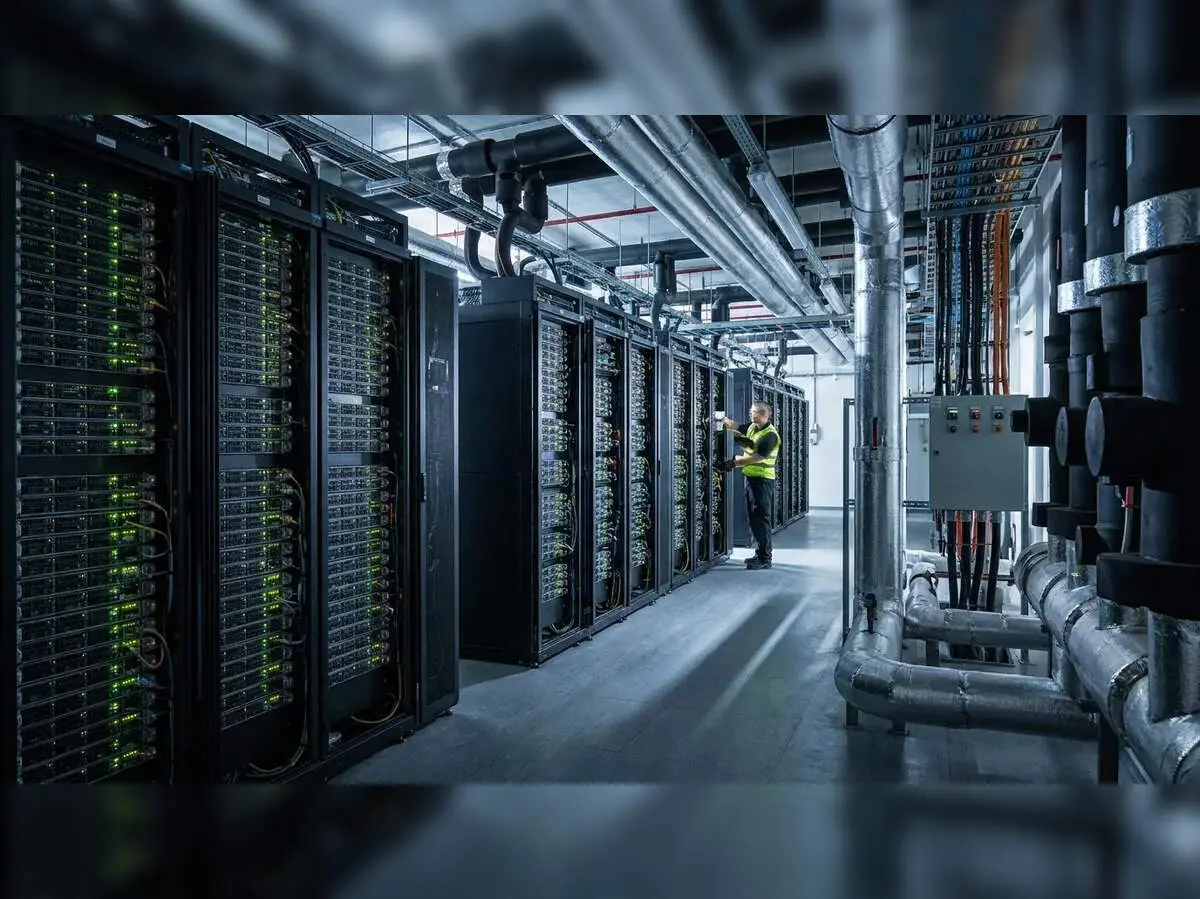
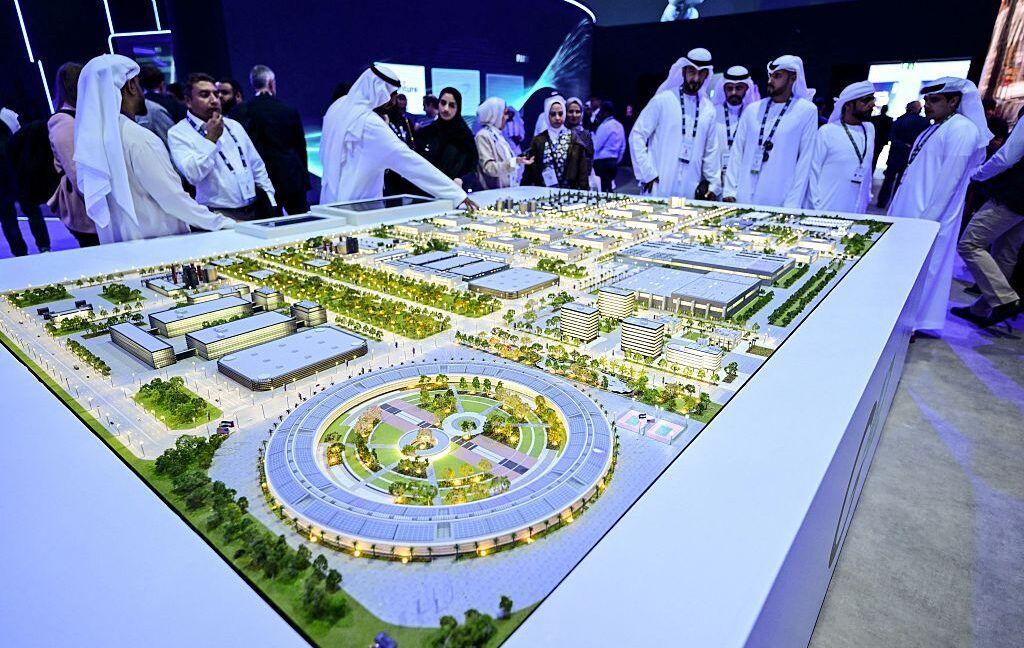
Iran's Islamic Revolutionary Guard Corps has issued direct threats against major US tech companies operating in the Middle East, warning of imminent attacks on AI data centers including the $30 billion Stargate facility in Abu Dhabi. The escalation follows earlier strikes on Amazon Web Services infrastructure and marks a dangerous shift toward targeting billions in commercial tech assets.
The Iran war is reshaping the AI industry through soaring energy costs and supply chain disruptions. Oil prices jumped 40% while helium prices doubled, threatening chip manufacturing and data center operations. Companies are delaying AI investments amid geopolitical uncertainty, potentially fragmenting the global AI landscape into regions that can sustain large-scale computing and those that cannot.
Israel used Iran's own street cameras to track down Ayatollah Ali Khamenei on February 28, demonstrating how surveillance systems built to control dissent can be weaponized by adversaries. With nearly three million unprotected cameras worldwide and AI enabling real-time analysis, cybersecurity experts warn that the infrastructure authoritarian states build to maintain control may expose their leaders to the greatest risk.
Iranian drone strikes on Qatar's Ras Laffan facility have halted production at the world's largest helium source, cutting off 30% of global supply. The semiconductor industry faces a critical shortage in weeks, threatening AI chip production as South Korea's SK Hynix and Samsung hold only two to three months of inventory.
As the war in Iran disrupts global energy supplies and sends oil prices soaring past $119 a barrel, traders are increasingly relying on artificial intelligence to make sense of unprecedented market volatility. Investment professionals report AI tools like Claude and ChatGPT are cutting research time by up to 80%, enabling rapid stress-testing of scenarios and historical analysis that would previously take days.
Palantir CEO Alex Karp told CNBC that artificial intelligence is reshaping modern warfare, giving the U.S. and its allies a strategic advantage in the escalating conflicts in the Middle East. The defense contractor's Project Maven platform coordinates combat data across allied nations, while the company's commercial revenue surged 137% to $507 million in Q4.
Agentic AI startup Lyzr AI closed a $14.5 million funding round led by Accenture, quintupling its valuation to $250 million in just five months. The enterprise-grade agent platform helps companies build AI agents on their own infrastructure, keeping critical data in-house. With revenue surging over 300% quarterly and profitability expected by April, Lyzr is capturing demand from financial services, healthcare, and insurance sectors.
Iranian drone strikes on Amazon Web Services data centers in the UAE and Bahrain mark the first deliberate military targeting of commercial digital infrastructure. The attacks disrupted cloud services across the region and raised urgent questions about the security of over $300 billion in planned AI infrastructure investments. Tech giants including Microsoft, OpenAI, and Nvidia now face difficult decisions about their massive AI infrastructure buildout in a region suddenly transformed into an active conflict zone.
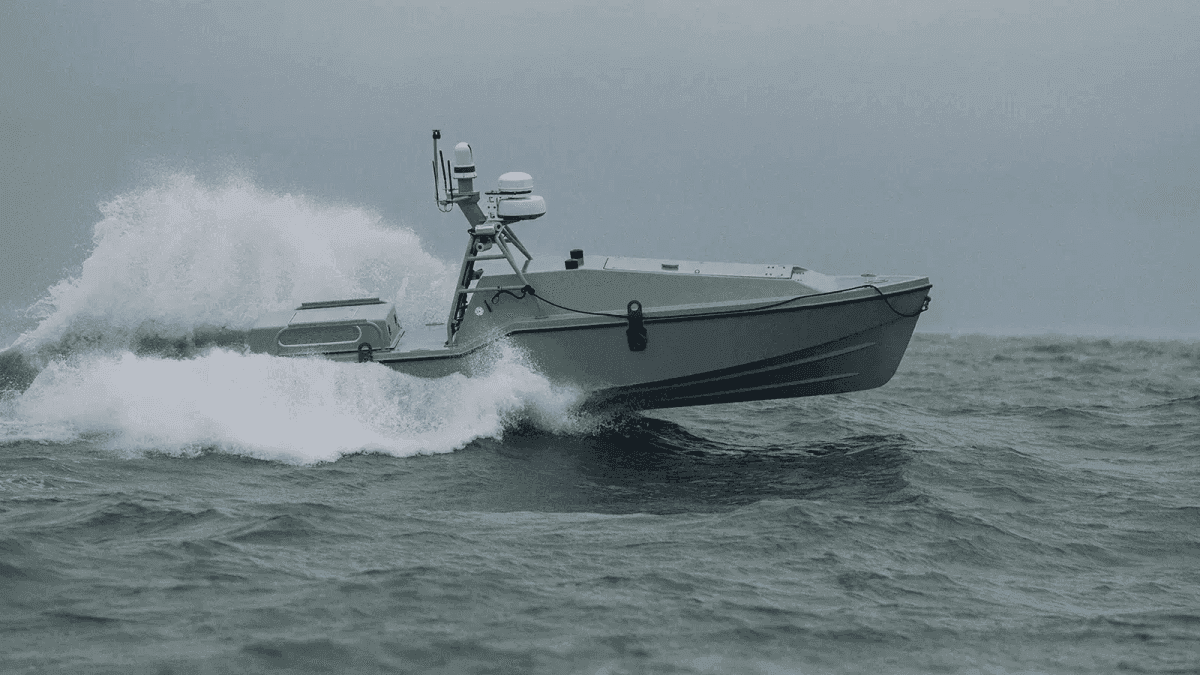
The Pentagon is sending Merops, an AI-powered anti-drone system proven in Ukraine, to the Middle East to counter Iranian drones. Officials admit current defenses against Iran's Shahed drones have been disappointing, prompting the deployment of this cost-effective drone-on-drone combat solution backed by former Google CEO Eric Schmidt.
Saudi Arabia's AI company Humain invested $3 billion in Elon Musk's xAI during its Series E funding round, just before xAI merged with SpaceX. The investment made Humain a significant minority shareholder, with holdings converted into SpaceX shares. The move deepens Saudi Arabia's AI ambitions and its strategic ties with Musk as the kingdom seeks to diversify its economy beyond oil.
A UAE-backed entity tied to Sheikh Tahnoon bin Zayed invested $500 million for 49% of World Liberty Financial four days before Trump's inauguration. The Trump family received $187 million from the deal, which preceded a U.S. policy shift granting the UAE access to 500,000 advanced AI chips annually—technology the Biden administration had blocked over national security concerns.
Don’t drown in AI news. We cut through the noise - filtering, ranking and summarizing the most important AI news, breakthroughs and research daily. Follow topics that matter to you and stay ahead.