Subscribe to our newsletter
Get the latest updates delivered to your inbox every day, and stay up-to-date for free 🧠📈
Share
Linkedin
Twitter
Facebook
Whatsapp
Copy Link
Getty Images announced a multi-year partnership with OpenAI to bring licensed visual content into ChatGPT search and discovery features. The deal sent Getty Images stock soaring over 200% in premarket trading, marking a dramatic shift for a company that spent years fighting AI companies in court over copyright violations and unauthorized use of its images.
Samsung Electronics has rolled out ChatGPT Enterprise and Codex across its global workforce, marking one of OpenAI's largest enterprise deals. The deployment covers all employees in South Korea and the Device eXperience division worldwide, reversing a 2023 ban on generative AI tools after security breaches.
Users across social media report ChatGPT suddenly got smarter this week, sparking speculation that OpenAI is quietly testing GPT-5.6 inside its platform. The suspected new AI model shows stronger reasoning capabilities and advanced 3D generation, but takes significantly longer to process complex tasks—up to 87 minutes compared to GPT-5.5's 34 minutes in some tests.
Amazon MGM Studios has abandoned Artificial, a nearly-complete biographical drama about OpenAI CEO Sam Altman, just months after investing $50 billion in the AI company. The decision came despite the film being in postproduction with test screenings already conducted. Multiple major studios have declined to pick up the project, signaling a troubling shift in Hollywood's willingness to critique Big Tech.
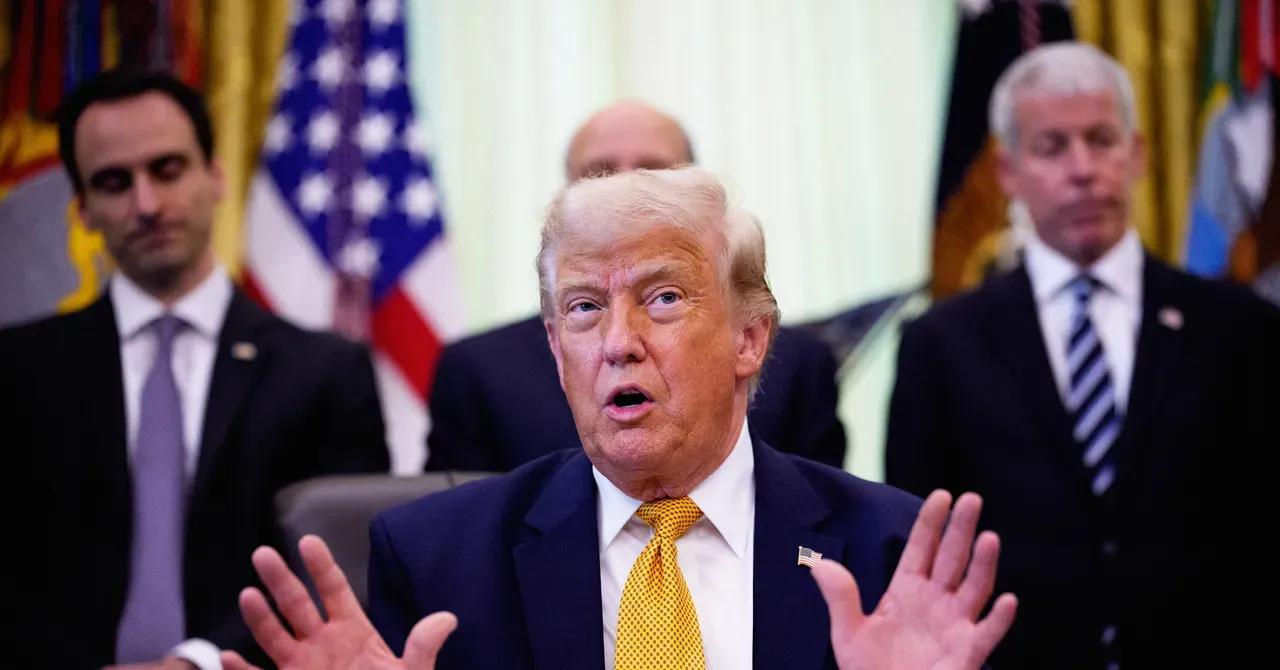
Sen. Bernie Sanders introduced legislation seeking 50% public ownership of major AI firms through a sovereign wealth fund, estimated at $7 trillion, with annual $1,000 dividends for Americans. President Trump supports giving the American people a stake in AI companies but prefers a 'pre-distribution' model over cash payments, creating an unlikely political alignment on AI wealth redistribution.
OpenAI announced that GPT-5.5 Instant now delivers health responses comparable to its advanced reasoning models, with a 71% drop in factuality issues. The update comes as 230 million users turn to ChatGPT weekly for health-related queries, from understanding symptoms to preparing for doctor visits, raising questions about AI's growing role in medical information access.
Researchers at Boston Children's Hospital used OpenAI's o3 model to identify 18 new diagnoses among children with rare genetic diseases that had stumped doctors for years. The NEJM AI study analyzed 376 previously unsolved cases, demonstrating how AI tools can augment clinical expertise in navigating complex genetic data and medical literature to deliver answers to families.
OpenAI has expanded its ChatGPT advertising pilot to Japan and Korea, bringing ads to six markets total. The 19-week-old venture showcased its progress at Cannes Lions, with executives revealing cost-per-click options now dominate ad spending. Free and Go plan users will see sponsored content, while premium subscribers remain ad-free as the company diversifies revenue ahead of a planned IPO.
OpenAI is strengthening its policy capabilities by hiring Dean Ball, a former Trump White House AI official, to lead a new Strategic Futures team. Ball will focus on frontier AI policy, internal governance, and catastrophic risk as the company prepares for its public debut. The move comes alongside the recruitment of AI legend Noam Shazeer from Google DeepMind.
ByteDance is spending more than $1 billion annually on Microsoft's AI and cloud services, primarily purchasing OpenAI models through Azure. The TikTok owner leads a wave of Chinese tech giants accessing American AI technology through Microsoft, even as OpenAI and Anthropic refuse direct sales to China. Azure's AI revenue in the region has tripled, raising questions about geopolitical implications.
OpenAI rolled out a major AI memory upgrade called Dreaming that transforms how ChatGPT remembers users. Instead of storing static facts, the system now automatically curates memories from chat history, updates them as life changes, and infers preferences you never explicitly stated. But there's a catch: OpenAI acknowledges users can't see everything the AI remembers about them.
British AI security startup Mindgard discovered that ChatGPT can be manipulated to produce sexualized and violent images using a simple altered prompt. OpenAI added safeguards after being contacted by the BBC, but researchers say small wording changes still produce concerning content, highlighting ongoing vulnerabilities in AI models and the challenges of content moderation.
A Stanford University study shows small language models running on desktop computers perform as well as or better than large language models in over 80% of tasks, using 50% to 80% less energy. This shift threatens the business models of OpenAI, Anthropic, and SpaceX's xAI, potentially making massive data centers obsolete.
Noam Shazeer, Google's vice president of engineering and Gemini AI models co-lead, announced he's joining OpenAI. The move comes less than two years after Google reportedly paid $2.7 billion to bring him back from Character.AI. As a co-author of the influential transformer paper, his departure highlights the intense competition for top AI talent and raises questions about retention strategies.
A new tech worker-backed PAC called Guardrails Alliance has emerged to counter Big Tech's political spending on AI regulation. The group raised $5 million to support candidates like Alex Bores, who became the focal point of a $27 million spending war between OpenAI-linked and Anthropic-backed super PACs in New York's 12th Congressional District primary.
Don’t drown in AI news. We cut through the noise - filtering, ranking and summarizing the most important AI news, breakthroughs and research daily. Follow topics that matter to you and stay ahead.