Share
Linkedin
Twitter
Facebook
Whatsapp
Copy Link
New research shows that heavy reliance on AI writing tools fundamentally changes both the style and substance of human expression. Users who depend on large language models produce significantly more neutral, impersonal prose—with 50% fewer pronouns and 69% more bland responses—raising urgent questions about creativity and individual voice in an AI-saturated world.
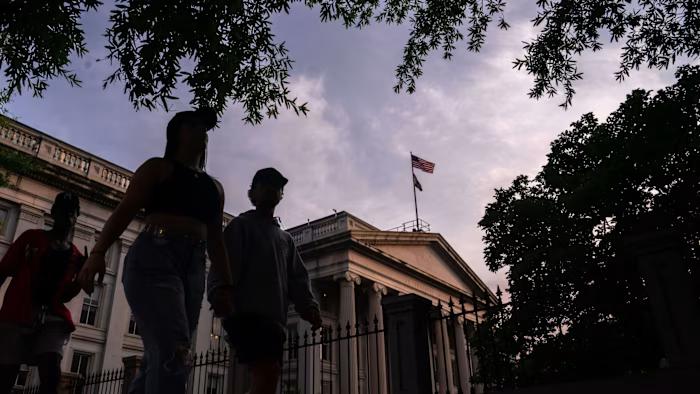
OpenAI has partnered with Amazon Web Services to provide AI products to multiple US government agencies for classified and unclassified work. The deal positions OpenAI to compete directly with Anthropic, which was recently designated a supply chain risk by the Defense Department after refusing to allow its technology for mass surveillance and autonomous weapons.
Elon Musk announced any proceeds from his lawsuit against OpenAI will be donated to charity, emphasizing he won't enrich himself. The trial, starting April 28, accuses OpenAI of abandoning its non-profit mission after Musk contributed over $40 million. He's seeking up to $134 billion in damages from OpenAI and Microsoft, alleging they prioritized profits over developing AI for humanity's benefit.
OpenAI is developing a desktop superapp that will combine ChatGPT, Codex, and Atlas browser into a single platform. The move addresses growing product fragmentation and aims to improve user experience while strengthening the company's competitive position against rivals like Anthropic.
Nvidia introduced the Groq 3 LPU at GTC 2026, a specialized chip designed to accelerate AI inference using SRAM memory instead of traditional HBM. The chip stems from Nvidia's $20 billion acquisition of Groq's intellectual property and promises to deliver faster token generation for chatbots and AI agents through 256-chip LPX rack systems paired with Rubin GPUs.
Encyclopedia Britannica and Merriam-Webster have filed a lawsuit against OpenAI, alleging the AI company scraped nearly 100,000 copyrighted articles without permission to train its large language models. The publishers claim ChatGPT generates verbatim reproductions of their content, cannibalizes web traffic, and falsely attributes AI-generated hallucinations to Britannica, threatening the public's access to trustworthy information.
OpenAI is in advanced talks with TPG Inc., Bain Capital, and other private equity firms to form a $10 billion joint venture focused on enterprise AI products. The ChatGPT maker is offering a guaranteed 17.5% minimum return and early access to new models as it battles Anthropic for dominance in the lucrative enterprise market.
OpenAI plans to launch text-based adult mode for ChatGPT despite unanimous warnings from its wellness council about creating a 'sexy suicide coach' for vulnerable users. Advisors raised concerns about emotional dependency, faulty age verification affecting 12% of minors, and user safety as the company faces pressure to boost stalled subscription rates.
Australian tech entrepreneur Paul Conyngham used ChatGPT and other AI tools to help create what may be the first bespoke cancer vaccine for a dog. His Staffordshire bull terrier mix Rosie showed tumor shrinkage after receiving the personalized mRNA vaccine. But experts warn the viral story oversimplifies AI's role—human researchers designed and manufactured the treatment, while chatbots primarily assisted with literature searches and data interpretation.
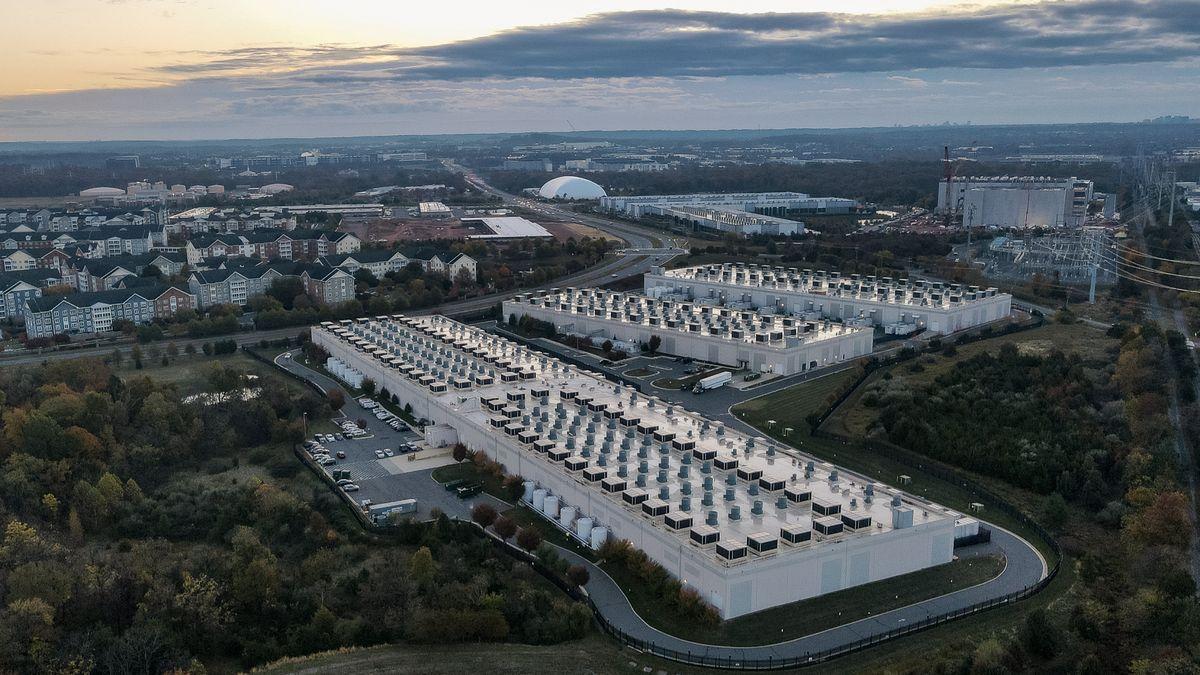
A recent survey reveals 39% of Americans believe AI data centers harm the environment, while 38% cite rising home energy costs as a concern. Despite these worries, many still acknowledge potential benefits like local jobs and tax revenue. The backlash has sparked rare bipartisanship, with over 300 bills proposed this year to regulate data center construction and consumption.
Nvidia, AMD, Broadcom, Meta, Microsoft, and OpenAI have formed the Optical Compute Interconnect Multi-Source Agreement (OCI MSA) to standardize optical interconnections for AI data centers. The alliance aims to break through copper's physical limitations by developing an open specification that enables data rates up to 3.2Tbps and beyond, addressing the critical bandwidth and power challenges facing large-scale AI deployments.
The AI industry faces a critical bottleneck as data centers consume electricity at unprecedented rates, with projections showing demand doubling by 2030. Tech giants are investing $600 billion in AI infrastructure while researchers argue smaller, specialized models could deliver similar results using orders of magnitude less energy.
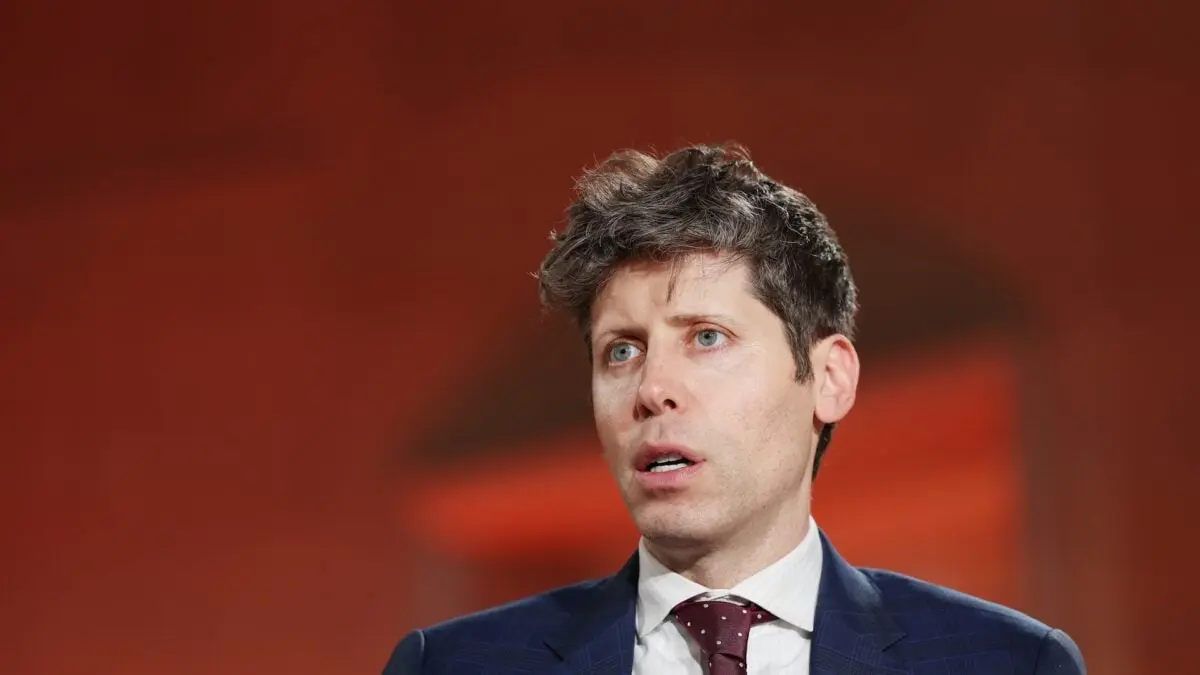
OpenAI CEO Sam Altman outlined his vision for artificial intelligence becoming a utility like electricity or water at BlackRock's U.S. Infrastructure Summit. Users would pay based on computing power consumed, he explained. But his comments raise concerns about energy costs, infrastructure financing, and potential government subsidies for AI expansion.
Publicly traded blockchain and AI firm Eightco raised $125 million from BitMine, Ark Invest, and Kraken's parent company Payward. BitMine Chairman Tom Lee joins the board as Eightco announces strategic investments in OpenAI and Beast Industries. ORBS stock jumped 12% on the news despite broader market challenges.
OpenAI CEO Sam Altman says AI is facing growing public skepticism in the United States, with data centers blamed for electricity price hikes and companies citing AI for layoffs whether or not it's truly responsible. Recent polls show 57% of voters believe AI's risks outweigh its benefits, raising concerns about America's competitive edge in global AI development.
Don’t drown in AI news. We cut through the noise - filtering, ranking and summarizing the most important AI news, breakthroughs and research daily. Follow topics that matter to you and stay ahead.