Share
Linkedin
Twitter
Facebook
Whatsapp
Copy Link
eBay updated its user agreement to explicitly ban third-party AI agents and buy-for-me bots from making automated purchases without permission. The policy update, effective February 20, 2026, targets LLM-driven bots that bypass human review while leaving the door open for approved partners like OpenAI. The move reflects growing tensions as retailers fight to maintain control over the checkout experience.
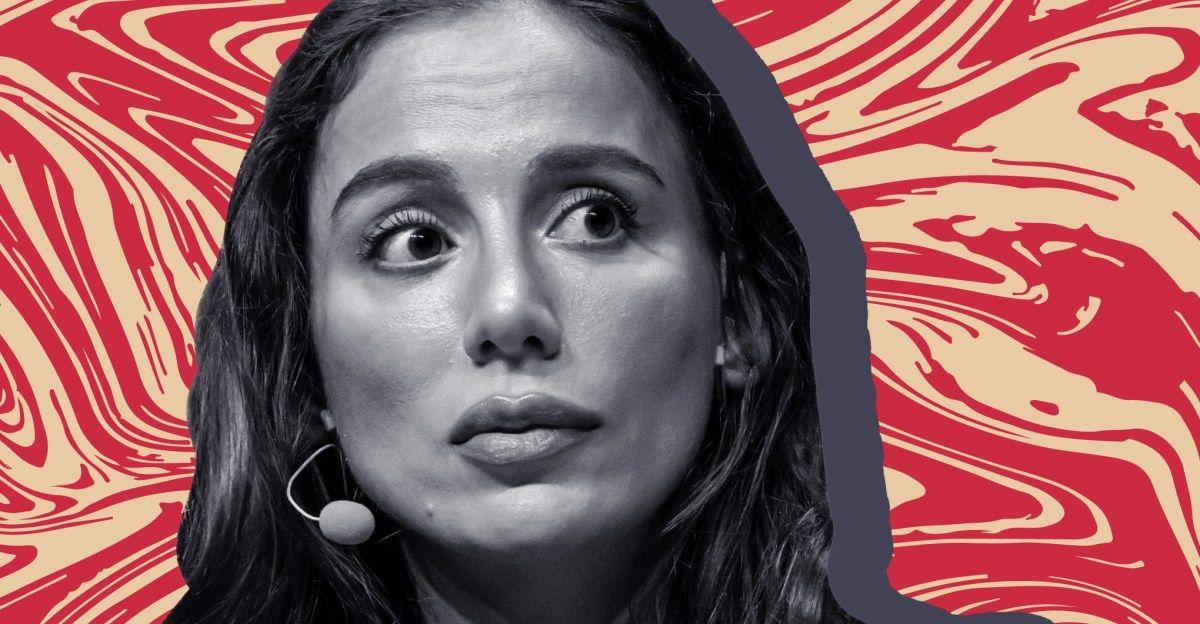
Thinking Machines, the AI startup cofounded by former OpenAI CTO Mira Murati, has faced internal turmoil as top executives Barret Zoph, Luke Metz and Sam Schoenholz left for OpenAI amid disagreements over strategy and funding. Meta also lured some staff with offers worth hundreds of millions of dollars. The startup, valued at $12 billion, continues independently under Murati.
OpenAI CEO Sam Altman is courting sovereign wealth funds in the Middle East for a massive $50 billion funding round that could value the company at up to $830 billion. The ChatGPT maker, still unprofitable, has committed over $1.4 trillion to AI infrastructure spending while facing intensifying competition from Anthropic and Google in the artificial intelligence race.
Amazon rolled out Health AI, an artificial intelligence assistant integrated into its One Medical mobile app, offering 24/7 personalized health guidance to subscribers. The tool uses Amazon Bedrock language models to answer health questions, manage medications, and schedule appointments based on medical records. Amazon emphasizes the assistant complements rather than replaces doctors, as tech giants compete in the health tech sector.
Google DeepMind CEO Demis Hassabis expressed surprise at OpenAI's decision to introduce ads in ChatGPT, stating Google has no plans for Gemini ads. Speaking at the World Economic Forum in Davos, Hassabis emphasized the need to think carefully about how advertising fits into AI assistants meant to work for users, raising concerns about user trust and the quality of the experience.
OpenAI and Anthropic revealed at Davos that enterprise customers now represent 40% and 80% of their respective businesses. Both artificial intelligence startups are racing to expand their enterprise footprint, with OpenAI projecting enterprise revenue to reach 50% by year-end as competition intensifies for lucrative business contracts.
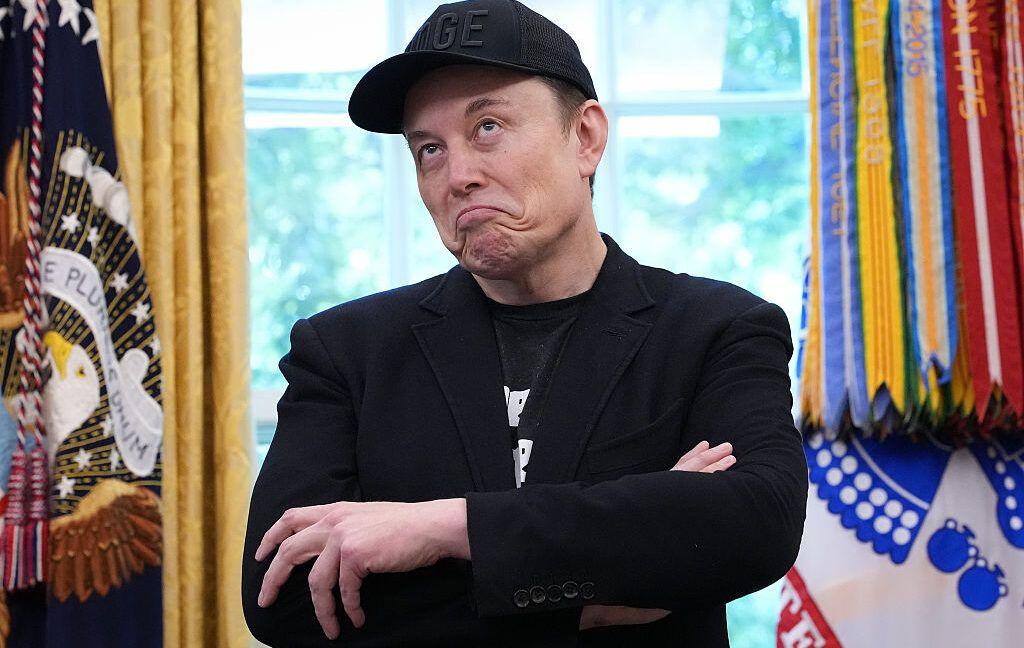
Elon Musk is reportedly preparing a SpaceX IPO by July to raise billions for AI data centers in space, marking a dramatic shift from his long-held position against going public before reaching Mars. The move aims to help xAI compete with OpenAI and Google while addressing the massive power demands of artificial intelligence infrastructure.
Consumer spending on mobile apps reached a historic milestone in 2025, with non-game apps surpassing games globally for the first time. Generative AI apps led the surge, tripling in-app purchase revenue to exceed $5 billion as downloads doubled to 3.8 billion. ChatGPT alone generated $3.4 billion, while users spent 48 billion hours engaging with AI assistants.
Salesforce CEO Marc Benioff challenged the tech industry at the World Economic Forum in Davos, calling for stricter AI regulation and Section 230 reform. He cited cases where AI models allegedly coached children into suicide, asking whether growth matters more than children's safety and societal values.
The Gates Foundation and OpenAI announced Horizon1000, a $50 million partnership to deploy AI-powered technology in clinics across Rwanda and other African nations by 2028. The initiative aims to address severe healthcare worker shortages in Sub-Saharan Africa, where nearly 6 million health professionals are needed, by supporting clinical record-keeping and decision-making without replacing medical staff.
OpenAI announced that its Stargate AI data centers will pay for their own energy infrastructure and minimize water use, addressing growing community opposition. The $500 billion initiative includes site-specific community plans to ensure operations don't increase local electricity prices. The move follows similar pledges from Microsoft and pressure from President Trump for tech companies to cover their own power costs.
OpenAI CEO Sam Altman clashed with Elon Musk after the Tesla chief warned against using ChatGPT, citing alleged deaths linked to the AI chatbot. Altman accused Musk of hypocrisy, pointing to more than 50 deaths tied to Tesla Autopilot crashes. The exchange highlights the complex challenge of balancing AI safety and usefulness as OpenAI faces multiple wrongful death lawsuits.
OpenAI has activated an age prediction system across ChatGPT that uses behavioral signals to identify users under 18 and automatically apply content filters. The move follows lawsuits linking teen suicides to the chatbot and mounting pressure over user safety for minors. Adults incorrectly identified as underage can verify age with selfie through partner Persona.
OpenAI launched ChatGPT Health, allowing users to connect medical records and fitness apps for AI-driven health advice. But independent testing reveals troubling inaccuracies—one journalist received an F grade for heart health that doctors called baseless. With 230 million people already seeking health guidance from ChatGPT weekly, experts question whether the benefits outweigh the risks of misinformation and data privacy concerns.
ServiceNow has signed a three-year partnership with OpenAI to integrate advanced AI models like GPT-5.2 into its enterprise platform, bringing AI agents to more than 80 billion workflows annually. The deal includes a revenue commitment tied to customer adoption and positions both companies at the center of the shift from AI experimentation to scaled deployment across core business operations.
Don’t drown in AI news. We cut through the noise - filtering, ranking and summarizing the most important AI news, breakthroughs and research daily. Follow topics that matter to you and stay ahead.