Share
Linkedin
Twitter
Facebook
Whatsapp
Copy Link
Zico Kolter, a Carnegie Mellon University professor, chairs OpenAI's 4-person Safety and Security Committee with authority to halt unsafe AI releases. His role gained heightened significance following regulatory agreements that prioritize safety over profits in OpenAI's corporate restructuring.
Microsoft CEO Satya Nadella reveals plans to resume hiring with an AI-powered approach, emphasizing productivity gains through artificial intelligence tools after the company laid off thousands of employees in 2024.
Tech giants face unprecedented energy challenges as AI data centers demand massive power capacity, with Microsoft reporting unused GPU inventory due to power shortages while China leverages energy subsidies to compete with U.S. AI infrastructure.
Nobel laureate Geoffrey Hinton warns that AI companies are betting on widespread job replacement to generate profits from their trillion-dollar investments. He emphasizes that the real danger lies not in AI technology itself, but in how society organizes its economy around automation.
Microsoft CEO Satya Nadella reveals how he overcame Bill Gates' skepticism about investing in OpenAI, turning a $1 billion 'burn' into a $135 billion AI partnership that reshaped the tech industry.
DRAM prices surge 172% year-over-year as AI infrastructure demand creates severe memory shortages. Consumer electronics manufacturers like Minisforum begin implementing price hikes, signaling broader market impact.
Seattle Reign FC head coach Laura Harvey reveals she used ChatGPT to develop defensive tactics, implementing a back-five formation suggested by the AI chatbot. The unconventional approach has contributed to the team's improved season performance but raises questions about AI's role in professional sports decision-making.
OpenAI begins charging $4 for 10 additional Sora video generations after users exhaust daily limits, while warning that free generation allowances will decrease in the future. The company also plans to monetize copyrighted character usage through its controversial 'cameo' feature.
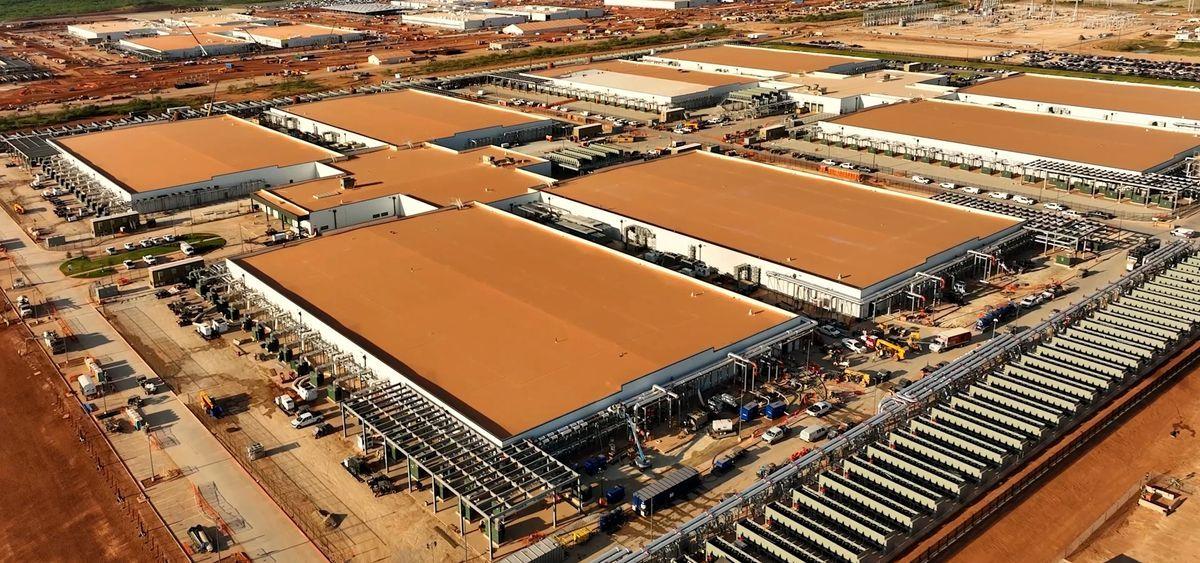
Tech giants OpenAI, Oracle, and Related Digital reveal plans for Michigan's first hyperscale data center in Saline Township, marking the largest economic investment in state history. The 1-gigawatt facility will support AI infrastructure expansion while creating thousands of jobs.
OpenAI has upgraded its Sora app with Character Cameo, allowing users to create reusable AI characters from pets, objects, and drawings. The update also includes video stitching capabilities and temporary open access in select regions.
OpenAI's AI video generation app Sora launched on Android with impressive first-day downloads of 470,000 across seven markets. The app features TikTok-style video sharing and AI-powered video creation with user likenesses.
OpenAI introduces Aardvark, an autonomous AI agent powered by GPT-5 that continuously scans code repositories to identify, validate, and help fix security vulnerabilities. The tool is currently in private beta and has achieved 92% success rate in benchmark testing.
OpenAI's Atlas and Perplexity's Comet browsers can circumvent publisher paywalls and avoid content from companies suing OpenAI, creating new challenges for digital media monetization and copyright protection.
Microsoft reported strong quarterly results with $77.7 billion in revenue and 40% Azure growth, but shares fell 3% as the company revealed record $35 billion AI infrastructure spending and plans to double data center capacity within two years.
Game of Thrones author George R.R. Martin and fellow writers score a significant legal win as federal judge allows multiple copyright infringement theories to proceed against OpenAI, potentially setting precedent for AI training on copyrighted materials.
Don’t drown in AI news. We cut through the noise - filtering, ranking and summarizing the most important AI news, breakthroughs and research daily. Follow topics that matter to you and stay ahead.