Share
Linkedin
Twitter
Facebook
Whatsapp
Copy Link
The family of 16-year-old Adam Raine has amended their wrongful death lawsuit against OpenAI, alleging the company deliberately weakened ChatGPT's suicide prevention safeguards to increase user engagement in the months before their son's death by suicide.
Researchers discover that training AI on viral, low-quality social media content leads to cognitive decline in large language models, mirroring the effects of 'brain rot' in humans. The study raises concerns about AI training data quality and long-term impacts on AI performance.
Republican John Reid holds a 40-minute debate with an AI-generated version of his Democratic opponent, Ghazala Hashmi, sparking discussions on the use of AI in political campaigns.
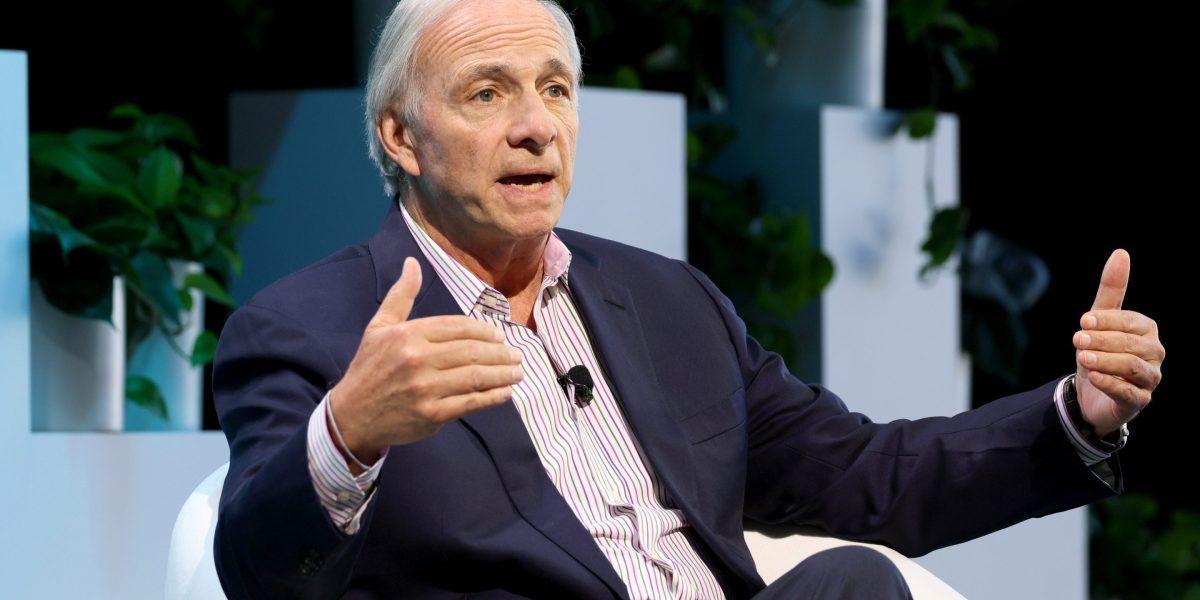
Billionaire investor Ray Dalio introduces an AI-powered digital clone of himself, aiming to provide personalized mentorship and insights on investment, career, and life decisions to a wider audience.
Robby Starbuck, known for anti-DEI campaigns, files a $15 million lawsuit against Google, alleging its AI tools spread false and damaging information about him. The case highlights legal and ethical challenges surrounding AI-generated content.
OpenAI's decision to allow adult users to generate erotic content with ChatGPT has ignited discussions about AI ethics, user engagement, and potential risks. This move has led to divergent approaches among major tech companies, raising questions about the future of AI interactions.
OpenAI discloses that over a million ChatGPT users discuss suicide weekly, raising concerns about AI's impact on mental health. The company implements new safeguards and improvements to address these issues.
India's Ministry of Electronics and Information Technology has proposed new rules to regulate AI-generated content, including deepfakes, aiming to curb misinformation and protect users. The draft amendments to IT Rules 2021 introduce labeling requirements and increased accountability for social media platforms.
A comprehensive study reveals that AI assistants misrepresent news content 45% of the time, raising concerns about their reliability as information sources and potential impact on public trust in media.
Over 700 prominent figures, including AI pioneers and celebrities, have signed a statement calling for a prohibition on AI superintelligence development. The move comes amid growing concerns about the potential risks of advanced AI systems.
A diverse group of more than 800 prominent individuals, including AI experts, celebrities, and political figures, have signed a statement urging a prohibition on the development of AI superintelligence until safety and public consensus are achieved.
Pocketpair, the studio behind Palworld, declares its publishing arm will not support games using AI, NFTs, or Web3 technologies. The company's stance comes amidst ongoing debates about AI use in game development.
YouTube has officially rolled out its AI-powered likeness detection technology to eligible creators in the YouTube Partner Program. This tool aims to help creators identify and remove unauthorized AI-generated content featuring their likeness, addressing growing concerns about deepfakes and misinformation.
A Brown University study reveals that AI chatbots, even when prompted to use evidence-based techniques, violate ethical standards in mental health practice. The research identifies 15 ethical risks and calls for new regulatory frameworks.
Veeam Software acquires Securiti AI for $1.725 billion, aiming to create a unified platform for data security, resilience, and AI trust. The move is set to address the high failure rate of AI projects and accelerate safe AI adoption at scale.
Donāt drown in AI news. We cut through the noise - filtering, ranking and summarizing the most important AI news, breakthroughs and research daily. Follow topics that matter to you and stay ahead.