Subscribe to our newsletter
Get the latest updates delivered to your inbox every day, and stay up-to-date for free π§ π
Donβt drown in AI news. We cut through the noise - filtering, ranking and summarizing the most important AI news, breakthroughs and research daily. Follow topics that matter to you and stay ahead.
Category
Year
Month
15 May 2026
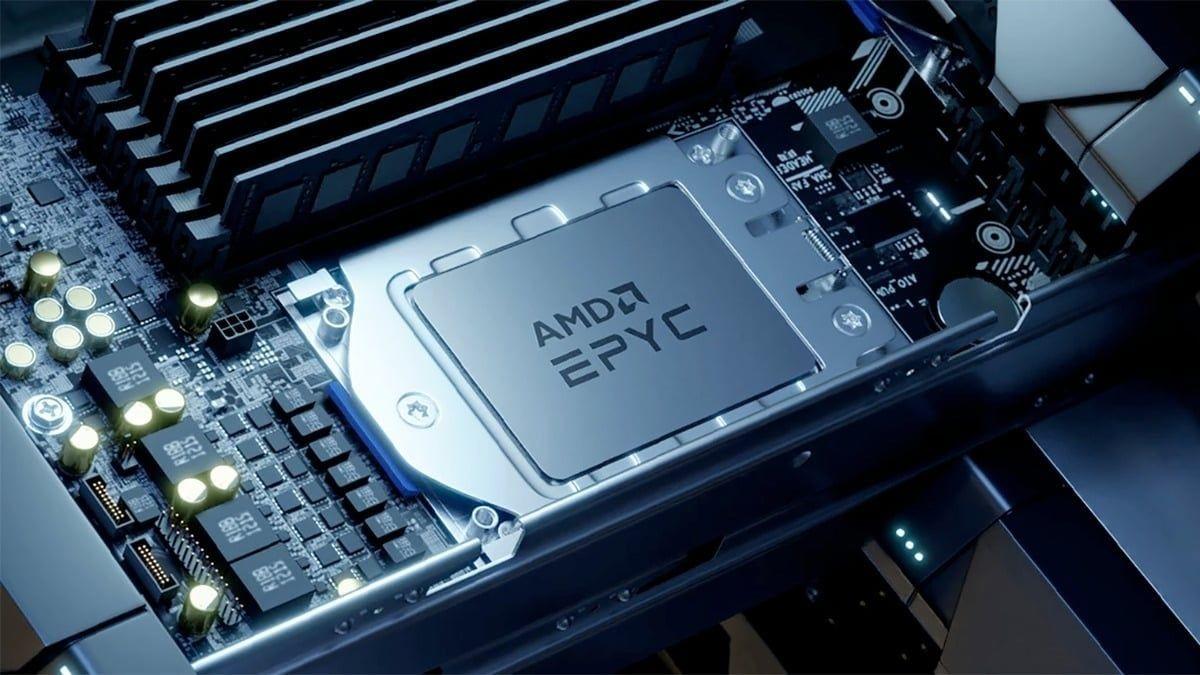
AMD EPYC server processors achieved a historic 46.2% revenue share in the server CPU market during Q1 2026, marking an all-time high for the company. The surge was driven by explosive AI and data center demand, with AMD's data center segment generating $5.8 billion of its $10.3 billion total revenue. Meanwhile, Intel's market position weakened as AMD sold out every EPYC processor it manufactured.
2 Sources
14 May 2026
OpenAI is considering legal action against Apple after their ChatGPT integration into iPhones failed to deliver the billions in subscriptions the AI firm anticipated. Sources say OpenAI feels Apple intentionally buried the features and designed a poor user experience. The strained partnership highlights how difficult Apple can be as a partner, with the iPhone maker now turning to Google Gemini and Anthropic's Claude for AI features.
16 Sources
POET Technologies announced a $400 million registered direct offering alongside a major $50 million initial purchase order from Lumilens for optical engines. The photonic integration company reported first-quarter revenue of $503,389, triple the prior year, but losses widened to $12.3 million. The capital will fund manufacturing expansion and acquisitions as POET positions itself within the rapidly growing AI networking infrastructure market.
4 Sources
Blackstone Digital Infrastructure Trust raised $1.75 billion through its IPO, marking the largest-ever blind-pool REIT offering. The real estate investment trust will acquire data centers valued between $250 million and $1.5 billion, leased to hyperscalers. The move reflects strong investor appetite for AI infrastructure as Big Tech spending approaches $700 billion this year.
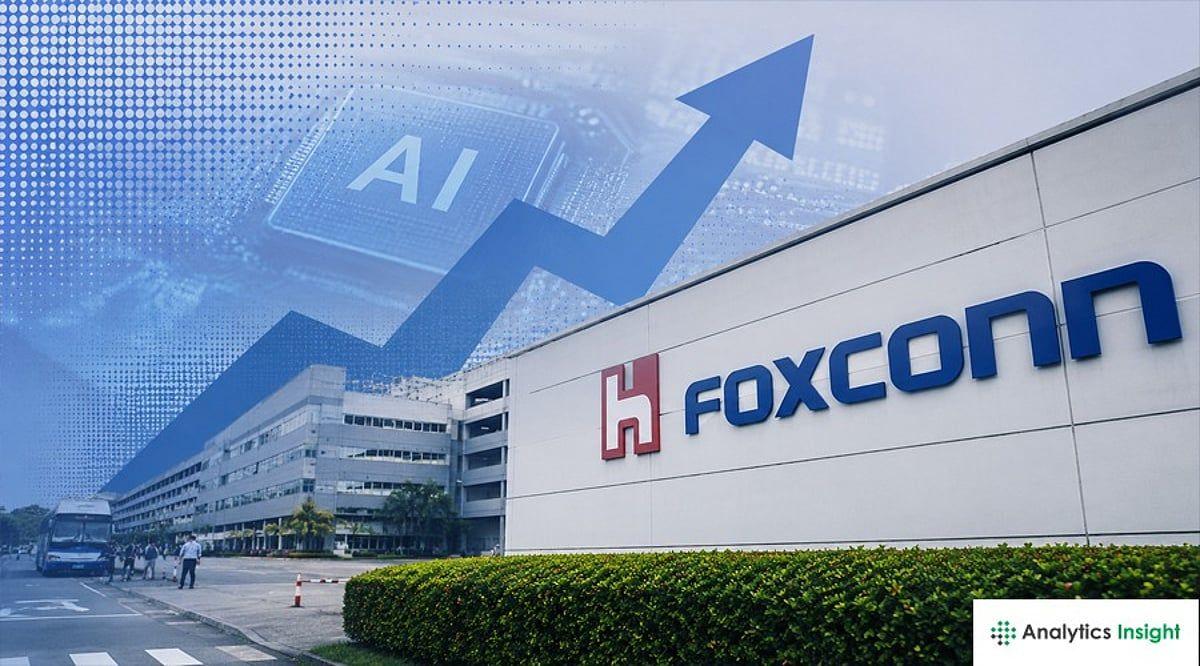
Foxconn reported a 19% increase in first-quarter profit to $1.58 billion, beating analyst expectations as AI hardware sales surge. The world's largest electronics manufacturer now generates nearly half its revenue from cloud and networking products, including AI servers for Nvidia and Amazon, marking its transformation from an iPhone assembler to a key player in the AI revolution.
3 Sources
A Sinch study of over 2,500 AI decision-makers reveals that 74% of AI customer service rollouts are being rolled back or shut down after deployment due to governance failures. Organizations with mature guardrails see even higher rollback rates at 81%, suggesting that detecting and addressing failures early is becoming the priority over rushing AI into production.
TSMC now expects the global semiconductor market to exceed $1.5 trillion by 2030, up from a previous $1 trillion estimate. The world's largest contract chipmaker attributes this 50% upward revision to surging AI silicon demand, with AI and high-performance computing projected to account for 55% of the market. The company is accelerating capacity expansion with nine new wafer fabs planned for 2026.
Copper prices have surged to record highs near $14,700 per tonne, driven by the AI boom's insatiable demand for data center infrastructure. With a potential 10 million tonne deficit looming by 2040 and mining supply struggling to keep pace, markets are pricing copper as a strategic commodity for the AI era. Geopolitical tensions and sulfuric acid shortages are intensifying the supply crunch.
Elon Musk's xAI lost $6.4 billion from operations on just $3.2 billion in revenue in 2025, according to SpaceX's IPO filing. The losses are set to grow as the company plans to scale Grok to multiple trillions of parameters, requiring massive AI infrastructure investment. With capital expenditures hitting a $30.8 billion annualized run rate and only 117 million users actively engaging with Grok features, the path to profitability remains unclear.
6 Sources
Cisco is laying off nearly 4,000 employeesβabout 5% of its workforceβdespite posting record quarterly revenue and strong financial results. CEO Chuck Robbins says the cuts will fund strategic investments in AI, silicon, optics, and cybersecurity as the company shifts toward high-growth areas and responds to surging demand from hyperscalers.
17 Sources
Anthropic has claimed the top spot in business AI adoption for the first time, with 34.4% of companies now paying for its services compared to OpenAI's 32.3%, according to Ramp's May 2026 AI Index. The shift marks a dramatic reversal after Anthropic quadrupled its business customer base over the past year while OpenAI's share declined, driven largely by Claude Code's success among technical users.
13 May 2026
The Bank of Canada reports no evidence of mass job displacement from AI adoption so far. Deputy Governor Michelle Alexopoulos says the technology is transforming tasks rather than eliminating positions, with early productivity gains emerging in sectors like finance and healthcare. Canada's aging workforce may accelerate AI development to address coming labor shortages.
Nebius has increased its annual capital expenditure guidance to $20-25 billion, up from $16-20 billion, as the company accelerates investments to meet surging demand for AI infrastructure. The company's quarterly capex jumped to $2.5 billion, driven by GPU procurement and data center expansion, while CEO Arkady Volozh noted multiple customers are competing for every GPU brought online.
Tower Semiconductor landed $1.3 billion in silicon photonics deals for 2027, driven by surging AI chip demand for data centers. The Israeli contract chipmaker raised its Q2 revenue forecast to $455 million and nearly doubled operating profit to $64.57 million, while securing $290 million in customer prepayments. The company targets $2.8 billion in annual revenue by 2028.
India could emerge as the global AI skill capital if AI literacy doubles from 30% to 60% by 2030, according to IBM India MD Sandip Patel. A new IBM-IndiaAI report reveals AI could contribute over $500 billion to India's economy by 2030, but challenges in data readiness, governance, and skills gap threaten to slow AI adoption across enterprises.
Get all updates into your inbox π, Stay Up-to-date for Free π₯³