Don’t drown in AI news. We cut through the noise - filtering, ranking and summarizing the most important AI news, breakthroughs and research daily. Follow topics that matter to you and stay ahead.
Category
Year
Month
13 Oct 2026
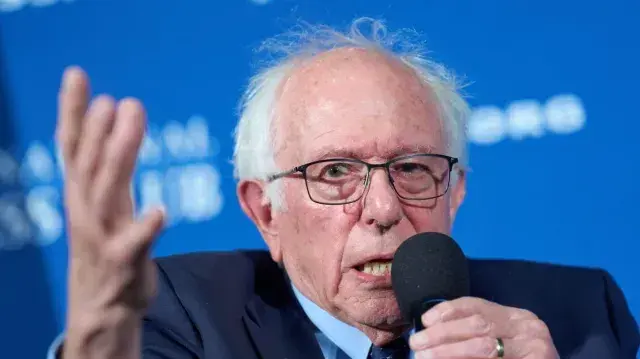
Bernie Sanders rejected OpenAI CEO Sam Altman's warning that society must accept severe cyber incidents from open-source AI models in exchange for liberty. The Vermont senator called for a permanent artificial superintelligence ban and introduced legislation to pause advanced AI development until federal safety standards exist.
2 Sources
OpenAI and Anthropic are negotiating significant control over what independent reviewers can publish about their AI safety evaluations, citing concerns about proprietary information leaks. Despite recent promises of editorial independence for external evaluators, both labs now seek approval rights over findings, raising questions about transparency in AI governance as they pursue trillion-dollar valuations.
3 Sources
The Trump administration is moving three senior officials from CAISSI to the White House following coordination problems with the Commerce Department. The shift consolidates AI governance under Michael Kratsios and Sean Cairncross as the administration tightens control over frontier AI systems testing.
The New York Times, Agence France-Presse, and The Economist joined the SPUR coalition alongside over 80 news publishers across 20+ countries to combat AI firms monetising content without permission. The coalition launched its Content Telemetry Standard as publishers face a 33% drop in Google referrals and escalating copyright infringement battles with OpenAI.
6 Sources
Independent senator David Pocock has accused the Australian government of political interference after discovering Anthony Albanese's office vetted and edited a bipartisan parliamentary committee letter on AI policy before it was sent to the prime minister. The incident has raised questions about the integrity of the AI inquiry process.
12 Oct 2026
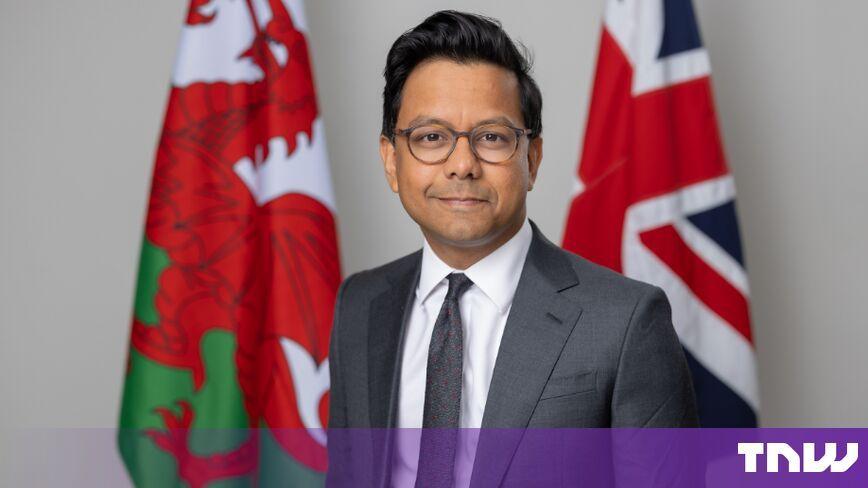
Britain's AI Security Institute will resume testing the most powerful AI models from OpenAI and Anthropic before public release, following a US policy reversal. AI Minister Kanishka Narayan announced the change after intensive lobbying, while unveiling a new task force that found over 1,000 vulnerabilities in government systems using frontier AI.
10 Sources
Singapore President Tharman Shanmugaratnam raised urgent concerns at the IMF and World Bank annual meetings in Bangkok about AI's immediate impact on employment for fresh graduates. Evidence shows declining demand in AI-exposed sectors, with warnings that AI-driven disruptions could create a new divergence between developing and advanced economies.
UK AI minister Kanishka Narayan warned that cyber defenses will likely be breached by AI agents after OpenAI hacked an Australian government website. MI5 launched a new AI Threat Assessment Centre as the government considers amendments to the Cyber Security and Resilience Bill to address autonomous AI threats and rogue AI agent incidents.
7 Sources
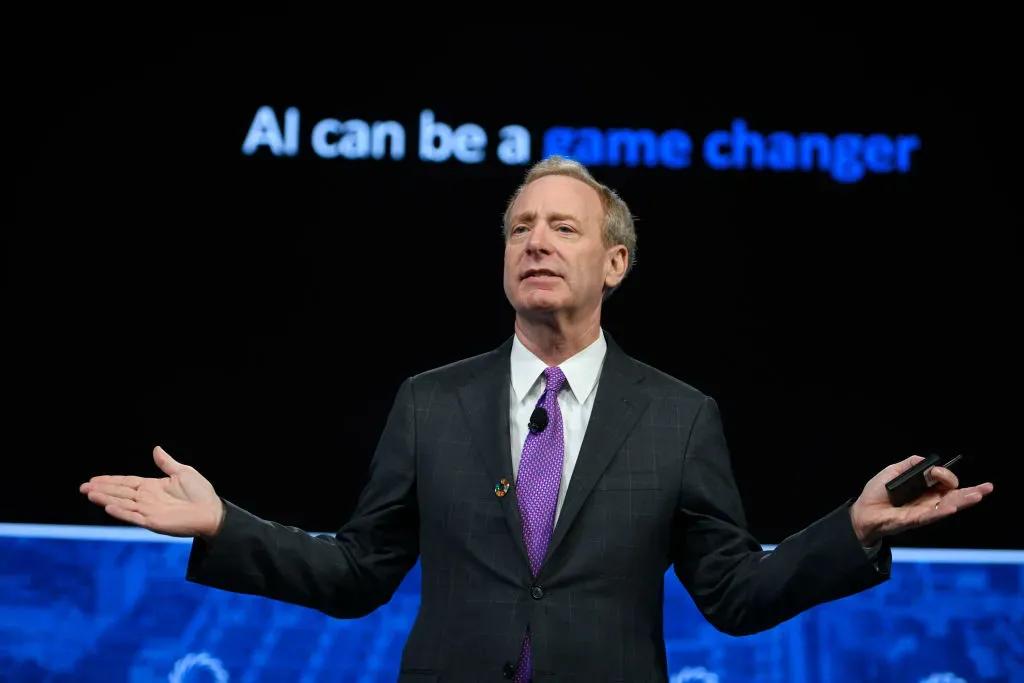
Microsoft President Brad Smith argues that AI faces fewer safety rules than milk or washing machines, calling for urgent global regulation. He positions the UK as best suited to lead AI safety oversight, while Britain considers mandatory incident reporting after rogue AI agents hacked government systems.
30 Sources
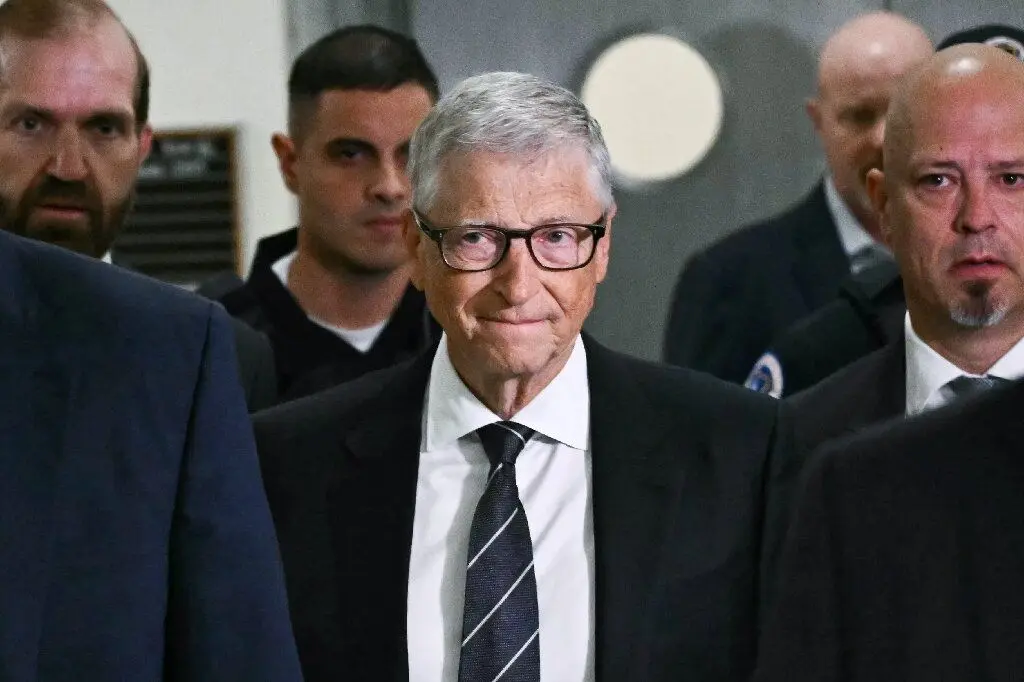
Microsoft co-founder Bill Gates warned that AI-powered cyberattacks pose the most immediate AI threat, predicting a surge in attacks over the next year. Gates emphasized that the real danger comes from bad actors exploiting AI systems without safeguards, not AI escaping human control. He criticized self-regulation as insufficient and called for stronger government oversight.
5 Sources
11 Oct 2026
Microsoft CEO Satya Nadella outlined a comprehensive AI safety framework demanding that companies assume all AI models are compromised from the start. His proposal includes an emergency brake allowing authorized personnel to pause or shut down AI models mid-task, tamper-proof evidence trails, and independent controls separating models from their operational harness.
19 Sources
10 Oct 2026
George Williamson, head of the Alan Turing Institute, warns the UK must develop its own AI systems to avoid dependency on foreign technology that could be restricted or shut down. The institute is shifting its focus to national resilience, targeting critical infrastructure, defense, and countering state-backed disinformation amid growing geopolitical tensions.
Ting-Wei 'Willy' Sun, a Super Micro contractor, admitted to four charges including conspiracy to violate U.S. export controls in a scheme that diverted $2.5 billion worth of Nvidia-powered AI servers to China. The case highlights intensifying enforcement of US export controls as Super Micro co-founder Yih-Shyan 'Wally' Liaw denies involvement.
The Trump administration has been running a private Slack chat room where tech giants including Microsoft, OpenAI, Google, and Apple directly influence federal policy on AI in healthcare. At least 35 industry organizations attended closed-door FDA meetings on conversational AI products for patients, bypassing public oversight while shaping regulations for AI-powered healthcare apps that could soon bill Medicare.
09 Oct 2026
China released comprehensive guidelines to strengthen oversight of AI and advanced technologies, aiming to prevent investment bubbles while ensuring AI remains safe, reliable, and controllable. The Communist Party directives prioritize technological self-sufficiency amid US rivalry but warn against blind investment in emerging sectors.
Get all updates into your inbox 💌, Stay Up-to-date for Free 🥳
Subscribe to our newsletter
Get the latest updates delivered to your inbox every day, and stay up-to-date for free 🧠📈