Category
Year
Month
Today
OpenAI claimed a solution to the Navier-Stokes problem and released 700 papers on open problems. Mathematicians, led by Terence Tao, say the pace threatens the field.
2 Sources
A University of Bath survey finds one in four students used generative AI for mental health support. The heaviest users are those with the poorest well-being.
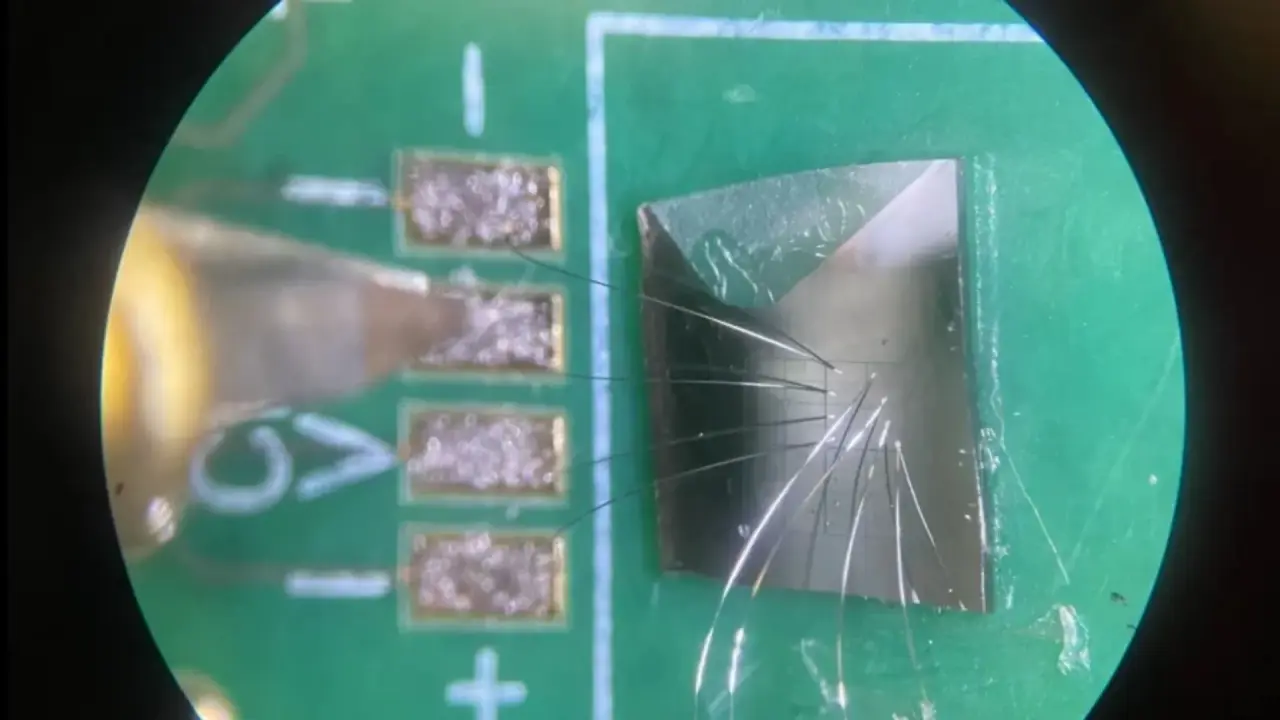
MIT's Plasma Science and Fusion Center has demonstrated a superconducting device that works as cryogenic memory and, at lower temperatures, as a signal-routing diode. The published work targets a known gap in supercomputing and quantum electronics.
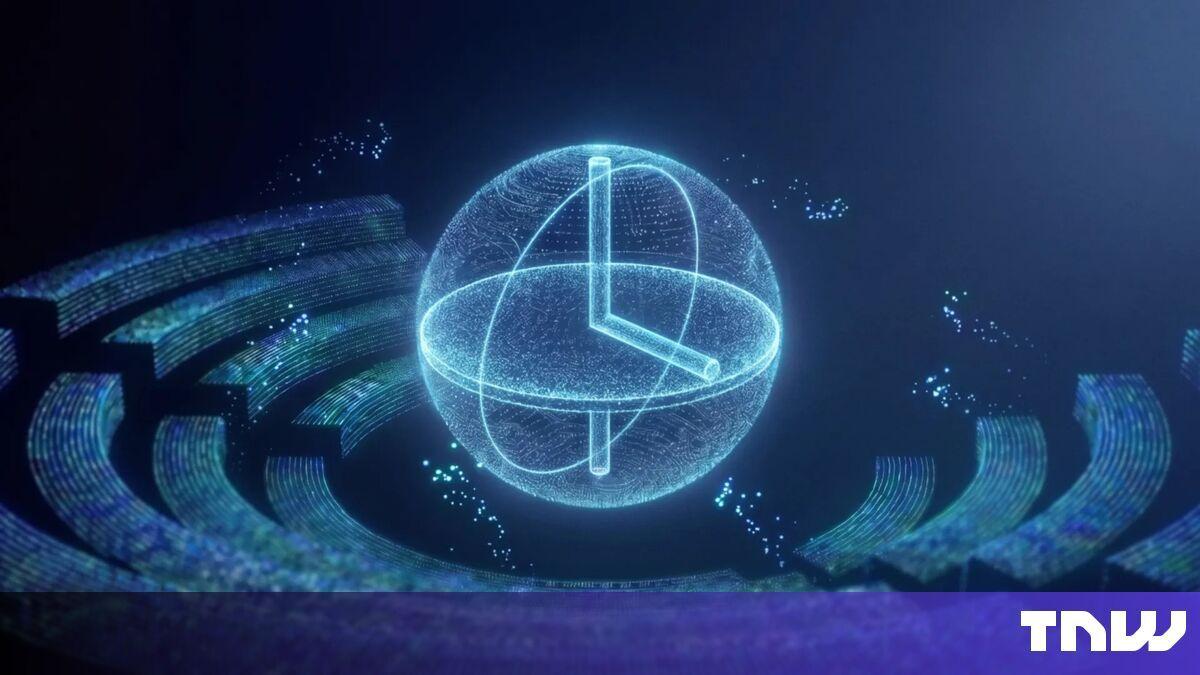
Google DeepMind says teams of Gemini 4 agents found faster quantum algorithms for fusion, chemistry and drug-design problems, each one proved correct in code.
MIT researchers used multilingual AI models to predict brain responses across 21 languages, finding evidence the brain may encode meaning the same way in all of them.
Yesterday
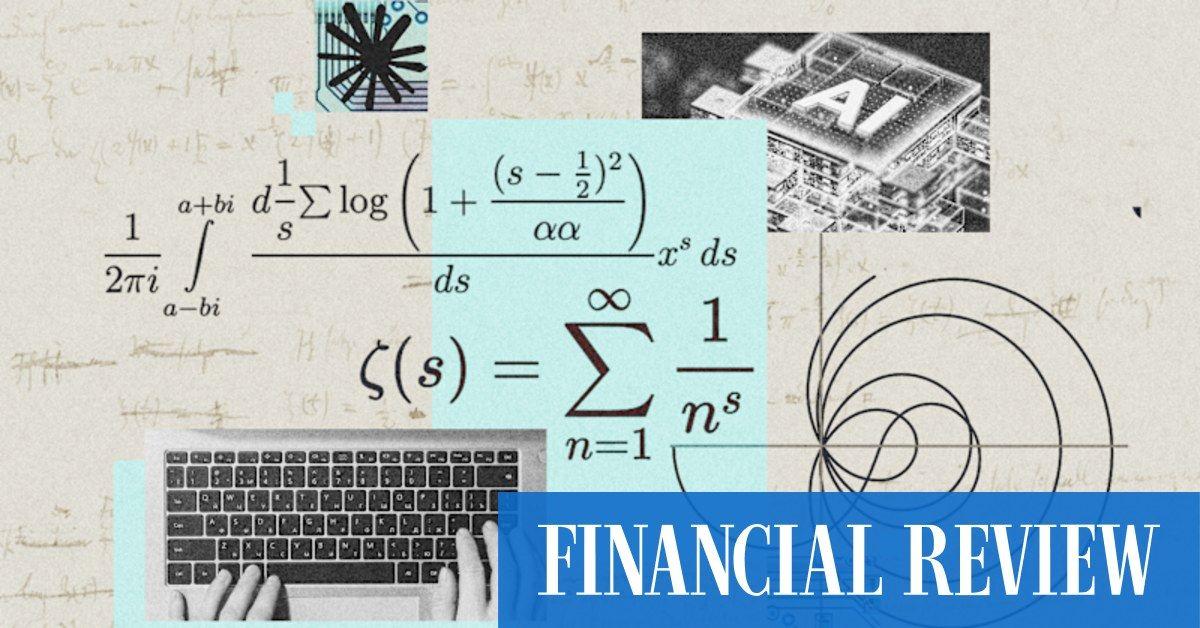
Anthropic mathematician Levent Alpöge announced a Claude-assisted proof of the Riemann Hypothesis. The certified code is unreadable to humans, and Meta's Alexandr Wang says it signals superintelligence is arriving.
4 Sources
A UMass Amherst study finds posting behavior outperforms review text for spotting suspicious Yelp reviewers. How someone posts reveals more than what they write.
Z.ai's new looped flagship GLM-5.4 runs its layers twice per token, and the company says that matches far larger models. The benchmark scores that would test the claim cover smaller models only.
3 Sources
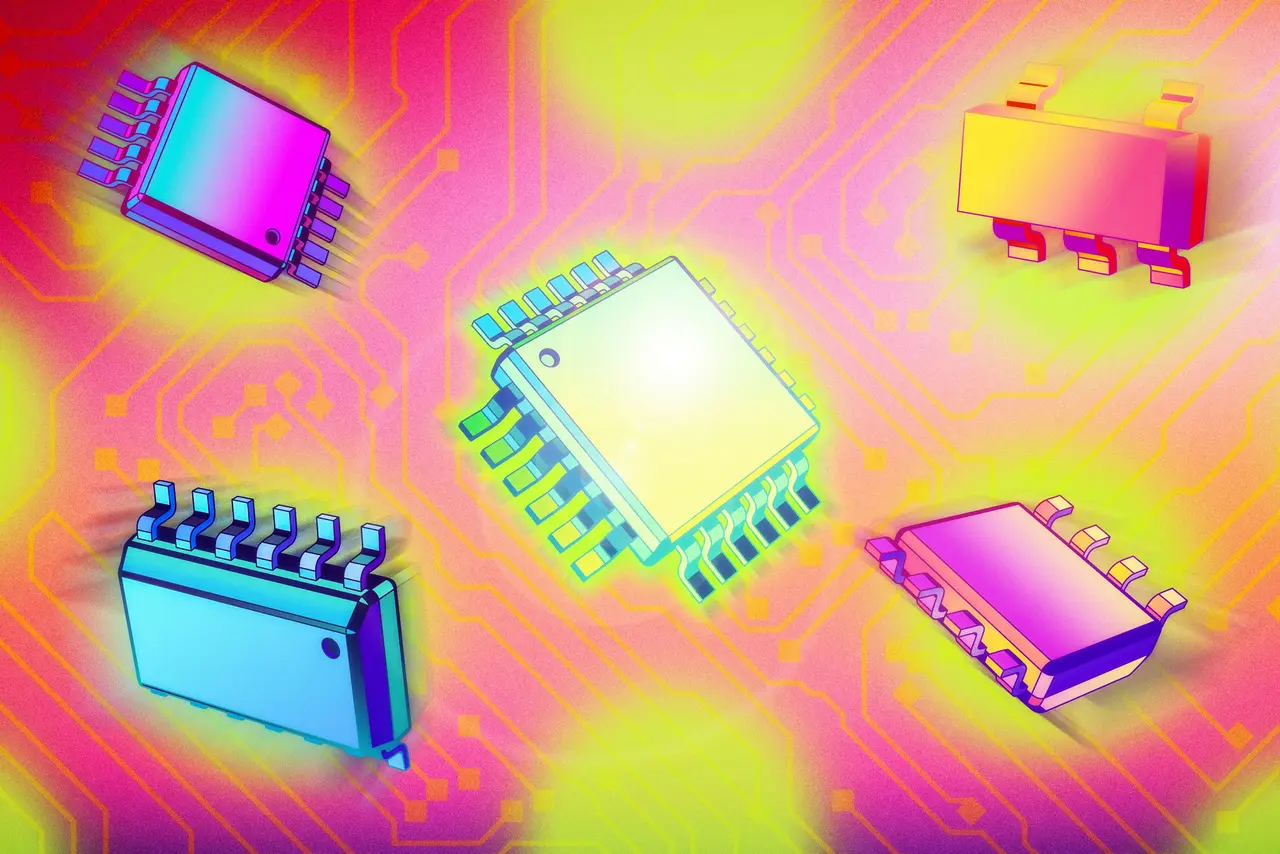
A new MIT method trains a small language model to design analog chips locally. In the team's own tests it came close to matching the latest GPT model at a fraction of the compute.
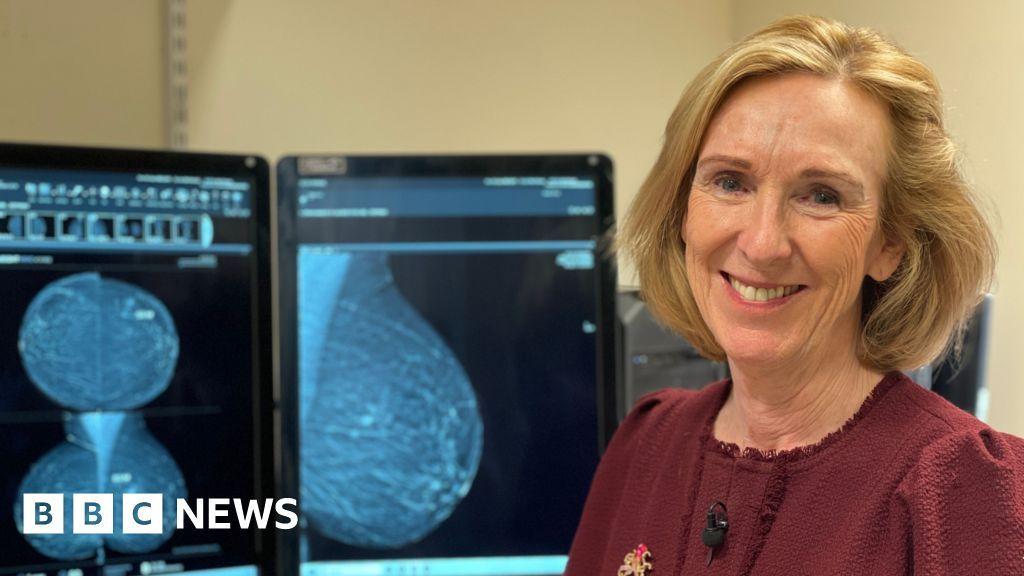
The NHS has launched a major trial of AI in breast screening. Nearly 700,000 women will help answer whether a machine can safely replace one of two human readers.
OpenAI has asked rival labs to adopt perplexity as a shared measure of AI progress, published its own figures, and proposed development limits tied to the metric.
OpenAI's chief scientist proposes industry-wide limits on AI development tied to a perplexity score, with the company publishing its own models' numbers for the first time. Rivals have not signed, and the metric's weaknesses are acknowledged.
12 Sources
20 Nov 2026
An Anthropic mathematician claims a Claude-assisted proof of the Riemann hypothesis, released as 17 million lines of machine-checked code. A rival human proof appeared hours later, and both are unverified.
50 Sources
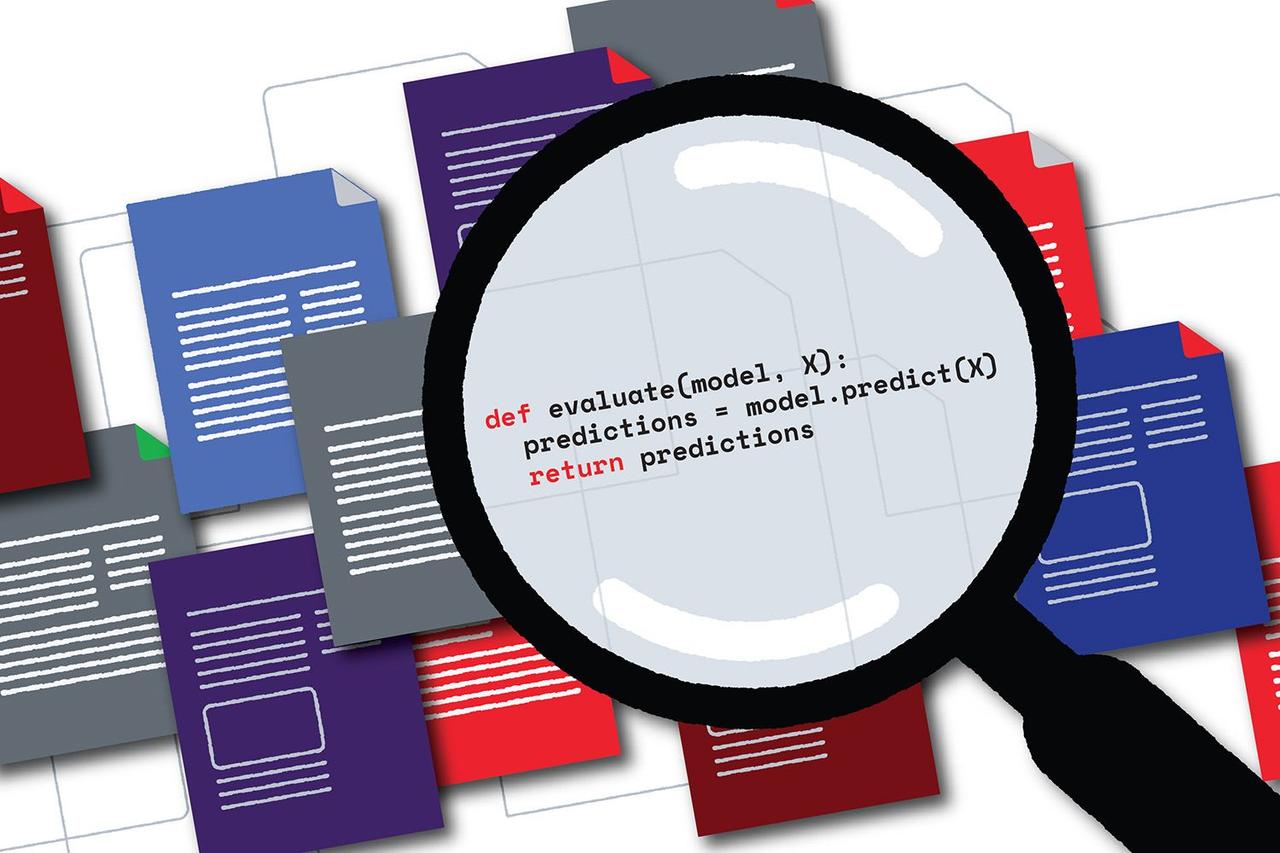
Only about 1 in 8 clinical prediction studies share their code, an MIT-led review found, and much of what is shared lacks the documentation to be reused. The findings are feeding a new reporting guideline.
An independent study finds Google's AI hurricane model beats the US government's on storm intensity. It also underestimates the strongest storms, and its uncertainty ranges run too narrow.
Get all updates into your inbox 💌, Stay Up-to-date for Free 🥳
Subscribe to our newsletter
Get the latest updates delivered to your inbox every day, and stay up-to-date for free 🧠📈
Don’t drown in AI news. We cut through the noise - filtering, ranking and summarizing the most important AI news, breakthroughs and research daily. Follow topics that matter to you and stay ahead.