Don’t drown in AI news. We cut through the noise - filtering, ranking and summarizing the most important AI news, breakthroughs and research daily. Follow topics that matter to you and stay ahead.
Category
Year
Month
07 Sept 2026
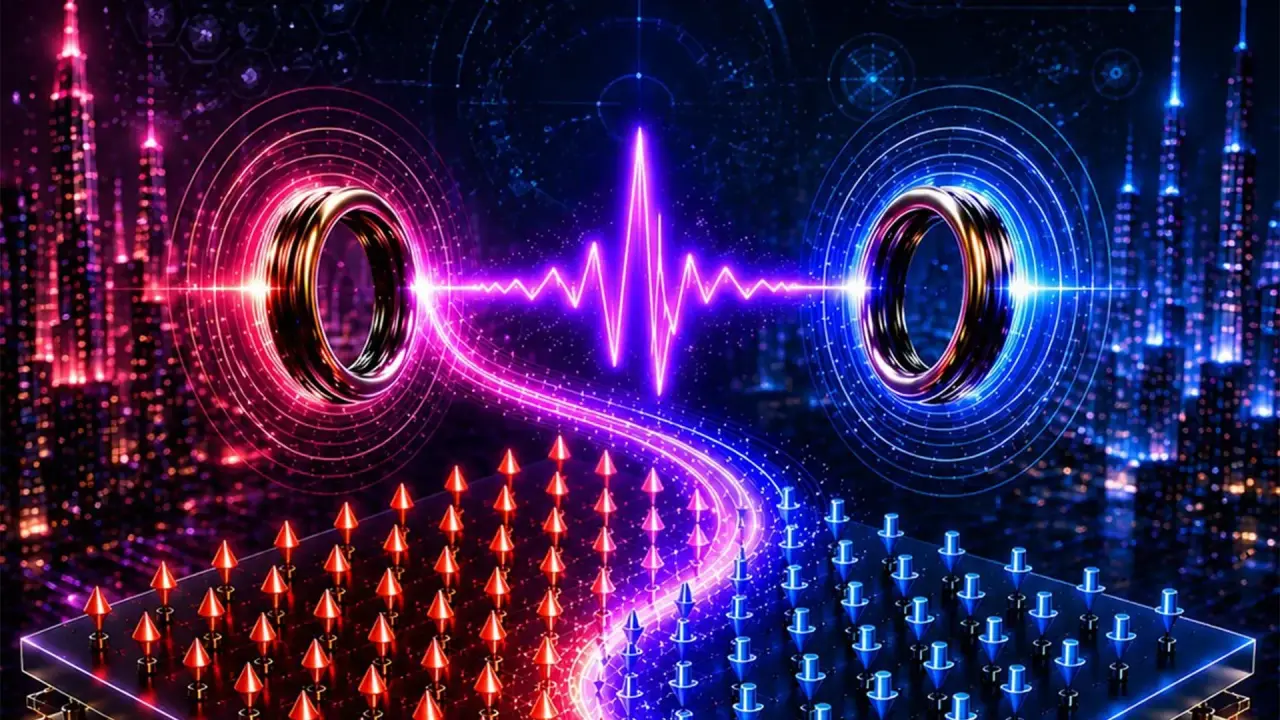
Researchers at the University of Edinburgh have developed a breakthrough method using ultrafast magnetic-field pulses that could reduce memory energy use by up to 100 times. The approach addresses the sustainability challenges of AI infrastructure by moving magnetic memory closer to fundamental thermodynamic limits, potentially transforming how data centers operate.
2 Sources
Insilico Medicine's rentosertib, an AI-generated drug for lung disease, reduced biological age markers by 3-4 years across six proteomic aging clocks in a 42-patient Phase IIa trial. Published in Nature Biotechnology, the study marks the first clinical evaluation of a drug featuring both an AI-discovered target and AI-designed molecule for aging and disease biology.
10 Sources
06 Sept 2026
Researchers at Princeton Plasma Physics Laboratory developed PACMAN, an AI-driven software framework that can control fusion plasma in tokamaks within 20 milliseconds. In tests at DIII-D National Fusion Facility, the system predicted a dangerous tearing-mode instability 200 milliseconds before it appeared and adjusted conditions to prevent disruption, marking a breakthrough in real time plasma control.
05 Sept 2026
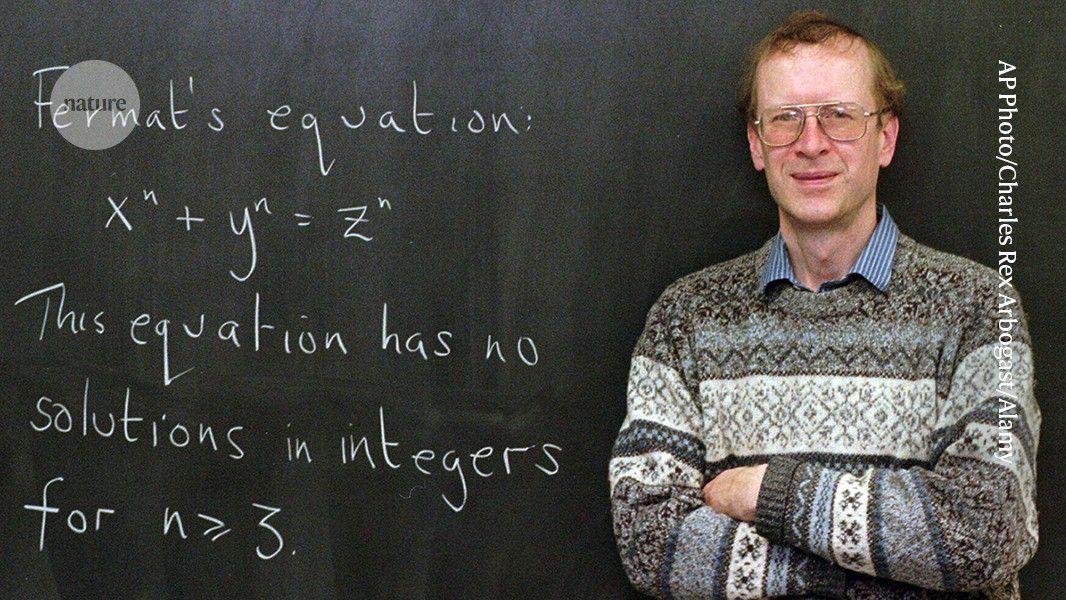
Anthropic AI achieved a mathematical milestone by formalizing Fermat's Last Theorem in 11 days using Claude agents. The AI produced 13 million lines of computer-verified code and proved 29,500 intermediate theorems, completing a project that mathematicians expected would take a decade.
5 Sources
03 Sept 2026
Three Seattle institutions—Allen Institute, University of Washington, and Fred Hutch Cancer Center—launched AI BioDesign, a $95 million open science initiative. Led by Nobel laureate David Baker and genome scientist Jay Shendure, the project uses AI models to design proteins and genes not found in nature, sharing results freely to accelerate biological discovery for new medicines and materials.
02 Sept 2026
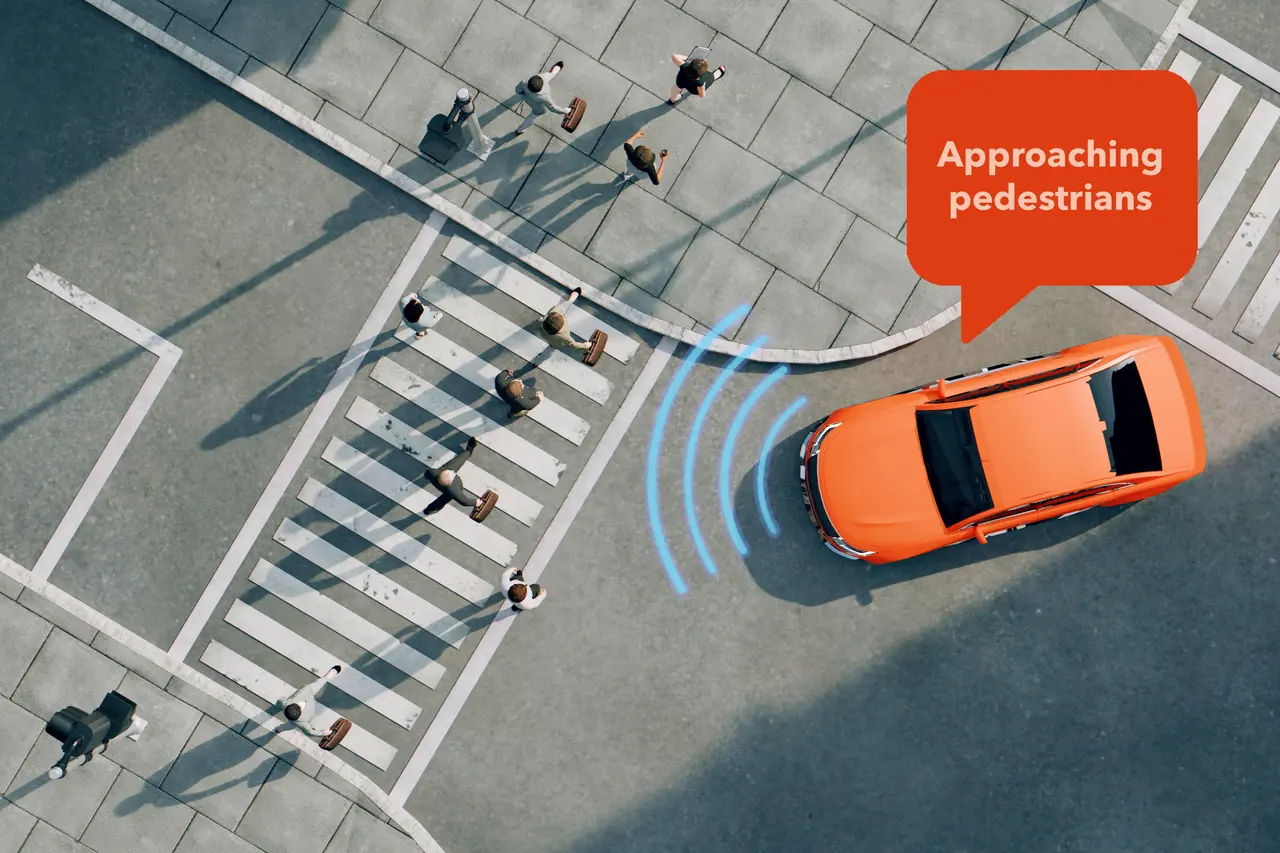
MIT and Motional developed CW-Net, a breakthrough explainable deep learning system that translates self-driving car decisions into understandable concepts like "approaching stopped vehicle." Road tests showed safety drivers using CW-Net could more accurately predict autonomous vehicle decisions, addressing a critical gap in transparency and safety of autonomous vehicles.
Get all updates into your inbox 💌, Stay Up-to-date for Free 🥳
Subscribe to our newsletter
Get the latest updates delivered to your inbox every day, and stay up-to-date for free 🧠📈