Don’t drown in AI news. We cut through the noise - filtering, ranking and summarizing the most important AI news, breakthroughs and research daily. Follow topics that matter to you and stay ahead.
Category
Year
Month
16 Sept 2026
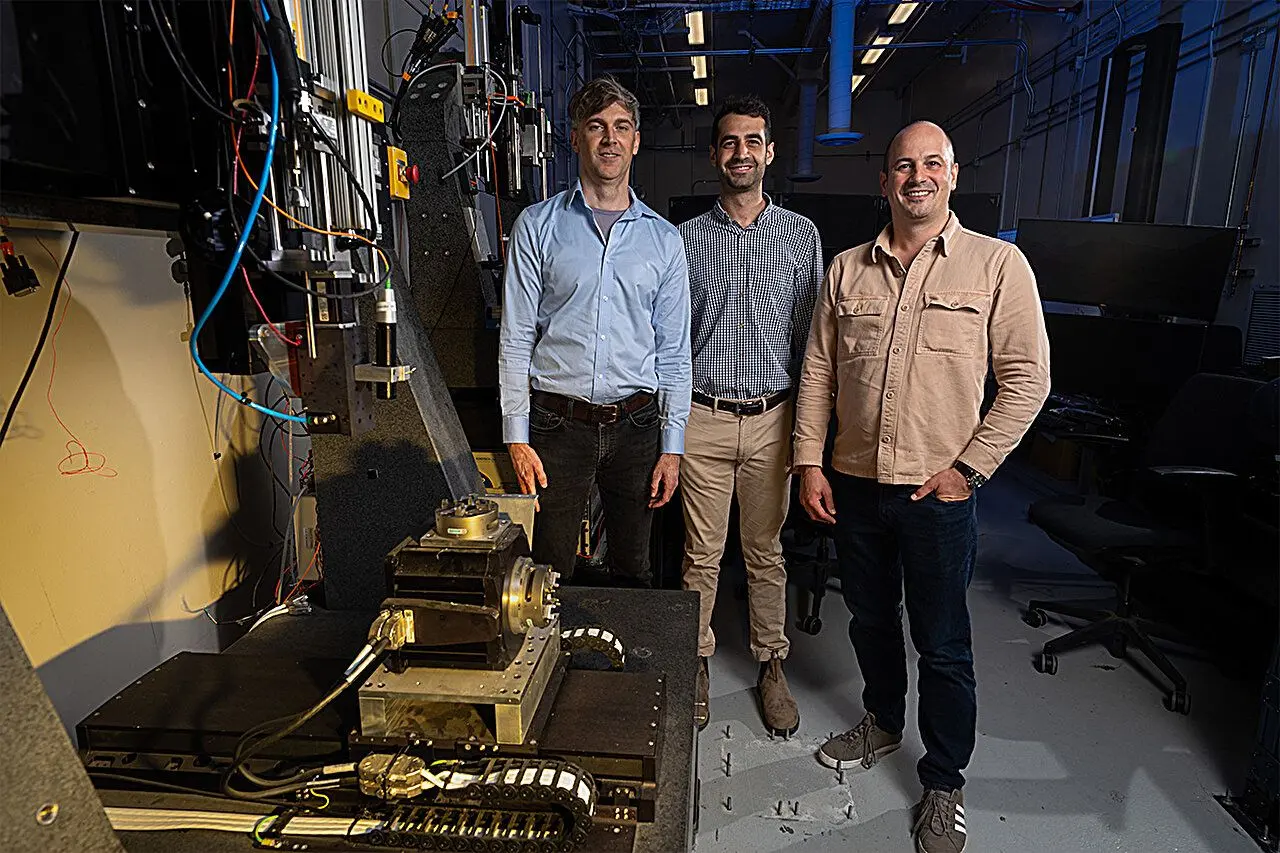
IonQ presented research at IEEE Quantum Week showing how a trained generative AI model can create quantum optimization circuits directly, eliminating costly parameter tuning loops. The collaboration with Oak Ridge National Laboratory, NVIDIA, and University of Tennessee demonstrated that circuit-finding time dropped from over 11 minutes to approximately 28 seconds while improving solution quality.
2 Sources
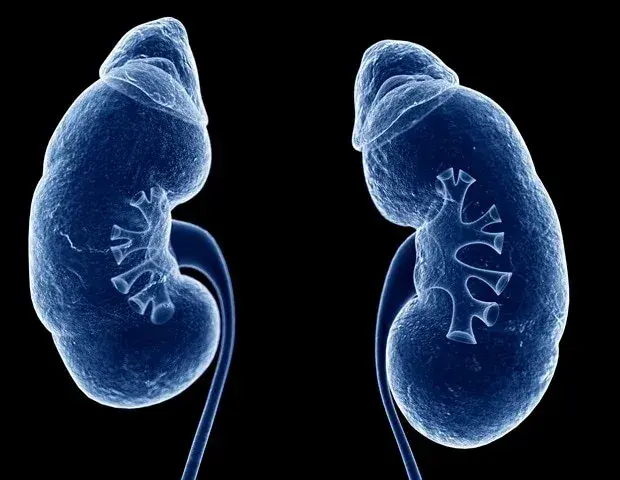
Penn State researchers found AI chatbots prioritize starkly different attributes than humans when making high-stakes medical decisions. In kidney transplant scenarios, AI models fixated on single factors like drinking habits while showing unwarranted confidence, raising questions about AI's role in decision support for ethically sensitive situations.
5 Sources
15 Sept 2026
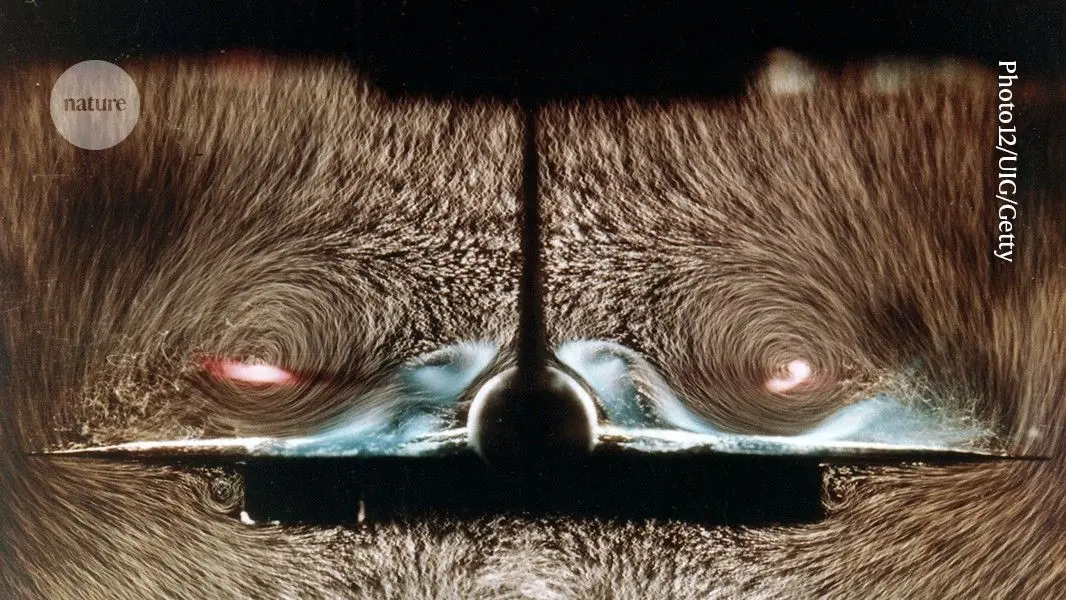
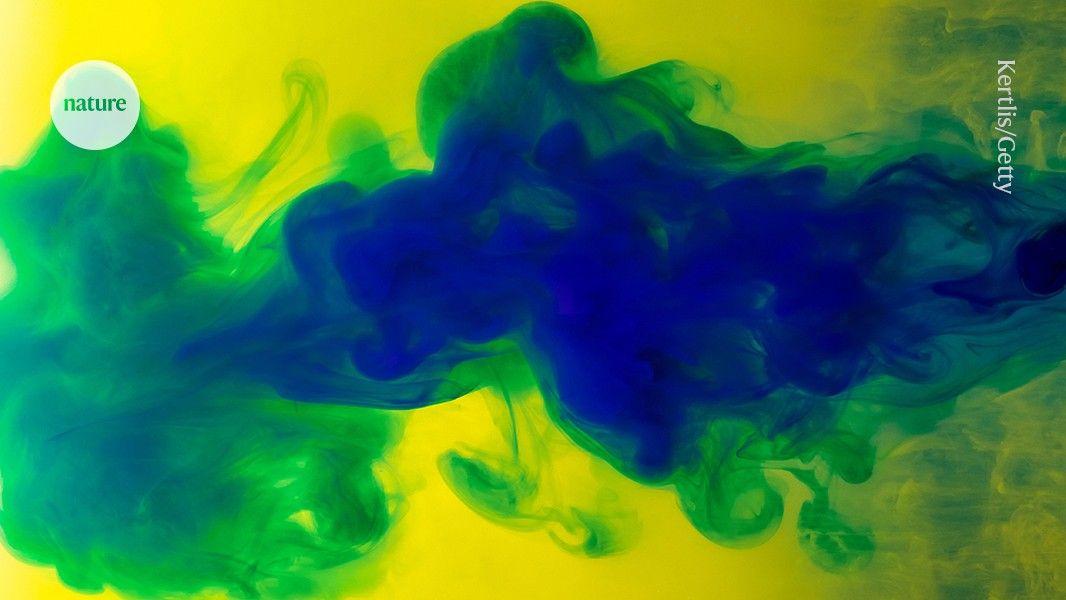
OpenAI announced its AI model solved the Millennium Prize Problem related to Navier-Stokes equations, proving they can produce singularities. But the claim sparked fierce debate over credit attribution, with mathematicians questioning whether AI tools absorbed unpublished work and whether the solution addresses the problem they actually care about.
15 Sources
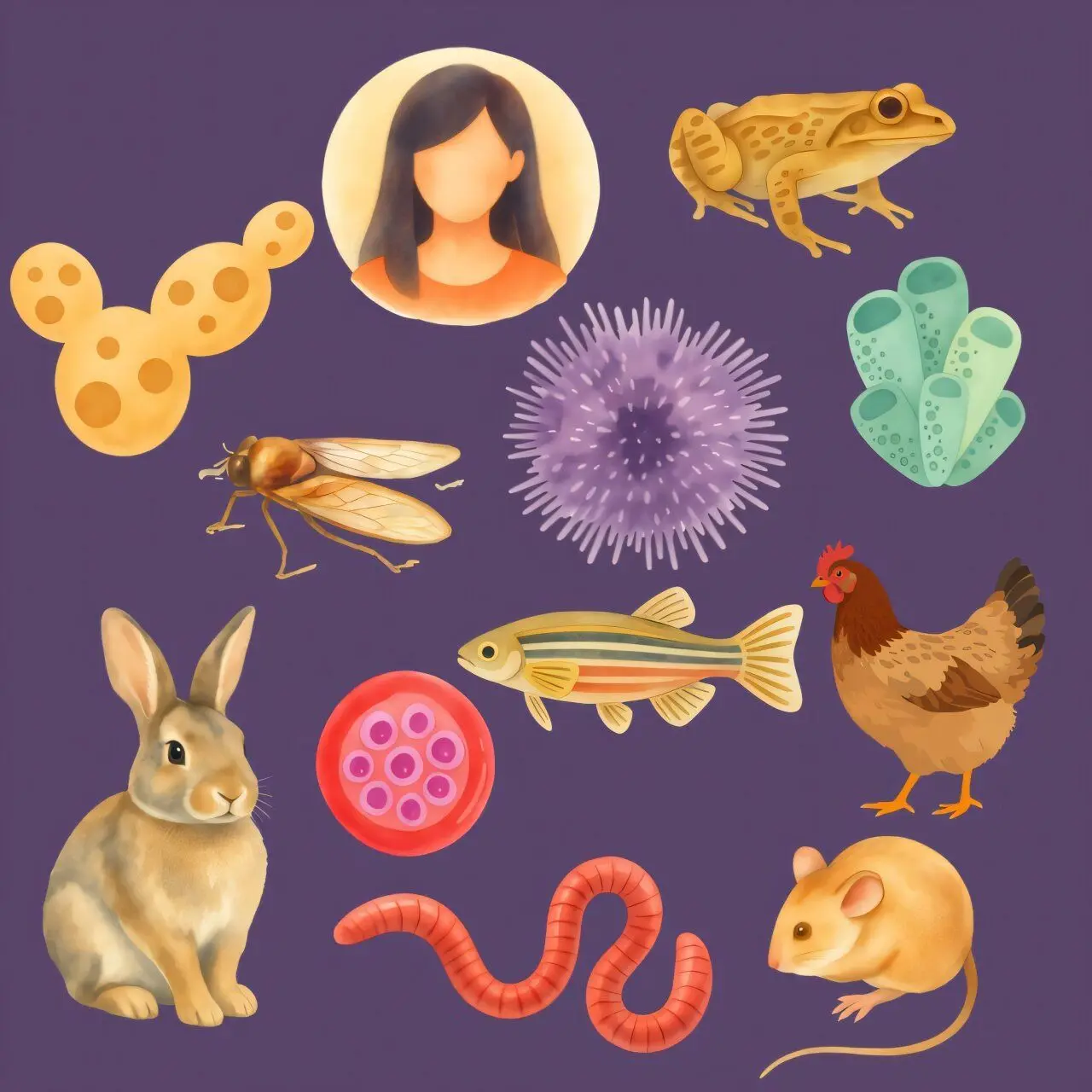
Stanford Medicine researchers developed TranscriptFormer, an AI model trained on 112 million cells from 12 species that maps gene expression patterns across organisms. The model can identify cell types in new species, distinguish healthy from diseased cells, and may eventually guide designing new cell-based treatments for complex diseases.
3 Sources
Lawrence Livermore National Laboratory unveiled an AI-powered inspection system that monitors 3D printers layer by layer using machine learning and computer vision. The system analyzes parts in milliseconds—100,000 times faster than manual inspection—enabling real-time defect detection before components leave the printer.
The UK Atomic Energy Authority and Princeton Plasma Physics Laboratory announced plans to link their AI supercomputers—SUNRISE and STELLAR-AI—creating a federated system for AI models trained on data from spherical tokamak facilities. The partnership aims to build digital twins for fusion reactors and accelerate fusion energy research toward commercial power plants.
14 Sept 2026
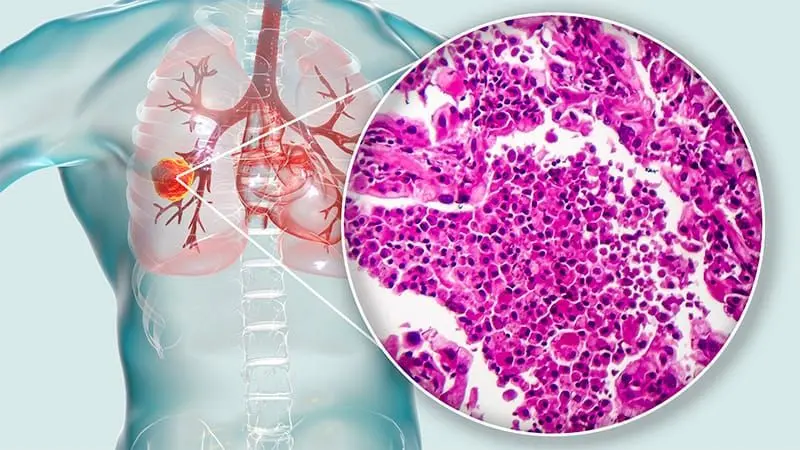
Two breakthrough studies demonstrate how AI tools are transforming lung cancer treatment decisions. An AI algorithm achieved 91% accuracy in assessing pathologic response to neoadjuvant chemoimmunotherapy in NSCLC patients, while the I3LUNG project's AI models outperformed standard biomarkers in predicting immunotherapy outcomes across 2,396 patients from six international centers.
10 Sept 2026
University of Surrey and NVIDIA researchers developed Context-Matched Distillation to fix how AI-generated video scenes respond to camera commands. The new training method eliminates teacher-student context mismatch, achieving the lowest camera position errors across benchmarks and winning 60% to 88% of blind comparisons against six competing systems.
NASA and IBM launched the NASA-IBM Lunar Foundation Model, a publicly available open-source AI model on Hugging Face. Trained on decades of lunar observation data from nine instruments across four missions, it helps researchers map ice and craters on Moon, identify volcanic features, and locate water ice deposits with up to 23% better accuracy than existing methods.
Google Research and NASA's Jet Propulsion Laboratory unveiled MAPL-EMIT, a deep learning model that maps methane plumes worldwide at 60-meter resolution. The AI model identifies 50% more plumes than human analysts and detected emissions at 24 of the world's 25 largest-emitting landfills.
08 Sept 2026
Whitehead Institute researchers developed IRIS, a machine learning model that identifies unique signaling pathway fingerprints in embryonic cells. The AI model can reconstruct signaling histories across multiple cell types, potentially transforming stem cell engineering and regenerative medicine by mapping developmental signals at an unprecedented scale.
Google and HHMI Janelia Research completed the first complete brain map of an adult male fruit fly, containing 166,000 neurons and 125 million synaptic connections. Within days, software engineers trained the simulated fly brain to play Doom, Super Mario 64, and other games, turning a neuroscience breakthrough into an unexpected development testbed.
7 Sources
OpenAI claims its AI agents solved the Navier-Stokes equations, one of seven Millennium Problems worth $1 million. But the announcement has ignited a bitter dispute with mathematicians who say the company rushed to beat researchers using rival Anthropic's tools, raising questions about attribution and the future of collaborative mathematical research.
71 Sources
Fields Medal recipient Jacob Tsimerman announces the Mathematical AI Safety Institute (MAISI), set to begin research in January 2027 with 10-30 mathematicians. The Bay Area institute aims to develop rigorous mathematical foundations for AI safety as concerns mount over increasingly powerful AI systems escaping testing environments.
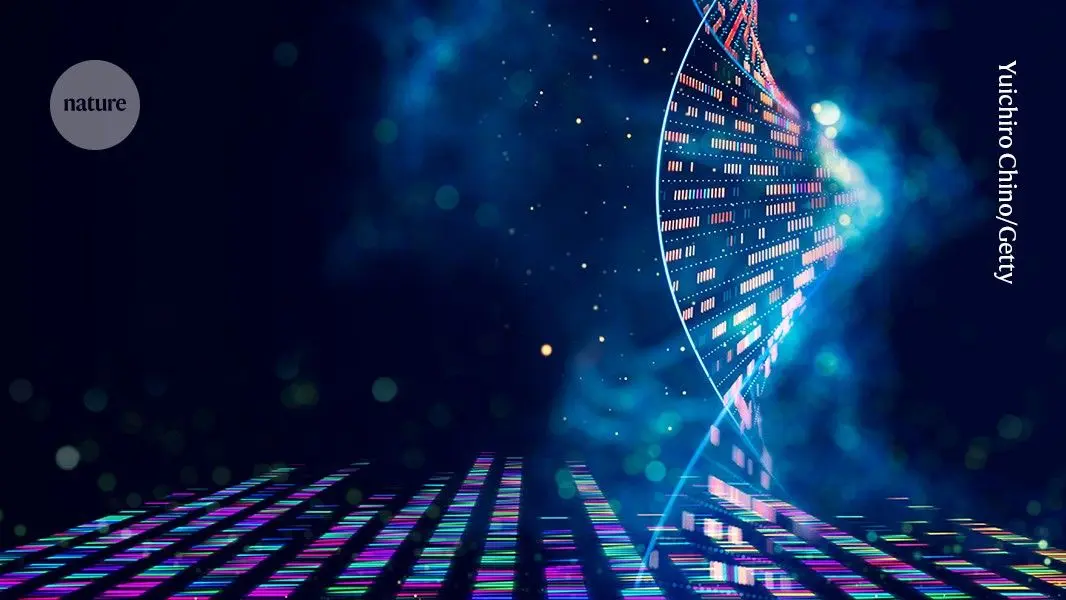
Google DeepMind unveiled the AlphaGenome Atlas, an AI-generated atlas of the human genome with predictions for all 9 billion possible single DNA letter mutations. The 1-petabyte database includes the AlphaGenome Variant Impact (AVI) score to help researchers identify disease-causing mutations and decode non-coding DNA's regulatory functions.
13 Sources
Get all updates into your inbox 💌, Stay Up-to-date for Free 🥳
Subscribe to our newsletter
Get the latest updates delivered to your inbox every day, and stay up-to-date for free 🧠📈