2 Sources
[1]
City mayors from London to Melbourne seek to curb data centre burden on power, water
LONDON, June 23 (Reuters) - Mayors from 40 cities, including London, Phoenix and Melbourne, have agreed to work together to curb the growing strain the rapid growth in data centres is placing on electricity grids, water supplies and local communities, city leaders said. A global surge in demand for computing power, much of it connected to artificial intelligence, is driving trillions of dollars in investment in new sites, sparking protests in countries from the United States to South Africa and Britain. The Global Urban Data Centres Pact, due to be launched on Tuesday at London Climate Action Week, aims to set standards to ensure data centres use clean energy and all resources more efficiently, and are better integrated into urban planning, mayors from Phoenix and Melbourne told Reuters. While the rules will be adapted to local conditions -- cooling needs in Iceland differ from those in Manila -- the mayors said the framework is meant to guide permitting and planning decisions, as well as negotiations with companies and governments. Melbourne Lord Mayor Nicholas Reece said around 50 major data centres already operate in the city and were projected to account for roughly 10% of local power demand by 2030 and as much as 20% by 2040 in a city of 5.5 million people. "Data centres are the biggest thing to hit the energy grid since air conditioning in the 1950s... where the rollout of air conditioning took decades, this is happening in a few short years," Reece said. The centres could use around 20 billion litres of water a year, equivalent to 4% of the city's drinking supply, highlighting the pressure on local resources, he added. 'RACE TO THE BOTTOM' Reece said investment into data centres was happening at "breakneck speed", outpacing regulation, leaving cities at risk of a "race to the bottom" as governments compete to attract investment, sometimes bypassing environmental scrutiny. Phoenix Mayor Kate Gallego said the city and surrounding region had 225 existing or planned data centres, with proposals that could double electricity demand. Gallego said utilities that experienced decades of steady demand were now facing growth in a few years comparable to the previous century, driven largely by AI-related computing needs. "The demand for electricity... is unprecedented," she said. This has prompted disputes centred on noise, land use and safety risks from battery storage, alongside broader concerns about putting up infrastructure in residential neighbourhoods, she said. London Mayor Sadiq Khan, meanwhile, said in a statement that while AI and digital infrastructure would play "a major role in the future prosperity of cities around the world... residents are right to expect growth to be managed responsibly". Data centres account for an estimated 2.5% to 3.7% of global greenhouse gas emissions, according to the World Economic Forum -- more than aviation -- with their electricity demand rising faster than overall power consumption. Coordinated by C40 Cities, a network of nearly 100 of the world's biggest cities working together on climate action, others to sign up include Barcelona, Chennai and Boise in the U.S. state of Idaho. "In the race to be smart cities, we don't want to ruin the planet," Reece said. Reporting by Simon Jessop; Editing by Emelia Sithole-Matarise Our Standards: The Thomson Reuters Trust Principles., opens new tab * Suggested Topics: * Climate & Energy * Grid & Infrastructure * Climate Change * Climate Solutions Simon Jessop Thomson Reuters Simon leads a team tracking how the financial system and companies more broadly are responding to the challenges posed by climate change, nature loss and other environmental, social and governance (ESG) issues including diversity and inclusion.
[2]
40 mayors worldwide sign pact to fight the AI data centre surge
From Phoenix to Melbourne, a global coalition of city leaders says the AI data centre boom is draining their power, water and land -- and they are done waiting. Forty mayors from cities across four continents have signed a landmark pact setting out the conditions under which they will accept AI data centres. This comes as urban authorities push back against an industry they say is straining power grids, draining water supplies and squeezing out housing. The pact, launched Tuesday during London Climate Action Week by C40 Cities, an alliance of nearly 100 cities working to tackle climate change, sets common standards on clean energy, site selection, water use and community benefit. It is the first coordinated global attempt by city governments to get ahead of data centre expansion before it overwhelms them. About 1,700 data centres are already located across C40's network of cities and development is expected to grow by more than 40% in 50 of those cities. From Phoenix to Melbourne The pact grew out of a conversation between the mayors of Phoenix and Melbourne, who found they were wrestling with identical problems: data centres consuming vast quantities of electricity and water, and competing with housing developers for available land. "We found out that the challenges in every region around the world were very similar," said Cassie Sutherland, a managing director at C40. "Our approach was to say OK, how do we now use a global mayoral voice to come together with the conditions under which they will accept data centres." Phoenix is among the top 10 data centre markets in North America. Pending permit requests in the metropolitan area alone would double the city's electricity demand if all were approved. Mayor Kate Gallego said the current wave of investment is worsening climate change and failing local communities. "We understand the importance of this innovation, it's creating great jobs in our community," Gallego said. "We just want to make sure that we get it right for our local residents and for the health of our planet." In Melbourne, the picture is starker still. If the city follows through on all its current plans, data centres will consume up to 20 billion litres of water annually or around 4% of the drinking water supply, according to Lord Mayor Nicholas Reece. The city's water supply is already under pressure from population growth, longer dry periods and intensifying heat. What the pact demands The standards are specific. Data centres should be built on abandoned or underused land, powered by renewable energy and battery storage, and required to reduce water use, cut emissions and capture waste heat. They should create local jobs, source goods and services locally, fund their own infrastructure upgrades and engage meaningfully with communities. Mayors are limited in what they can do alone. Sutherland said the vision must be translated into local regulations and guidelines, with buy-in from utilities, other government tiers and the private sector. About half the 40 signatories are US cities, including Seattle, Chicago, Miami, Phoenix and Palo Alto. European cities from Greece, Spain, Italy, Germany, the UK and Norway have also signed, alongside cities in Canada, Kenya, South Africa, Sierra Leone, Côte d'Ivoire, India, Australia and Lebanon. Southeast Asia's conspicuous absence None of Southeast Asia's cities signed the pact, despite the region accounting for a quarter of global energy demand growth. More than 2,000 data centres are already operating across Indonesia, Malaysia, Singapore, Thailand, Vietnam and the Philippines, according to the think tank Ember. The International Energy Agency says annual energy demand from those facilities will more than double within five years. Malaysia in particular has become a magnet for investment from Microsoft, Google and Nvidia. Several Southeast Asian cities said they could not sign because of national policies or other complications, C40 said, adding that conversations are continuing. Data centres gravitate to cities because AI-powered systems require near-instantaneous response times, making proximity to clients essential. They tend to cluster, forming metropolitan ecosystems where the business case outweighs land costs -- a dynamic that has only recently begun pushing development into rural areas, according to Andrew Batson, global head of data centre research at JLL. The pact's signatories are betting that a unified front changes the calculus. As Gallego put it, without one, developers will simply seek out cities too weak to demand anything better.
Share
Copy Link
Mayors from 40 cities including London, Phoenix and Melbourne have signed the Global Urban Data Centres Pact to curb the environmental and infrastructural strain from AI data centres. The initiative addresses surging electricity demand, water consumption and land use conflicts as data centres threaten to overwhelm urban resources and communities.
Mayors from 40 cities spanning four continents have signed the Global Urban Data Centres Pact, marking the first coordinated global effort by city governments to regulate rapid expansion of AI data centres
1
2
. Launched during London Climate Action Week, the pact aims to address the unprecedented data centre burden on power and water resources as AI-driven computing demand triggers trillions of dollars in new infrastructure investment1
. Cities from London to Phoenix and Melbourne are experiencing what Melbourne Lord Mayor Nicholas Reece describes as "the biggest thing to hit the energy grid since air conditioning in the 1950s," except this transformation is unfolding in a few short years rather than decades1
.
Source: Euronews
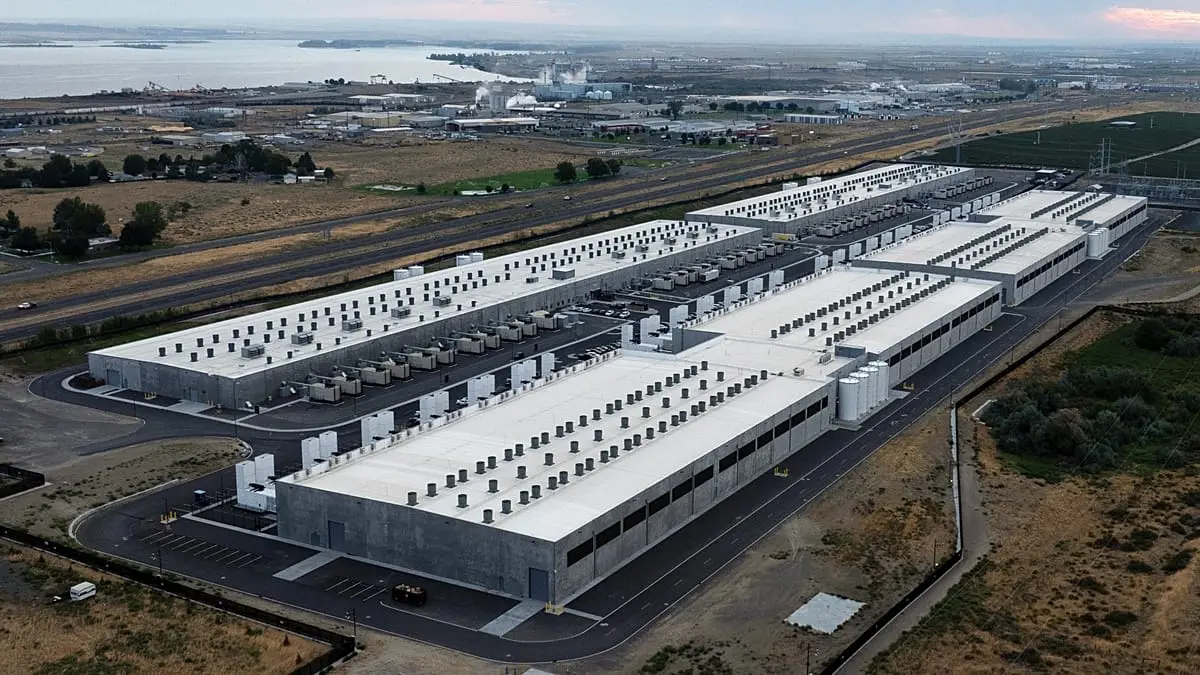
The AI data centre surge is placing extraordinary demands on urban infrastructure. In Melbourne, approximately 50 major data centres already operate, projected to account for roughly 10% of local power demand by 2030 and as much as 20% by 2040 in a city of 5.5 million people
1
. Water consumption presents an equally stark challenge, with these facilities expected to use around 20 billion litres annually, equivalent to 4% of Melbourne's drinking water supply1
. Phoenix faces similar pressures, with 225 existing or planned data centres and proposals that could double the city's electricity demand1
. Phoenix Mayor Kate Gallego noted that utilities experiencing decades of steady demand now face growth in a few years comparable to the previous century, driven largely by AI-related computing needs1
.Coordinated by C40 Cities, a network of nearly 100 of the world's biggest cities working on climate action, the pact establishes specific standards to ensure clean energy use and resource efficiency
1
2
. AI data centres must be built on abandoned or underused land, powered by renewable energy and battery storage, and required to reduce water consumption, cut emissions and capture waste heat2
. The framework guides permitting and planning decisions while addressing land use conflicts with housing developers. About 1,700 data centres already operate across C40's network, with development expected to grow by more than 40% in 50 cities2
. Data centres account for an estimated 2.5% to 3.7% of global greenhouse gas emissions, according to the World Economic Forum, exceeding aviation's footprint1
.Related Stories
The pact addresses the unchecked expansion of AI infrastructure by requiring meaningful community benefits and better urban integration of data centers
1
. Facilities must create local jobs, source goods and services locally, fund their own infrastructure upgrades and engage with communities2
. Investment is happening at "breakneck speed," outpacing environmental regulation and leaving cities at risk of a "race to the bottom" as governments compete for investment while bypassing environmental scrutiny, Reece warned1
. Disputes have centered on noise, land use and safety risks from battery storage, alongside concerns about infrastructure in residential neighbourhoods1
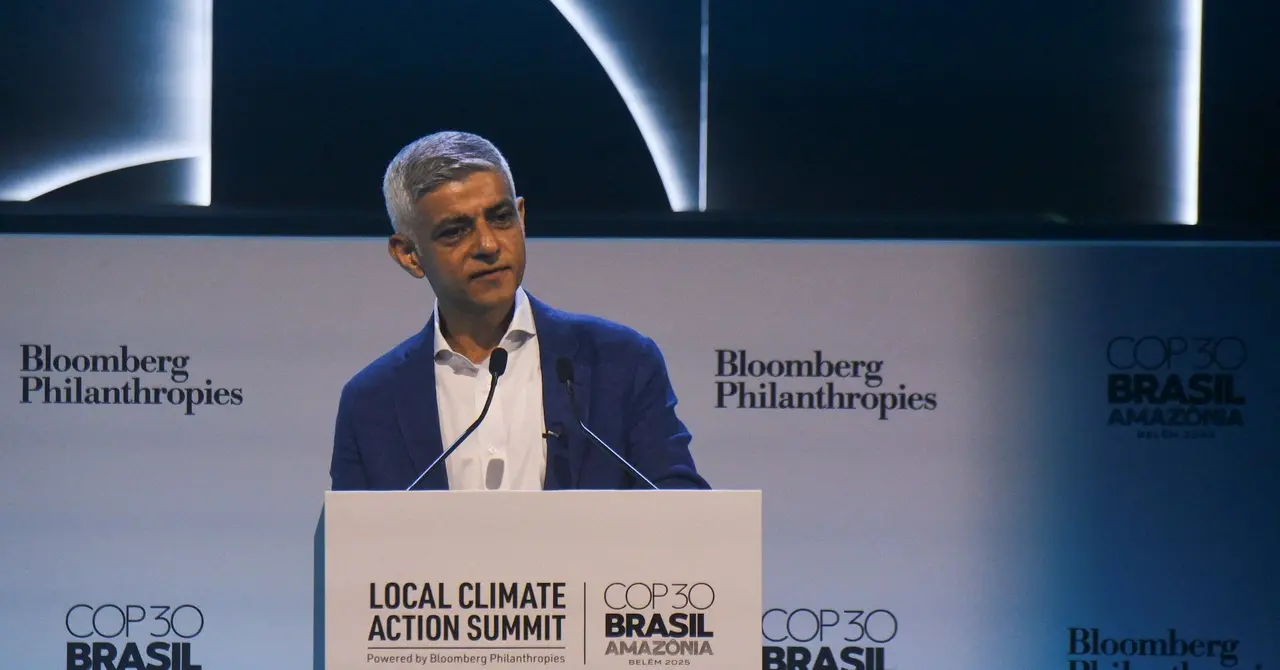
. London Mayor Sadiq Khan emphasized that while AI and digital infrastructure will play "a major role in the future prosperity of cities around the world," residents expect growth to be managed responsibly1
.
Source: Reuters
About half the 40 signatories are US cities, including Seattle, Chicago, Miami, Phoenix and Palo Alto, alongside European cities from Greece, Spain, Italy, Germany, the UK and Norway, plus cities in Canada, Kenya, South Africa, Sierra Leone, Côte d'Ivoire, India, Australia and Lebanon
2
. Notably absent are Southeast Asian cities, despite the region accounting for a quarter of global energy demand growth and hosting more than 2,000 data centres across Indonesia, Malaysia, Singapore, Thailand, Vietnam and the Philippines2
. Several cities could not sign because of national policies or complications, though C40 Cities said conversations continue . The signatories are betting that a unified front changes the calculus, preventing developers from seeking cities too weak to demand better standards2
.Summarized by
Navi
18 Jun 2026•Business and Economy

02 Dec 2025•Policy and Regulation

14 Mar 2026•Policy and Regulation
1
Startups

2
Technology

3
Policy and Regulation