AI could grow the economy and still leave millions of workers behind, executive warns


2 Sources
[1]
AI could make the economy grow but still leave workers behind
The Hill is a nonpartisan publication reporting on the inner workings of government and the nexus of politics and business. Artificial Intelligence could create millions of new opportunities and drive significant economic growth. But a thriving economy doesn't guarantee that every worker or
[2]
AI could make the economy grow yet still leave workers behind
Artificial Intelligence could create millions of new opportunities and drive significant economic growth. But a thriving economy doesn't guarantee that every worker or community will benefit. Even if AI creates more jobs than it eliminates, the transition could leave many Americans
Share
Copy Link
An opinion piece by David K. Young, president of The CEO Center at the Conference Board, argues AI could drive major economic growth and still leave many workers and communities behind. It calls on business leaders to start preparing the workforce now
2
1
.
Source: The Hill
He argues the transition could leave many Americans behind despite a growing economy, and that acting now on training, education and data is how its benefits get shared broadly
2
1
.The manufacturing warning
His warning comes from history. US manufacturing employed nearly 20 million Americans at its 1979 peak. Over the following 40 years, about 7 million manufacturing jobs disappeared while overall employment expanded by roughly 67 percent. Growth did not save the workers who lost their livelihoods, and the communities around them carried the damage
2
1
.The stakes he describes go beyond paychecks. Research he cites links prolonged job loss to poorer physical and mental health, unstable family life and greater reliance on public benefits. The same work ties the offshoring-era manufacturing disruption to increased political polarization
2
1
. There is a fiscal cost too. In the Great Recession's opening year, federal tax revenue dropped 17 percent, and job losses push up enrollment in unemployment benefits, Social Security, Medicare, Medicaid and food assistance. Federal debt is already at historic levels, he argues, so the country can ill afford another disruption2
1
.What the data shows so far
The evidence on AI and jobs is, so far, mixed. Multiple analyses of job trends running into early 2026 have found no clear connection between AI adoption and falling demand for workers overall. One study suggested AI could raise wages for some lower-skilled employees
2
1
. He concedes the point himself: current labor-market effects look modest so far, and the evidence is far from conclusive. What troubles him, he says, are signs that AI may be cutting demand for early-career workers in fields like software development2
1
.Who is exposed
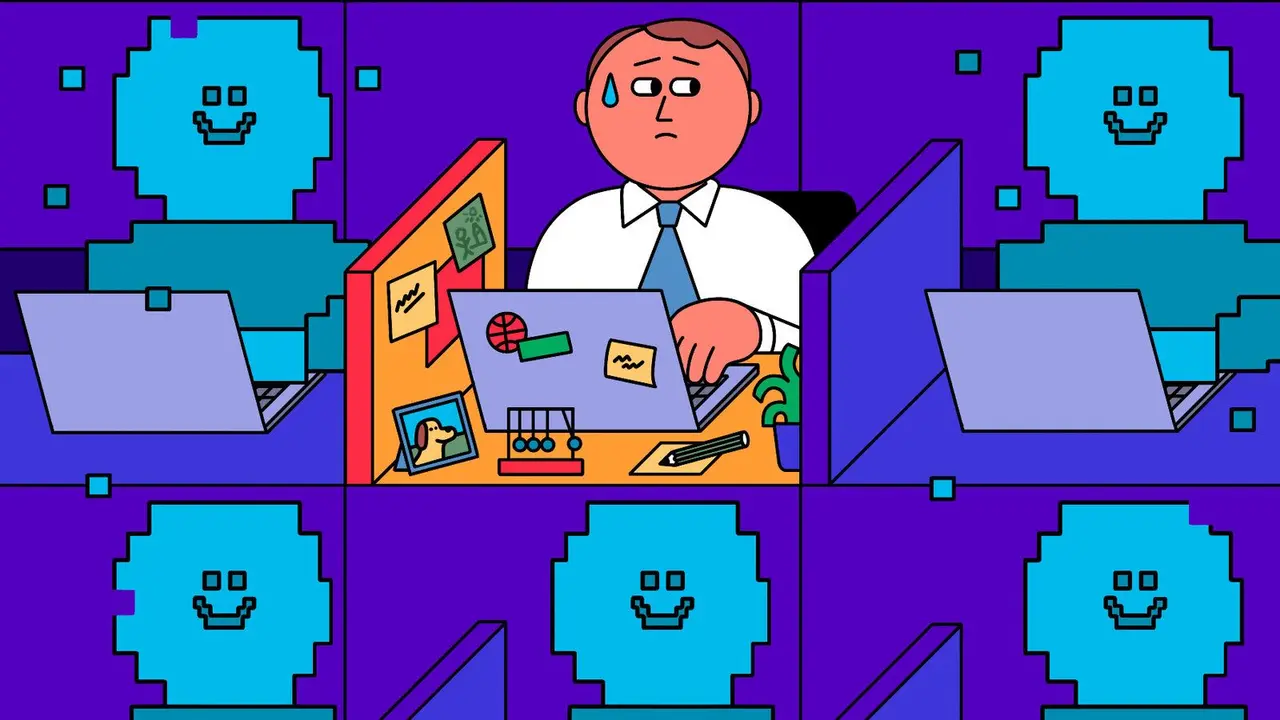
AI also breaks the usual pattern of technological disruption, in his argument. Past waves of automation hit manual work hardest. This one, he argues, could fall on professional and knowledge-based jobs, while skilled trades and hands-on occupations may be less directly exposed. Even with no net job loss, he warns, opportunity could shift toward people who can use AI well and away from those who cannot
2
1
.Related Stories
What he wants done
The piece lays out three prescriptions. Companies should broaden employer-linked training such as apprenticeships, internships and work-based learning. They should also weigh the risks of hiring fewer entry-level workers and of losing institutional knowledge when senior staff leave. Educators and policymakers should build flexible, employment-focused programs for displaced workers. And business, government and academia should improve how they collect data on AI's workplace effects
2
1
.He concludes that whether AI brings broad growth or widespread job loss depends on choices made during deployment. Business leaders, he argues, can shape which of those outcomes arrives
2
1
.References
Summarized by

Navi
[1]
Related Stories
AI and automation will eliminate 6% of US jobs by 2030, but the real story is more complex
13 Jan 2026•Business and Economy

AI Layoffs Backfire: Why Worker Productivity Falls Despite Billions in AI Investments
08 Aug 2026•Business and Economy
Economists Shift Stance on AI and Jobs as New Data Shows Early Signs of Workforce Disruption
02 Apr 2026•Business and Economy

Recent Highlights



Recent Highlights
Today's Top Stories










Don’t drown in AI news. We cut through the noise - filtering, ranking and summarizing the most important AI news, breakthroughs and research daily. Follow topics that matter to you and stay ahead.


