AI data centers emit as much as Denmark, and no one officially counts them


19 Sources
[1]
Massive data centres collectively use as much electricity as an entire US state | New Scientist
The largest data centres in the US are responsible for about 2 per cent of the country's entire annual electricity use The largest data centres in the US are using roughly the same amount of power collectively each year as one of the country's major states, according to new figures that underscore
[2]
Just 400 US Data Centers Use More Electricity Than Michigan
Just 400 hyperscale data centers connected in the US used as much electricity as the state of Michigan in a single year, new Harvard research has found. The study, published Monday in Nature Sustainability, also finds that the majority of that electricity was generated using fossil fuels, and data
[3]
U.S. hyperscale data centers' combined electricity use rivals that of some states
Over the course of a year, hyperscale data centers (HDCs) -- the largest and most powerful class of data centers, supporting services such as cloud computing, large language model training and global deployment of artificial intelligence (AI) tools -- are powered mostly by fossil fuels and use as
[4]
Study estimates magnitude of US data center pollution as climate talks unveil clean AI pledge
The 400 largest data centers in the United States put more heat-trapping gas in the air in one year than the entire nation of Denmark did, and that was before the artificial intelligence boom really got going, according to a Harvard University study published Monday. Meanwhile, negotiators at the
[5]

Carbon Emissions of Biggest U.S. Data Centers Already Rival Entire Countries, Study Reveals
The largest data centers in the United States are already responsible for an estimated 25.7 million metric tons of carbon dioxide emissions annually -- nearly as much as the country of Bolivia emits each year -- according to a new report. The study, published Monday in the journal Nature
[6]

US data centers are burning through as much electricity as entire states
Between 2024 and 2025, America's largest data centers used as much electricity as the state of Michigan, according to a recently published account by an international team of researchers. Much of that power came from burning natural gas and coal, putting into shocking perspective the potential
[7]

Scientists Finally Know Much Energy US Data Centers Consume
Researchers crunched the numbers, and now they're sounding the alarm on data centers' energy use and carbon emissions. Power Shift is Ellyn Lapointe's ongoing Gizmodo series that explores advancements in green technology, with a focus on renewable energy, grid modernization, and emissions
[8]

Study: 403 U.S. hyperscale data centers rival Denmark's emissions; Oregon ranked No. 2 in power use
A Harvard-led study estimates that electricity use at 403 U.S. hyperscale data centers was equal to roughly 25.7 million metric tons of carbon dioxide emissions -- a volume roughly comparable to Denmark's carbon footprint. The research examined some of the nation's largest and most powerful data
[9]

Surge of US datacenters adds equivalent of Denmark's annual emissions, study finds
'Hyperscaler' datacenters across country draw upon dirtier power sources to meet vast energy needs, research shows The frantic buildout of "hyperscaler" datacenters in the US has collectively caused planet-heating emissions of about the same scale as Denmark emits in a year, new research has
[10]

Over 400 American AI Data Centers Use As Much Electricity As Wisconsin, Michigan, or Indiana
* Custom Feed: See the stories that matter most to you. * Smart Alerts: Get notified about major news as it happens. Weekly · Making sense of the energy and climate economy SIGN UP Yes, I agree to receive promotions and news from Time. Please agree to receive promotions to sign up. Something
[11]

US data centers' carbon footprint rivals small European countries
Washington (United States) (AFP) - A new study published Monday found that the United States' most powerful data centers accounted for around two percent of the country's electricity consumption and a carbon footprint comparable to that of a small European country -- a figure that is only
[12]

Harvard study: Hyperscale data centers collectively power through more electricity than some U.S. states
Peer-reviewed science about data center emissions remains rare. A new study published in 'Nature Sustainability' left researchers shocked. Hyperscale data centers across the country are using as much electricity as entire states over the course of one year, according to a new study. And with the
[13]

Study estimates magnitude of US data center pollution as climate talks unveil clean AI pledge
The 400 largest data centers in the United States put more heat-trapping gas in the air in one year than the entire nation of Denmark did, and that was before the artificial intelligence boom really got going, according to a Harvard University study published Monday. Meanwhile, negotiators at the
[14]

US Hyperscale Data Centers Emit as Much as Denmark, Report Says
ANTALYA, Turkey, Nov 16 (Reuters) - The 403 hyperscale data centers currently operating around the US emit as much greenhouse gas emissions as the country of Denmark annually, according to a new peer-reviewed study released on Monday. * The report by Harvard University researchers published in
[15]

US data centers' carbon footprint rivals small European countries
A recent study indicates that hyperscale data centers in the United States consume about two percent of total electricity. The research highlights an increasing carbon footprint similar to that of a small European country. Researchers identified a significant reliance on fossil fuels powering these
[16]
Study Estimates Magnitude of US Data Center Pollution as Climate Talks Unveil Clean AI Pledge
The 400 largest data centers in the United States put as much heat-trapping gas in the air in one year as the nation of Denmark The 400 largest data centers in the United States put more heat-trapping gas in the air in one year than the entire nation of Denmark did, and that was before the
[17]

US hyperscale data centers emit as much as Denmark, report says
ANTALYA, Turkey, Nov 16 (Reuters) - The 403 hyperscale data centers currently operating around the US emit as much greenhouse gas emissions as the country of Denmark annually, according to a new peer-reviewed study released on Monday. o The report by Harvard University researchers published in the
[18]

A New Study Finds Hyperscale Data Centers Emit as Much Carbon as Denmark
Harvard researchers collected metrics on more than 400 data centers to determine their energy use and carbon emissions. During the midterm elections, Americans made one thing very clear: Data centers must be reined in. A vast majority of communities across the country voted to ban or restrict the
[19]

US data centers now burn more electricity than a midsized country
Fossil fuels are still the biggest source of electricity for hyperscale data centers in the US, a new paper published in the journal Nature Sustainability shows. They likely burn through more electricity collectively than many countries do, resulting in a serious amount of greenhouse gas
Share
Copy Link
AI data centers' footprint has gone unmeasured by any government. A Harvard team rebuilt it from satellites and finds emissions two to three times the 2018 estimate, as regulators and voters push back.
A Harvard-led team has produced one of the first peer-reviewed, facility-level estimates of what America's biggest data centers actually consume, and the numbers are large. Published Monday in Nature Sustainability
3
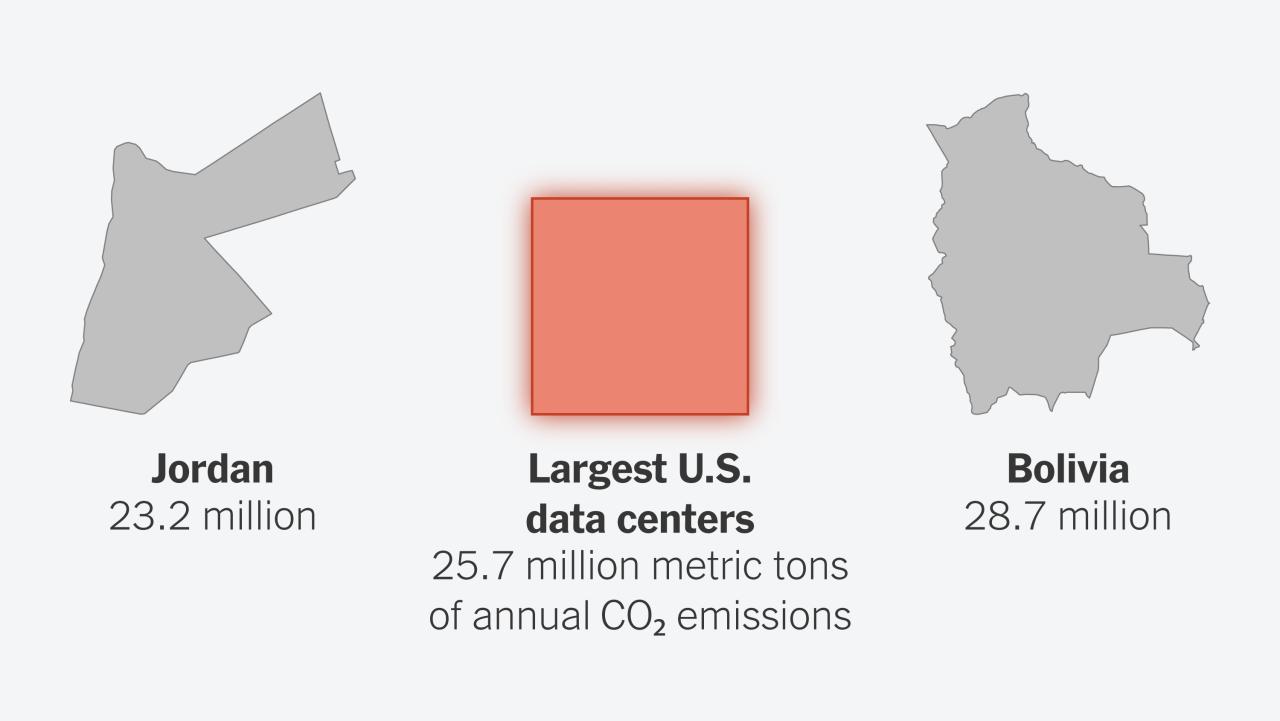
, the study attributes an estimated 25.7 million metric tons of carbon dioxide a year to the country's hyperscale data centers, about what Denmark emits nationally and two to three times an earlier 2018 estimate1
3
6
.
Source: NYT
Rebuilt from satellites and power-plant records
The researchers say they started in 2024 because generative AI's expansion had outgrown the data available to measure it
3
10
. The 403 centers in the study used an estimated 68 to 99 TWh of electricity over a year, with a central estimate of about 82. That is more than New York City and Los Angeles use together2
5
10
. No federal or state agency tracks data-center power use separately, and operators treat the figures as proprietary2
5
. So Gianluca Guidi, a Harvard postdoctoral researcher and the study's lead author, and colleagues rebuilt the picture themselves. They assembled the facility list from a commercial dataset checked against satellite imagery and modeled each site's consumption. Emissions were assigned using Environmental Protection Agency records of regional power-plant mixes2
6
. Because they left out sites they could not verify and any on-site generation, the researchers call the result a conservative lower bound. At least 250 more data centers have opened since the study window closed5
10
.About 54% of the electricity came from fossil fuels, roughly 38% gas and 15% coal, judged by regional grid mixes rather than the clean-energy purchases companies make
1
3
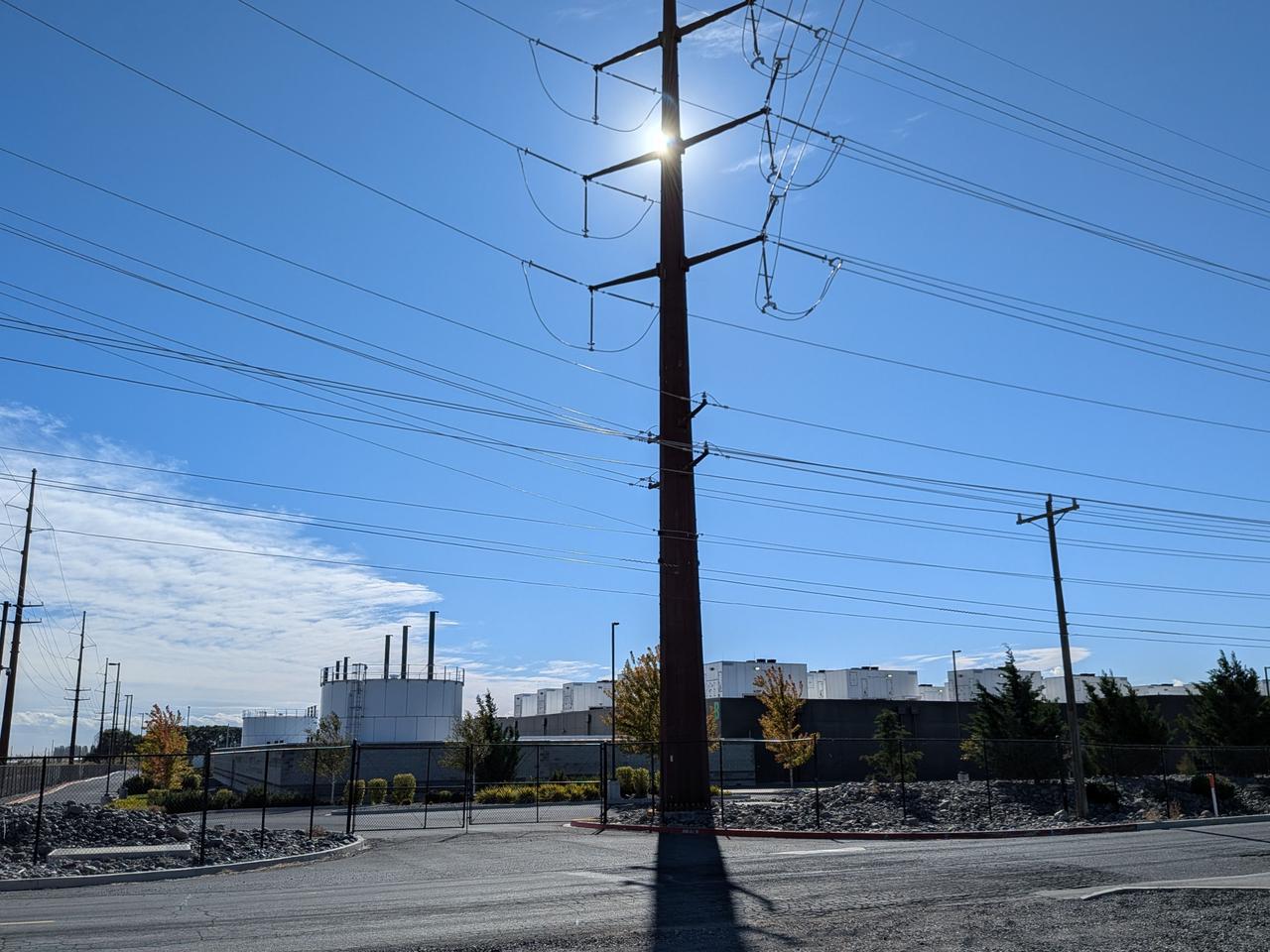
. Geography changes the outcome sharply. Oregon ranks second in power use but only sixth in emissions thanks to hydropower. By the study's modeling, the same electricity carries about seven times more carbon in Wyoming's grid mix than in Oregon's6
10
. "So these environmental impacts are not necessarily inevitable. Geography matters," Guidi said10
. Four states, Virginia, Oregon, Ohio and Iowa, held over half the electricity, with Virginia alone at about a quarter2
10
.
Source: GeekWire
The numbers come with an argument. Some outside researchers, including the energy scholars Koomey and Masanet, call the modeling a reasonable and much-needed baseline
2
4
. Others, including the analyst de Vries-Gao, say the commercial data cannot be independently checked and the analysis is too coarse to capture grid nuances1
. Guidi concedes part of that: many assumptions are baked in, he says, and the snapshot is already outdated by continued growth8
.The backlash was already organized
The study lands in a fight already underway. Voters limited or blocked data-center development in 40 of 41 local ballot initiatives this month. Opposition has delayed or stopped at least 70 projects worth an estimated $271 billion since March 2024, per the consultancy Relae
5
7
. Oregon's governor paused new and expanding permits in October until July 20278
. Residents and campaigners point to strained grids, rising bills and water use. Per one consultancy report, secrecy, nondisclosure agreements and closed-door deals frame the opposition more consistently than any single environmental concern5
7
. Developers counter that data centers' energy and water use is marginal next to industries like agriculture, and they tout jobs and tax revenue9
.The same day the study appeared, Turkey and the International Telecommunication Union launched a voluntary Antalya AI Pledge at the United Nations climate summit in Antalya. The pledge calls for clean-powered data centers and disclosure of power, water and emissions, though it carries no enforcement mechanism, a gap the Harvard study was built to fill. The United Nations' own climate chief, Simon Stiell, warned against trading today's pollution for promised future savings. "We cannot ask people to accept higher bills, more planet heating pollution and deeper inequality today in exchange for promises of a better tomorrow," he said
4
.Related Stories
Built fast, powered dirty
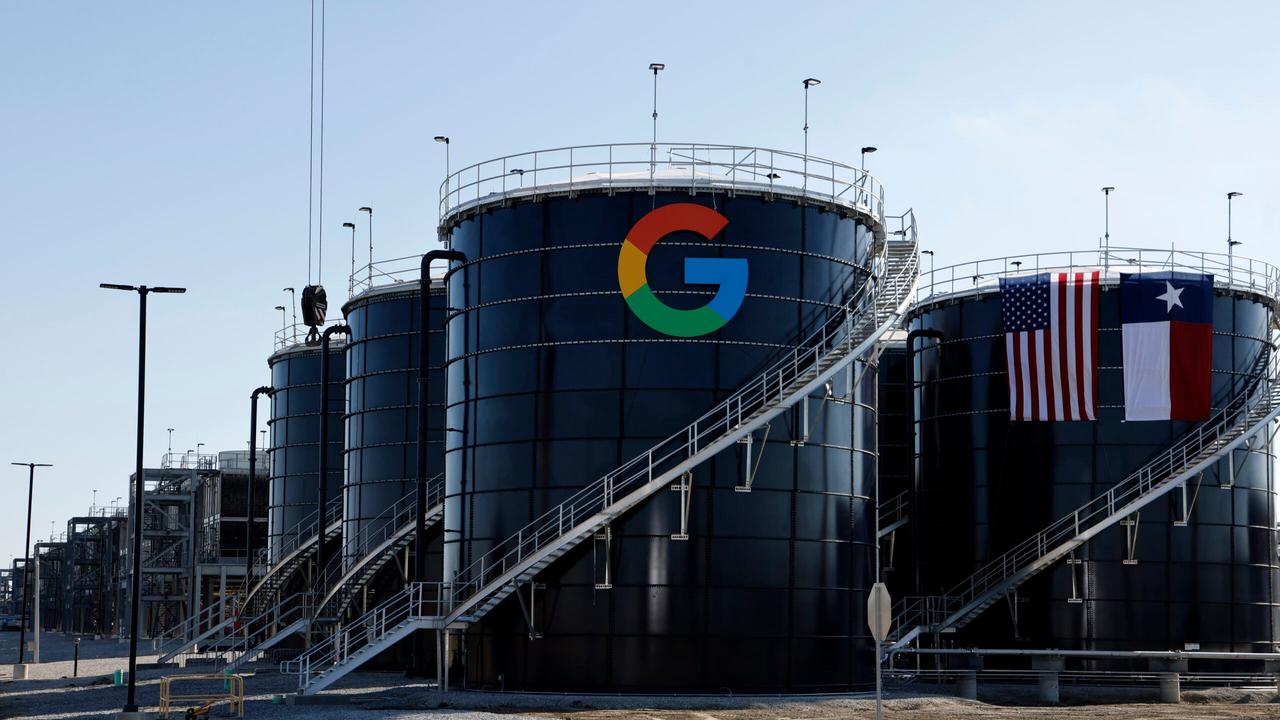
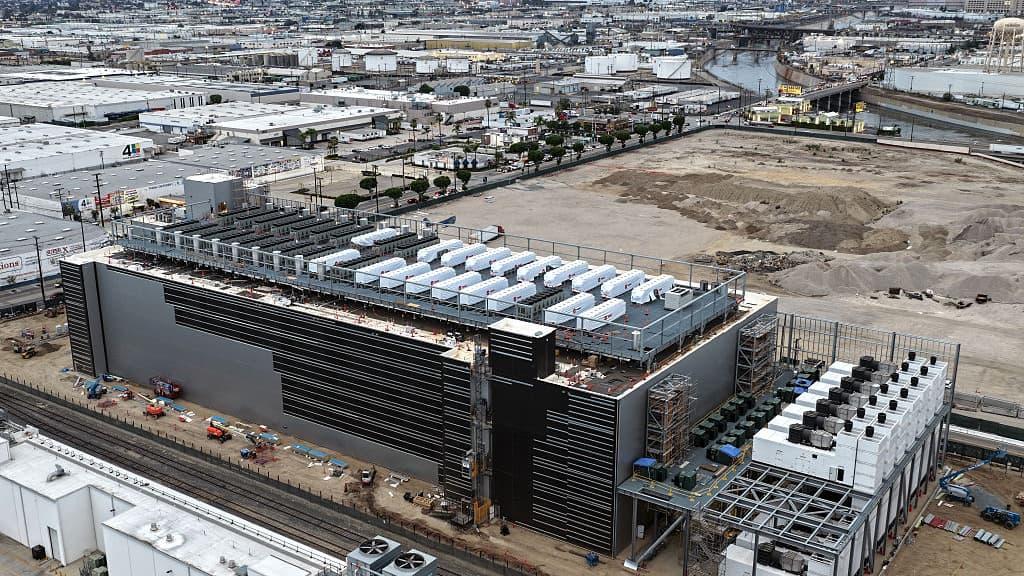
The industry is not waiting for any of this. The US had 1,156 data centers in 2025. About 1,860 were running or under construction as 2026 closed, and Guidi says more than 1,000 hyperscale facilities are operating with another 2,000 planned
6
8
. New sites increasingly build their own gas power rather than waiting for the grid. Up to 189 gigawatts of on-site generation is in the pipeline, and BloombergNEF estimates building it all could lift overall US emissions by about 10%2
10
. Guidi says the first construction wave prioritized getting facilities running fast, with power found quickly and cheaply rather than renewables7
.
Source: TIME
The study's authors are calling for mandatory public disclosure of large operators' electricity use and emissions
1
3
. "Communities shouldn't need a team of Harvard researchers to analyze satellite images to understand their environmental impact," Guidi said5
.References
Summarized by

Navi
[1]
Related Stories
Data center emissions 57% higher than expected as AI boom drives unprecedented carbon footprint
30 Jun 2026•Business and Economy

AI Data Centers' Carbon Emissions Surge, Rivaling Commercial Airlines
18 Dec 2024•Technology

11 Gas-Powered AI Data Centers Could Emit More Greenhouse Gases Than Morocco
24 Apr 2026•Technology
Recent Highlights


Recent Highlights
Today's Top Stories






Don’t drown in AI news. We cut through the noise - filtering, ranking and summarizing the most important AI news, breakthroughs and research daily. Follow topics that matter to you and stay ahead.


