AI-Powered Mammograms: A Dual Screening Tool for Breast Cancer and Heart Health


4 Sources
[1]
AI-powered mammograms: A new window into heart health
Mammograms, with the help of artificial intelligence (AI) models, may reveal much more than cancer, according to a study being presented at the American College of Cardiology's Annual Scientific Session (ACC.25). The findings highlight how these important cancer screening tools can also be used to
[2]
AI technology in mammograms could predict heart disease in women
American College of CardiologyMar 20 2025 Mammograms, with the help of artificial intelligence (AI) models, may reveal much more than cancer, according to a study being presented at the American College of Cardiology's Annual Scientific Session (ACC.25). The findings highlight how these important
[3]
AI-powered mammograms provide a new window into heart health
Mammograms, with the help of artificial intelligence (AI) models, may reveal much more than cancer, according to a study being presented at the American College of Cardiology's Annual Scientific Session (ACC.25). The findings highlight how these important cancer screening tools can also be used to
[4]
Mammograms Can Help Assess Women's Heart Health As Well
TUESDAY, March 25, 2025 (HealthDay News) -- Mammograms can be used to screen for more than just breast cancer, researchers say. The X-ray breast scans also can be used to assess calcium deposits in arteries, which is an indicator of heart health, researchers are scheduled to report Monday at a
Share
Copy Link
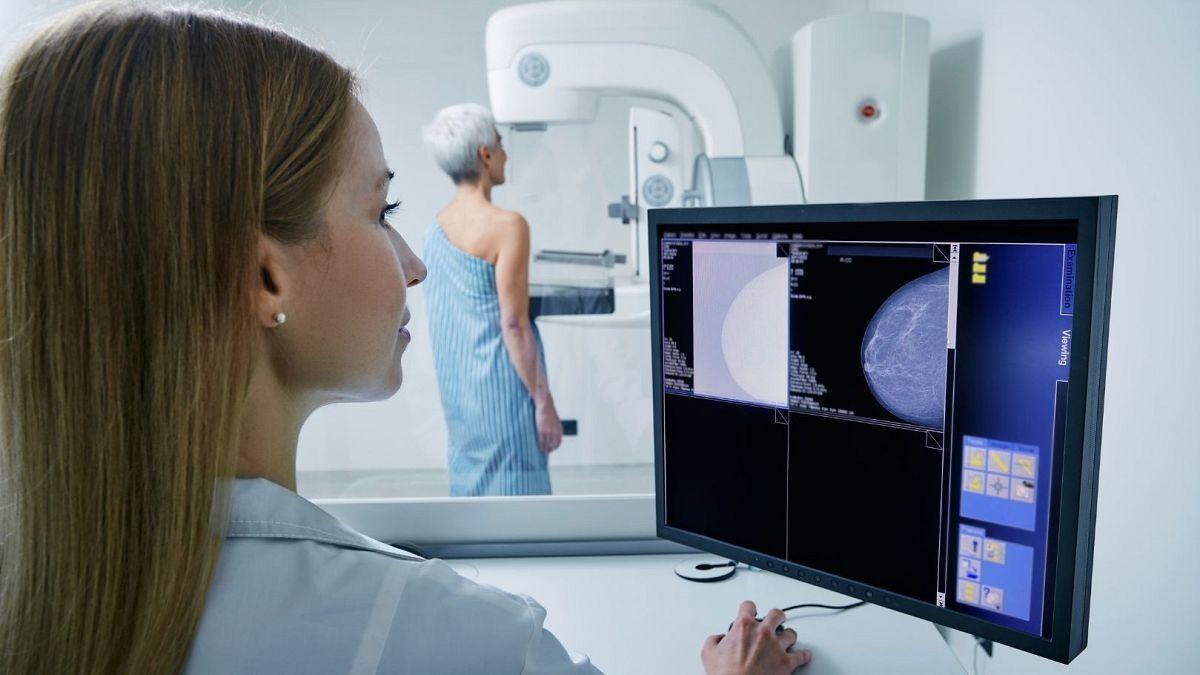
A new AI model analyzes mammograms to assess breast arterial calcification, providing insights into cardiovascular health alongside cancer screening. This innovative approach could revolutionize early detection of heart disease in women.

AI-Powered Mammograms: A New Frontier in Women's Health
A groundbreaking study presented at the American College of Cardiology's Annual Scientific Session (ACC.25) has revealed that artificial intelligence (AI) can transform mammograms into powerful tools for assessing both breast cancer and heart health. This innovative approach could revolutionize early detection and prevention strategies for cardiovascular disease in women
1
.The Dual-Purpose Screening Tool
Researchers have developed an AI model that can analyze breast arterial calcification (BAC) in mammogram images, translating this information into a cardiovascular risk score. This development is significant because while BAC is visible in mammograms, radiologists typically do not quantify or report this information
2
.Dr. Theo Dapamede, the study's lead author from Emory University, emphasized the potential of this technology: "We see an opportunity for women to get screened for cancer and also additionally get a cardiovascular screen from their mammograms"
3
.The AI Model and Its Findings
The AI model was trained using a deep-learning approach to segment calcified vessels in mammogram images. It analyzed data from over 56,000 patients who had mammograms at Emory Healthcare between 2013 and 2020, with at least five years of follow-up health records
1
.Key findings from the study include:
- The model effectively categorized patients' cardiovascular risk as low, moderate, or severe based on mammogram images.
- The rate of serious cardiovascular events increased with BAC levels in women under 60 and those aged 60-80, but not in those over 80.
- Women with the highest level of BAC (above 40 mm²) had a significantly lower five-year survival rate (86.4%) compared to those with the lowest level (95.3%)
2
.
Related Stories


Implications for Women's Health
Heart disease remains the leading cause of death in the United States, yet it is often underdiagnosed in women. This AI-enabled mammogram screening tool could help identify more women with early signs of cardiovascular disease, taking advantage of a routine screening test that approximately 40 million women in the U.S. undergo annually
4
.Previous studies have shown that women with calcium buildup in their arteries face a 51% higher risk of heart disease and stroke. The new AI model could provide early warning of heart disease risk, particularly beneficial for younger women who can benefit more from early interventions
1
.Future Prospects
The AI model, developed collaboratively by Emory Healthcare and Mayo Clinic, is not yet available for clinical use. It requires external validation and FDA approval before potential commercial availability. Researchers are also exploring the possibility of using similar AI models to assess biomarkers for other conditions, such as peripheral artery disease and kidney disease, from mammogram images
3
.This innovative application of AI in healthcare demonstrates the potential for technology to enhance existing medical procedures, providing more comprehensive health information without additional testing or patient burden.
References
Summarized by

Navi
[1]
[2]
[3]
Related Stories
Recent Highlights
1
Meta Unveils Muse Wonder Frontier AI Models, Claims Performance Matching OpenAI and Anthropic
Technology

2
IMF Report Warns AI Market Correction Could Spark Global Financial Crisis With $1.4T at Risk
Business and Economy

3
OpenAI Releases 722 AI-Generated Math Solutions, Triggering Existential Crisis in Mathematics
Technology

Recent Highlights
Today's Top Stories












Don’t drown in AI news. We cut through the noise - filtering, ranking and summarizing the most important AI news, breakthroughs and research daily. Follow topics that matter to you and stay ahead.


