28 Sources
28 Sources
[1]
Amazon is reportedly developing an AI-centric smartphone
Amazon is developing a new smartphone over a decade after discontinuing the Fire Phone, Reuters reported today, citing four anonymous "people familiar with the matter." Reuters said the phone is codenamed Transformer but couldn't confirm what it might cost, how much Amazon has invested into development thus far, or how much Amazon expects to make off the device. Like any product reportedly under development, it's possible that Amazon will never release the phone. Reuters' sources noted that Transformer could be cancelled over finances or a change in strategy. When reached for comment by Ars Technica, an Amazon spokesperson declined to comment on Reuters' report. Amazon reportedly considered making a dumbphone but is now working on a smartphone built around its own services. Alexa could potentially serve as the phone's operating system, but Reuters' sources said that's not certain and did not elaborate on how the system would work. Amazon's team also wants the phone to make it easy to shop via Amazon and partners like Grubhub and to stream content from Prime Video and Prime Music. AI integration is a "key focus" of Transformer, per Reuters' sources, who said that Amazon wants the phone to drive usage of Amazon's AI products. The phone may use AI in lieu of app stores, the sources said, similar to the Light Phone, which the Transfomer development team is taking "inspiration" from, Reuters said, citing two of its sources. Reuters' report doesn't explicitly mention "Alexa+," the generative AI version of Alexa, but the subscription-based assistant would likely be central to Transformers' reported goals. Fire Phone, take two Amazon's reported attempts to develop a new smartphone come at an interesting time. It's been about 11 years since Amazon killed the FireOS-based Fire Phone, which sold for only about a year before it was discontinued due to poor sales. Meanwhile, Amazon's devices division has reportedly struggled financially for years, largely because Alexa-based devices have failed to generate revenue. A return to smartphones would pit Amazon against Apple and Samsung, which dominate the market and bring years of app ecosystems, hardware innovation, AI development, and loyal fanbases. It's unclear why Amazon thinks now is a good time to get back into phones. Even potentially low prices may not be enough to convince people to buy.
[2]
Amazon working on new smartphone with Alexa at its core, report says | TechCrunch
Looks like Amazon's getting back into the smartphone game. More than 11 years after the e-commerce giant pulled the plug on its failed first effort, the Fire Phone, the company is now developing a new smartphone codenamed "Transformer," Reuters reported, citing anonymous sources. The device is being developed by the company's Devices and Services division, and it would feature personalized features that would make it easier to use Amazon's suite of apps, including Amazon Shopping, Prime Video, and Prime Music, the report said. The smartphone would also support Alexa, the smart home assistant that Amazon has been investing heavily in, adding AI chops and expanding support to work with most of the company's devices. AI features are said to be a big focus for the smartphone, which is being seen internally as a way to encourage Amazon customers to use its AI products, Reuters reported. The smartphone is said to be developed by a relatively new unit within the Devices division called ZeroOne, which is led by J Allard, a former Microsoft executive who helped create the Xbox. The news comes as Amazon has been going all-in on AI, investing $50 billion into OpenAI recently, and projecting $200 billion in capital expenditures towards its AI, chips, and robotics efforts in 2026. The company spent more than a year revamping its Alexa assistant with generative AI features, finally launching it this February as Alexa+. The assistant keeps its smart home chops, and can now do most things that other AI chatbots can -- like planning an itinerary for a trip, updating a shared calendar, finding and saving recipes to a library, making movie recommendations, helping with homework, exploring a topic, and more.
[3]
Amazon Reportedly Planning Alexa-Focused Phone for Shopping and AI
Amazon is reportedly developing a new mobile device that would sync with its existing ecosystem of software and hardware, including Alexa-based smart hubs and its Prime Video TV service. The project is being referred to internally as "Transformer" and could still be in the early stages, according to Reuters. At this stage, there's no word on a possible timeframe for release, or much information on what would differentiate the phone from the devices it would compete with from companies including Apple and Samsung. The phone would be focused on AI features instead of app downloads, according to the sources cited in the report. Perhaps inevitably, it would also make it easier than ever to buy products from Amazon and use its services, including Prime Video and Prime Music. The voice assistant Alexa would not be the primary operating system driving the phone, sources said. Amazon is also rumored to be developing an Android tablet, which would be a break from the tablets it sells running its own Fire OS software. A representative for Amazon declined to comment on the report. In CNET's review of Amazon's Fire Phone back in 2014, Jessica Dolcourt awarded the phone 6.9/10, calling it "daring, aspirational and pleasing to use," but noting that it's sub-optimal price, performance and specs. "You need to be all-in on the Amazon ecosystem to fully appreciate it, and even then, it's not delivering a lot of Amazon features that you can't get on rival products." So what could Amazon do differently this time to ensure it doesn't have another flop phone on its hands? "Amazon proved it can put its name behind electronics at a consumer-friendly price," says Dolcourt, commenting on the company's rumored return to the phone market. "The harder part is to create a compelling phone that people actually want to use. It's not enough for a few perks to tie back to a juggernaut platform -- it has to deliver as a standalone device." Whether Amazon has learned from its mistakes and can make a phone capable of challenging industry leaders such as Apple and Samsung remains to be seen. We can only hope this rumor doesn't flame out before the Fire Phone's successor comes to fruition.
[4]
Amazon is making an Alexa phone
App availability was a major challenge for the original Fire Phone, and something Amazon may try to avoid entirely this time around. According to people familiar with the new phone, "integrating artificial intelligence capabilities into the device" has been a central focus, which could mean "Transformer" may rely on mini apps like those available in ChatGPT, rather than a fully-fledged app store. There is no timeline yet for when Amazon will release "Transformer," if ever, or how much it could cost. The original Fire Phone launched at $199, but it failed to catch on and Amazon scrapped it a year after its release. Amazon has been pushing to keep up with its rivals in AI over recent years, which may be driving it to reignite its smartphone ambitions. However, it may still face an uphill battle winning over users on its revamped version of Alexa -- users posted complaints online after getting automatically upgraded to the LLM-powered Alexa Plus earlier this year, saying it was "flooded with ads" and took longer to respond to queries.
[5]
Remember Amazon's Fire Phone? An Alexa Phone May Be Next
Amazon may be set to return to making smartphones, over a decade after the Fire Phone's failure. Reuters quotes four anonymous sources familiar with Amazon's upcoming plans who say the brand is actively working on a new mobile phone. It says the device is internally referred to as "Transformer," and current plans suggest Amazon's unique angle would be to focus on its Alexa voice assistant. Sources indicate that the device is intended to connect to Alexa Plus, the LLM-powered voice assistant normally used to interact with smart home gadgets or smart TVs. The phone would act as a way for people to interact with the assistant throughout the day, away from home. The report says Amazon may lean toward AI capabilities rather than encouraging users to download traditional apps. Amazon's Alexa+ Store is a digital storefront where you can download apps like DoorDash or Uber to purchase services via the AI voice assistant on your home's speakers. Amazon may expand this functionality to other third-party providers, thereby avoiding the need for apps. One of Amazon's biggest rivals, ChatGPT, introduced similar third-party app functionality to its own chatbot last year. The sources say Amazon has yet to decide on an operating system for its phone. The original Fire Phone came with Amazon's own software, Fire OS, which was a fork of Android. This new report says Amazon's team has also explored multiple design ideas, including dumb phones inspired by the Light Phone series. The Light Phone III features a black-and-white matte OLED display and limited functionality to discourage some of the most addictive aspects of smartphone use. Amazon is reportedly considering a dumb phone design to make this an additional device people would use alongside their typical Android phone or iPhone, rather than competing to become their main handset. There's no word yet on a release window for this new Amazon smartphone, and sources note it may not make it to a final release. They cautioned that the project may be scrapped if Amazon changes strategy, which suggests "Transformer" may be in the early stages of development. Amazon has been pushing to improve its Alexa voice assistant amid rising competition from ChatGPT, Google Gemini, and other chatbots. Amazon introduced its Alexa Plus update to all customers earlier this year, though the tool has proven controversial with users, with some online saying its functionality is limited.
[6]
Exclusive: Amazon plans smartphone comeback more than a decade after Fire Phone flop
SAN FRANCISCO, March 20 (Reuters) - In 2014, Amazon (AMZN.O), opens new tab introduced its first smartphone, hoping to take on Apple and Samsung. Instead, the Fire Phone - overseen directly by founder Jeff Bezos - was scrapped in barely over a year, one of Amazon's highest-profile flops. Now, Amazon is dialing up a new phone. The latest effort, known internally as "Transformer," is being developed within its devices and services unit, according to four people familiar with the matter. The phone is seen as a potential mobile personalization device that can sync with home voice assistant Alexa and serve as a conduit to Amazon customers throughout the day, the people said. The initiative is the newest chapter in a years-long effort to bring to market Bezos' long-held vision, opens new tab of a ubiquitous voice-driven computing assistant akin to the voice-controlled computer in science fiction series "Star Trek." Bezos had envisioned a smartphone that had shopping at its core and could take on Apple by offering shipping convenience and discounts through the Prime membership. Along the way, Amazon could gain a wealth of new data about users only available through mobile phones combined with purchase history and content preferences. Amazon's effort to develop a new smartphone has not been previously reported. Reuters could not determine some details, such as the anticipated price of the phone, the revenue Amazon hopes to generate, or the financial commitment Amazon has made to the project. The timeline for Amazon's Transformer project is also unclear, and the people cautioned it could be scrapped if the strategy shifts or due to financial concerns. An Amazon spokesperson declined to comment for this story. As envisioned, the new phone's personalization features would make buying from Amazon.com, watching Prime Video, listening to Prime Music or ordering food from partners like Grubhub easier than ever, the people said. They asked for anonymity because they were not authorized to discuss internal matters. A key focus of the Transformer project has been integrating artificial intelligence capabilities into the device, the people said. That could eliminate the need for traditional app stores, which require downloading and registering for applications before they can be used. Alexa would likely be a core feature but not necessarily the primary operating system of the phone, the people said. Indeed, the short history of AI-embedded hardware is full of failed entrants, including the Humane AI pin and Rabbit R1 assistant which both sought to make generative AI available without the need to log in to computers or mobile phones. Following poor critical receptions, the gadgets were discontinued. That has not deterred others from pursuing AI-native devices that do away with the app-driven visual language of smartphones. OpenAI is working with former Apple design chief Jony Ive on several hardware prototypes, while Apple, Google and Meta are developing new AI-embedded glasses and other devices, such as watches and headphones. While Amazon's AWS is dominant in providing global cloud computing infrastructure, the company has sought to overcome a reputation for being flat-footed in offering AI applications as rivals have sped ahead. Alexa, which underwent a multi-year AI-led revamp before its new launch in 2025, is seen internally as critical to Amazon's future in consumer-facing services. The phone, the people said, is another attempt by Amazon to accelerate customers' AI usage either on the device or through Alexa. FIRED PHONE Amazon's initial entry into the smartphone market in 2014 included features such as a camera-based shopping tool that recognized products, found them for sale on Amazon.com and put them in customers' online carts. The Fire Phone's proprietary Fire OS lacked popular apps available in the Android and iOS app stores, and had a complicated multi‑camera screen system for displaying 3D images that used so much battery power that the handset often overheated. Amazon packaged the Fire Phone with a free year of Amazon Prime, but it nonetheless sold poorly. Amazon cut the price from $649 unlocked to $159 and ultimately canceled the phone after 14 months, taking a $170 million charge for unsold inventory. Colin Sebastian, analyst at financial firm R.W. Baird, said the fact that Amazon has failed before with a smartphone doesn't make it insurmountable to try again, but cautioned that it will be difficult. "Amazon will have to give consumers a compelling reason to switch phones and people are pretty attached to the existing app stores," he said. As it did over a decade ago, Amazon faces the daunting task of unseating market leaders Apple and Samsung, which together commanded about 40% of global sales last year, according to Counterpoint Research, a technology-focused market research firm. And smartphone shipments are headed for their biggest decline ever in 2026, expected to plunge 13%, according to International Data Corporation, as surging memory chip prices drive up device costs. MANDATE FOR 'BREAKTHROUGH' GADGETS The project is being led by a year-old group within Amazon's devices unit called ZeroOne, whose mandate is to create "breakthrough" gadgets, the people said. ZeroOne is led by J Allard, a former Microsoft executive involved in such devices as the Zune music player and Xbox gaming console. The head of Amazon's devices and services unit, Panos Panay, has been working to reverse years of unprofitability in the division. That includes a forthcoming tablet that will -- for the first time -- run Android instead of Fire OS and could sell for around $400, which Reuters was first to report. Three people who have worked on the Transformer project said the phone is still under development. The company has explored both a traditional smartphone and a so‑called "dumbphone" with more limited features that could help counter screen addiction. Amazon has not yet sought wireless carrier partners for the device, these people said. One inspiration for the new phone has been the Light Phone, two of the people said, a $700 minimalist smartphone with a camera, map, calendar and not much else, such as an app store or web browser. A dumbphone or feature phone could also help Amazon market it as a potential second handset to accompany iPhones and Samsung Galaxies already in customers' pockets, the people said. Such handsets, like the Light Phone and flip phones, accounted for 15% of global handset sales in 2025, according to Counterpoint Research. Scant data exists on how many people carry more than one phone, said Chetan Sharma, an independent wireless analyst. Nowadays, he said, the practice is most common among white-collar workers who want a second phone away from the prying eyes of their employers or parents who want a device to give to teenagers to limit access to social media. Reporting by Greg Bensinger in San Francisco; Editing by Kenneth Li and Michael Learmonth Our Standards: The Thomson Reuters Trust Principles., opens new tab * Suggested Topics: * Technology Greg Bensinger Thomson Reuters Greg Bensinger joined Reuters as a technology correspondent in 2022 focusing on the world's largest technology companies. He was previously a member of The New York Times editorial board and a technology beat reporter for The Washington Post and The Wall Street Journal. He also worked for Bloomberg News writing about the auto and telecommunications industries. He studied English literature at The University of Virginia and graduate journalism at Columbia University. Greg lives in San Francisco with his wife and two children.
[7]
Amazon is trying smartphones again after the Fire Phone flop with Alexa-first "Transformer"
Serving tech enthusiasts for over 25 years. TechSpot means tech analysis and advice you can trust. Rumor mill: Amazon is working on a smartphone that revives one of Jeff Bezos' longest-running ambitions: a voice-driven computing assistant that follows users through their day, rather than sitting on a kitchen counter or desk. According to people familiar with the project who spoke to Reuters, Transformer is being built inside Amazon's devices and services division as a "personalization device" that could tie together the company's consumer services and its revamped Alexa assistant. The aim, the people said, is to create a phone that makes it easier to buy from Amazon.com, stream Prime Video and Prime Music, and order from partners such as Grubhub throughout the day, while leaning heavily on voice and AI instead of the familiar app-icon grid. Alexa would be a core part of the interface but is not expected to serve as the underlying operating system. A major technical focus for the team is integrating AI deeply enough that users can accomplish many tasks without downloading separate apps or registering for separate services through traditional app stores. The concept pushes Alexa closer to the sci-fi ideal Jeff Bezos has championed for years: a single, always-available voice interface that can manage a user's media, shopping and daily tasks in one place. The work on Transformer has not been publicly detailed by Amazon. There is no announced price, release window, or indication of how far the company will ultimately take the project, and people familiar with the effort caution that it could be delayed or scrapped if Amazon's strategy or financial priorities change. Amazon has declined to comment on the device. The project is being led by ZeroOne, a relatively new group within the devices unit tasked with building breakthrough gadgets. ZeroOne is headed by J Allard, the former Microsoft executive who helped shape hardware efforts including the Xbox console and the Zune music player. Internally codenamed Transformer, the device is being developed more than a decade after the failure of the Fire Phone and is designed to place Alexa, Amazon shopping, and AI-driven personalization at the center of a new mobile experience. People who have worked on Transformer say Amazon is exploring more than one form factor. One path resembles a conventional smartphone that would compete more directly with devices from Apple and Samsung, with Amazon's differentiation coming from Alexa and its services layer rather than raw hardware specs. Another option under consideration is a "dumbphone" with limited features meant to curb screen time, inspired in part by the minimalist Light Phone, which offers a camera, maps, and calendar but omits a web browser and app store. Such a device could be marketed as a second handset that complements an existing iPhone or Galaxy. Basic and minimalist phones, including flip models, accounted for about 15% of global handset sales in 2025, according to Counterpoint Research. Transformer is being developed against a far tougher backdrop than Amazon faced a decade ago. Apple and Samsung together controlled about 40% of global smartphone unit sales last year, cementing their grip on the high end of the market. At the same time, industry researcher IDC expects global smartphone shipments to fall by about 13% in 2026, the steepest decline on record, as surging memory chip prices push up device costs and encourage manufacturers to focus on higher-margin models. That combination of consolidation and contraction raises the bar for any new entrant that needs scale to make the economics work. One possible model for the new device is the Light Phone Amazon's first attempt to translate its ecosystem into a handset, the Fire Phone, illustrates the risks. Launched in 2014, the Fire Phone included a camera-based shopping tool that recognized products and added them to customers' Amazon carts and a multi-camera 3D display system intended to set it apart. But it ran on Fire OS, which lacked many popular apps available on iOS and Android, and its 3D system consumed so much power that the handset could overheat. Even after Amazon bundled a free year of Prime and cut the unlocked price from $649 to $159, the device sold poorly and was discontinued after about 14 months, resulting in a $170 million charge for unsold inventory. The broader market for AI-centric hardware also carries warning signs. Humane's AI Pin and the Rabbit R1 assistant both tried to move beyond the smartphone and offer ambient, always-available access to generative AI without requiring users to log in to a phone or computer, but both suffered poor critical receptions and weak sales. Humane ultimately wound down the pin business and sold its assets to HP. The Rabbit R1 Despite those setbacks, large platforms are continuing to experiment with AI-native devices that move away from the app-driven interface of current phones. Apple, Google, and Meta are developing new AI-embedded glasses, watches and headphones, and OpenAI has been working with former Apple design chief Jony Ive on several hardware prototypes. IDC analyst Francisco Jeronimo tells The Register that Amazon's best chance with Transformer lies not in beating Apple, Samsung or leading Chinese manufacturers on traditional smartphone metrics, but in reframing the device as an AI-first node in a broader services ecosystem. In his view, the real contest would shift toward ecosystems, AI capabilities and deep service integration - areas where Amazon can combine its commerce, content, cloud and Alexa assets. Even so, the opportunity is seen as narrow and increasingly crowded, and execution risk is high enough that missteps could leave the device with little room in a contracting market.
[8]
Why Amazon's second shot at a smartphone might not be as crazy as it sounds
When Reuters reported Friday that Amazon is working on a new smartphone, the reflexive reaction was obvious: Didn't they already try this? And didn't it go spectacularly badly? Yes, on both counts. The Fire Phone, which launched in 2014 when Jeff Bezos was still running the company, lasted 14 months and caused a $170 million writedown. It was packed with gimmicks, including a 3D display and a camera feature that recognized products and let you buy them on Amazon. It might have been the biggest example of Amazon failing to live up to its legendary mantra of starting with the customer and working backwards. But dismissing Amazon's new effort, codenamed "Transformer," as a sequel to that disaster misses the point. This isn't Amazon trying to redo 2014. It's Amazon looking at the AI landscape and betting that the shift to AI is going to fundamentally change what a mobile device is, and that the dominant smartphone makers might not be the ones leading that charge. Apple and Samsung together command about 40% of global smartphone sales, but their recent devices have been incremental upgrades, not breakthroughs. Neither company is at the forefront of AI in the way that OpenAI, Anthropic, Microsoft, and Amazon itself are. A growing number of companies are already trying to exploit that gap. OpenAI is working with former Apple design chief Jony Ive on a dedicated AI device. Meta is pushing its Ray-Ban smart glasses as an alternative to pulling out your phone. Earlier attempts at standalone AI gadgets, like the Humane AI Pin and Rabbit R1, rivaled the Fire Phone as flops in their own right, but they demonstrated the potential of AI devices. That's where Amazon may see an opening. The project is under ZeroOne, a year-old group within Amazon's devices unit with a mandate to create "breakthrough" gadgets, according to Reuters. It's headed by J Allard, the former Microsoft executive behind Xbox and the Zune music player, who joined Amazon in 2024, as GeekWire first reported. The phone is envisioned as an AI-driven personalization device that syncs with Alexa and could potentially bypass traditional app stores altogether. That vision would have been science fiction a few years ago, but it feels increasingly plausible in an era when AI agents can act on a user's behalf without opening an app. The company, for the record, isn't commenting on any of this. The project is still early, the timeline is undefined, and Reuters noted that it could still be scrapped. Amazon hasn't even approached wireless carriers yet, according to the report. But that detail actually raises an interesting question. Amazon's Leo satellite internet initiative, formerly known as Project Kuiper, sits in the same Devices & Services division as the new phone project, all under the umbrella of Panos Panay, another former Microsoft executive. Those satellites could provide wireless connectivity directly to devices, potentially bypassing traditional carriers altogether. There's no indication the two efforts are connected, but it would make a ton of sense. And then there's Amazon Sidewalk, the company's existing mesh networking protocol that uses Echo and Ring devices to create a low-bandwidth wireless network. Between satellites overhead and Sidewalk on the ground, Amazon has been quietly building out the infrastructure that could support a device like this without ever involving a traditional carrier. For the new phone project, Amazon has explored both a conventional smartphone and a stripped-down "dumbphone" with limited features, according to the Reuters report. It has considered positioning a simpler version as a companion device that customers would carry alongside their existing iPhone or Galaxy. One inspiration is reportedly the Light Phone, a minimalist handset with a camera, maps, and not much else, selling for about $700. During the original Fire Phone development, two internal teams debated the direction: a low-cost, stripped-down device vs. a high-end phone packed with features, as noted in a great "Version History" podcast by The Verge. Bezos sided with the high-end camp, and it failed. This time, Amazon appears to be hedging by exploring both paths simultaneously. It's also worth reconsidering the conventional wisdom that this kind of hardware bet is out of character for Amazon under CEO Andy Jassy, Bezos' successor. Jassy has spent much of his tenure streamlining the company and cutting projects that weren't working. But the goal of that effort isn't to avoid big bets, it's to clear out bureaucracy and make Amazon more nimble and deliberate when it makes them. Creating a dedicated hardware group with a "breakthrough" mandate and staffing it with a veteran product leader is evidence of that. Ultimately, the fact that Amazon is willing to revisit its most painful hardware failure shows how seriously it takes the idea that AI has the potential to change what a mobile device can be. This piece was adapted from a discussion between Todd Bishop and John Cook on this week's GeekWire Podcast. Listen above, or subscribe in Apple, Spotify or wherever you listen.
[9]
Amazon is reportedly making a phone based around shopping and AI
Mark has almost a decade of experience reporting on mobile technology, working previously with Digital Trends. Taking a less-than-direct route to technology writing, Mark began his Android journey while studying for a BA in Ancient & Medieval History at university. But since then, he's cast his eyes firmly on the future, with a deep love for anything that bleeps or bloops. Outside of Android tech of all types, Mark loves to hike, play video games, build small plastic men that cost far too much, and spend time with his two daughters. Oldbeards will remember when Amazon failed to set the world on fire with its Fire Phone in 2014. A commercial flop unlike anything else Amazon had ever seen before, the Fire Phone ended up costing Amazon $170 million in unsold stock, and left such a scar on Amazon's consciousness, that it didn't attempt a similar device for over a decade. But that period of hurt is coming to an end, as Amazon is reportedly working on a new Amazon-branded phone. The "Transformer" will have shopping and AI as core features This news has come to light thanks to a report from Reuters, which spoke to four people "familiar with the matter". According to the write-up, this new project is known internally as "Transformer", and will -- surprise, surprise -- have Amazon's services and shopping embedded as core features within the phone. Particular emphasis will be made on making the phone sync up with your Amazon shopping history, and it will also be tuned to work well with Prime Video streaming, Prime Music, or from Amazon partners like Grubhub. That's to be expected from an Amazon phone, of course, but there's another angle here that's all-too-predictable -- AI. The world's most tiresome buzzword will also be integrated deep within the Transformer, to the point where insiders hinted that it could remove the need for an app store with separate apps. Quite how that's supposed to work isn't answered, but then, details are fairly thin on the ground here. There's no mention of a possible release date, a price range, or even whether it would be a traditional smartphone, or something more akin to a dumbphone. In fact, the article even goes as far as to state that the project is quite fragile, and that any strategic shifts or financial concerns could cancel the project altogether. So it's a good job Amazon isn't pumping money into an obvious bubble, then. The past looms large over this project. The Fire Phone was a massive flop, largely due to the proprietary operating system that lacked the same broad app support as iOS and Android at the time. Asking people to swap over to an entirely new OS that didn't have all the same apps users were used to was a hard sell, even with Amazon behind it. Amazon is likely hoping that AI will be able to hurdle that obstacle, but quite how it does that remains to be seen. Subscribe to the newsletter for Amazon phone insights For sharper context on Amazon's rumored 'Transformer' and AI-driven phones, subscribe to the newsletter. Receive detailed analysis of shopping integration, platform risks, and the wider tech implications so you can track how these industry moves could unfold. Get Updates By subscribing, you agree to receive newsletter and marketing emails, and accept our Terms of Use and Privacy Policy. You can unsubscribe anytime. If there's a lot of juice in this particular orange, then I'm sure we'll see more about this Amazon Transformer in the next few years. However, don't be surprised if we learn in a decade that it got quietly canceled.
[10]
Amazon developing Fire Phone successor to take on iPhone with Alexa AI focus - 9to5Mac
After getting burned by the Fire Phone in 2014, Amazon is reportedly developing a new iPhone competitor for the current decade. The company's revitalized hardware division is taking inspiration from Alexa instead of 3D this time around. Reuters reports that a project internally known as "Transformer" is Amazon's modern attempt at developing a voice assistant-centric smartphone. The latest effort, known internally as "Transformer," is being developed within its devices and services unit, according to four people familiar with the matter. The phone is seen as a potential mobile personalization device that can sync with home voice assistant Alexa and serve as a conduit to Amazon customers throughout the day, the people said. While founder and chairman Jeff Bezos no longer holds the CEO title, the initiative reportedly dates back to his ambitions to compete with Apple in the smartphone space. The initiative is the newest chapter in a years-long effort to bring to market Bezos' long-held vision of a ubiquitous voice-driven computing assistant akin to the voice-controlled computer in science fiction series "Star Trek." Bezos had envisioned a smartphone that had shopping at its core and could take on Apple by offering shipping convenience and discounts through the Prime membership. Along the way, Amazon could gain a wealth of new data about users only available through mobile phones combined with purchase history and content preferences. There were an awful lot of good Fire Phone puns at the time, at least. Samsung eventually took the heat off Amazon's Fire Phone when the smartphone heavyweight released the Note 7, a phone that actually routinely caught fire. Trailblazers, galore. Anyway, Reuters reports that Amazon's hardware division has a mandate to create "breakthrough" products. Meanwhile, the killer feature sounds like using Amazon services. Per the report: As envisioned, the new phone's personalization features would make buying from Amazon.com, watching Prime Video, listening to Prime Music or ordering food from partners like Grubhub easier than ever, the people said. They asked for anonymity because they were not authorized to discuss internal matters. In theory, one path forward that could make sense is bolstering Alexa+ as an AI tool. If customers found enough value in Alexa+ in various areas of life, having Alexa be the focus of the phone could be competitive.
[11]
Amazon reportedly developing a smartphone powered by Alexa -- 12 years after the Fire Phone disaster
When Amazon debuted the Fire Phone in 2014, it was meant to rival Apple and Samsung, similar to the company's Fire tablets. However, after selling fewer than 140,000 units, the Fire Phone was ignominiously tossed in the bin after barely a year of existence. It's been over a decade, but a new report from Reuters claims Amazon is ready to dip its toes back into the constricting seas of smartphones. The rumored phone, allegedly codenamed "Transformer," is being developed as a "mobile personalization device" that would sync with Amazon's Alexa assistant and act as a conduit to Amazon services. The goal is to create a smartphone that offers Amazon customers discounts through Prime and gives the company new tracking data on its customers that is only available via smartphone. Much like how Google is deeply integrated into some of the best Android phones around like the Pixel 10 Pro and Galaxy S26 Ultra, Amazon's version would feature easy access to Amazon.com, Prime Video, and Music, as well as ordering from partnered services like Grubhub. As of this writing, Reuters was not able to determine a potential release date, price, or any technical specifications. It sounds like it's early enough in development that Amazon can quickly pivot if the project doesn't meet financial projections or if the strategy changes. Why now? As mentioned, the original Fire Phone was an unmitigated disaster. The phone featured Amazon's proprietary FireOS, which was missing popular apps from Google and Apple. It also drained battery life, largely because of the multi-camera screen designed to display 3D images. Reuters reports that a new group at Amazon, ZeroOne, has a mandate to create "breakthrough" gadgets. The new project could take two paths: a traditional smartphone that utilizes Amazon's vast amount of data, or a "dumb phone" that acts as a secondary device. "At first glance, this move is difficult to justify. Amazon is unlikely to build a better smartphone than Apple, Samsung, or leading Chinese OEMs," IDC analyst Francisco Jeronimo told Tom's Guide. He noted that the smartphone market is expected to contract in 2026 due to the ongoing RAM crisis, making it the worst possible time to launch a new device. Jeronimo also questioned the idea of Amazon marketing a new phone as a secondary or "companion" phone. "Amazon cannot justify entering a market for tens of thousands of units when its business model requires a significantly larger impact." Where Amazon might have an impact is if the company is able to combine its vast ecosystem of retail, content, and cloud services with a robust AI foundation, which is where Alexa+ could come in -- provided Amazon is able to master "agentic" actions. However, Jeronimo points out that the window to do so is minuscule, as every other phone maker is trying to do similar things with their devices. "The real challenge is not execution; it is choosing the right category where [Amazon] can deliver meaningful, defensible value in an AI-first world." Follow Tom's Guide on Google News and add us as a preferred source to get our up-to-date news, analysis, and reviews in your feeds.
[12]
Report: Amazon is making another phone, this time for the AI era
Amazon is working on another phone. That's the jaw-dropper from Reuters this morning, reporting that the company is developing a new smartphone codenamed "Transformer" within its devices and services unit. The project is reportedly led by an internal team known as ZeroOne, a year-old group whose mandate is to create "breakthrough" gadgets, headed by J Allard, a former Microsoft executive known for his work on Xbox and Zune. GeekWire first reported on Allard joining Amazon back in October 2024, working under another Microsoft veteran, Panos Panay, who leads Amazon's broader devices and services organization. The phone is envisioned as an AI-driven mobile personalization device that syncs with Alexa and serves as a persistent connection to Amazon's ecosystem, including shopping, Prime Video, Prime Music, and food delivery through partners like Grubhub, according to the report. A key focus is integrating AI capabilities, potentially sidestepping or bypassing standard app marketplaces, according to the sources cited by Reuters. Of course, it's not the first time Amazon has tried to crack the smartphone market. The company launched the Fire Phone in 2014 under the direct oversight of Jeff Bezos, packaging it with features like aa 3D display system and vision technology for identifying objects. It flopped. The proprietary Fire OS lacked popular apps, the multi-camera 3D feature drained the battery and caused overheating, and consumers weren't interested. Amazon slashed the price from $649 to $159, killed the phone after 14 months, and took a $170 million writedown. This time, Amazon appears to be taking a different approach. According to Reuters, the company has explored both a conventional smartphone and a stripped-down device with limited features, aimed at countering screen addiction. Alexa would be central to the experience but wouldn't necessarily serve as the phone's main operating system, Reuters reported. The company hasn't started talks with wireless carriers yet, and the project's timeline and budget remain undefined, according to the report. Amazon declined to comment in response to GeekWire's inquiry. Sources told Reuters the project could still be canceled.
[13]
Amazon is reportedly working on making a new phone, because it went so well last time
* Amazon reportedly has plans for another smartphone * The original Fire Phone launched in 2014 * AI and shopping are said to be central to the new device You'd be forgiven for not remembering the Amazon Fire Phone, as it launched in June 2014 and lasted just a year or so before production ceased and sales were discontinued. Well, it appears that Amazon fancies another crack at the smartphone market. According to Reuters, a device with the codename 'Transformer' is in development at Amazon -- although it's not clear from the inside sources speaking to Reuters when this phone might see the light of day or how much it could cost. One of the main focuses of the handset is said to be AI, as you might expect given that Amazon has recently pushed out its upgraded Alexa+ AI chatbot. Shopping services are also said to be central to the phone, which again isn't a surprise. The project is apparently being driven by Amazon founder Jeff Bezos and his desire to create an all-purpose, voice-controlled digital device that wouldn't look out of place on Star Trek -- and it seems Amazon executives think they can succeed second time around. A minimal second device? All the Prime services, including Prime Music and Prime Video, would be tightly integrated into the phone, as per the report. There are also hints that on-board AI could remove some of the reliance on specific apps and a traditional app store. We don't know too much more about the device yet, but the Reuters report suggests this isn't a phone that's guaranteed to launch at this stage. It's something that's being actively developed, apparently, but a lot depends on future strategy and financial performance. One other tidbit suggests that the new handset has been inspired by the minimal Light Phone, which could give us some idea of the direction Amazon is thinking of going in. Maybe this will be more of a secondary device than a primary phone. Amazon does of course already make some cheap and cheerful tablets, the Kindle e-readers, and multiple smart speakers. It's not a complete newcomer to hardware, but taking on Apple, Google, and Samsung is a tough ask even for a company of Amazon's size. Follow TechRadar on Google News and add us as a preferred source to get our expert news, reviews, and opinion in your feeds. Make sure to click the Follow button! And of course you can also follow TechRadar on TikTok for news, reviews, unboxings in video form, and get regular updates from us on WhatsApp too.
[14]
Amazon is launching a phone again
This is according to a Reuters report, which cites four people familiar with the matter. The new phone is internally known as "Transformer," and the company wants to make it a "mobile personalization device" that syncs with Amazon's smart assistant Alexa. The idea, according to the report, is for the phone to make interacting with various Amazon services easier. This includes buying from Amazon, watching Prime Video, or listening to Prime Music. Of course, AI would be in the middle of it all, though Alexa may not be the "primary operating system" of the phone. We're not quite sure what that means, but it seems to imply that Amazon might rely on another company's AI to run things on the phone. If this sounds familiar, you might be thinking of Amazon's Fire Phone, which launched in 2014 and was pulled from the market roughly a year later. While the Fire Phone has been a massive flop for Amazon, things are very different now. The Fire Phone's primary claim to fame was a pseudo 3D user interface, and artificial intelligence was nowhere near as smart as it is these days. The report says that the new Amazon phone is still in early stages, and may be scrapped by Amazon entirely. The anticipated launch date, price of the phone, or the revenue Amazon hopes to generate selling the phone, are all unknowns at this point.
[15]
Amazon's rumored AI phone might be dead on arrival, says analyst
Recent leaks point to Amazon gearing up for a return to smartphones with an AI-focused device. However, analysts aren't convinced the timing makes sense. According to a new report, industry experts believe this could be "the worst possible time" for Amazon to re-enter the smartphone market, even after adding AI into the mix. Why an Amazon AI phone doesn't make sense right now Recommended Videos One of the biggest concerns outlined by the report is the broader state of the smartphone industry. Due to the rising cost of components and the ongoing memory shortage, the market is expected to fall by around 13% in 2026. So Amazon wouldn't just be entering a competitive space; it would also be entering a market that's in decline. But how does one compete with Samsung and Apple? This isn't ideal for Amazon, which is trying to make a comeback after its Fire Phone failure back in 2014. Amazon has already bet big on artificial intelligence, and the AI experience might be solid. But competition remains another major hurdle to its success. The original Fire Phone struggled for a number of reasons, including the broader ecosystems and polish from veteran smartphone makers. So AI alone might not be enough. Amazon's rumoured device, which is reportedly codenamed "Transformer", is expected to lean heavily on AI. It will likely integrate Alexa and aim to reduce reliance on traditional apps. This sounds cutting-edge in theory, setting it apart from the crowd. But this isn't the time we've seen an AI-first product, which has struggled to gain popularity. These devices end up feeling more like experiments than essentials. There are claims that Amazon is building a more minimalist or "secondary" phone. While demand for simpler devices does exist, analysts say that the market is too small to justify Amazon's scale and ambitions.
[16]
Amazon is giving smartphones a second try, and you can probably guess what it's all about
Amazon tried making a phone once. It flopped spectacularly. Now it's back for round two, and this time it's all about AI. Amazon burned its fingers with the Fire Phone back in 2014. The device, personally overseen by Jeff Bezos, lasted barely over a year before Amazon pulled the plug and wrote off $170 million in unsold inventory. Now, the company is taking another shot at the smartphone market. According to Reuters, Amazon is developing a new phone internally under the codename "Transformer." The project is part of a group called ZeroOne, which focuses on building breakthrough devices. It is led by J Allard, a former Microsoft executive who helped bring the Xbox and Zune to market. What will the Amazon phone actually do? The phone is being designed as a personalization device, one that keeps you connected to Alexa, Prime Video, Prime Music, and Amazon shopping throughout your day. A key focus is AI integration, which could eliminate the need for traditional app stores entirely. Think less scrolling through apps and more just asking Alexa to get things done. Recommended Videos The concept is similar to what Carl Pei described as the future of Nothing phones in his recent SXSW interview. Interestingly, Amazon has also explored a "dumbphone" version with limited features, partly inspired by the Light Phone. A simpler device could help Amazon pitch it as a second phone that cuts through the noise rather than adding to it. Will it actually work this time? That's the big question. The Fire Phone failed because it lacked popular apps, overheated, and gave people very little reason to ditch their iPhones or Android devices. Amazon faces the same challenge now, with Apple and Samsung still controlling roughly 40% of global smartphone sales between them. Amazon is betting that a phone built around Alexa and its massive ecosystem might be different. Whether consumers agree is another story entirely. The timeline for Transformer remains unclear, and Reuters notes it could still be scrapped. In my opinion, the dumbphone idea would be a better starting point for Amazon. Competing in an already saturated smartphone market would be difficult, so positioning an AI-powered "dumbphone" as a secondary device that assists with shopping could be an idea users get behind.
[17]
Amazon's new phone is all about putting Alexa in your pocket
With over seven years as a writer, reviewer, and editor, Hassam has explored nearly every corner of the tech world, from consumer electronics and software to the innovations shaping the industry today. His curiosity started with tinkering with semiconductors as a child and grew into a full time career in technology journalism. Over the years, he has built a reputation for delivering in-depth, unbiased coverage across all areas of consumer tech, including PC hardware, mobile devices, gadgets, wearables, peripherals, and everything in between. He loves tech and enjoys turning complicated topics into simple, easy reads for everyday tech fans. His work has been featured in Tom's Hardware and XDA, among others. Alexa Alexa is a cloud-based voice-activated AI assistant developed by Amazon that enables hands-free control of technology and is primarily used through Amazon Echo speakers and other smart devices for everyday tasks. See at Amazon (US) Expand Collapse After more than a decade, Amazon is planning to make a comeback in the smartphone space with its latest effort, code-named "Transformer." The report comes from Reuters, which cites four anonymous sources familiar with the company's plans, saying the brand is actively working on a new phone. The sources suggest that Amazon's unique angle would be focusing on its Alexa voice assistant and deeper mobile personalization, making its suite of apps, like Amazon Shopping, Prime Video, and Prime Music, more accessible than ever. Related Alexa+ changed my life for the better Ambient AI at home is finally here Posts 1 By Brandon Miniman Alexa, order me a new phone Fire Phone but with AI, maybe? Amazon's phone comes as part of CEO Jeff Bezos' long-held vision of an ever-present "voice-driven computing assistant" with shopping at its core. The report indicates the device will lean towards AI capabilities rather than encouraging users to download traditional apps. It would connect to Alexa Plus, the LLM-powered voice assistant, allowing people to interact with it throughout the day from wherever they are. We might also get to see improved Fire Phone features make a comeback, such as the camera-based shopping tool. Transformer is currently in early development within a relatively new unit in Amazon's Devices division called ZeroOne, led by J Allard, who previously worked on devices such as the Zune music player and Xbox. We say early stages because sources caution that the project could be entirely scrapped if Amazon changes strategy. A not-totally-dumb phone with access to your data How convenient for Amazon The report says Amazon's team has explored multiple designs for both smartphones and dumb phones like the Light Phone series, which tend to ship with limited functionality, a black-and-white display, and no app store. The design approach seems questionable, but it could be that Amazon wants its phone to act as an additional device alongside typical phones rather than a replacement. That said, the phone has AI written all over it, and with Amazon's recent push into AI investments, one thing that's a little hard to swallow is how much access it would have to our data to bring these AI capabilities to life. We don't have an answer yet, but looking at this from the company's lens, this could help them gain a wealth of new data about users, like purchase history, content preferences, and more, only available through mobile phones. Amazon declined to comment, so nothing is confirmed yet There's a lot that Amazon has yet to decide on, including an operating system for its phone. The original Fire Phone came with Amazon's own software, FireOS, so maybe we could see that back in action or something entirely new. There is also no expected price point to better gauge where this phone would fall in the current smartphone market. As with any "sourced report," it's better to take all of this with a grain of salt. Only time will tell if the company takes its chance to make a comeback or drives the final nail in the coffin once and for all.
[18]
Exclusive-Amazon Plans Smartphone Comeback More Than a Decade After Fire Phone Flop
SAN FRANCISCO, March 20 (Reuters) - In 2014, Amazon introduced its first smartphone, hoping to take on Apple and Samsung. Instead, the Fire Phone - overseen directly by founder Jeff Bezos - was scrapped in barely over a year, one of Amazon's highest-profile flops. Now, Amazon is dialing up a new phone. The latest effort, known internally as "Transformer," is being developed within its devices and services unit, according to four people familiar with the matter. The phone is seen as a potential mobile personalization device that can sync with home voice assistant Alexa and serve as a conduit to Amazon customers throughout the day, the people said. The initiative is the newest chapter in a years-long effort to bring to market Bezos' long-held vision of a ubiquitous voice-driven computing assistant akin to the voice-controlled computer in science fiction series "Star Trek." Bezos had envisioned a smartphone that had shopping at its core and could take on Apple by offering shipping convenience and discounts through the Prime membership. Along the way, Amazon could gain a wealth of new data about users only available through mobile phones combined with purchase history and content preferences. Amazon's effort to develop a new smartphone has not been previously reported. Reuters could not determine some details, such as the anticipated price of the phone, the revenue Amazon hopes to generate, or the financial commitment Amazon has made to the project. The timeline for Amazon's Transformer project is also unclear, and the people cautioned it could be scrapped if the strategy shifts or due to financial concerns. An Amazon spokesperson declined to comment for this story. As envisioned, the new phone's personalization features would make buying from Amazon.com, watching Prime Video, listening to Prime Music or ordering food from partners like Grubhub easier than ever, the people said. They asked for anonymity because they were not authorized to discuss internal matters. A key focus of the Transformer project has been integrating artificial intelligence capabilities into the device, the people said. That could eliminate the need for traditional app stores, which require downloading and registering for applications before they can be used. Alexa would likely be a core feature but not necessarily the primary operating system of the phone, the people said. Indeed, the short history of AI-embedded hardware is full of failed entrants, including the Humane AI pin and Rabbit R1 assistant which both sought to make generative AI available without the need to log in to computers or mobile phones. Following poor critical receptions, the gadgets were discontinued. That has not deterred others from pursuing AI-native devices that do away with the app-driven visual language of smartphones. OpenAI is working with former Apple design chief Jony Ive on several hardware prototypes, while Apple, Google and Meta are developing new AI-embedded glasses and other devices, such as watches and headphones. While Amazon's AWS is dominant in providing global cloud computing infrastructure, the company has sought to overcome a reputation for being flat-footed in offering AI applications as rivals have sped ahead. Alexa, which underwent a multi-year AI-led revamp before its new launch in 2025, is seen internally as critical to Amazon's future in consumer-facing services. The phone, the people said, is another attempt by Amazon to accelerate customers' AI usage either on the device or through Alexa. FIRED PHONE Amazon's initial entry into the smartphone market in 2014 included features such as a camera-based shopping tool that recognized products, found them for sale on Amazon.com and put them in customers' online carts. The Fire Phone's proprietary Fire OS lacked popular apps available in the Android and iOS app stores, and had a complicated multi‑camera screen system for displaying 3D images that used so much battery power that the handset often overheated. Amazon packaged the Fire Phone with a free year of Amazon Prime, but it nonetheless sold poorly. Amazon cut the price from $649 unlocked to $159 and ultimately canceled the phone after 14 months, taking a $170 million charge for unsold inventory. Colin Sebastian, analyst at financial firm R.W. Baird, said the fact that Amazon has failed before with a smartphone doesn't make it insurmountable to try again, but cautioned that it will be difficult. "Amazon will have to give consumers a compelling reason to switch phones and people are pretty attached to the existing app stores," he said. As it did over a decade ago, Amazon faces the daunting task of unseating market leaders Apple and Samsung, which together commanded about 40% of global sales last year, according to Counterpoint Research, a technology-focused market research firm. And smartphone shipments are headed for their biggest decline ever in 2026, expected to plunge 13%, according to International Data Corporation, as surging memory chip prices drive up device costs. MANDATE FOR 'BREAKTHROUGH' GADGETS The project is being led by a year-old group within Amazon's devices unit called ZeroOne, whose mandate is to create "breakthrough" gadgets, the people said. ZeroOne is led by J Allard, a former Microsoft executive involved in such devices as the Zune music player and Xbox gaming console. The head of Amazon's devices and services unit, Panos Panay, has been working to reverse years of unprofitability in the division. That includes a forthcoming tablet that will -- for the first time -- run Android instead of Fire OS and could sell for around $400, which Reuters was first to report. Three people who have worked on the Transformer project said the phone is still under development. The company has explored both a traditional smartphone and a so‑called "dumbphone" with more limited features that could help counter screen addiction. Amazon has not yet sought wireless carrier partners for the device, these people said. One inspiration for the new phone has been the Light Phone, two of the people said, a $700 minimalist smartphone with a camera, map, calendar and not much else, such as an app store or web browser. A dumbphone or feature phone could also help Amazon market it as a potential second handset to accompany iPhones and Samsung Galaxies already in customers' pockets, the people said. Such handsets, like the Light Phone and flip phones, accounted for 15% of global handset sales in 2025, according to Counterpoint Research. Scant data exists on how many people carry more than one phone, said Chetan Sharma, an independent wireless analyst. Nowadays, he said, the practice is most common among white-collar workers who want a second phone away from the prying eyes of their employers or parents who want a device to give to teenagers to limit access to social media. (Reporting by Greg Bensinger in San Francisco; Editing by Kenneth Li and Michael Learmonth)
[19]
Amazon Is Making Another Smartphone -- More Than a Decade After Its Fire Phone Flopped
The Fire Phone was scrapped barely a year after its 2014 launch, but now the company is developing the "Transformer." Amazon wants to get back in the smartphone game, but this time it won't be playing with fire. Consumers might remember that the company launched the ill-fated Fire Phone in 2014, but scrapped the project barely a year later due to tepid sales. Now the company is back at it, developing a new smartphone codenamed "Transformer" that focuses on AI integration. The phone is designed to sync with Alexa and make buying from Amazon, watching Prime Video, listening to Prime Music, and ordering food easier than ever. Unlike last time, when Jeff Bezos ran the project, the new effort is being developed within Amazon's devices and services unit. The timeline for the project is unclear, and sources cautioned it could be abandoned if the strategy shifts or due to financial concerns. Amazon declined to comment. The company's stock has fallen 9.3% this year.
[20]
Amazon Could Soon Launch a Smartphone Inspired By This Handset
* Amazon is reportedly developing a new smartphone * This project is led by Amazon's devices and services unit * Amazon Fire phone was launched in June 2014 Amazon released the Amazon Fire Phone as its first smartphone in 2014, only to discontinue the handset within a year. Now, the e-commerce giant is reportedly working on a new smartphone. The upcoming device could integrate with Amazon's voice assistant Alexa and keep users connected to Amazon's ecosystem. It is said to come with inbuilt artificial intelligence capabilities, with Alexa likely playing a key role. The project is said to be headed by a year-old group within Amazon's devices unit called ZeroOne. The new handset is inspired by the minimalist Light Phone. Amazon May Bring an AI-Enabled Smartphone Following Fire Phone's Exit Citing four unnamed sources, Reuters reports that Amazon is developing a new smartphone under a project internally known as "Transformer." This project is led by the devices and services unit, and it is seen as a personalised mobile device that can sync with Alexa. The voice assistant will likely function as a constant touchpoint between Amazon and its users throughout the day. The Transformer project is said to be part of a long-standing vision by Jeff Bezos for a "ubiquitous voice-driven computing assistant akin to the voice-controlled computer in science fiction series Star Trek". Bezos reportedly envisioned a smartphone with a focus on shopping, which could take on Apple by providing fast shipping and discounts through Amazon Prime membership. Details about the pricing and launch timeline of the Transformer project remain unclear. The report states that the project could still be shelved if the strategy shifts or due to financial concerns. Amazon's Transformer project is reportedly led by a new team within Amazon's devices division called ZeroOne. The group is led by former Microsoft executive J Allard, who formerly worked on products like the Zune and the Xbox. The Light Phone, which includes basic features, is said to be the inspiration for the new Amazon phone. Amazon's purported smartphone is likely to emphasise personalisation, and it might enable users to easily shop on Amazon and stream content via Prime Video. It could also let users quickly access Prime Music and order food through Grubhub. The project could offer integrated advanced AI features, eliminating the need for traditional app stores, which require downloading and registering for apps. The voice assistant Alexa is expected to play a key role in the device. Amazon Fire Phone was launched in June 2014 with a price tag of $649 (roughly Rs. 60,000). Amazon discontinued sales of this model in September 2015 after it struggled to gain market demand.
[21]
Amazon to reignite Fire Phone with Alexa+ and no apps? It sounds both odd and awesome
Amazon is reportedly planning an Alexa+ powered handsets and is considering making it a dumbphone. Amazon is reportedly planning to release an Alexa-powered smartphone more than a decade after its first, somewhat disastrous attempt to crack the mobile market with the Fire Phone, a new report has claimed. Reuters sources say Amazon is planning a "mobile personalisation device" that syncs with Alexa and "serves as a conduit to Amazon customers throughout the day." So, that sounds a lot like a shopping-focused phone with Alexa doing a lot of the heavy lifting. Internally, the device is being referred to as Transformer (not Optimus Prime? Missed opportunity there, lads) and the sources said that it'll be a personalised Amazon loyalist's device, which is designed to facilitate shopping (Amazon and Whole Foods, maybe?) and viewing media from Prime Video and Prime Music Unlimited. You'd have Grubhub on speed dial and ordering would be "easier than ever," the report says. We'd have to assume that Kindle and Audible would be deeply integrated too, as well as gaming and other Prime benefits although that's not mentioned in the report. Amazon will lean into AI for the Transformer device and, because of its presence, users wouldn't need the Amazon app store for downloading applications. Presumably the AI could interface neatly with third party services without the need for registration or installation. However, while Amazon is focusing on Alexa (and in all likelihood the new Alexa+ assistant with greater generative and agentic qualities) it won't be the main OS. So we're not getting a repeat of that lame Humane AI pin, at least. Indeed, the form-factor may look backwards rather than forwards, the report says. "The company has explored both a traditional smartphone and a so‑called "dumbphone" with more limited features that could help counter screen addiction, the report says. It goes on: "One inspiration for the new phone has been the Light Phone, two of the people said, a $700 minimalist smartphone with a camera, map, calendar and not much else, such as an app store or web browser. "A dumbphone or feature phone could also help Amazon market it as a potential second handset to accompany iPhones and Samsung Galaxies already in customers' pockets, the people said." Amazon is looking at this as a means of boosting AI adoption among its customers though, the report says, so the Alexa assistant is likely to be front and centre. Very interesting! Watch this space.
[22]
Amazon working on new smartphone years after Fire Phone flop: Report
Amazon is planning a comeback in the smartphone market. The company is reportedly developing a new AI-driven mobile hub. This device aims to integrate with Alexa and enhance Amazon services. It could offer a conventional smartphone or a simpler 'dumbphone'. This move signals Amazon's increased focus on artificial intelligence in consumer devices. Amazon is reportedly planning to enter the smartphone space -- again -- going against rival tech giants like Apple, Google, and Samsung among others. According to Reuters, the company is working on a new smartphone internally, reviving its hardware ambitions more than a decade after the failure of its Fire Phone. Also Read: Jeff Bezos aims to raise $100 billion to buy, revamp manufacturing firms with AI: Report The project, codenamed "Transformer", is being developed within Amazon's devices and services unit and is still at an early stage, the report said. Details such as pricing, launch timeline and financial commitment remain unclear, and sources cautioned the effort could be scrapped if strategy shifts. Reuters noted that the device is being positioned as a personalised, AI-driven mobile hub "that can sync with home voice assistant Alexa and serve as a conduit to Amazon customers throughout the day". It is expected to make it easier for users to shop on Amazon, stream Prime Video, listen to Amazon Music and access partner services like food delivery throughout the day. A key focus, according to the report, is embedding artificial intelligence into the device, potentially reducing reliance on traditional app stores by enabling more direct, voice- or AI-led interactions. "Alexa would likely be a core feature but not necessarily the primary operating system of the phone," Reuters added citing sources. The move is part of Amazon's broader push to strengthen its AI play in consumer services, an area where rivals such as Apple, Google and Meta Platforms are already advancing with AI-powered devices. OpenAI is also working on hardware prototypes with former Apple designer Jony Ive. Amazon's earlier attempt at smartphones -- the Fire Phone launched in 2014 under founder Jeff Bezos -- was discontinued within 14 months after weak demand, forcing the company to cut prices sharply and take a $170 million hit on unsold inventory. Also Read: Samsung's new plan lets users get Galaxy S26 Ultra at 50% price upfront: Here's how The new effort is being led by a team called ZeroOne, headed by former Microsoft executive J Allard, and falls under the devices unit overseen by Panos Panay, Reuters said. The team has been tasked with building "breakthrough" hardware. Sources told Reuters that Amazon is exploring both a conventional smartphone and a pared-down "dumbphone" with limited features, potentially targeting users looking to cut screen time. One reference point for the device is the minimalist Light Phone. The potential launch also comes amid a weakening smartphone market, with global shipments expected to fall 13% in 2026 due to rising component costs, according to International Data Corporation. The country's most definitive MSME stage returns on March 24 in New Delhi. Register now for the ET MSME Awards 2025 (You can now subscribe to our Economic Times WhatsApp channel)
[23]
Amazon wants back in the phone game - this time with AI
Although their first attempt turned out to be one of the industry's biggest flops, it is now being reported that Amazon is planning a comeback, a decade after the disastrous launch of the Fire Phone. The new initiative, known internally as "Transformer," is said to focus on AI and is intended to be a personal assistant you carry with you, with deep integration into Alexa and Amazon's other services, from shopping to streaming. A clear change compared to the Fire Phone, which, when launched in 2014, became one of the company's biggest failures ever. It was expensive, had a meager selection of apps, and its "features" felt mostly like a list of gimmicks. This time, Amazon seems to want to rethink things from the ground up. Rumors point to a more AI-driven interface, perhaps even without a traditional app store. At the same time, there's a clear ambition to make the phone a constant link between the user and Amazon's ecosystem -- which, if we're being cynical, also means even more data. The problem, of course, is that the competition is fierce. Apple and Samsung are comfortably at the top, and it will take a lot for Amazon to succeed in joining the fight for the remaining crumbs. Do you think Amazon has a chance of making a comeback in the mobile market?
[24]
Amazon Eyes Smartphone Comeback -- 'Transformer' Project Reportedly Targets AI-Driven Future - Amazon.com (NASDAQ:AMZN)
Amazon.com Inc (NASDAQ:AMZN) is dialing up a second attempt at the smartphone market. More than a decade after the Fire Phone was scrapped, the e-commerce giant is developing a new device known internally as "Transformer." The project lives within Amazon's devices and services unit. The initiative aims to fulfill founder Jeff Bezos' vision of a ubiquitous, voice-driven "Star Trek" computer, reported Reuters, citing sources. AI Integration Over App Stores The "Transformer" project reportedly prioritizes artificial intelligence. Sources told Reuters that AI capabilities could eliminate the need for traditional app stores. Alexa remains a core feature, but it may not serve as the primary operating system. The device is envisioned as a mobile personalization device. It seeks to streamline access to Prime Video, Prime Music and Grubhub. Amazon did not immediately respond to Benzinga's request for comment. The 'ZeroOne' Breakthrough Mandate According to Reuters, a year-old group called ZeroOne leads the development. Former Microsoft Corp (NASDAQ:MSFT) executive J Allard heads the unit. Reuters sources indicate Amazon is exploring both traditional smartphones and "dumbphones." The latter would mirror the minimalist Light Phone to counter screen addiction. Fueling the AI Infrastructure AMZN Price Action: Amazon.com shares were down 0.60% at $207.50 during premarket trading on Friday, according to Benzinga Pro data. Image via Shutterstock This content was partially produced with the help of AI tools and was reviewed and published by Benzinga editors. Market News and Data brought to you by Benzinga APIs To add Benzinga News as your preferred source on Google, click here.
[25]
Amazon Drafts AI Smartphone Strategy to Support Digital Services | PYMNTS.com
By completing this form, you agree to receive marketing communications from PYMNTS and to the sharing of your information with our sponsor, if applicable, in accordance with our Privacy Policy and Terms and Conditions. Known internally as "Transformer," the phone will offer personalized features that will enhance the Amazon shopping experience and services such as Prime Video and Amazon Music, according to the report. Amazon's financial commitment and timeline for the project are not known, and the smartphone effort could be scrapped, the report said. Reached by PYMNTS, Amazon declined to comment on the report. The company introduced its first smartphone, the Fire Phone, in 2014. About three months later, Amazon had cut the price of a $199 model of the phone to 99 cents due to sluggish sales, PYMNTS reported. The Fire Phone was discontinued after a little over a year. PYMNTS reported in 2023 that the Fire Phone lacked apps that people liked and wanted to use and that it was unable to get consumers to ditch their Apple and Android devices. Amazon unveiled a revamped version of its voice assistant called Alexa+ in February 2025, saying that it is infused with generative AI to be more capable, conversational and agentic than the previous version. The development of Alexa+ was plagued by delays, reportedly due to it hallucinating or giving wrong information on test questions. Its unveiling came about a year and a half after Amazon first announced it was going to infuse AI into Alexa. PYMNTS reported at the time that Amazon's upgrade of Alexa aligned closely with trends identified in the 2023 PYMNTS Intelligence report "How Consumers Want to Live in the Voice Economy," which predicted voice technology's potential to transform consumers' daily tasks. It was reported in March 2025 that after launching Alexa+, Amazon was preparing to release a "constellation" of AI-powered devices. "You can imagine ... a constellation of devices that has to come together to make it a better experience," Panos Paney, head of Amazon's devices and services business, told CNN in February 2025. In September 2025, Amazon unveiled the next generation of several of its devices, including Echo, Fire TVand Ring, that incorporate the company's AI assistant. The PYMNTS Intelligence report "AI Becomes a Daily Habit: The Consumer Shift From Trying Tools to Living With Them" found that 54% of U.S. adults now use AI for personal tasks and that the average user relies on two or three different AI tools.
[26]
Amazon plans smartphone comeback more than a decade after Fire Phone flop
In 2014, Amazon introduced its first smartphone, hoping to take on Apple and Samsung. Instead, the Fire Phone -- overseen directly by founder Jeff Bezos -- was scrapped in barely over a year, one of Amazon's highest-profile flops. Now, Amazon is dialing up a new phone. The latest effort, known internally as "Transformer," is being developed within its devices and services unit, according to four people familiar with the matter. The phone is seen as a potential mobile personalization device that can sync with home voice assistant Alexa and serve as a conduit to Amazon customers throughout the day, the people said. The initiative is the newest chapter in a years-long effort to bring to market Bezos' long-held vision of a ubiquitous voice-driven computing assistant akin to the voice-controlled computer in science fiction series "Star Trek." Bezos had envisioned a smartphone that had shopping at its core and could take on Apple by offering shipping convenience and discounts through the Prime membership. Along the way, Amazon could gain a wealth of new data about users only available through mobile phones combined with purchase history and content preferences. Amazon's effort to develop a new smartphone has not been previously reported. Reuters could not determine some details, such as the anticipated price of the phone, the revenue Amazon hopes to generate, or the financial commitment Amazon has made to the project. The timeline for Amazon's Transformer project is also unclear, and the people cautioned it could be scrapped if the strategy shifts or due to financial concerns. An Amazon spokesperson declined to comment for this story. As envisioned, the new phone's personalization features would make buying from Amazon.com, watching Prime Video, listening to Prime Music or ordering food from partners like Grubhub easier than ever, the people said. They asked for anonymity because they were not authorized to discuss internal matters. A key focus of the Transformer project has been integrating artificial intelligence capabilities into the device, the people said. That could eliminate the need for traditional app stores, which require downloading and registering for applications before they can be used. Alexa would likely be a core feature but not necessarily the primary operating system of the phone, the people said. Indeed, the short history of AI-embedded hardware is full of failed entrants, including the Humane AI pin and Rabbit R1 assistant which both sought to make generative AI available without the need to log in to computers or mobile phones. Following poor critical receptions, the gadgets were discontinued. That has not deterred others from pursuing AI-native devices that do away with the app-driven visual language of smartphones. OpenAI is working with former Apple design chief Jony Ive on several hardware prototypes, while Apple, Google and Meta are developing new AI-embedded glasses and other devices, such as watches and headphones. While Amazon's AWS is dominant in providing global cloud computing infrastructure, the company has sought to overcome a reputation for being flat-footed in offering AI applications as rivals have sped ahead. Alexa, which underwent a multi-year AI-led revamp before its new launch in 2025, is seen internally as critical to Amazon's future in consumer-facing services. The phone, the people said, is another attempt by Amazon to accelerate customers' AI usage either on the device or through Alexa. Amazon's initial entry into the smartphone market in 2014 included features such as a camera-based shopping tool that recognized products, found them for sale on Amazon.com and put them in customers' online carts. The Fire Phone's proprietary Fire OS lacked popular apps available in the Android and iOS app stores, and had a complicated multi‑camera screen system for displaying 3D images that used so much battery power that the handset often overheated. Amazon packaged the Fire Phone with a free year of Amazon Prime, but it nonetheless sold poorly. Amazon cut the price from $649 unlocked to $159 and ultimately canceled the phone after 14 months, taking a $170 million charge for unsold inventory. Colin Sebastian, analyst at financial firm R.W. Baird, said the fact that Amazon has failed before with a smartphone doesn't make it insurmountable to try again, but cautioned that it will be difficult. "Amazon will have to give consumers a compelling reason to switch phones and people are pretty attached to the existing app stores," he said. As it did over a decade ago, Amazon faces the daunting task of unseating market leaders Apple and Samsung, which together commanded about 40% of global sales last year, according to Counterpoint Research, a technology-focused market research firm. And smartphone shipments are headed for their biggest decline ever in 2026, expected to plunge 13%, according to International Data Corporation, as surging memory chip prices drive up device costs. The project is being led by a year-old group within Amazon's devices unit called ZeroOne, whose mandate is to create "breakthrough" gadgets, the people said. ZeroOne is led by J Allard, a former Microsoft executive involved in such devices as the Zune music player and Xbox gaming console. The head of Amazon's devices and services unit, Panos Panay, has been working to reverse years of unprofitability in the division. That includes a forthcoming tablet that will -- for the first time -- run Android instead of Fire OS and could sell for around $400, which Reuters was first to report. Three people who have worked on the Transformer project said the phone is still under development. The company has explored both a traditional smartphone and a so‑called "dumbphone" with more limited features that could help counter screen addiction. Amazon has not yet sought wireless carrier partners for the device, these people said. One inspiration for the new phone has been the Light Phone, two of the people said, a $700 minimalist smartphone with a camera, map, calendar and not much else, such as an app store or web browser. A dumbphone or feature phone could also help Amazon market it as a potential second handset to accompany iPhones and Samsung Galaxies already in customers' pockets, the people said. Such handsets, like the Light Phone and flip phones, accounted for 15% of global handset sales in 2025, according to Counterpoint Research. Scant data exists on how many people carry more than one phone, said Chetan Sharma, an independent wireless analyst. Nowadays, he said, the practice is most common among white-collar workers who want a second phone away from the prying eyes of their employers or parents who want a device to give to teenagers to limit access to social media.
[27]
Amazon plans smartphone comeback more than a decade after Fire Phone flop
In 2014, Amazon introduced its first smartphone, hoping to take on Apple and Samsung. Instead, the Fire Phone - overseen directly by founder Jeff Bezos - was scrapped in barely over a year, one of Amazon's highest-profile flops. Now, Amazon is dialing up a new phone. The latest effort, known internally as "Transformer," is being developed within its devices and services unit, according to four people familiar with the matter. The phone is seen as a potential mobile personalization device that can sync with home voice assistant Alexa and serve as a conduit to Amazon customers throughout the day, the people said. The initiative is the newest chapter in a years-long effort to bring to market Bezos' long-held vision of a ubiquitous voice-driven computing assistant akin to the voice-controlled computer in science fiction series "Star Trek." Bezos had envisioned a smartphone that had shopping at its core and could take on Apple by offering shipping convenience and discounts through the Prime membership. Along the way, Amazon could gain a wealth of new data about users only available through mobile phones combined with purchase history and content preferences. Amazon's effort to develop a new smartphone has not been previously reported. Reuters could not determine some details, such as the anticipated price of the phone, the revenue Amazon hopes to generate, or the financial commitment Amazon has made to the project. The timeline for Amazon's Transformer project is also unclear, and the people cautioned it could be scrapped if the strategy shifts or due to financial concerns. An Amazon spokesperson declined to comment for this story. As envisioned, the new phone's personalization features would make buying from Amazon.com, watching Prime Video, listening to Prime Music or ordering food from partners like Grubhub easier than ever, the people said. They asked for anonymity because they were not authorized to discuss internal matters. A key focus of the Transformer project has been integrating artificial intelligence capabilities into the device, the people said. That could eliminate the need for traditional app stores, which require downloading and registering for applications before they can be used. Alexa would likely be a core feature but not necessarily the primary operating system of the phone, the people said. Indeed, the short history of AI-embedded hardware is full of failed entrants, including the Humane AI pin and Rabbit R1 assistant which both sought to make generative AI available without the need to log in to computers or mobile phones. Following poor critical receptions, the gadgets were discontinued. That has not deterred others from pursuing AI-native devices that do away with the app-driven visual language of smartphones. OpenAI is working with former Apple design chief Jony Ive on several hardware prototypes, while Apple, Google and Meta are developing new AI-embedded glasses and other devices, such as watches and headphones. While Amazon's AWS is dominant in providing global cloud computing infrastructure, the company has sought to overcome a reputation for being flat-footed in offering AI applications as rivals have sped ahead. Alexa, which underwent a multi-year AI-led revamp before its new launch in 2025, is seen internally as critical to Amazon's future in consumer-facing services. The phone, the people said, is another attempt by Amazon to accelerate customers' AI usage either on the device or through Alexa. Amazon's initial entry into the smartphone market in 2014 included features such as a camera-based shopping tool that recognized products, found them for sale on Amazon.com and put them in customers' online carts. The Fire Phone's proprietary Fire OS lacked popular apps available in the Android and iOS app stores, and had a complicated multi‑camera screen system for displaying 3D images that used so much battery power that the handset often overheated. Amazon packaged the Fire Phone with a free year of Amazon Prime, but it nonetheless sold poorly. Amazon cut the price from US$649 unlocked to $159 and ultimately canceled the phone after 14 months, taking a $170 million charge for unsold inventory. Colin Sebastian, analyst at financial firm R.W. Baird, said the fact that Amazon has failed before with a smartphone doesn't make it insurmountable to try again, but cautioned that it will be difficult. "Amazon will have to give consumers a compelling reason to switch phones and people are pretty attached to the existing app stores," he said. As it did over a decade ago, Amazon faces the daunting task of unseating market leaders Apple and Samsung, which together commanded about 40 per cent of global sales last year, according to Counterpoint Research, a technology-focused market research firm. And smartphone shipments are headed for their biggest decline ever in 2026, expected to plunge 13 per cent, according to International Data Corporation, as surging memory chip prices drive up device costs. The project is being led by a year-old group within Amazon's devices unit called ZeroOne, whose mandate is to create "breakthrough" gadgets, the people said. ZeroOne is led by J Allard, a former Microsoft executive involved in such devices as the Zune music player and Xbox gaming console. The head of Amazon's devices and services unit, Panos Panay, has been working to reverse years of unprofitability in the division. That includes a forthcoming tablet that will -- for the first time -- run Android instead of Fire OS and could sell for around $400, which Reuters was first to report. Three people who have worked on the Transformer project said the phone is still under development. The company has explored both a traditional smartphone and a so‑called "dumbphone" with more limited features that could help counter screen addiction. Amazon has not yet sought wireless carrier partners for the device, these people said. One inspiration for the new phone has been the Light Phone, two of the people said, a $700 minimalist smartphone with a camera, map, calendar and not much else, such as an app store or web browser. A dumbphone or feature phone could also help Amazon market it as a potential second handset to accompany iPhones and Samsung Galaxies already in customers' pockets, the people said. Such handsets, like the Light Phone and flip phones, accounted for 15% of global handset sales in 2025, according to Counterpoint Research. Scant data exists on how many people carry more than one phone, said Chetan Sharma, an independent wireless analyst. Nowadays, he said, the practice is most common among white-collar workers who want a second phone away from the prying eyes of their employers or parents who want a device to give to teenagers to limit access to social media.
[28]
Amazon may bring its own smartphone and this time with AI
Strong competition from Apple and Samsung may make the comeback difficult. Amazon is once again preparing to re-enter the smartphone market, according to recent reports. The company is said to be developing a new device under the codename Transformer. This will not be its first attempt. Amazon had attempted to launch a phone back in 2014, but the phone failed due to the price factor and the number of applications available. Now, the company wants to release a phone that you can control using your voice. Over the past ten years, Amazon has moved its attention away from mobile phones and focused more on services and smart home devices. However, the company is now looking to re-enter the global smartphone market with proper planning. According to reports, the new smartphone is expected to come with built-in Alexa support at its core. The idea is to create a device that relies more on voice commands than traditional app-based navigation. Users may be able to shop, stream content, and manage daily tasks using simple voice interactions. The phone could also connect smoothly with Amazon services like Prime Video, Amazon Music, and Kindle. Also read: Applied for Mudra loan recently? It could be fake: Here is how to spot them The project is being led by a team called ZeroOne within Amazon's devices division. This group is known for experimenting with new ideas. It is headed by J Allard, a former Microsoft executive. The team is said to be exploring two types of devices. One is a regular smartphone, while the other could be a simpler phone designed to reduce screen usage. Artificial intelligence is expected to be a significant factor in how the device operates. This is because, instead of relying on app stores, the phone will be able to provide direct access to these applications. This will, therefore, help Amazon create a distinct identity in a market that is already saturated. Also read: Vivo X300s India launch timeline, specifications, price and all other leaks floating over the internet Amazon tried entering the smartphone market before with the Fire Phone, but it failed. One main reason was that it didn't support popular apps like Google's services, so not many people wanted to buy it. In the end, Amazon had to stop selling the phone and lost a lot of money. However, the timing may not be ideal for Amazon to launch its new device, as the smartphone market is growing slowly, and strong competitors like Apple and Samsung are still dominating the industry.
Share
Share
Copy Link
Amazon is developing a new AI smartphone codenamed Transformer, marking its re-entry into smartphone market more than 11 years after discontinuing the Fire Phone. The device will feature deep AI integration with Alexa Plus and focus on Amazon's ecosystem of services rather than traditional app stores, though the project could still be cancelled.
Amazon is developing a new AI smartphone internally called codename Transformer, marking a bold return to mobile devices over a decade after the company discontinued Amazon's Fire Phone in 2015
1
. The device is being developed by the company's Devices and Services division, specifically within a relatively new unit called ZeroOne, led by J Allard, a former Microsoft executive who helped create the Xbox2
. According to four anonymous sources familiar with the matter, the project remains in early stages with no confirmed timeline, pricing, or investment details disclosed1
.
Source: Digit
The Alexa phone represents Amazon's attempt to create an AI smartphone built around its ecosystem rather than competing directly on hardware innovation alone. AI integration is described as a "key focus" for Transformer, with Amazon positioning the device as a way to drive usage of its AI products throughout the day, away from home
1
5
. The phone would connect to the LLM-powered Alexa Plus, the generative AI assistant Amazon launched in February after spending more than a year revamping it with advanced capabilities2
.
Source: PYMNTS
While Alexa could potentially serve as the operating system, sources indicate this isn't certain and details remain unclear
1
3
. The voice assistant would enable users to interact with smart home gadgets, plan itineraries, update shared calendars, find recipes, make movie recommendations, and handle other tasks similar to ChatGPT and competing chatbots2
.Amazon may use AI in lieu of traditional app stores, taking inspiration from the Light Phone according to two sources
1
. The phone could rely on mini apps similar to those available in ChatGPT rather than a fully-fledged app store, potentially avoiding the app availability challenges that plagued the original Fire Phone4
. Amazon's team has explored multiple design ideas, including dumb phones inspired by the Light Phone series, which features a black-and-white matte OLED display and limited functionality to discourage addictive smartphone behaviors5
.The device would make it easier to shop via Amazon and partners like Grubhub and DoorDash, and to stream content from Prime Video and Prime Music
1
2
. Amazon may expand its Alexa+ Store functionality, where users can already download apps to purchase services via the AI voice assistant on home speakers, to include additional third-party providers on the smartphone5
.Related Stories
Amazon's return to smartphones comes at a challenging moment as it attempts to compete with Apple and Samsung, which dominate the market with years of established app ecosystems, hardware innovation, AI development, and loyal customer bases
1
. The original Fire Phone launched at $199 but failed to gain traction and was scrapped after just one year of sales4
. In CNET's 2014 review, the Fire Phone received 6.9/10, praised as "daring, aspirational and pleasing to use" but criticized for sub-optimal price, performance and specs, with reviewers noting users needed to be "all-in on the Amazon ecosystem to fully appreciate it"3
.
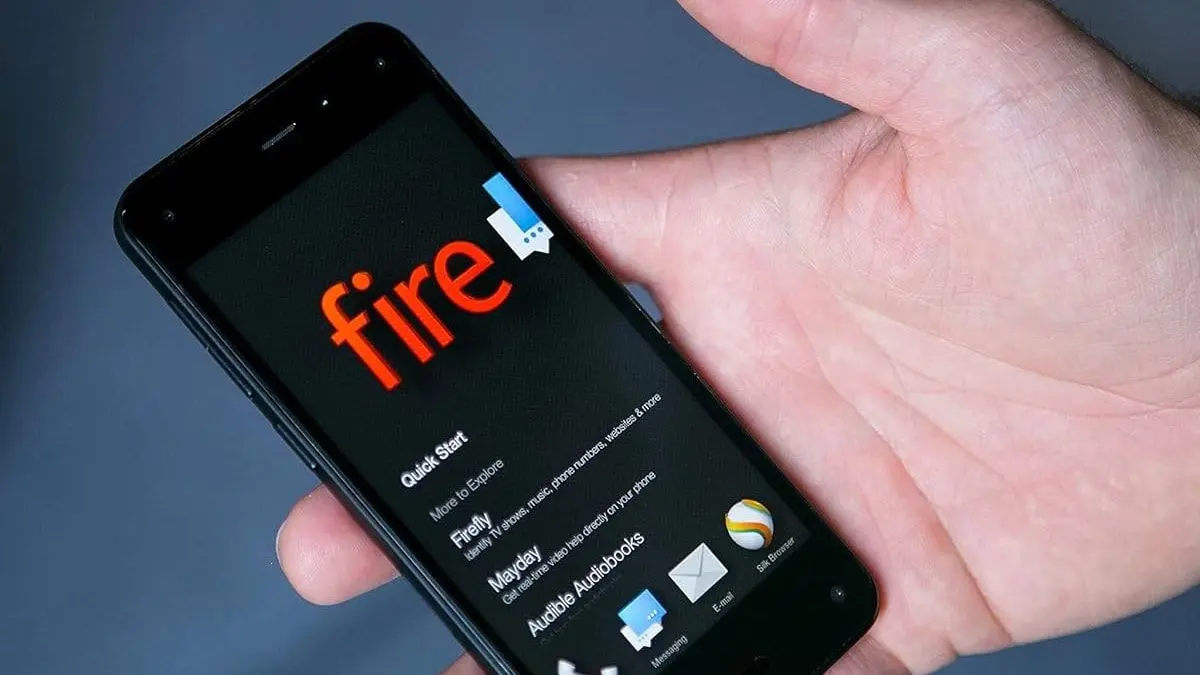
Source: Gadgets 360
Amazon's Devices and Services division has reportedly struggled financially for years, largely because Alexa-based devices have failed to generate revenue
1
. The company is now investing heavily in AI, committing $50 billion to OpenAI recently and projecting $200 billion in capital expenditures towards AI, chips, and robotics efforts in 20262
. However, Alexa Plus has proven controversial with users, who posted complaints online after getting automatically upgraded earlier this year, saying it was "flooded with ads" and took longer to respond to queries4
.Sources cautioned that Transformer could be cancelled over finances or a change in strategy, suggesting the project may not make it to final release
1
5
. Amazon is also rumored to be developing an Android tablet, which would mark a departure from tablets currently sold running its own FireOS software3
. An Amazon spokesperson declined to comment on the reports1
3
.Summarized by
Navi
[1]
[4]
[5]
1
Policy and Regulation

2
Technology

3
Policy and Regulation