AMD prepares Multi-Frame Generation for Radeon GPUs, closing gap with Nvidia's RTX technology


3 Sources
[1]
AMD May Finally Add Multi-Frame Generation Support for Its Latest GPUs
AMD may finally be set to launch multi-frame generation support for some of its latest graphics cards, over a year after Nvidia introduced the same technology with its RTX 50-series. An update to GPUOpen for the ADLX FidelityFX SDK highlights "FrameGenUpgradeRatioOption," which would let users set
[2]
AMD could be readying up Multi-Frame Generation, even though the AI tool's absence is arguably a Radeon selling point
AMD is still running in the best graphics card race, but it's not quite on the same track as Nvidia's Multi-Frame Generation GPUs. However, changes to the tech company's ADLX FidelityFX SDK imply that its strategy of sticking to standard Frame Gen could soon change, in turn opening its cards up to
[3]
AMD FSR Multi-Frame Generation "MFG" Launch Imminent, Early Support Lands In FidelityFX SDK
AMD seems to be preparing its own Multi Frame-Generation "MFG" technology for FSR, as hinted at in the newest additions to the FidelityFX SDK. AMD's FSR Redstone is the latest technology suite for Radeon GPUs. The new update brought several updates, including updated upscaling, updated frame-gen,
Share
Copy Link
AMD is preparing to launch multi-frame generation support for its Radeon graphics cards, over a year after Nvidia introduced the technology. A recent update to the FidelityFX SDK reveals new frame generation ratio options, suggesting AMD will finally match competitors in AI-driven frame generation capabilities while addressing concerns about latency performance.
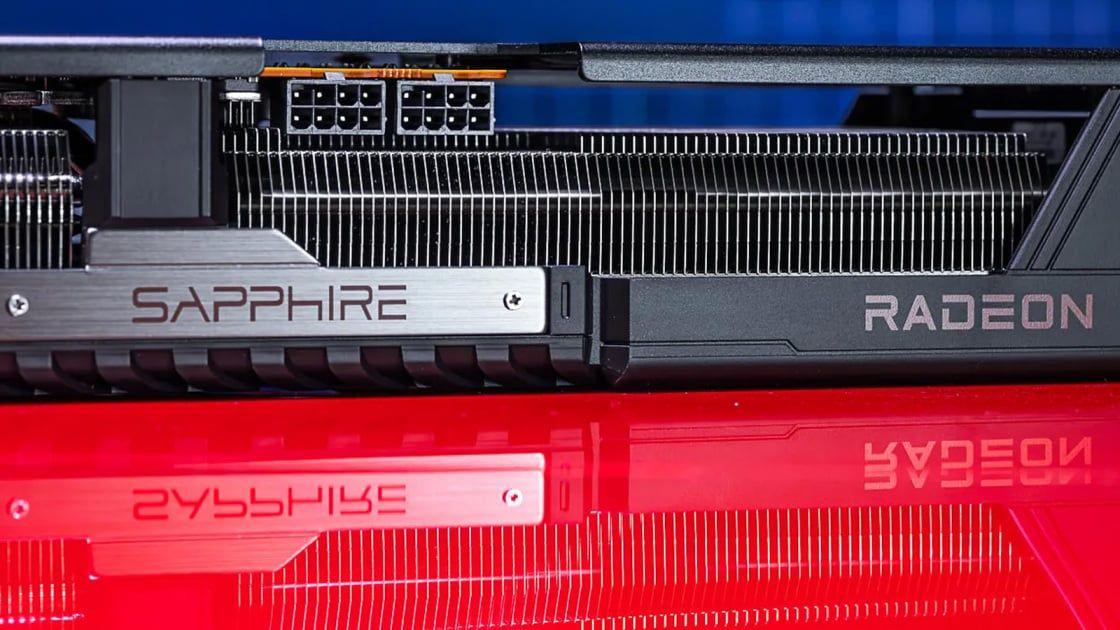
AMD Adds Multi-Frame Generation Support to FidelityFX SDK
AMD is preparing to launch multi-frame generation capabilities for its Radeon graphics cards, marking a significant step in closing the performance gap with Nvidia's offerings. A recent update to the GPUOpen ADLX FidelityFX SDK reveals a new feature called "FrameGenUpgradeRatioOption," which allows users to set a frame generation ratio for optimal performance and visual quality
1
. The addition comes over a year after Nvidia introduced multi-frame generation with its RTX 50-series cards in 2025, which can add up to three AI frames to each natively rendered frame.The new interface, dubbed "IADLX3DFidelityDXFrameGenUpgradeRatioOption," provides ratio options that hint toward changing the number of AI frames generated using FidelityFX Super Resolution beyond the current standard of two
2
. This effectively allows developers to select the frame generation ratio they want to apply to a game, giving gamers more control over their visual experience. The technology appears designed to introduce both multi-frame and dynamic frame generation simultaneously, similar to Nvidia's dynamic generation capabilities that adjust based on monitor refresh rates.Catching Up With Nvidia and Intel in AI-Driven Frame Generation
While Nvidia launched AI frame generation with DLSS 3 in 2022 on its RTX 40-series graphics cards, AMD's GPUs have been limited to offering just a single generated AI frame. Nvidia's RTX 50-series now offers up to 6X modes with dynamic generation, while Intel released its own multi-frame generation technology this year with XeSS 3, offering up to 4x modes on Arc B-Series and Arc A-series GPUs
3
. AMD currently offers only frame generation support on FSR 4 with up to 2x modes, leaving it trailing both competitors in this area.The development isn't entirely unexpected, as third-party tools like Lossless Scaling and DLSS Enabler have already demonstrated FSR frame generation with dynamic and multi-frame generation options
1
. This suggests the underlying technology has been feasible for some time, making AMD's delay in implementing official support somewhat surprising.GPU Compatibility and RDNA 4 Requirements Remain Unclear
What remains uncertain is which of AMD's latest GPUs will support the new technology and when it will be officially implemented. AMD has consistently restricted many of its latest upscaling and AI-driven features to its RDNA 4 RX 9000 graphics cards, despite modders successfully making FSR 4 and other AMD technologies work on older RX 7000 and 6000 graphics cards
1
. The GPUOpen page suggests that Adrenalin driver releases will enable FSR 3.1.4-supported games to tap into AMD FSR Multi-Frame Generation, but RDNA 4 cards with Machine Learning capabilities may be required2
.Whether older Radeon GPUs like the 7900 XT and XTX will gain support remains to be seen. Various DIY projects and third-party applications suggest these GPUs are technically capable, but implementation may depend on caveats tied to potential latency issues.
Related Stories

Community Reception Mixed as Latency Performance Concerns Persist
The announcement has generated mixed reactions within the AMD community. Some Radeon fans express cautious optimism about the AI-powered technology, while others signal that existing frame pacing issues should be addressed first
2
. A vocal segment views the lack of multi-frame generation on Radeon as a selling point, with some players using terms like "AI slop" and "fake frames" to describe the technology. This narrative has been driving some players toward AMD cards over Nvidia options specifically because they prefer traditional rendering methods.The critical question for AMD is whether its implementation will achieve low-latency performance comparable to its competitors. Upscaling technology and frame generation inherently add to input lag, so AMD must minimize this impact to encourage wider adoption
1
. The new FSR frame generation upgrade should benefit AMD's existing and upcoming hardware as games become more demanding with visually intensive features such as Path Tracing and Ray Regeneration3
. AMD is also working on FSR Diamond technology for its next-generation hardware expected in coming years, with main products likely being the next PlayStation and Xbox consoles alongside RDNA 5 GPUs.References
Summarized by

Navi
[2]
Related Stories
AMD's Fluid Motion Frames 3 and 'Redstone' Update: A Leap Forward in AI-Powered GPU Technology
30 Sept 2025•Technology
AMD launches FSR Redstone with AI frame generation to directly challenge Nvidia DLSS dominance
10 Dec 2025•Technology
Intel Unveils XeSS 3 with Multi-Frame Generation: A Game-Changer in AI-Powered Graphics
09 Oct 2025•Technology

Recent Highlights



Recent Highlights
Today's Top Stories













Don’t drown in AI news. We cut through the noise - filtering, ranking and summarizing the most important AI news, breakthroughs and research daily. Follow topics that matter to you and stay ahead.


