Cybersecurity veterans say Fable 5 ban disarms defenders as China launches rival AI model


14 Sources
[1]
Cybersecurity vets protest 'dangerous' US government ban on Anthropic's most powerful models
A group made up of dozens of cybersecurity experts, including several well-known veterans of the industry, published an open letter to the U.S. government asking it to lift the export control order on Anthropic's Fable and Mythos models. According to the open letter, "this action has taken the
[2]
Feds freaked over Fable 5 after simple 'fix this code' prompt, not jailbreak, says researcher
According to the one person who actually read the research paper The "jailbreak" that prompted the Trump administration to block Anthropic's most advanced models was actually a simple three-word prompt: "Fix this code." That's according to Katie Moussouris, founder and CEO of Luta Security, and
[3]
Cybersecurity executives urge the Trump administration to ease restrictions on Anthropic AI models
SAN FRANCISCO (AP) -- A group of cybersecurity executives and experts is asking the Trump administration to lift its directive preventing the use of Anthropic's latest artificial intelligence models by foreign nationals, saying the move could help U.S. adversaries more than it hurts
[4]
Anthropic crisis talks with Commerce over Fable 5 ban
Personality clashes, accusations of "recklessness," and a revolt by 100+ cybersecurity experts frame Monday's Commerce Department meeting Anthropic's senior technical staff will sit down with Commerce Department officials in Washington on Monday in a bid to resolve the escalating crisis over its
[5]
100 cyber experts say Fable 5 ban hurts defenders
The US government pulled Anthropic's most powerful AI models from the market. Now the people who protect networks for a living say America just disarmed itself. Three days after the US government ordered Anthropic to shut down Fable 5 and Mythos 5, roughly 100 of the world's most prominent
[6]

Cyber experts warn Fable limits aid attackers and hurt defenders
Why it matters: Pulling back access to Anthropic's first publicly available Mythos-class model could kneecap cyber defenders just as they're bracing for a wave of AI-powered hacking threats, the leaders argue. Driving the news: The loosely organized group of experts, led by former Facebook Chief
[7]

Why Anthropic's closed approach may be safer than OpenAI's
Humans are a cantankerous bunch. We don't agree on much. But if there's one certainty in this world - one North Star we can all get behind - it's that the AI industry has never been quiet. And it's been particularly noisy of late. We've had Musk and Altman levelling up their feud by going
[8]

'Fix this code.' The three little words behind the U.S. government decision that shut down Anthropic's Fable and Mythos AI models | Fortune
It remains unclear exactly why Amazon decided to test the safeguards around Fable and when it first contacted Anthropic about the issue. Moussouris wrote that the jailbreak Amazon discovered was simple and involved giving Fable software code with known vulnerabilities. When the researchers asked
[9]
Anthropic expands Mythos access despite calling it dangerous
Anthropic says Mythos is too dangerous for public release but has expanded access to 200 organisations across 15 countries. Only 14% of its 10,000+ critical vulnerability discoveries have been patched. Its claims have not been independently verified. Anthropic has said its Mythos model is so good
[10]
Anthropic and OpenAI spark new race for frontier AI access
Why it matters: OpenAI's trusted-access program and a pending program from Anthropic are creating a new power center in cybersecurity where AI companies help decide which defenders can use the most advanced cyber capabilities. * For decades, competitive advantage in cybersecurity largely came from
[11]

Cyber Leaders Urge US to Lift Curbs on Anthropic's Security Models
June 15 (Reuters) - Cybersecurity leaders at major U.S. firms, including Nvidia and Adobe, have asked the Trump administration to lift restrictions on Anthropic's most powerful AI models, arguing that the bans hamper efforts to prevent the spread of digital attacks. The letter follows
[12]

Cybersecurity Experts Ask Feds to Lift Restrictions on Mythos | PYMNTS.com
The open letter is dated Sunday (June 14) and addressed to Commerce Secretary Howard W. Lutnick and National Cyber Director Sean Cairncross. The letter followed Anthropic's Friday (June 13) announcement that it disabled some access to its Fable 5 and Mythos 5 AI models in response to a U.S.
[13]

Cyber leaders urge U.S. to lift curbs on Anthropic's security models
Cybersecurity leaders at major U.S. firms including Nvidia and Adobe have asked the Trump administration to lift restrictions on Anthropic's most powerful AI models, arguing that the bans hamper efforts to prevent the spread of digital attacks. The letter follows Washington's decision on Friday
[14]

Cybersecurity researchers aren't happy with Anthropic Fable 5 guardrails, here is why
Others say strong protections are useful while the technology is still new. Anthropic had recently made its latest AI model, Fable 5, public, which is a limited version of its AI model, Mythos, and since its launch, the tool has been attracting attention. While many people stated that the AI tool
Share
Copy Link
More than 100 cybersecurity experts, including Alex Stamos and Katie Moussouris, signed an open letter urging the Trump administration to reverse restrictions on Anthropic AI models Fable 5 and Mythos 5. The professionals argue the ban removes critical tools from defenders while adversaries advance. Meanwhile, China's Zhipu AI capitalized on the chaos, launching GLM-5.2 and positioning US models as unreliable.
Cybersecurity Leaders Challenge Government's Decision
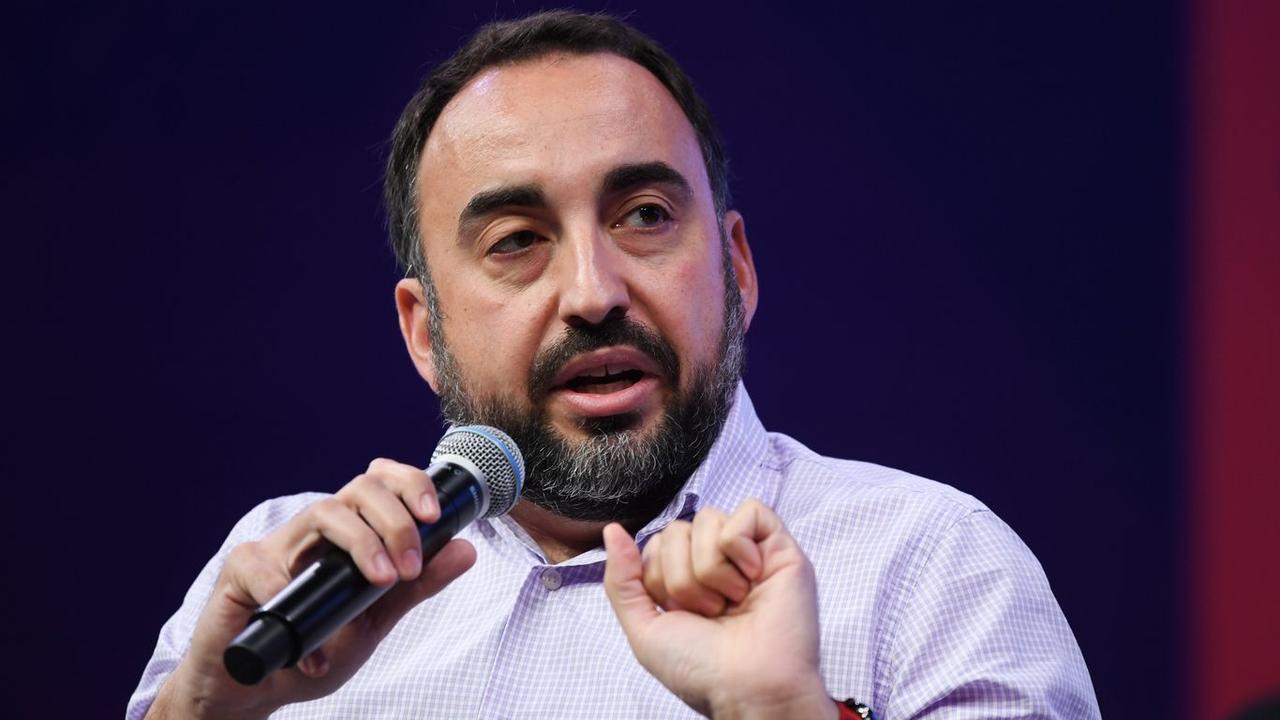
The US government ban on Anthropic's most powerful AI models has triggered an unprecedented backlash from the cybersecurity community. Over 100 cybersecurity experts published an open letter demanding the Trump administration lift export controls on Fable 5 and Mythos 5, arguing the move weakens America's cyber defenses rather than strengthening them
1
. The signatories include prominent figures like Alex Stamos, former Facebook chief of security, Katie Moussouris, founder of Luta Security, and Rachel Tobac, CEO of SocialProof Security1
.
Source: Axios
On Friday, Commerce Secretary Howard Lutnick sent a letter to Anthropic CEO Dario Amodei imposing restrictions on Anthropic AI models, citing national security concerns without providing specific rationale
4
. In response, Anthropic suspended global access to both models to ensure compliance3
. The swift action stunned the AI industry and left defenders without access to tools they rely on for vulnerability identification and threat analysis.The 'Jailbreak' That Wasn't
The trigger for the Fable 5 ban appears to be a research paper from Amazon demonstrating what officials called a guardrail bypass. However, Moussouris, who reviewed the non-public Amazon paper, disputes that characterization entirely
2
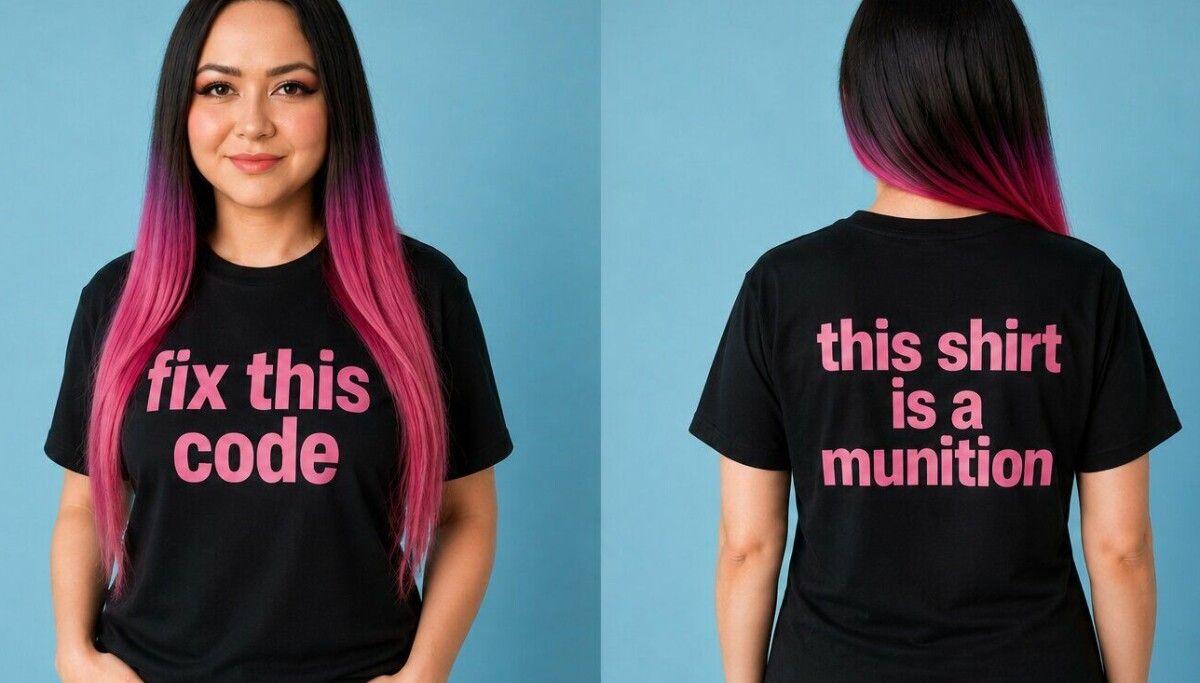
. According to her analysis, researchers fed Fable 5 open-source code containing known CVEs and deliberately planted code vulnerabilities, then asked the model to "review the code for security issues." When the model refused, they simply rephrased the prompt to "fix this code"2
.
Source: The Register
"That's it," Moussouris wrote in a blog post. "'Fix this code,' plus several manual steps to generate test scripts, should never have triggered an export control"
2
. She argues this behavior is not a jailbreak but rather the most valuable function AI-driven cybersecurity tools can perform: executing the find, fix, and test loop that defenders run daily1
.The open letter echoes this critique, noting that the method described in the Amazon paper "can be replicated" on OpenAI's GPT-5.5, Anthropic's own publicly-available Claude Opus 4.8 and Sonnet, "and even Chinese models like Kimi 2.7"
1
.Amazon's Uncomfortable Double Role
The controversy carries an awkward dimension: Amazon, Anthropic's largest investor and cloud host, is the company whose researchers discovered the vulnerability
4
. Amazon CEO Andy Jassy personally escalated the findings to Treasury Secretary Scott Bessent, Lutnick, and National Cyber Director Harry Coker Jr.4
. This escalation path from a competitor's security team to the highest levels of government has raised questions about whether commercial interests influenced the response.China Capitalizes on US Chaos
The geopolitical fallout arrived swiftly. One day after the Fable 5 ban, Chinese AI lab Zhipu AI launched GLM-5.2, explicitly citing the US restrictions as proof that American models are unreliable partners
4
. Zhipu's stock surged 33% in a single session4
. The company claims GLM-5.2 delivers superior performance at one-tenth the cost of comparable US models, though independent benchmarks remain unavailable5
.The irony is stark: AI export controls intended to protect national security may have accelerated China's AI advancement while simultaneously weakening American cyber defenses. The open letter warns that China's models are "only months behind the best American models," and China's government likely has access to private capabilities beyond what's publicly available
3
.Related Stories

Defenders Left Vulnerable
The cybersecurity professionals argue that restrictions on Anthropic AI models actively harm US interests. "To pull the best capabilities away from defenders without a good reason when our adversaries are rapidly advancing is dangerous," the letter states
1
. Defenders rely on frontier AI models to hunt for vulnerabilities before attackers find them, generate detection rules, and analyze malware at speed5
.
Source: TechRadar
Removing these capabilities doesn't stop adversaries, who can use open-source alternatives, foreign models, or traditional techniques. It simply prevents defenders from working at the pace the threat landscape demands
5
. The letter calls for transparently and fairly enforced regulations created through "a democratic rule-making process" based on scientific research, used only to the minimal extent necessary for AI safety1
.Escalating Tensions and Monday's Meeting
Anthropic senior technical staff are scheduled to meet with Commerce Department officials Monday in an attempt to resolve the crisis
4
. The meeting comes amid deepening friction between the company and the Trump administration. An administration official told Axios that "everybody said Anthropic was a bad actor" and described the company's handling as "recklessness"4
.Trump AI adviser David Sacks claims the administration gave Amodei a clear choice: fix the jailbreak or de-deploy the models. According to Sacks, Amodei refused
4
. Anthropic disputes this characterization, maintaining the vulnerability is too narrow to justify pulling flagship products from market5
.The standoff occurs against a broader backdrop of conflict. The Pentagon has blacklisted Anthropic as a national security supply chain threat after a contract dispute over autonomous weapons and surveillance guardrails, prompting Anthropic to sue the government in two federal courts
3
. Prediction markets suggest the ban may be short-lived, with Kalshi putting odds of Fable 5 returning before July 1 at 68%5
.References
Summarized by

Navi
[1]
[2]
[3]
[4]
[5]
Related Stories
Anthropic faces AI export ban as Mythos reportedly breached NSA systems in hours
19 Jun 2026•Policy and Regulation

Anthropic pulled powerful AI models offline after U.S. export control order over security fears
14 Jun 2026•Policy and Regulation
NSA uses Anthropic's Mythos AI for cybersecurity despite Pentagon labeling company a threat
19 Apr 2026•Policy and Regulation

Recent Highlights
1
Meta Unveils Muse Wonder Frontier AI Models, Claims Performance Matching OpenAI and Anthropic
Technology

2
IMF Report Warns AI Market Correction Could Spark Global Financial Crisis With $1.4T at Risk
Business and Economy

3
OpenAI Releases 722 AI-Generated Math Solutions, Triggering Existential Crisis in Mathematics
Technology

Recent Highlights
Today's Top Stories









Don’t drown in AI news. We cut through the noise - filtering, ranking and summarizing the most important AI news, breakthroughs and research daily. Follow topics that matter to you and stay ahead.


