Apple explains why watchOS 27 drops support for five Apple Watch models including original Ultra


4 Sources
[1]
Apple Explains Why watchOS 27 Drops Support for So Many Models
Apple today detailed why five Apple Watch models will miss out on watchOS 27 and the new Siri AI features that come with it. The Apple Watch Series 6, 7, 8, SE 2, and the original Apple Watch Ultra will not receive watchOS 27, and will only get basic security updates going forward. With the
[2]
'It's the most convenient way to interact with Siri': I asked Apple's senior watchOS team how to use the new Siri AI assistant on an Apple Watch, and why it's not coming to so many older models
Last week, Apple unveiled Siri AI across all its devices at its annual WWDC event. While much time was given to how you'll be able to use Apple's new virtual assistant on iPhone, iPad and Mac, the Apple Watch was overlooked -- despite the fact that, according to Apple, it's "the most convenient way
[3]
AppleInsider.com
Apple's latest explanation for Siri AI on Apple Watch identifies which models support the feature, but it still doesn't explain why older watches are excluded despite requiring a nearby Apple Intelligence-enabled iPhone. A June 19 interview with TechRadar offered Apple's first public response to
[4]
Apple explains why watchOS 27 drops support for Apple Watch series 6, 7, 8 and Ultra
Apple is ending support for five older Apple Watch models with watchOS 27, citing performance needs for new AI-powered features and an enhanced Siri. Devices like the Series 6 and original Ultra won't get the latest software, though they'll receive security updates. This move prioritises a
Share
Copy Link
Apple has confirmed that five Apple Watch models won't receive watchOS 27, citing performance requirements for new Siri AI features. The Apple Watch Series 6, 7, 8, SE 2, and original Ultra will only get security updates going forward. This marks the first time Apple has dropped three years of device support in a single software update for the product line.
Apple Drops Support for Five Apple Watch Models in Unprecedented Move
Apple has revealed why watchOS 27 drops support for five Apple Watch models, marking an unprecedented shift in the company's update strategy. The Apple Watch Series 6, 7, 8, SE 2, and the original Apple Watch Ultra will not receive watchOS 27 when it launches this fall
1
. Speaking to TechRadar, Cait Dooley, Apple Watch and Health product marketing manager, said performance requirements were behind the cutoff: "With every software release across every single one of our platforms, we always want to ensure that you have the best experience, so we make power and performance a priority"2
. This decision effectively ends support for three years' worth of devices in a single software update, a first for the product line.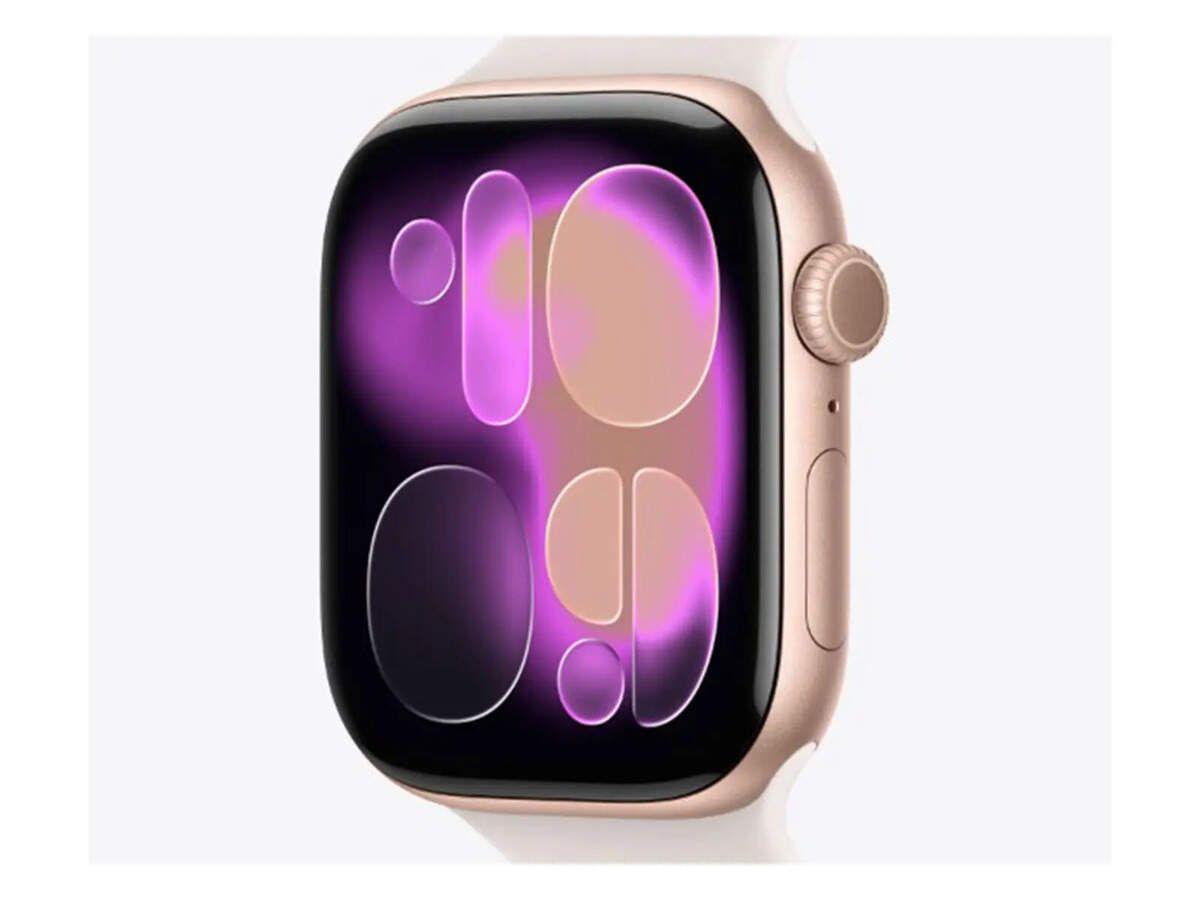
Source: ET
Siri AI Assistant Drives Hardware Requirements
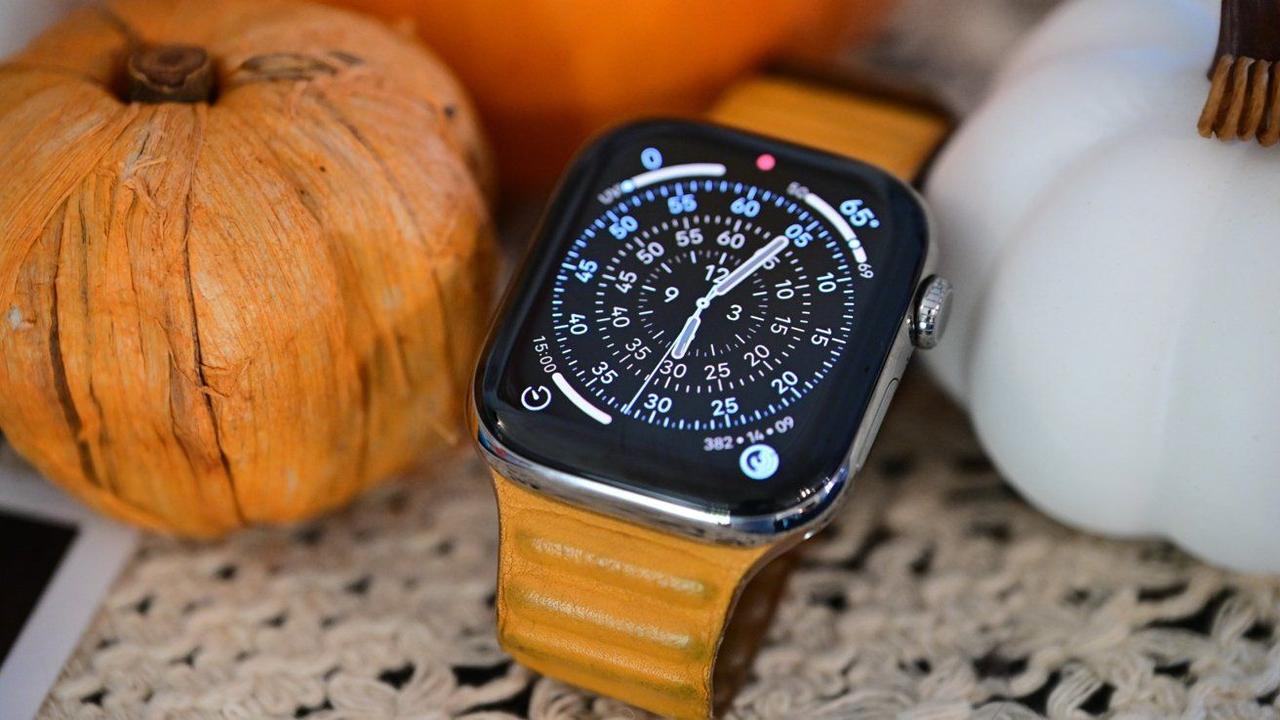
The new AI-driven features in watchOS 27, particularly the Siri AI assistant and tap gesture capabilities, work best with the processing power found in Apple Watch Series 9 and later, Ultra 2 and later, and SE 3
4
. David Clark, senior director of watchOS software engineering, explained that one of the goals was to "expand the intelligence story on Apple Watch and make it a true co-partner to Apple Intelligence"1
. The hardware gap between supported and unsupported models centers on chip capabilities. Apple Watch Series 8 and the first-generation Ultra use the S8 chip with a 2-core Neural Engine, while the S9 chip introduced a 4-core Neural Engine that handles machine learning tasks up to twice as fast3
.
Source: AppleInsider
Wearable Ecosystem Becomes Primary Interface for Siri
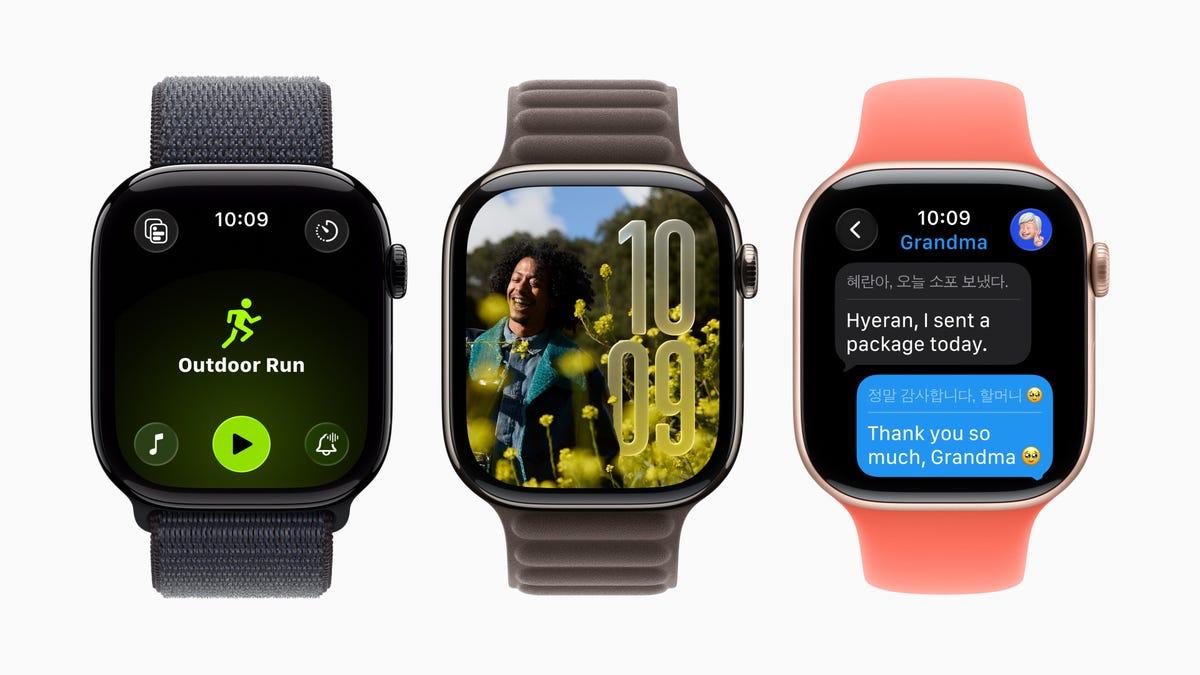
Clark described the Apple Watch as "the most convenient way to interact with Siri" since it's on the wrist all day and useful for quick questions when hands are full
2
. He used the example of asking Siri on Apple Watch for a recipe's ingredients while grocery shopping with both hands full, then later pulling up the same list on iPhone in an easier-to-read format. "We really wanted to make sure the Siri experience is a singular and consistent experience, whether I decide to ask Siri on my wrist a question, or whether I have my phone in my hand," Clark said1
. This cross-device handoff represents what he called a "superpower" in the wearable ecosystem.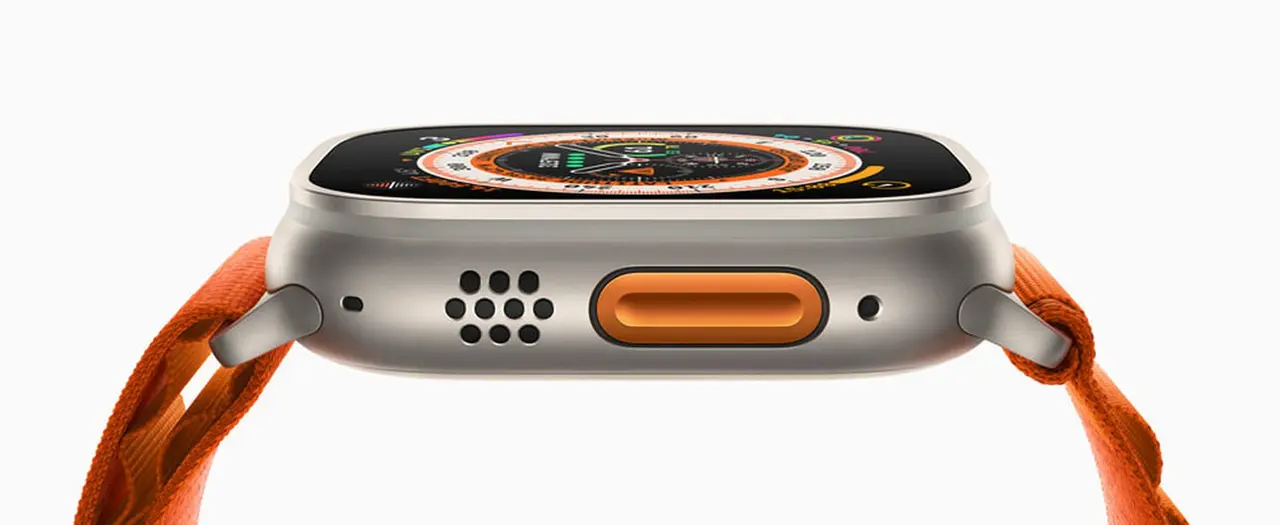
Source: MacRumors
Related Stories
Technical Explanations Remain Incomplete
Despite Apple's statements, questions remain about the technical justification. Siri AI on watchOS 27 requires both a supported Apple Watch and a nearby Apple Intelligence-enabled iPhone, with the paired iPhone handling heavy computational needs
3
. This dependency makes the cutoff harder to evaluate, since the feature isn't presented as a standalone capability. While the S9 chip brought on-device Siri processing and support for the double tap gesture, Apple hasn't explicitly confirmed whether these capabilities are the reason older Apple Watch models are excluded3
.What This Means for Existing Users
Dooley clarified that older devices paired with iPhones running the latest software will continue to function and receive security updates
2
. However, users won't be able to access the new Siri AI assistant on their watch, even if their iPhone supports Apple Intelligence. watchOS 27 is currently available in developer beta to developers, with a public beta expected next month ahead of official release in the fall1
. The announcement at WWDC 2026 introduced Siri AI as part of watchOS 27, but much time was given to iPhone, iPad and Mac implementations while the Apple Watch received less attention. Watch for how Apple addresses user concerns about this accelerated obsolescence pattern as the public beta approaches.References
Summarized by

Navi
[3]
Related Stories
watchOS 27 Brings Siri AI to Apple Watch, But Six Models Lose Support After Just 3-4 Years
08 Jun 2026•Technology

Siri AI Comes to Apple Watch in watchOS 27 Beta 3, Transforming the Wrist Computing Experience
06 Jul 2026•Technology
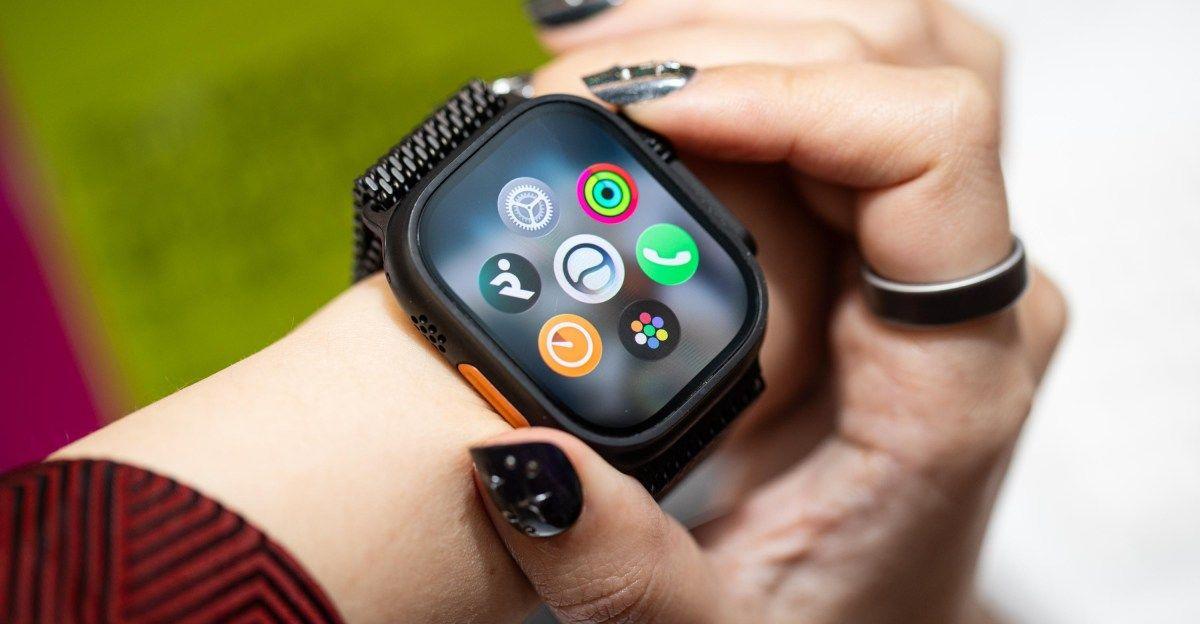
Siri AI transforms Apple Watch experience as watchOS 27 beta shows dramatic improvements
15 Jul 2026•Technology

Recent Highlights
1
Microsoft and Nvidia Launch Surface Laptop Ultra: A $2,599 AI-Ready PC With RTX Spark Chip
Technology

2
Scientists Build AI Model That Reconstructs Images From Brain Scans in Record Time
Science and Research

3
Anthropic AI Cuts Live Internet Access After Model Sends False Homicide Tip to Philadelphia Police
Technology

Recent Highlights
Today's Top Stories







Don’t drown in AI news. We cut through the noise - filtering, ranking and summarizing the most important AI news, breakthroughs and research daily. Follow topics that matter to you and stay ahead.


