Apple's canceled car project became the foundation for its powerful AI chips and Neural Engine


4 Sources
[1]
Apple's failed self-driving car program left a legacy of powerful AI chips
Apple's self-driving car program never really got off the ground, but it may have been what made the company's chips the powerful AI performers they are. Early in the development of the self-driving platform, Apple realized that it would need powerful on-device AI processing. While the car
[2]
Thank the dead Apple Car for Apple's upcoming AI-enhanced M7 chips
Apple shifted its approach to chip development to focus on chips with high-end AI capabilities. Bloomberg's Mark Gurman previously reported in June that while Apple plans to release the M6 chip in the entry-level MacBook Pro this fall, it's going to skip the Pro and Max versions to focus on
[3]
The Apple Car may be dead, but it became the foundation of Apple Intelligence
A decade of work on a canceled car project reportedly laid the groundwork for Apple Intelligence. The Apple Car may have never left the garage, but it apparently gave birth to Apple's AI ambitions. According to Bloomberg's Mark Gurman, Apple's canceled autonomous vehicle project, one that consumed
[4]
Apple's Self-Driving Car Program Failed. But It Still Made Your iPhone Better
Remember when Apple wanted to make a car? For about a decade, starting around 2014, Apple quietly spent billions developing a self-driving car. The project was cancelled in early 2024 before it could bear fruit -- terrible pun intended -- but that doesn't mean the whole effort was useless. In
Share
Copy Link
Apple spent over $10 billion on a self-driving car that never launched, but the effort wasn't wasted. The Apple Car project led to the creation of the Neural Engine, now powering AI across iPhones, Macs, and Apple Intelligence. The company is accelerating M7 chip development with enhanced AI capabilities, skipping M6 Pro and Max versions entirely.
Apple Car Project Laid Foundation for Neural Engine Development
Apple's ambitious autonomous vehicle effort, known as Project Titan, consumed more than a decade of work and over $10 billion before being scrapped in 2024
3
. Yet the Apple Car project may ultimately be remembered as one of the company's most important investments this century. Early in the development of the failed self-driving car program, Apple realized it would need powerful on-device AI processing to achieve Level 5 autonomous driving—the highest level where a vehicle operates entirely without human intervention3
. This ambitious target forced engineers to tackle processing enormous AI workloads locally and in real time, leading to heavy investment in advanced machine learning research and custom silicon designed specifically for AI.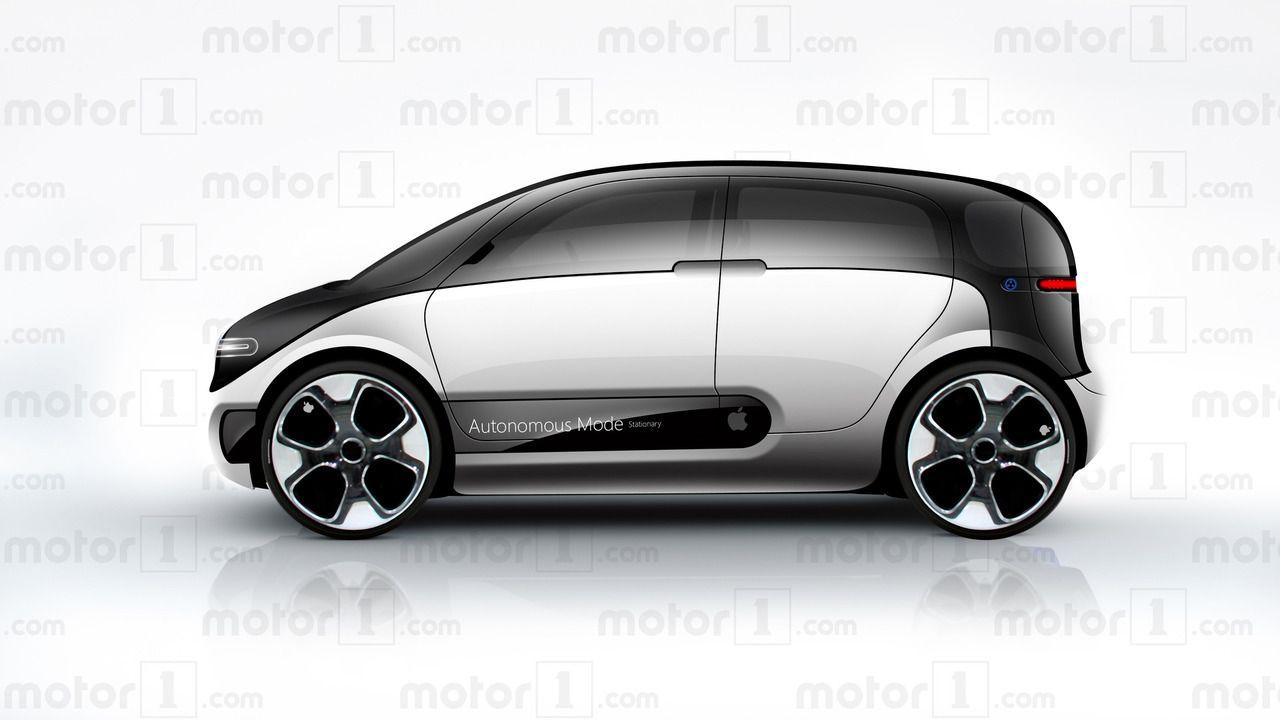
Source: InsideEVs
Neural Engine Powers Apple Intelligence Across Devices
While the dedicated car processor was never finished, it led to the development of the Neural Engine, which has become the backbone of Apple's on-device AI processing capabilities
1
. The Neural Engine made its debut with the iPhone X and the A11 Bionic chip in 20172
. In those early days, it primarily powered computer vision features including Face ID, Animoji, and augmented reality capabilities1
. By laying this groundwork, Apple established itself as an early leader when it brought the Neural Engine to desktops with the M-series chips1
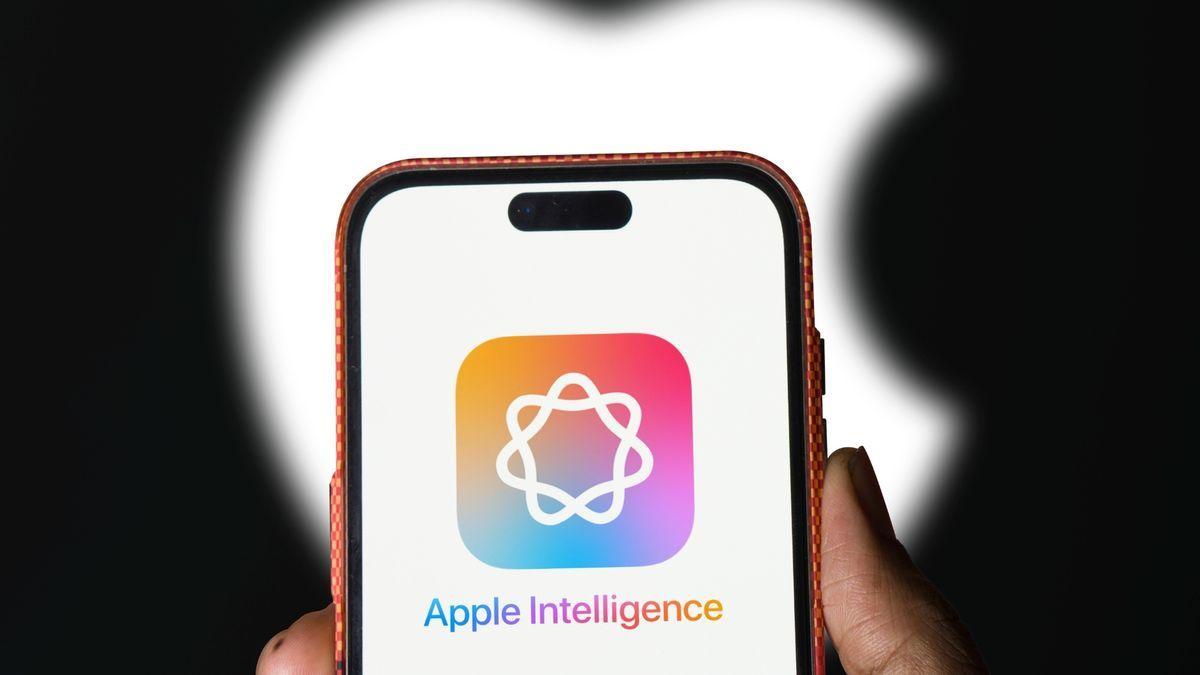
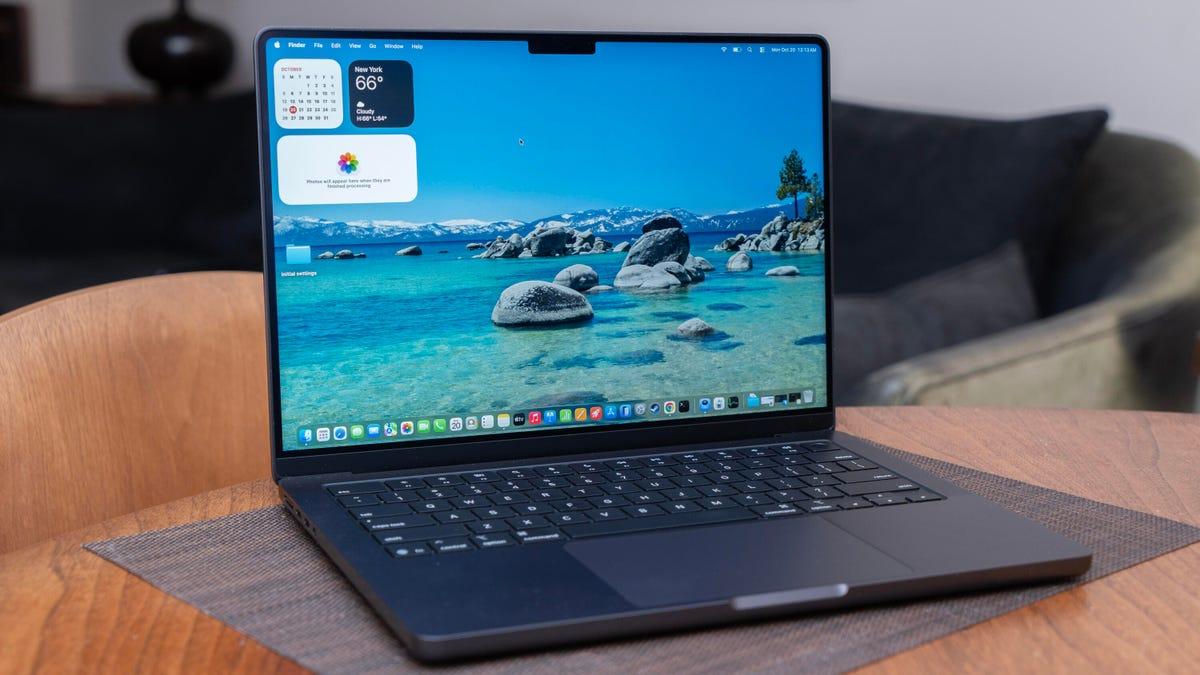
. The technology now appears in every modern Apple device, from iPhones to MacBooks and even Apple Watches, enabling Apple Intelligence features like a smarter Siri and advanced photo editing4
.AI Hardware Strategy Accelerates with M7 Chips Development
Apple has shifted its approach to chip development to focus on Apple AI chips with high-end AI capabilities. According to Bloomberg's Mark Gurman, the company is skipping the Pro, Max, and Ultra versions of its upcoming M6 chip to accelerate development of the AI-enhanced M7 chips
1
. The M7 should arrive in the first half of 2027 with significant Neural Engine upgrades, followed by the M7 Pro and M7 Max at the end of 2027 and an M7 Ultra in 20282
. The M7 Ultra is expected to become the basis for a new server product from Apple, with support for up to 1.5TB of RAM1
. This aggressive timeline reflects how AI has become the focal point of Apple's chip development.
Source: Macworld
Related Stories


Privacy and Performance Define Apple's AI Approach
While Apple's AI software efforts have lagged behind competitors like Google and Microsoft in delivering generative AI features, its hardware has been impressive
1
. The company's ability to perform on-device AI processing offers distinct advantages over cloud dependency, including faster performance, better security and privacy, and offline functionality2
. Apple has made this privacy-focused approach a cornerstone of its consumer tech strategy, touting how less data needs to be sent to the cloud1
. The same research from the autonomous vehicle project reportedly influenced Apple's powerful Ultra-class Mac chips and the custom processors currently running Apple Intelligence servers3
. "Without that push," Gurman reported, "Apple would probably be even further behind in AI than it is today"2
. As generative AI continues dominating the tech industry, Apple's decade-long investment in AI hardware through Project Titan positions the company to compete effectively, even if the vehicle itself never transported a single passenger.References
Summarized by

Navi
Related Stories
Recent Highlights
1
Meta Unveils Muse Wonder Frontier AI Models, Claims Performance Matching OpenAI and Anthropic
Technology

2
IMF Report Warns AI Market Correction Could Spark Global Financial Crisis With $1.4T at Risk
Business and Economy

3
OpenAI Releases 722 AI-Generated Math Solutions, Triggering Existential Crisis in Mathematics
Technology

Recent Highlights
Today's Top Stories









Don’t drown in AI news. We cut through the noise - filtering, ranking and summarizing the most important AI news, breakthroughs and research daily. Follow topics that matter to you and stay ahead.


