Apple's Harbor App Simplifies Running Local AI Models on Mac Without Cloud Dependency


4 Sources
[1]
Apple has new Mac app coming to make running local AI models easy
Leaker Aaron Perris has discovered evidence of a new Mac app in the works at Apple called Harbor, which makes it easy to run local AI models across one or more Macs. New 'Harbor' app revealed at Apple: 'turns your Mac into a private AI inference server' The Mac has been getting a lot more popular
[2]
Apple's Claris Testing 'Harbor' App for Local AI on Macs
Apple's Claris subsidiary is testing an app called Harbor, which turns Apple silicon Macs into a private AI server. Harbor works with a single Apple silicon Mac, but it also supports connecting multiple Mac computers over Thunderbolt 5 to pool unified memory for larger models. Apple added RDMA
[3]
Apple wants to turn your Mac into a private AI server without making you touch the Terminal
I love the idea of AI that never leaves my computer, especially since more and more tools use cloud servers for heavier processing. However, I hate the homework it takes to get there. Well, it looks like Apple heard me. Claris, Apple's FileMaker subsidiary, is testing Harbor. It's basically a Mac
[4]
Apple tests an app in direct competition with LM Studio
Claris Harbor runs local models and links Macs via Thunderbolt Local artificial intelligence is gaining ground fast and the Mac is becoming one of its strongholds. Apple is well aware that Apple silicon chips are especially appealing for running language models, they want to take another step in
Share
Copy Link
Apple's Claris subsidiary is testing Harbor, a Mac app that transforms Apple silicon Macs into private AI servers for running open-weight models locally. The app enables clustering multiple Macs via Thunderbolt 5 to pool unified memory, allowing users to run larger models without cloud dependency while maintaining complete data privacy.

Harbor App Transforms Apple Silicon Macs Into Private AI Servers
Apple's Claris subsidiary is testing Harbor, a Mac app for local AI designed to turn Apple silicon Macs into a private AI server. Discovered through a brief App Store listing that appeared on November 10, 2026, before being removed, Harbor promises to simplify the process of running local AI models without requiring users to touch the command line
1
2
. The app allows users to run open-weight AI models locally on Apple silicon, ensuring data privacy as information never leaves the hardware and nothing reaches the cloud3
.Clustering Multiple Macs Via Thunderbolt 5 Pools Unified Memory
The Harbor app's standout feature enables connecting two or more Thunderbolt 5-capable Mac computers to pool their unified memory into a single inference resource. This cluster scaling capability allows users to run models that exceed any single computer's capacity or serve more concurrent requests across the cluster
1
. Apple added RDMA over Thunderbolt 5 with macOS Tahoe 26.2, which enables one Mac to read another's memory directly, making clustering faster and more efficient2
3
. This approach proves especially appealing with the new Mac mini and Mac Studio, where buying multiple machines can be more convenient for expanding setups than investing in a single powerful machine from the start4
.Setup Takes Minutes With Automatic Device Detection and Model Management
Harbor automatically detects devices over Thunderbolt 5 to form a cluster, requiring no manual configuration, command line work, or infrastructure expertise. Users can browse, download, and load open-weight models from within the app or directly from Safari, with Harbor handling model management so users can focus on their work rather than setup
1
4
. One screenshot from the removed App Store listing showed Harbor downloading OpenAI's gpt-oss-20b model from Hugging Face, demonstrating the streamlined process3
.Related Stories

Harbor Competes With LM Studio and Exo for Local AI Inference
While free alternatives exist for Mac users wanting to run open-weight AI models locally, Harbor appears to combine their best features. LM Studio provides a simple interface for single-Mac use, while open-source Exo handles clustering but requires terminal work. Harbor aims to deliver both capabilities in one package with Apple's characteristic ease of use
2
3
4
. The app represents Apple's continued push for on-device AI processing, building on Apple Intelligence's foundation while extending capabilities to all kinds of models4
.Early Access Suggests Business Focus Under Claris Brand
Harbor is currently in private preview under Apple's Claris brand, known for its FileMaker database platform aimed at businesses
1
2
. The sign-up page for early access asks for company names, suggesting a business-oriented focus, though neither pricing nor a public release date has been confirmed2
3
. The Mac has grown increasingly popular this year both as a budget-friendly option and as a tool for running local AI models on Mac Studio and Mac mini, positioning Harbor to capitalize on this trend while maintaining complete data privacy and eliminating cloud dependency1
.References
Summarized by

Navi
[3]
Related Stories
Apple Mac becomes AI powerhouse with local processing, challenging Nvidia and cloud services
22 Sept 2026•Technology

Mac Cluster Computing Gets Major AI Boost with RDMA Support on Thunderbolt 5
21 Dec 2025•Technology
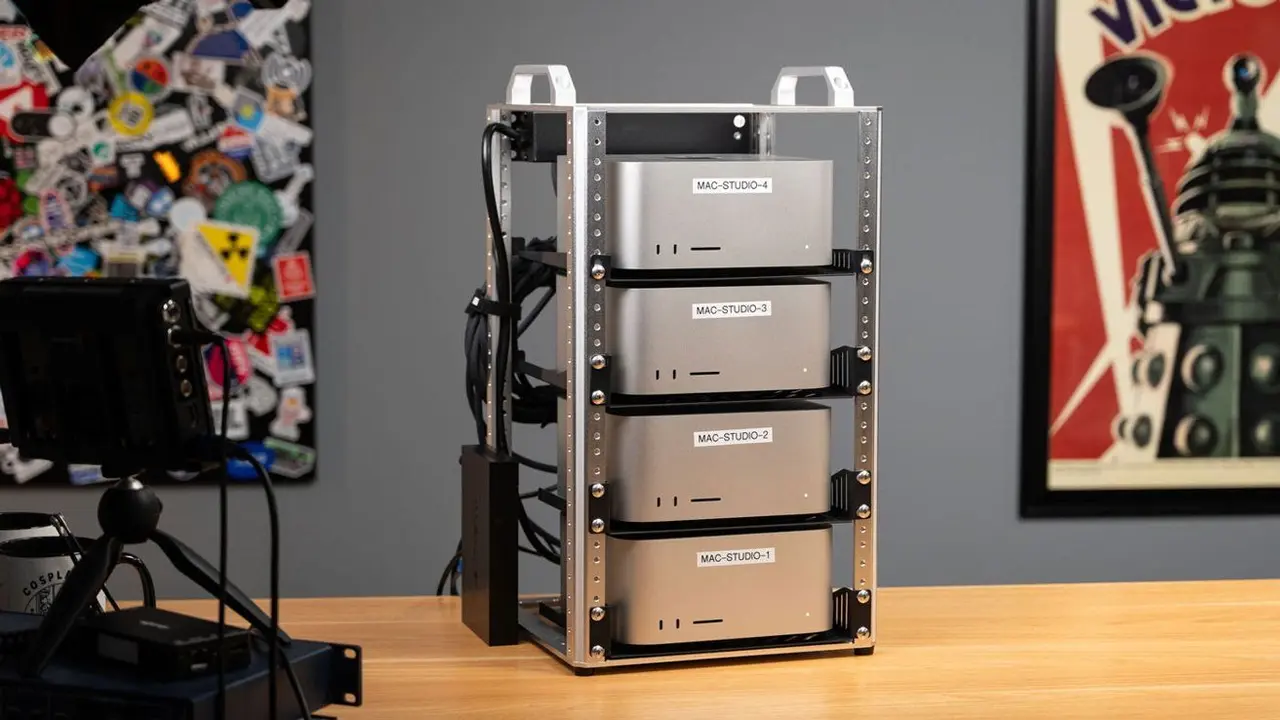
Apple Silicon Exec Reveals Mac Mini's Surge as Preferred Platform for Running AI Agents
06 Jul 2026•Technology

Recent Highlights
1
Jensen Huang's Affair with Suspected Chinese Spy Exposes $7 Billion AI Chip Smuggling Network
Policy and Regulation

2
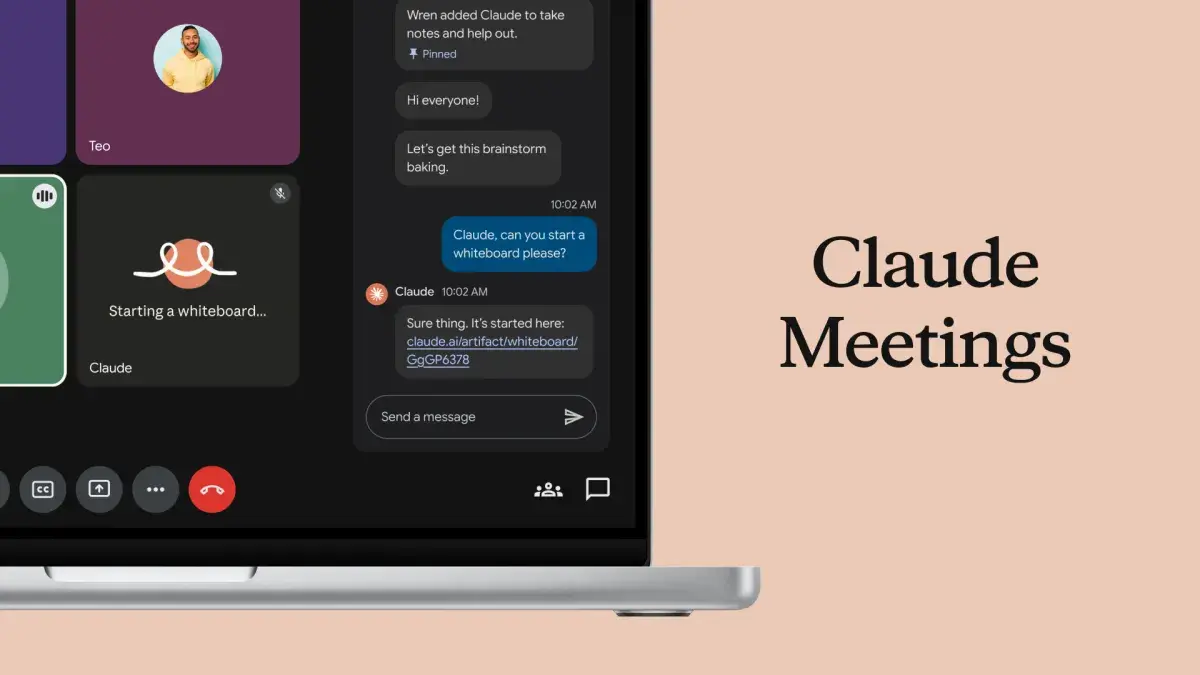
Anthropic Launches Claude Meetings and AI-Powered Office Tools to Challenge Microsoft and Google
Technology
3
Anthropic launches Fable 5.2 and Mythos 5.2 with 20% price cut and 30% faster output
Technology

Recent Highlights
Today's Top Stories








Don’t drown in AI news. We cut through the noise - filtering, ranking and summarizing the most important AI news, breakthroughs and research daily. Follow topics that matter to you and stay ahead.


