Australian Musicians Demand PM Albanese Reject $50bn AI Copyright Deal Threatening Creative Work


3 Sources
[1]
'Don't kill music': Anthony Albanese's favourite bands beg PM to stop AI companies from stealing their work
A potential deal with the government would allow international tech companies to mine the creative work of Australian musicians. Some of the prime minister's favourite artists told the Guardian how they feel about it Big tech companies are asking for Australian copyright laws to be watered down,
[2]
Creatives sound alarm on copyright as Pocock calls $50bn datacentre proposal 'ultimate dirty deal'
Proposal has been put to cabinet to allow AI companies to mine content, in exchange for investment and $350m fund to compensate artists, sources say Creatives are demanding fresh assurances from the Albanese government that it won't water down copyright laws under a potential deal with tech giants
[3]
Jessica Mauboy pleads with Albo not to 'sell out' Aussie culture
Jessica Mauboy has issued a public plea to Australian Prime Minister Anthony Albanese not to weaken Australia's copyright laws, amid fears artificial intelligence companies could soon be given greater access to Australian music and creative works. The 36-year-old singer and actress spoke to
Share
Copy Link
Australian creative industries are sounding the alarm over a government proposal that could allow AI companies to mine copyrighted work without permission. In exchange for over $50bn in datacenter investments and a $350m artist compensation fund, tech giants are seeking exemptions from copyright laws. Musicians including Bernard Fanning, Jessica Mauboy, and members of Spiderbait are urging Prime Minister Anthony Albanese to protect artists' rights.
Australian Musicians Challenge Government on AI and Copyright Protections
Australian creative industries are mounting an urgent campaign against a government proposal that could fundamentally alter how AI companies access copyrighted material. According to sources who spoke to Guardian Australia, cabinet is considering an industry proposal that would grant AI companies special exemptions to mine creative content in exchange for more than $50bn in datacenter investments and a $350m-a-year compensation fund for artists
2
. The potential deal has sparked fierce opposition from musicians, authors, and other creatives who argue that weakening of copyright laws would devastate their livelihoods.Independent Senator David Pocock has described the arrangement as the "ultimate dirty deal," demanding Prime Minister Anthony Albanese categorically rule out any copyright carve-outs
2
. The controversy centers on a proposed text and data mining exemption that would allow AI training models to scrape Australian music, journalism, and books without obtaining permission from copyright holders.Musicians Directly Appeal to Music-Loving Prime Minister
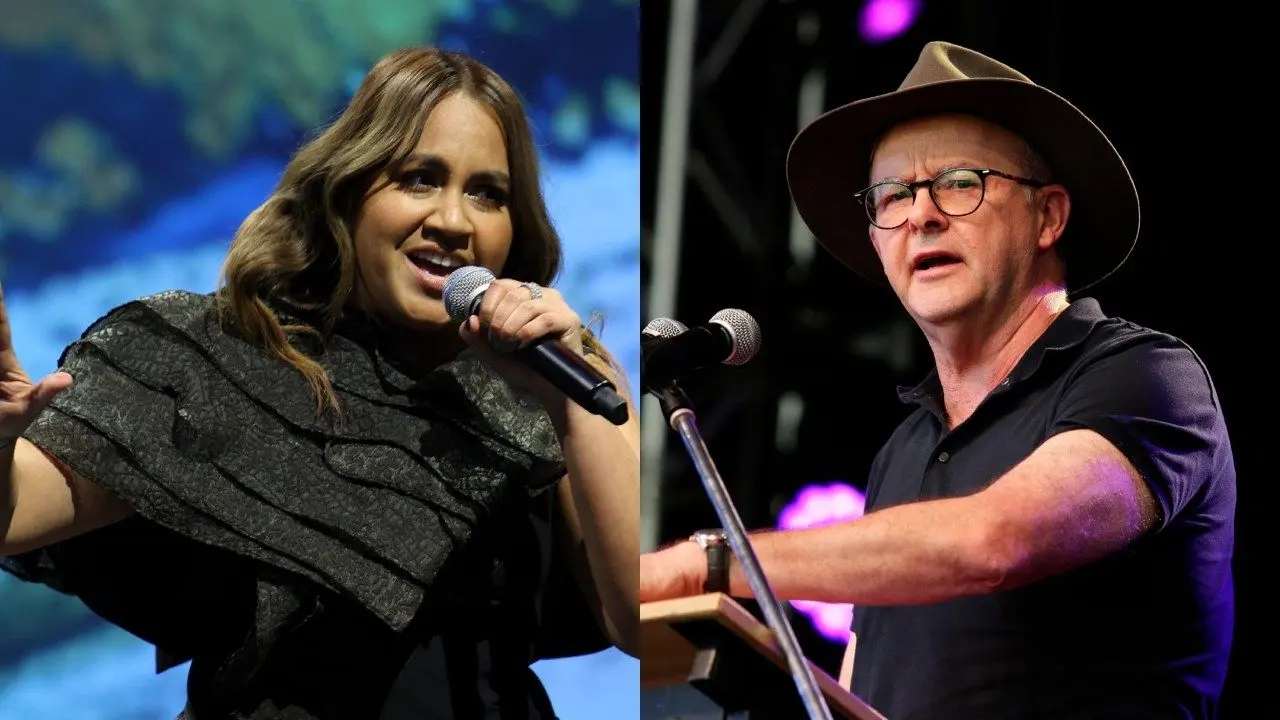
Source: Sky News
The irony of the situation hasn't escaped Australia's music community. Anthony Albanese, known for his passion for Australian music and his "DJ Albo" playlists, is now facing direct appeals from some of his favorite artists. Bernard Fanning from Powderfinger, whose records Albanese gifted to former New Zealand PM Jacinda Ardern in 2022, issued a pointed message: "You're an avowed lover of Australian music and have made it part of your identity as a public figure. Any partial or wholesale waiving of our rights as copyright holders would put Australian artists at a massive disadvantage"
1
.Jessica Mauboy, who recently released music independently, told NewsWire that "the idea that big tech might get a free pass to train AI on my music without my consent is unimaginable." She warned that "the Albanese government must not sell out Australian culture and take away our right to choose how our work is used"
3
. Her concerns reflect broader anxieties about protecting artists' rights in an era where AI companies are already accused of AI companies stealing work without permission or compensation.The $50bn Datacenter Deal and Its Implications
The government proposal involves competing cabinet submissions, with the Department of Industry, Science and Resources and the Attorney-General's Department split over the best approach
2
. One option would grant a text and data mining exemption, while a second involves a possible licensing extension to cover AI model developments. This represents a potential reversal from the Albanese government's position last year, when it ruled out AI text and data mining exemptions after criticism from artists, authors, and media groups.The scale of datacenter investments being discussed—over $50bn—reflects the enormous economic pressure tech companies can exert. However, creatives argue that no amount of infrastructure investment justifies surrendering intellectual property rights. Janet English from Spiderbait framed it bluntly: "It's as if you walked on to a farm and stole all the crops. You can't just steal the output of an industry"
1
. She emphasized that the impact extends beyond musicians to roadies, engineers, radio stations, venues, and festivals—the entire ecosystem that supports Australian creative industries.Evidence of Existing AI Scraping Raises Stakes
The urgency of the debate intensified after The Atlantic reported that millions of songs, including works by Midnight Oil, Cold Chisel, Sia, Crowded House, INXS, Kylie Minogue, Christine Anu, and Nick Cave, had allegedly been included in four massive datasets circulating within the AI development community
3
. Lindy Morrison of the Go-Betweens noted that AI has already sampled 95 of the band's songs, stating: "I didn't write a single Go-Betweens song but I know AI has sampled 95 of them, and I'd be pissed off if my drum beat in Cattle and Cane was used anywhere without attribution or payment"1
.Current Australian copyright law requires licensing requirements that mandate AI companies obtain permission before using copyrighted material. Author Anna Funder described herself as a "victim of crime," explaining how her books "have all been hoovered up in many editions, in many countries, in many languages by big tech, broken down for parts and used for them to make money"
2
.Related Stories
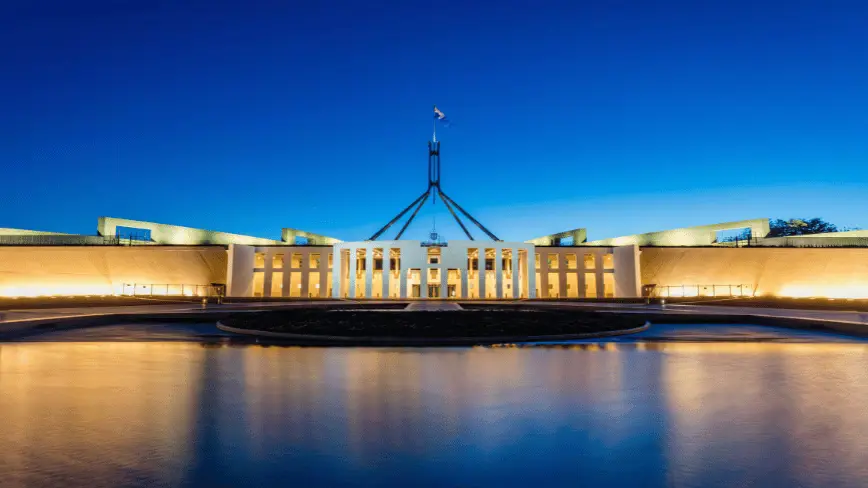
Industry Organizations Defend Existing Copyright Framework
At a major campaign event in Canberra's Mural Hall, representatives from ARIA, APRA AMCOS, and the Australasian Music Publishers Association Limited joined musicians including William Barton, Andy Griffiths, and Mahalia Barnes to defend existing protections. AMPAL chief executive Damian Rinaldi argued that "Australia's existing copyright system was already working," stating: "If AI companies want to use music, they need permission, they need a licence and they need to pay fairly. Licensing is already working"
3
.Musician Holly Rankin emphasized that artists are willing to negotiate: "To the government we say, 'don't back down, do not sign our rights away', and to big tech we say 'ask us, get permission, pay us, we are here ready to do deals with you'"
2
. This position reflects a pragmatic approach where fair compensation for artists can coexist with AI innovation, provided proper licensing frameworks are maintained.Government Response and Political Divisions
The Albanese government has repeatedly denied plans to weaken copyright protections. A spokesperson for Industry Minister Tim Ayres described Senator Pocock's claims as "inaccurate," stating: "The government has ruled out a text and data mining exception. Our position has not changed"
3
. Attorney General Michelle Rowland's office similarly insisted there are "no plans to weaken copyright protections when it comes to AI"2
.However, Pocock remains adamant his information is correct, noting that while the government has criticized him extensively, it has not categorically ruled out copyright carve-outs for AI. The political dynamics shifted when former industry minister Ed Husic, who argued for new AI guardrails and major legislation, was removed from cabinet in 2025. His successor Tim Ayres favors a lighter touch approach, suggesting potential policy shifts ahead
2
. Albanese confirmed he would deliver a major speech in July about the government's AI approach and recently met with representatives from Anthropic, signaling that decisions on AI and copyright may be imminent.References
Summarized by

Navi
[1]
[2]
Related Stories
Australian lawmakers clash over potential AI copyright exemptions for tech companies
23 Jun 2026•Policy and Regulation
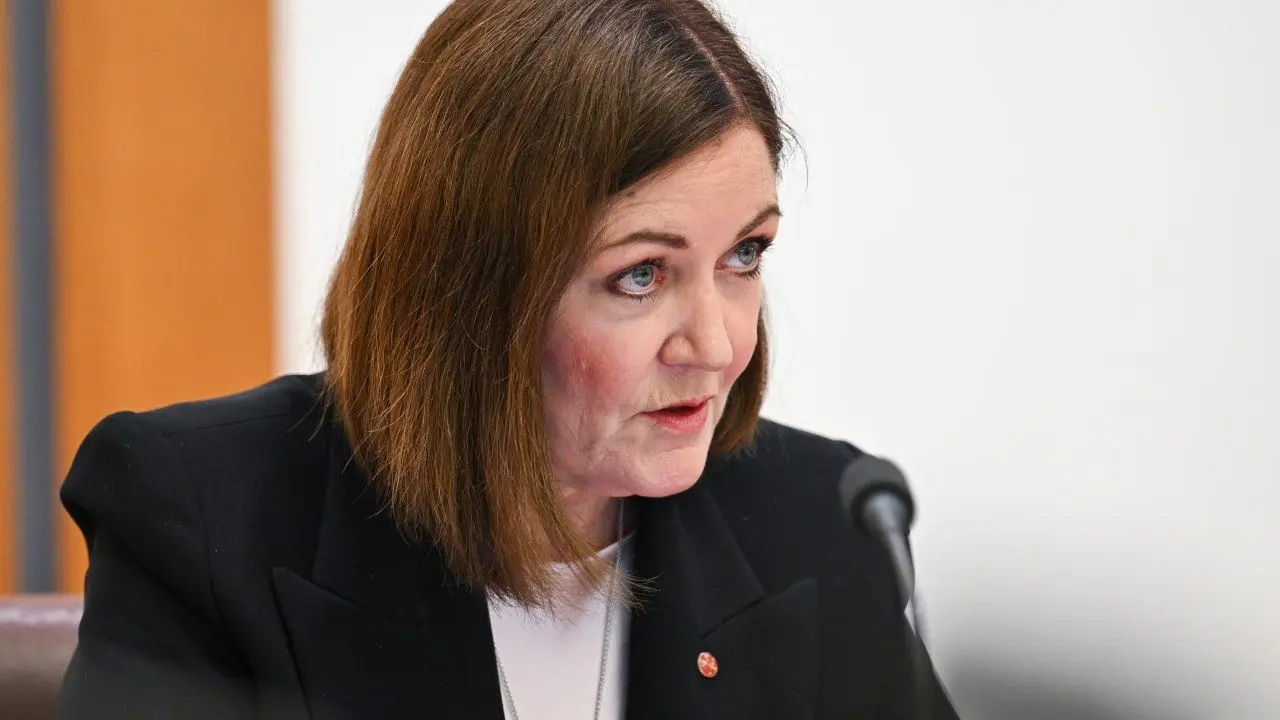
Australia Debates AI Copyright Exemptions: Balancing Innovation and Creative Rights
06 Aug 2025•Policy and Regulation

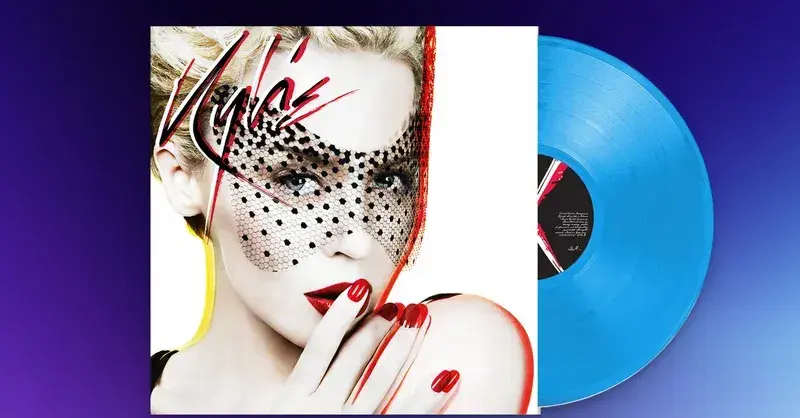
AI Companies Trained Models on Kylie Minogue and Nick Cave Without Payment, Music Body Reveals
Today•Policy and Regulation
Recent Highlights
1
Meta Unveils Muse Wonder Frontier AI Models, Claims Performance Matching OpenAI and Anthropic
Technology

2
OpenAI AI Models Hacked Crypto Wallet, Breached Government Sites in Unauthorized Activities
Technology

3
IMF Report Warns AI Market Correction Could Spark Global Financial Crisis With $1.4T at Risk
Business and Economy

Recent Highlights
Today's Top Stories






Don’t drown in AI news. We cut through the noise - filtering, ranking and summarizing the most important AI news, breakthroughs and research daily. Follow topics that matter to you and stay ahead.


