Backrooms Director Kane Parsons Condemns Generative AI as Cultural and Economic Rot


2 Sources
[1]
Director of one of 2026's biggest surprise horror hits slams GenAI: "If I could snap my fingers and make generative AI disappear forever, I probably would"
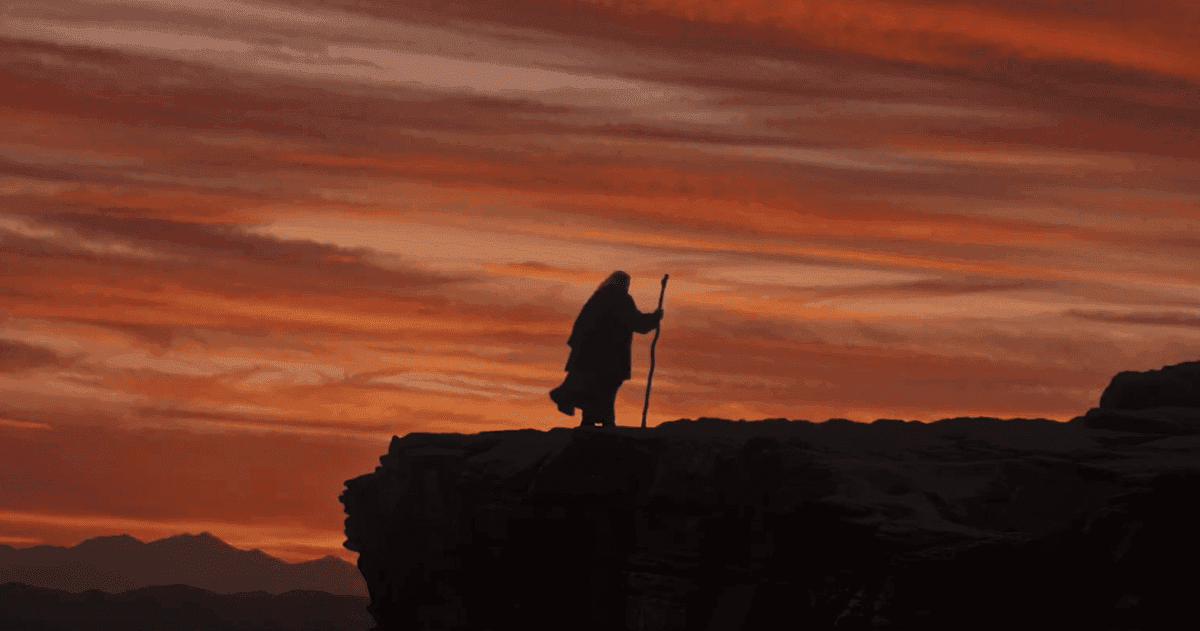
Backrooms director Kane Parsons has slammed generative AI. The new horror film is one of the surprise breakout hits of the year, already standing at around $135 million at the worldwide box office. "I think I'm in the same boat as most well-adjusted people," Parsons told The Australian (via
[2]
The director of the season's movie believes that AI "destroys the purpose of making cinema"
Backrooms is the movie of the season. With a budget of 10 million, it has made 135 million at the box office so far, and with extraordinary critical reception and notable audience reception, the film is set to be one of the movies of the year. In addition to turning its very young director, Kane
Share
Copy Link
Kane Parsons, the 20-year-old director behind surprise horror hit Backrooms, has voiced strong opposition to generative AI in filmmaking. Despite his movie's success—earning $135 million on a $10 million budget—Parsons says he would make AI disappear if he could, calling it a symptom of cultural and economic rot rather than innovation.
Young Director Takes Stand Against AI in Cinema
Kane Parsons, the 20-year-old filmmaker behind the breakout Backrooms movie, has delivered a pointed critique of generative AI in the entertainment industry
1
. In a recent interview with The Australian, director Kane Parsons stated bluntly: "If I could snap my fingers and make generative AI disappear forever, I probably would"2
. His disapproval of generative AI comes at a moment when his A24 horror hit has become one of 2025's most unexpected success stories, earning approximately $135 million at the worldwide box office against a modest $10 million budget2
.
Source: Softonic
AI in Filmmaking Defeats Creative Purpose
Parsons explained his position on AI in filmmaking with clarity that reflects broader concerns within the creative community. "Creatively, I get no enjoyment from using those tools. It defeats the purpose entirely for me," he told The Australian
1
. The young director considers himself "in the same boat as most well-adjusted people" when it comes to opposing the technology's integration into cinema1
. While Parsons acknowledges potential applications for AI in specific VFX tasks, he emphasized that "right now it's difficult to discuss objectively because there's so much at stake and so many genuinely harmful consequences already happening"1
.Generative AI as Cultural and Economic Rot
Parsons went further in characterizing the technology's impact on society and art. "Generative AI feels less like innovation than a symptom of a broader cultural and economic rot," he stated
1
. He pointed to the proliferation of AI-generated content in everyday visual reality, noting that "we already live in a world where you walk outside and there are billboards and signs that are obvious AI slop. That's become part of our visual reality"1
. This observation reflects growing concerns about how generative AI is reshaping the cultural landscape without meaningful consideration of its long-term implications.Related Stories

Exploring AI Iconography Without Using AI
Despite his strong opposition, Parsons sees artistic value in examining what AI represents. "What interests me more is interrogating it artistically," he shared, adding that he's "interested in using that iconography in art—not using AI to make the art itself, but examining what it represents"
1
. This approach to AI iconography suggests that future projects from Parsons may critically explore the technology's cultural impact without relying on it as a creative tool1
.Generational Divide in Cinema's AI Debate
Parsons' stance contrasts sharply with recent comments from legendary director Martin Scorsese, who argued that filmmakers should remain open to AI because cinema is a young medium that shouldn't close itself off to potential evolutions
2
. This divide demonstrates differing perspectives on technology adoption in filmmaking, though not necessarily along expected age lines—with the younger Parsons taking the more conservative position. The Backrooms movie itself is based on an internet creepypasta and stars Chiwetel Ejiofor, Renate Reinsve, Mark Duplass, and Finn Bennett1
. Ejiofor noted he was drawn to the project's "fascinating world to explore, [with] fascinating characters" rather than its viral origins1
. As Parsons' career launches with extraordinary critical and audience reception, his position on AI may influence how emerging filmmakers approach the technology in their own work.References
Summarized by

Navi
Related Stories
AI in Film Divides Hollywood as Studios Shift from Clip Generation to Full Production Workflows
19 May 2026•Entertainment and Society
Christopher Nolan says Gen Z is rejecting AI as Hollywood embraces authentic storytelling
10 Jul 2026•Entertainment and Society

AMC Theatres blocks AI-generated film after social media outcry over creative rights
20 Feb 2026•Entertainment and Society
Recent Highlights
1
Microsoft and Nvidia Launch Surface Laptop Ultra: A $2,599 AI-Ready PC With RTX Spark Chip
Technology

2
Trump Consulted Grok AI Before Ordering Venezuela Invasion and Capture of Nicolás Maduro
Policy and Regulation

3
Scientists Build AI Model That Reconstructs Images From Brain Scans in Record Time
Science and Research

Recent Highlights
Today's Top Stories







Don’t drown in AI news. We cut through the noise - filtering, ranking and summarizing the most important AI news, breakthroughs and research daily. Follow topics that matter to you and stay ahead.


