7 Sources
[1]
Christopher Nolan believes Gen Z will push back against generative AI and its growing influence
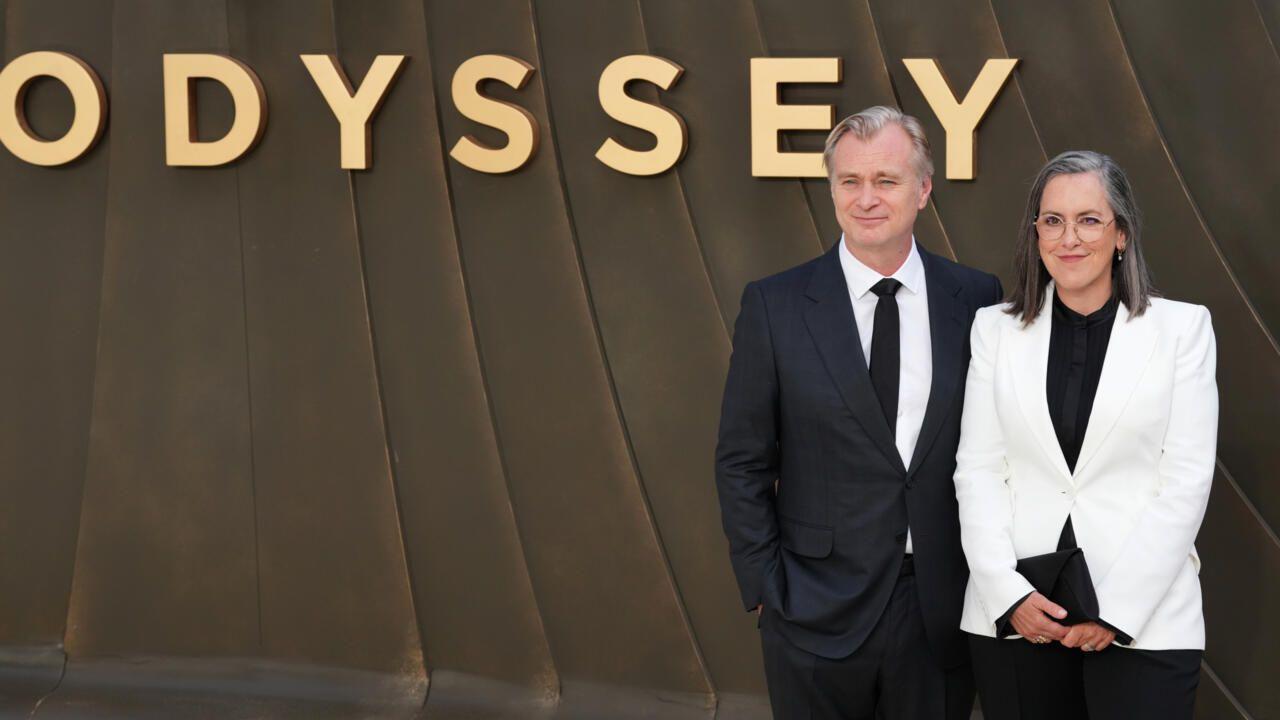
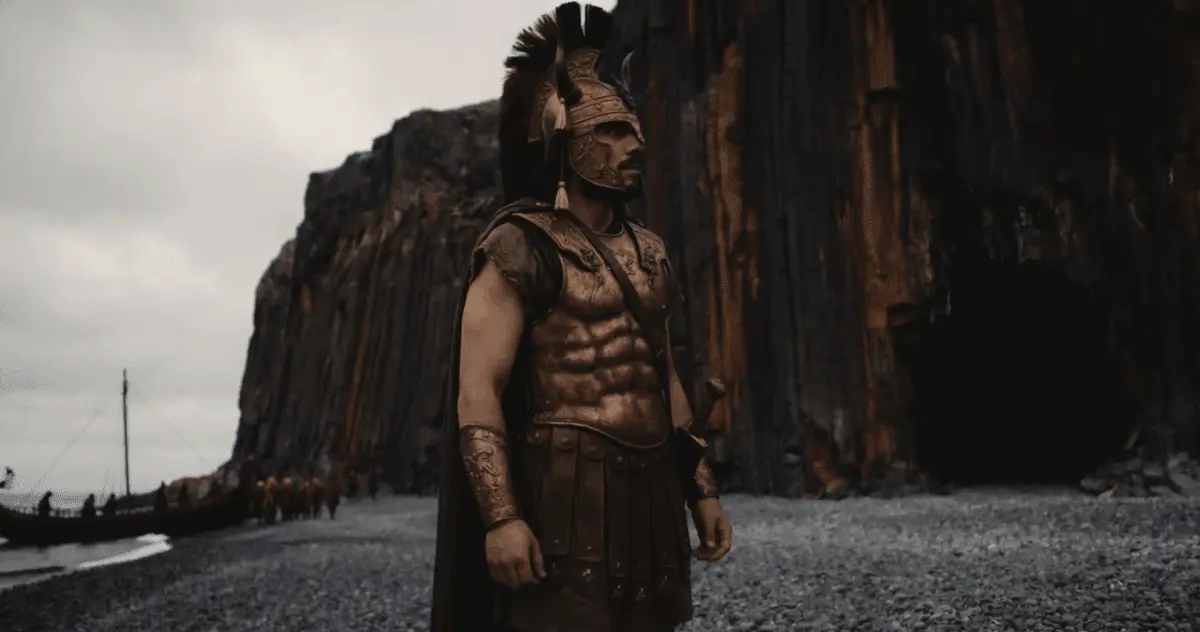
Serving tech enthusiasts for over 25 years. TechSpot means tech analysis and advice you can trust. The Slop Rises: Despite his relatively short filmography, Christopher Nolan is now regarded as one of the most influential filmmakers of the "new" Hollywood era. Known for his outspoken views on technology and his complex storytelling, the British director, producer, and screenwriter also has some interesting thoughts on generative AI and other modern LLM-based AI systems. Days before The Odyssey is set to debut in cinemas worldwide, director Christopher Nolan answered questions about filmmaking, technology, and generative AI. Nolan does not own a smartphone; otherwise, he says he would be "horribly addicted" to doomscrolling. He also believes genAI has limited room to grow in today's film industry because practical effects and a more "human" approach to filmmaking are experiencing a resurgence in modern Hollywood productions. The director of the Dark Knight trilogy, Inception, Interstellar, and Oppenheimer is particularly impressed by the reaction Gen Z is having toward AI. Younger people are rejecting genAI, chatbots, and LLMs, Nolan said, despite the unprecedented, industry-shifting financial speculation used to promote this supposedly "foundational" technological advancement. Gen Z's "judgment of AI slop has been immediate and harsh," Nolan said, referring to his four children's attitudes toward AI. Young people "see it for what it is very quickly - and it's much easier for them to identify it because it grew out of an online world they know really well." The director is not necessarily opposed to every aspect of LLM-based AI systems, but he believes Big Tech's obsession with turning every digital interaction into a chatbot "experience" is unlikely to succeed. Generative AI emerged at the wrong time, Nolan said, because interest in more authentic forms of storytelling is growing. After spending years pursuing virtual environments, people are now allegedly looking to return to a more "tactile" approach to the outside world and entertainment. Nolan also believes that assumptions about young viewers' short attention spans are misguided, pointing to the fact that strangely meditative productions such as Backrooms have quickly become critical and commercial successes. The Odyssey has a runtime of 173 minutes and is set to adapt one of the foundational works of classical literature from ancient Greece. As with his previous films, Nolan tried to use as few computer-generated effects as possible. The Cyclops sequence in the movie combined several practical "tricks" with CGI, and Nolan hopes viewers will simply enjoy "the magic of it" without focusing on the technical details behind its creation. Nolan's approach to AI is adding fuel to the growing debate over the use of AI-generated content in movies. Earlier this year, Martin Scorsese faced criticism for appearing to "throw artists under the bus" after becoming an adviser to AI company Black Forest Labs. Meanwhile, Hellboy and Frankenstein director Guillermo del Toro said he would "rather die" than use this type of technology.
[2]
Christopher Nolan says people 'disdain' AI and the idea it will replace humans is 'nonsense'
Odyssey director addresses industry fears over artificial intelligence and says rightwing criticism of Lupita Nyong'o as Helen of Troy is 'irrelevant' The Oscar-winning director Christopher Nolan believes the kind of movies he makes - big-budget action films shot mostly on location - would survive the spread of artificial intelligence, a technology he says many people "disdain". The Oppenheimer and The Dark Knight director is promoting his latest blockbuster, an adaptation of the Greek epic The Odyssey, which will be released in cinemas this week. "The interesting thing with AI is I've never seen a technology that's been so successfully adopted by Wall Street and by investors and by tech companies that the public has so thoroughly rejected," he told AFP in Paris. "It's just sort of an odd thing. Young people in particular, they coined this term 'AI slop'," he added. "There's a sort of disdain for things AI." AI has been infused into business applications and online search services, and chatbots such as ChatGPT have been widely adopted, but the technology faces major pushback in the creative industries such as music, cinema and art. "AI slop" refers to the flood of AI-generated text, video and audio content that has inundated social media in recent years. Nolan, who once again makes use of spectacular special effects in The Odyssey, added that he expected AI to result in some useful "imaging tools". "But I think the idea that it replaces human beings wholesale and human creativity, to me it's a nonsense," the British-American director said. Around the release of his previous film Oppenheimer, Nolan told the Guardian in 2023 that there were "very strong parallels" between the renowned physicist's calls for nuclear restraint and AI experts who were calling for the technology to be reined in, such as Dr Geoffrey Hinton, the British "godfather of AI", who quit Google to speak more openly about the "existential risk" posed by advanced AI. "I do think [AI] is going to be a powerful tool in the future. What I've tried to put into the debate, and keep voicing, is the notion of responsibility and employer responsibility. The one thing we can't do is let management, employers and the producers use AI to sidestep responsibility for their actions," Nolan said at the time. "[AI] leaves me with a lot of troubling questions. And quite often those become fuel for what I do next," he added. The AI industry has touted the potential of the technology to replace actors, writers and camera operators - claims that have spread panic in movie-making circles, though also plenty of scepticism. It was one of the issues behind a huge strike in Hollywood in 2023 that shuttered productions and cost studios billions of dollars. The Odyssey is an Ancient Greek poem that is considered a cornerstone of western literature. It recounts the hero Odysseus's 10-year quest to return home after the Trojan war and includes some of the most famous scenes from Ancient Greek mythology, including the one-eyed monster Cyclops and the Sirens. Nolan's The Odyssey has a reported budget of $250m, which enabled the director to travel to locations throughout the Mediterranean with a stellar cast that includes Matt Damon in the lead role as Odysseus, supported by Zendaya, Tom Holland, Robert Pattinson and Anne Hathaway. Nolan has been attacked by Elon Musk and other rightwing figures for casting the black actor Lupita Nyong'o as Helen of Troy, who only exists in Greek mythology and was considered the most beautiful woman in the world. Nyong'o herself has dismissed the commentary, saying: "Our cast is representative of the world. I'm not spending my time thinking of a defense. The criticism will exist whether I engage with it or not." In a separate interview with the UK's Telegraph on the weekend, Nolan said the backlash "comes with the territory", saying: "These conversations that happen before people see the film -- they're always irrelevant, because no one having them knows what the film actually is yet." "Remember, I spent 10 years of my life dealing with Batman," he said. "When I came on [Batman] Begins, writers and artists had been working on this beloved character for almost 65 years, and a lot of freighted thoughts were out there about what he represents. And what I learnt over my time on that trilogy is you can't worry about any of that at all. What you have to do is honour the original text by interpreting it in the strongest way you personally can." Agence France-Presse contributed to this report.
[3]
Christopher Nolan Unloads on AI Slop
Can't-miss innovations from the bleeding edge of science and tech Director Christopher Nolan has a reputation for tortuous storytelling. His movies elliptically jump across time ("Memento"), or move backwards through it ("Tenet"), or toy with solipsism to have us question what's real ("Inception"). We suspect his upcoming adaptation of the classic Greek epic "The Odyssey," which hits theaters later this month, won't be any different. But when the famed director decided to give his thoughts on AI, he didn't prevaricate; instead, he straightforwardly explained why everyone -- and especially the younger generations -- absolutely loathe the tech. "I've never seen a more rapid wholesale dismissal of a supposedly foundational jump in technology in my lifetime," Nolan said in a new interview with The Telegraph. "So much energy has been expended on bringing in AI, but if you look at that generation's reaction, they're utterly rejecting it." Nolan jumped on the topic after praising Kane Parsons and Curry Barker, two young directors who got their start on YouTube and whose debuts, "Backrooms" and "Obsession," were massive hits this year. In particular, he was cheered by their ambivalence towards AI, which he saw as emblematic of how the tech is being rejected by Gen Z at large. He also cited his own for children, who are in their late teens and early 20s, as further evidence. "Their judgment of AI slop has been immediate and harsh," Nolan said of the youths. "They see it for what it is very quickly -- and it's much easier for them to identify it, because it grew out of an online world they know really well." "And while that doesn't mean that every aspect of the technology is useless or meaningless, in filmmaking it's hitting at exactly the wrong time," he added. "After years of driving towards heavily virtual environments, we're seeing a renewed interest in more tactile, more real forms of storytelling." It's a refreshingly intelligent and frank assessment of AI from a major filmmaker, which isn't something you can take for granted. For cinephiles, recent events have been an inculcatory lesson in "never meet your heroes." In June, for example, revered director Martin Scorsese revealed that he'd partnered with an AI startup whose tech he uses to help storyboard his movies. Weeks later, the beloved studio A24 entered a $75 million partnership with Google to develop AI tools for filmmaking, causing a crisis among fans. That's not to say Nolan is alone in the film industry, though. Last year, his colleague Guillermo del Toro responded memorably to a question about whether he'd ever use the tech: "I'd rather die."
[4]
People 'disdain' AI, says director Christopher Nolan
Paris (France) (AFP) - Oscar-winning director Christopher Nolan told AFP he believed the kind of movies he makes -- big-budget action films shot mostly on location -- would survive the spread of AI, a technology he says many people "disdain". The "Oppenheimer" and "The Dark Knight" director is promoting his latest blockbuster, an adaptation of the Greek epic "The Odyssey". "The interesting thing with AI is I've never seen a technology that's been so successfully adopted by Wall Street and by investors and by tech companies that the public has so thoroughly rejected," he told AFP in Paris. "It's just sort of an odd thing. Young people in particular, they coined this term 'AI slop'," he added. "There's a sort of disdain for things AI." AI has been infused into business applications and online search services, and chatbots such as ChatGPT have been widely adopted, but the technology faces major pushback in the creative industries such as music, cinema and art. "AI slop" refers to the flood of AI-generated text, video and audio content that has inundated social media in recent years. AI claims are 'nonsense' "The Odyssey" has a reported budget of $250 million, which enabled Nolan to travel to locations throughout the Mediterranean with a stellar cast that includes Matt Damon in the lead role as Odysseus, supported by Zendaya, Tom Holland, Robert Pattinson and Anne Hathaway. Nolan has been attacked by Elon Musk and other far-right figures for casting black actress Lupita Nyong'o as Helen of Troy, who in Greek mythology was the most beautiful woman in the world. The British-American director, who once again makes use of spectacular special effects in "The Odyssey", added that he expected AI to result in some useful "imaging tools". "But I think the idea that it replaces human beings wholesale and human creativity, to me it's a nonsense," he added. The AI industry has touted the potential of the technology to replace actors, writers and camera operators -- claims that have spread panic in movie-making circles, though also plenty of scepticism. It was one of the issues behind a huge strike in Hollywood in 2023 that shuttered productions and cost studios billions of dollars. "The Odyssey" is an Ancient Greek poem believed to have been written by Homer that is considered a cornerstone of Western literature and one of the finest stories ever created. It recounts the titular hero's 10-year quest to return home from war and includes some of the most famous Ancient Greek myths, including one-eyed monster Cyclops and the Sirens.
[5]
'Gen Z is rejecting AI': Christopher Nolan makes big prediction about Hollywood, says AI tech arrived at the 'wrong time'
Christopher Nolan believes Gen Z is rapidly rejecting AI-generated content and says Hollywood is embracing the technology at the "wrong time." Speaking while promoting The Odyssey, the Oscar-winning filmmaker argued that younger audiences can easily identify "AI slop" and are increasingly drawn to authentic, practical filmmaking. He also dismissed claims that young viewers have lost interest in long, ambitious films, saying they continue to support original storytelling. As artificial intelligence becomes a bigger part of conversations around filmmaking, director Christopher Nolan believes audiences, especially younger viewers, are sending a very different message. The Oscar-winning filmmaker says Gen Z has been quick to reject AI-generated content and argues that Hollywood is leaning into the technology at the wrong moment. Speaking to The Telegraph while promoting The Odyssey, Nolan said he has rarely seen a technology face such a swift public backlash. His comments come as studios continue exploring AI for scriptwriting, visual effects and other parts of film production, even as concerns around creativity and jobs remain at the centre of the debate. Nolan says Gen Z can spot 'AI slop' instantlyNolan said younger audiences, who have grown up spending much of their lives online, have become highly skilled at recognising AI-generated material and are not impressed by it. "I've never seen a more rapid wholesale dismissal of a supposedly foundational jump in technology in my lifetime." He added, "So much energy has been expended on bringing in AI, but if you look at that generation's reaction, they're utterly rejecting it." Explaining why he thinks younger viewers are responding this way, Nolan said, "Their judgment of AI slop has been immediate and harsh. They see it for what it is very quickly, and it's much easier for them to identify it, because it grew out of an online world they know really well. And while that doesn't mean that every aspect of the technology is useless or meaningless, in filmmaking it's hitting at exactly the wrong time. After years of driving towards heavily virtual environments, we're seeing a renewed interest in more tactile, more real forms of storytelling." Practical filmmaking still matters, says directorNolan, who has long preferred practical effects, real locations and large-format cameras over digital shortcuts, believes audiences are once again looking for films that feel handmade rather than manufactured. He also praised young filmmakers such as Obsession director Curry Barker and Backrooms creator Kane Parsons for using practical effects wherever possible. According to Nolan, their work shows that younger viewers are still drawn to authentic filmmaking instead of heavily AI-generated visuals. "I think cinema is vital and essential and continues to transform itself - we've got all these great new young voices in movies, making the medium their own and moving it forward," he said. Long films still attract young audiencesNolan also pushed back against the idea that younger viewers no longer have the attention span for ambitious or lengthy films. "This is why I never bought into the arguments that young audiences' attention spans are too fried to enjoy a three-hour Greek epic," Nolan said. "Those films are so mysterious and ruminative. I mean, parts of Backrooms are like David Lynch at his most obscure. And yet young people can't get enough of them."
[6]
Christopher Nolan says younger generations are "utterly rejecting" AI slop
"I've never seen a more rapid wholesale dismissal of a supposedly foundational jump in technology in my lifetime." As tech execs increasingly try and tell Hollywood's biggest names that AI is here and will be the future of film, Christopher Nolan isn't convinced. What's more, he sees that the younger generations aren't supportive of AI either, despite the message from up top being that it is going to be the technology that defines them. "I've never seen a more rapid wholesale dismissal of a supposedly foundational jump in technology in my lifetime. So much energy has been expended on bringing in AI, but if you look at that generation's reaction, they're utterly rejecting it," Nolan told The Telegraph in a recent interview. The director added that his own children have judged AI content and found it wanting. "Their judgment of AI slop has been immediate and harsh. They see it for what it is very quickly -- and it's much easier for them to identify it, because it grew out of an online world they know really well. And while that doesn't mean that every aspect of the technology is useless or meaningless, in film-making it's hitting at exactly the wrong time." Filmmaking, to Nolan, is coming into a return to more nostalgic methods. Shooting on film is back in a big way, largely thanks to Nolan's efforts, and moviegoers are often praising unique, individual stories that feel like they have strong artistic intent behind them compared to the latest blockbuster that feels created by an algorithm.
[7]
People 'disdain' AI, says director Christopher Nolan
Oscar-he believed the kind of movies he makes -- big-budget action films shot mostly on location -- would survive the spread of AI, a technology he says many people "disdain". The AI industry has touted the potential of the technology to replace actors, writers and camera operators -- claims that have spread panic in movie-making circles, though also plenty of scepticism. Oscar-winning director Christopher Nolan told AFP he believed the kind of movies he makes -- big-budget action films shot mostly on location -- would survive the spread of AI, a technology he says many people "disdain". The "Oppenheimer" and "The Dark Knight" director is promoting his latest blockbuster, an adaptation of the Greek epic "The Odyssey". "The interesting thing with AI is I've never seen a technology that's been so successfully adopted by Wall Street and by investors and by tech companies that the public has so thoroughly rejected," he told AFP in Paris. "It's just sort of an odd thing. Young people in particular, they coined this term 'AI slop'," he added. "There's a sort of disdain for things AI." AI has been infused into business applications and online search services, and chatbots such as ChatGPT have been widely adopted, but the technology faces major pushback in the creative industries such as music, cinema and art. "AI slop" refers to the flood of AI-generated text, video and audio content that has inundated social media in recent years. AI claims are 'nonsense' "The Odyssey" has a reported budget of $250 million, which enabled Nolan to travel to locations throughout the Mediterranean with a stellar cast that includes Matt Damon in the lead role as Odysseus, supported by Zendaya, Tom Holland, Robert Pattinson and Anne Hathaway. Nolan has been attacked by Elon Musk and other far-right figures for casting black actress Lupita Nyong'o as Helen of Troy, who in Greek mythology was the most beautiful woman in the world. The British-American director, who once again makes use of spectacular special effects in "The Odyssey", added that he expected AI to result in some useful "imaging tools". "But I think the idea that it replaces human beings wholesale and human creativity, to me it's a nonsense," he added. The AI industry has touted the potential of the technology to replace actors, writers and camera operators -- claims that have spread panic in movie-making circles, though also plenty of scepticism. It was one of the issues behind a huge strike in Hollywood in 2023 that shuttered productions and cost studios billions of dollars. "The Odyssey" is an Ancient Greek poem believed to have been written by Homer that is considered a cornerstone of Western literature and one of the finest stories ever created. It recounts the titular hero's 10-year quest to return home from war and includes some of the most famous Ancient Greek myths, including one-eyed monster Cyclops and the Sirens.
Share
Copy Link
Oscar-winning director Christopher Nolan believes Gen Z has swiftly dismissed AI-generated content, calling their judgment of 'AI slop' immediate and harsh. Speaking ahead of The Odyssey's release, Nolan argues that AI arrived at the wrong time for filmmaking as audiences increasingly seek tactile, authentic storytelling over virtual environments and technology that attempts to replace human creativity.
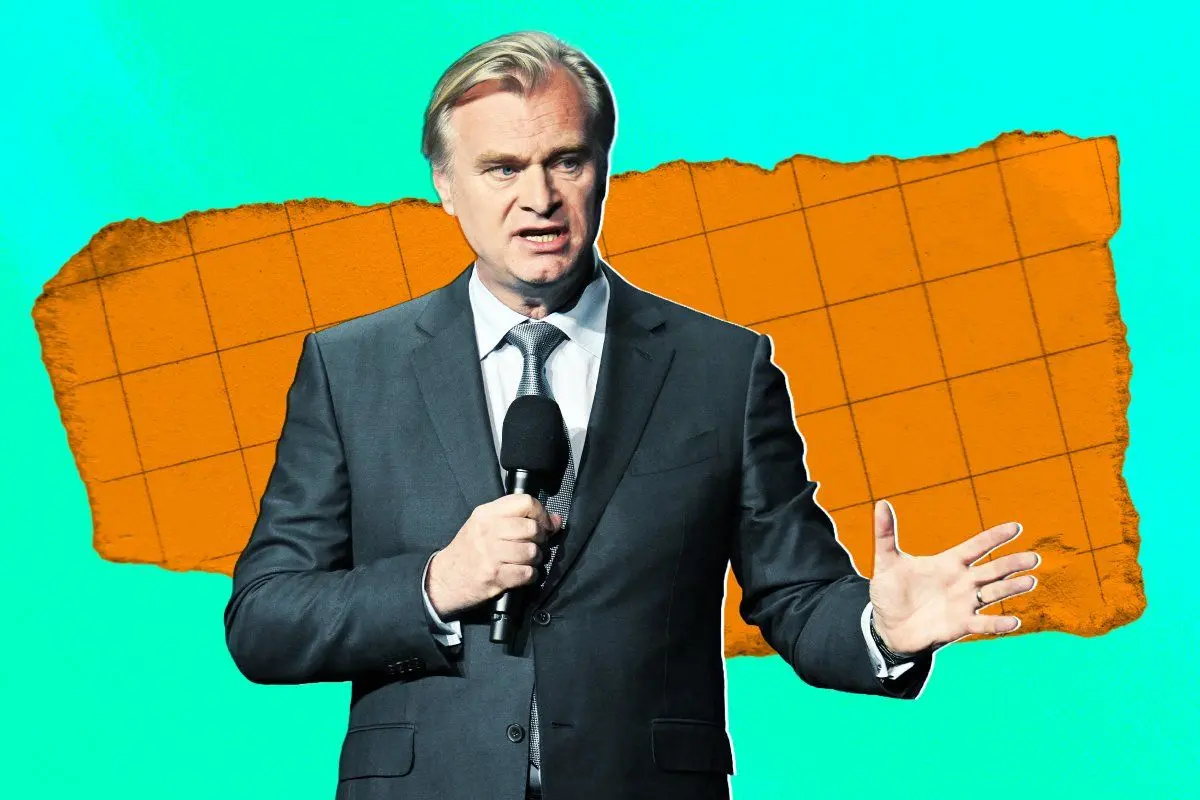
Oscar-winning director Christopher Nolan has made a striking observation about how younger audiences are responding to AI in creative industries. Speaking to The Telegraph and AFP while promoting his upcoming film The Odyssey, Nolan said he has "never seen a more rapid wholesale dismissal of a supposedly foundational jump in technology" in his lifetime
3
. The director, known for films like Oppenheimer, Inception, and The Dark Knight trilogy, believes Gen Z is rejecting AI-generated content with unprecedented speed and clarity.
Source: Futurism
Nolan pointed to his own four children, who are in their late teens and early twenties, as evidence of this generational shift. "Their judgment of AI slop has been immediate and harsh," he explained, referring to the term younger people coined for the flood of AI-generated text, video, and audio content inundating social media
1
. He added that young people "see it for what it is very quickly—and it's much easier for them to identify it, because it grew out of an online world they know really well"2
.The British-American filmmaker argues that generative AI has emerged at precisely the wrong moment for the film industry. "After years of driving towards heavily virtual environments, we're seeing a renewed interest in more tactile, more real forms of storytelling," Nolan told The Telegraph
3
. This shift toward authentic storytelling and practical effects represents a fundamental change in what audiences want from their entertainment.Nolan finds it particularly striking that while Wall Street, investors, and Big Tech companies have successfully adopted AI technology, "the public has so thoroughly rejected" it
4
. "Young people in particular, they coined this term 'AI slop,'" he said. "There's a sort of disdain for things AI"2
. The director emphasized that this represents an unusual disconnect between corporate enthusiasm and public sentiment.While Nolan acknowledges that AI might produce useful "imaging tools" for filmmaking, he firmly rejects the notion that the technology could replace human creativity wholesale. "I think the idea that it replaces human beings wholesale and human creativity, to me it's a nonsense," he stated
2
. This perspective stands in contrast to claims from the AI industry about the technology's potential to replace actors, writers, and camera operators—claims that contributed to the massive 2023 strikes in Hollywood that shuttered productions and cost studios billions of dollars4
.Nolan's stance on AI's role in creative industries aligns with other prominent filmmakers like Guillermo del Toro, who said he would "rather die" than use AI technology in his work
1
. However, not all directors share this view—Martin Scorsese faced criticism earlier this year for becoming an adviser to AI company Black Forest Labs1
.Related Stories
The director also dismissed assumptions about young viewers having short attention spans, pointing to the success of meditative productions like Backrooms by Kane Parsons and Obsession by Curry Barker
5
. "This is why I never bought into the arguments that young audiences' attention spans are too fried to enjoy a three-hour Greek epic," Nolan said, noting that parts of Backrooms "are like David Lynch at his most obscure. And yet young people can't get enough of them"5
.
Source: France 24
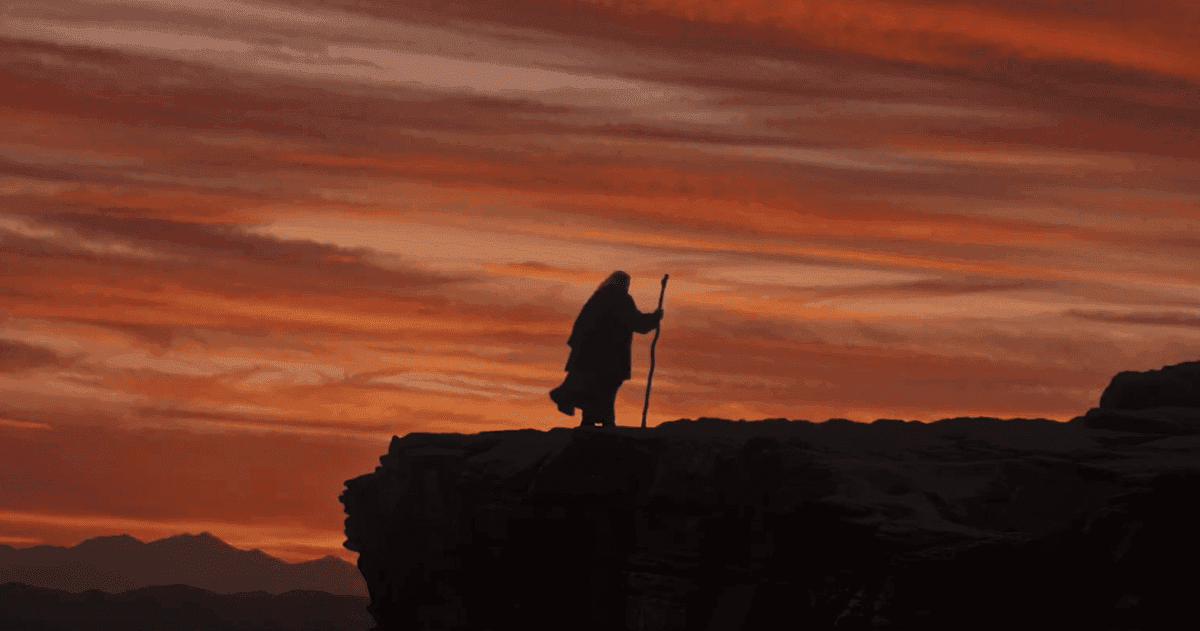
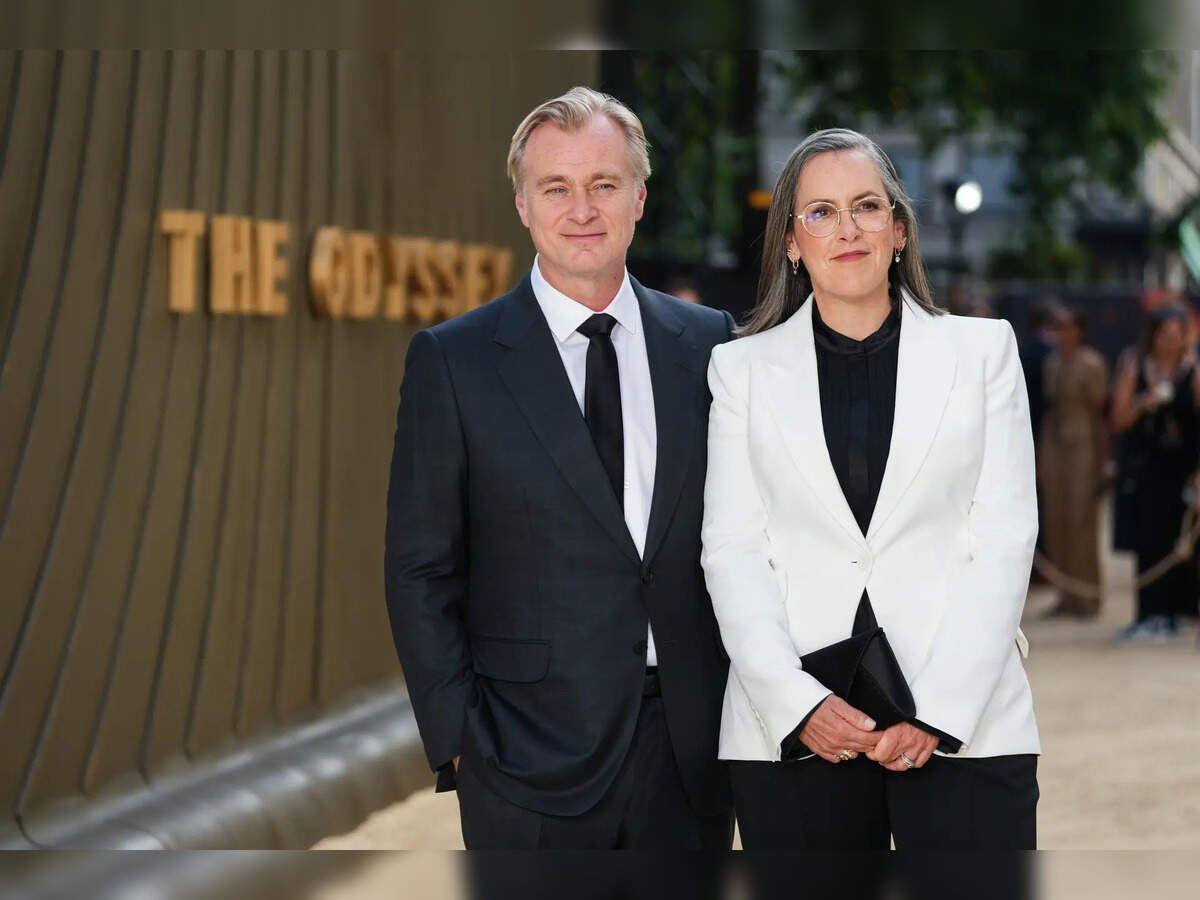
Nolan's upcoming film The Odyssey, with a reported budget of $250 million, exemplifies his commitment to practical filmmaking techniques
4
. The 173-minute adaptation of the Ancient Greek epic features a stellar cast including Matt Damon as Odysseus, alongside Zendaya, Tom Holland, Robert Pattinson, Anne Hathaway, and Lupita Nyong'o as Helen of Troy. The production traveled to locations throughout the Mediterranean, and the Cyclops sequence combined practical tricks with minimal CGI1
. Nolan hopes viewers will simply enjoy "the magic of it" without focusing on technical details, reflecting his broader philosophy that tactile storytelling resonates more powerfully with audiences than heavily virtual environments.
Source: ET
Summarized by
Navi
[1]
[2]
[3]
[4]
05 Jun 2026•Entertainment and Society

19 May 2026•Entertainment and Society

02 Jun 2026•Entertainment and Society

1
Technology

2
Business and Economy

3
Technology