Trump Administration Eyes Equity Stake in OpenAI as Public Wealth Fund Takes Shape


25 Sources
[1]
The Trump administration might take an equity stake in OpenAI
President Donald Trump said on Friday that he's spoken to AI companies about striking deals "where the American people can benefit from the success of AI." Trump does not seem to have mentioned specific companies in his comments, but OpenAI is a likely candidate, especially after CNBC reported
[2]
Trump says he thinks AI companies will agree to 'giving back' to the public
WASHINGTON, June 10 (Reuters) - U.S. President Donald Trump said on Wednesday that he expects top artificial intelligence companies to agree to "giving back" to the public, an apparent reference to a possible government stake in the firms. "I'm going to have meetings with the top 12 or 15
[3]
Trump administration, OpenAI discussing possible government stake in the AI startup
U.S. government reportedly weighing financial stake in AI companies OpenAI CEO Sam Altman and the White House are in ongoing talks about a possible government stake in the artificial intelligence company, CNBC confirmed on Friday. The discussions have been in progress for more than a year, as
[4]
Trump Muses About Government Taking a Piece of A.I. Companies
Tripp Mickle reported from San Francisco. Ana Swanson and Cecilia Kang reported from Washington. For the second time in a week, President Trump said Americans could get rich by sharing in the wealth from artificial intelligence companies. In the Oval Office on Wednesday, Mr. Trump said that he
[5]

US government could take a stake in OpenAI as Trump explores AI equity plan
Serving tech enthusiasts for over 25 years. TechSpot means tech analysis and advice you can trust. A hot potato: The US government taking a stake in Intel last year was surprising enough, but Washington might not stop at chipmakers. Senior officials have reportedly discussed the idea of taking
[6]

Trump to meet AI leaders over US investment in their companies
US President Donald Trump is planning to meet the bosses of some of the country's most notable artificial intelligence (AI) companies to discuss the government taking a financial stake in their future. Speaking on Air Force One, Trump said the goal of the US government investing in AI companies
[7]

The Leopard Is Eating David Sacks's Face
President Donald Trump confirmed Friday that he's thinking about the U.S. government entering into some kind of partnership with the major AI companies, perhaps even taking a stake like he did with Intel. Trump is meeting with the leaders of the AI companies, possibly as soon as next week, to chat
[8]

Trump eyes public stake in $850bn OpenAI as Sanders wants 50%
Trump says he will meet AI companies next week on a "partnership" plan to give Americans an equity stake. Altman first pitched the idea in early 2025. Sanders wants 50%. Critics warn government ownership would undermine AI regulation. President Donald Trump said on Thursday that he will likely
[9]
OpenAI has the tools to lay a Washington snare
NEW YORK, June 9 (Reuters Breakingviews) - Artificial intelligence is creating wealth for Silicon Valley and anxiety elsewhere. OpenAI boss Sam Altman wants to bridge the gap by giving Americans a stake in the boom. The solution is both timely and worrying. Spreading the wealth could ease brewing
[10]

Trump says he's considering government stake in top AI companies
President Donald Trump, seen aboard Air Force One on Friday. (Samuel Corum/Getty Images) President Donald Trump said on Friday that he is considering taking a government stake in leading artificial intelligence companies. The suggestion follows previous deals in which the Trump administration has
[11]
US officials have discussed taking government stakes in AI companies
A NOTUS report says senior officials held early talks with AI firms about the government acquiring shares, an idea Sam Altman pitched to Trump in 2025. The idea is unusual enough that it took a moment to register: the United States government, owning a slice of the companies building frontier
[12]

Trump: U.S. stake in AI giants "could be a beautiful thing"
President Trump surprised tech CEOs by suddenly pushing the idea of the U.S. taking a small ownership stake in AI giants, so the American people share in the upside of what will be trillion-dollar companies. * "There's something very interesting about it, where it almost becomes a partnership with
[13]
Automatic for the people? AI as public utility
LONDON, June 9 (Reuters) - Left-leaning U.S. Senator Bernie Sanders and Republican President Donald Trump have found surprising common ground: the U.S. government should take stakes in AI companies so the public can share in the rewards. With nationalization back in vogue, turning AI firms into
[14]

Former AI czar calls Sanders' proposal for government equity a 'stupidity tax' and warns against nationalization as Trump mulls public stakes | Fortune
The Trump administration's former AI czar sounded the alarm on giving the federal government equity stakes in top AI companies, while his former boss hinted favorably at the idea. In an X post on Friday, David Sacks said he's not a fan of Sen. Bernie Sanders' bill that would establish 50%
[15]

US government could take stakes in major AI companies
US officials are weighing a proposal that could see the federal government take stakes in leading artificial intelligence providers. The discussions were first reported by news outlet NOTUS on Thursday. According to Politico, President Donald Trump confirmed the report today during a press
[16]
Trump says his team will 'look into' US taking stake in AI companies
0 seconds of 0 secondsVolume 0% Press shift question mark to access a list of keyboard shortcuts Keyboard ShortcutsEnabledDisabled Shortcuts Open/Close/ or ? Play/PauseSPACE Increase Volume↑ Decrease Volume↓ Seek Forward→ Seek Backward← Captions On/Offc Fullscreen/Exit
[17]

Trump Says He Thinks AI Companies Will Agree to 'Giving Back' to the Public
WASHINGTON, June 10 (Reuters) - U.S. President Donald Trump said on Wednesday that he expects top artificial intelligence companies to agree to "giving back" to the public, an apparent reference to a possible government stake in the firms. "I'm going to have meetings with the top 12 or 15
[18]

Trump explores federal government acquiring shares in AI companies
President Trump signed an executive order creating a voluntary federal review process for advanced artificial intelligence models. WASHINGTON -- President Donald Trump said he's exploring having the federal government acquire shares in artificial intelligence companies, likening the concept to a
[19]
US officials eye government stakes in AI companies, NOTUS reports
June 4 (Reuters) - Senior U.S. officials held preliminary discussions with major AI companies about the potential for the government to buy some shares in their firms, digital news outlet NOTUS reported, opens new tab on Thursday, citing three people familiar with the matter. While the planning is
[20]

Trump says he thinks AI companies will agree to 'giving back' to the public
President Trump plans to meet with top AI executives soon. He expects them to agree to 'give back' to the public. This could involve the government taking stakes in these companies. Such an agreement could significantly benefit the U.S. government's finances. Many Americans worry about AI's impact
[21]
Donald Trump says his team will 'look into' US taking stake in AI companies
Digital news outlet NOTUS reported on Thursday that senior U.S. officials held preliminary discussions with AI companies about the potential for the government to buy some shares in their firms. US President Donald Trump told reporters on Friday that his team is looking into the idea of AI
[22]

President Trump Seeks Govt. Stake in the AI Pie to Expand Ownership
By the looks of it, such a move would turn criticism of his AI policies into support if he can promise some returns to the general public US President Donald Trump believes that it wouldn't be a bad idea for all AI companies headquartered in the country to give a stake in their enterprises to the
[23]
US officials eye government stakes in AI companies, NOTUS reports
While the planning is ongoing and details are in flux, discussions have centered on having the firms voluntarily cede the shares to the government, the report said. Senior US officials held preliminary discussions with major AI companies about the potential for the government to buy some shares
[24]

US officials discuss taking stakes in AI firms, NOTUS report says By Investing.com
Investing.com-- Senior US officials held early talks with major artificial intelligence companies about the government purchasing shares in their businesses, NOTUS reported Thursday, citing people familiar with the matter. The discussions focused on having the companies voluntarily transfer shares
[25]

OpenAI and Washington Weigh Public Equity Stake in the Group
OpenAI and the Trump administration have been in discussions for over a year regarding a potential US government equity stake in the artificial intelligence firm. The talks, initiated by Sam Altman in 2025, recently continued in Washington during meetings focused on AI regulation and technological
Share
Copy Link
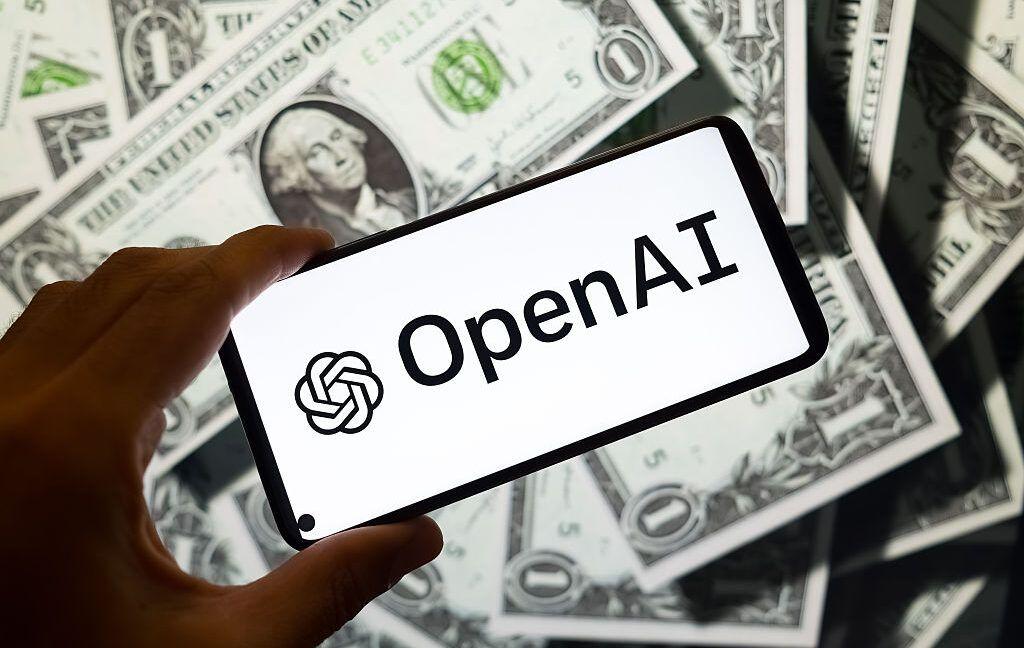
President Trump confirmed discussions with AI companies about giving equity to the American public, with OpenAI at the center of talks. The Trump administration has been negotiating a government stake in AI firms, potentially seeding a Public Wealth Fund that could distribute AI-driven profits directly to citizens as concerns mount over job displacement and wealth concentration in Silicon Valley.
Trump Administration Explores Government Stake in AI Companies
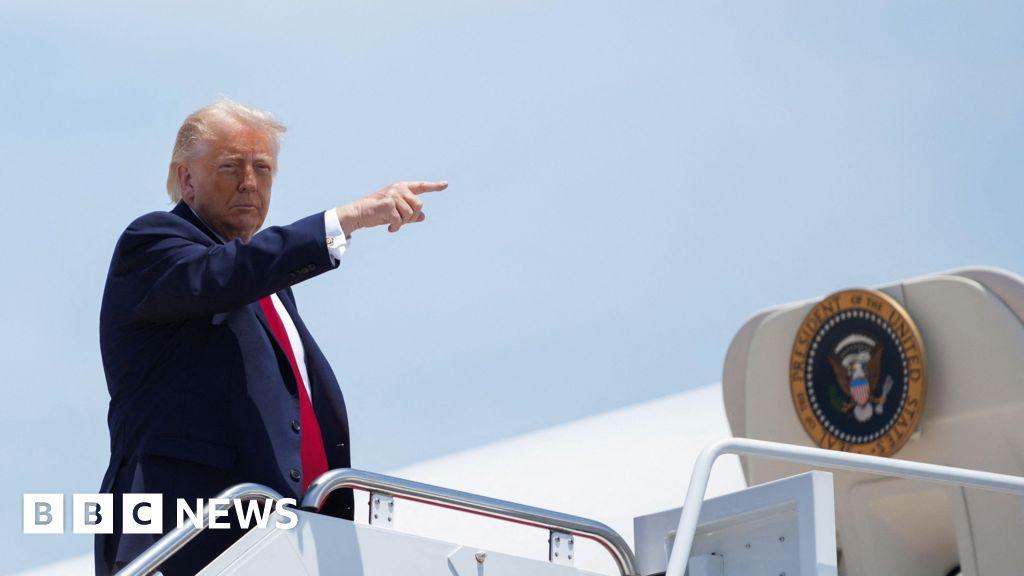
President Donald Trump confirmed on Friday that he's been speaking with AI companies about striking deals "where the American people can benefit from the success of AI," marking a significant shift in how Washington might engage with the booming artificial intelligence sector
1
. While Trump didn't name specific companies, the Trump administration has been in active discussions with OpenAI about a potential equity stake in OpenAI, according to multiple reports3
. When reporters on Air Force One asked about the concept, Trump replied that he's been talking to AI executives about "concepts where pieces could be given to the American public, where the American public essentially becomes a partner with the companies"1
.
Source: BBC
Sam Altman's Vision for Public Wealth Fund
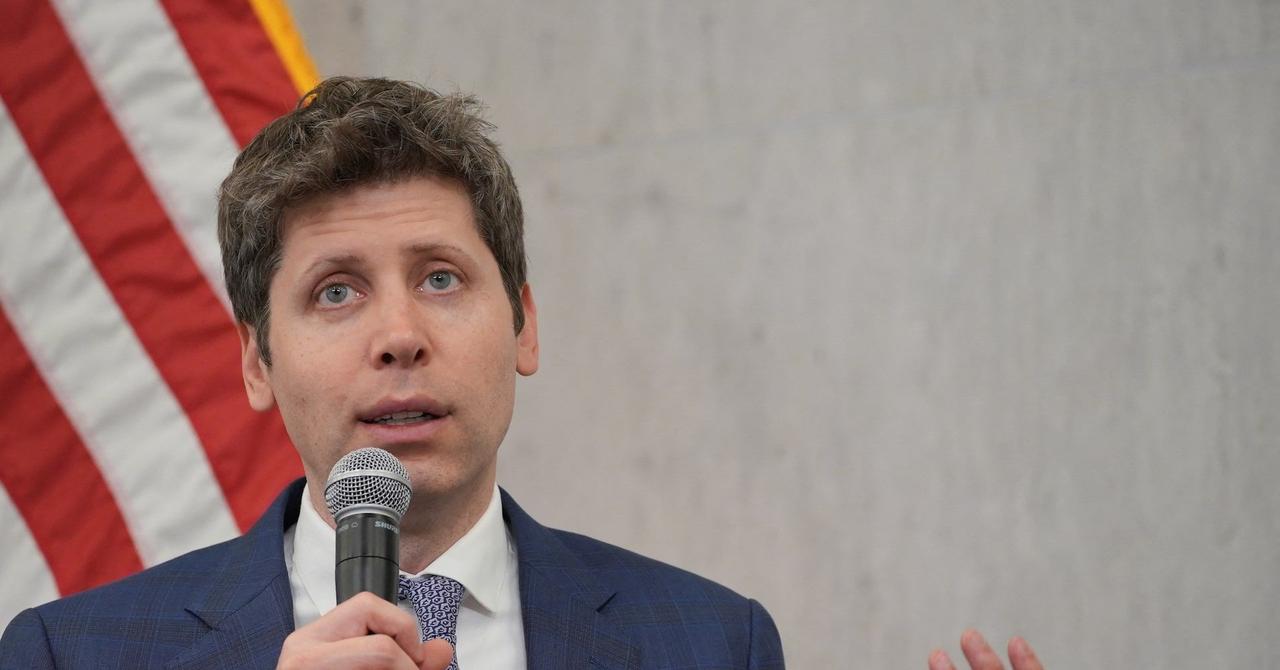
Sam Altman, OpenAI's CEO, has been championing this idea since early 2025, first raising the concept directly with Trump in January of that year
4
. The discussions have continued for more than a year, with Altman meeting a range of lawmakers and officials in Washington about AI regulation and development3
. In April, OpenAI released a detailed policy proposal calling for a Public Wealth Fund that would "provide every citizen - including those not invested in financial markets - with a stake in AI-driven economic growth"5
. According to the proposal, proceeds from the fund "could be distributed directly to citizens, allowing more people to participate directly in the upside of AI-driven growth, regardless of their starting wealth or access to capital"1
.
Source: Reuters
AI Companies Giving Back to the Public
Trump doubled down on the concept during an Oval Office appearance on Wednesday, telling reporters he expects top artificial intelligence companies to agree to "giving back" to the public
2
. "I'm going to have meetings with the top 12 or 15 executives very shortly, and we're talking about giving back something to the public, and if we do that, the public will become very rich," Trump said, adding "I think they'll do that, and I think it'll make it very popular"2
. The US government could take a stake in OpenAI through voluntary equity donations rather than purchasing stock on the open market, with returns potentially funding public purposes including direct dividends to American households5
.Growing Concerns Over Job Displacement and Wealth Concentration
The push for government taking a piece of AI companies comes as public anxiety about artificial intelligence intensifies. Half of Americans fear that the rise of AI could put them or someone in their household out of work, according to a Reuters/Ipsos poll completed in early June
2
. A March Quinnipiac University poll found that 55 percent of American adults viewed AI as a force for harm rather than good4
. Silicon Valley appears poised for a new generation of wealth creation through AI, but many in the industry worry it will destroy jobs ranging from highly paid software programmers to back-office accountants4
. OpenAI is targeting a valuation of up to $1 trillion, meaning an agreement to give the U.S. government equity stakes could have a massive impact on the government's finances2
.
Source: Reuters
Related Stories

Bipartisan Interest and Potential Conflicts
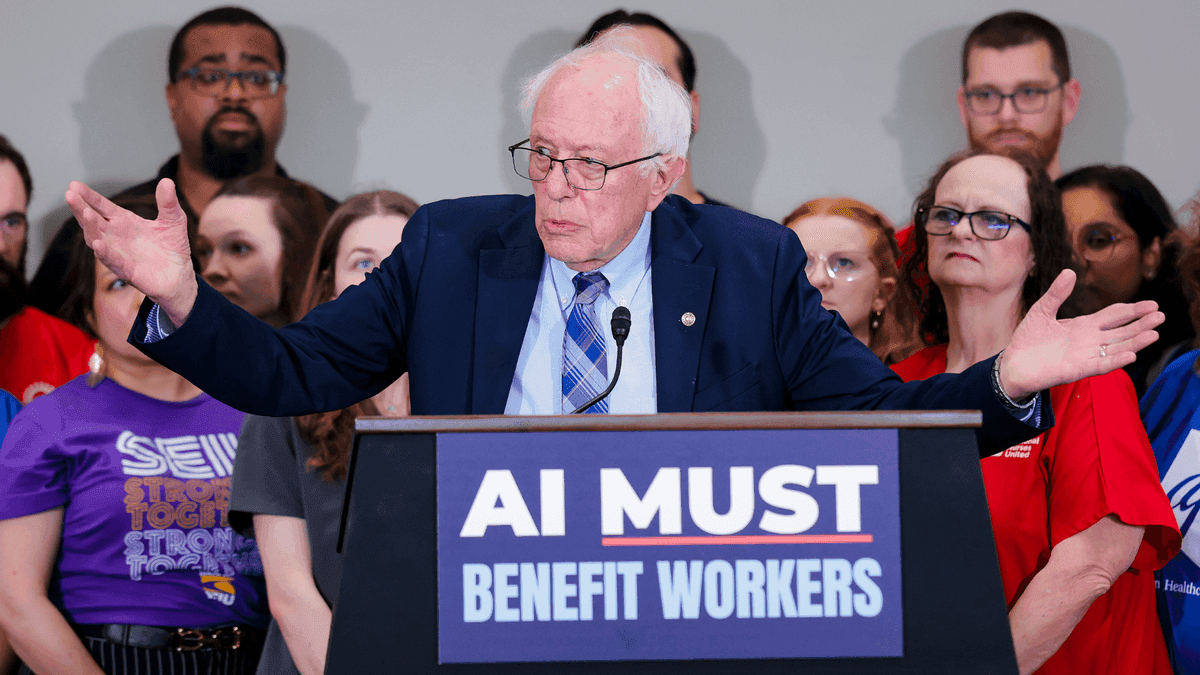
The concept has found traction across the political spectrum. Bernie Sanders proposed a one-time, 50 percent tax that companies like OpenAI, Anthropic, and xAI would pay in the form of stock, arguing this would "give the public a direct role in determining the future of this technology" and "guarantee that the trillions of dollars potentially generated by A.I. are used to improve the lives of all of us"
1
. The idea aligns with Trump's broader interest in government ownership of for-profit companies, most notably the government taking a 10% stake in Intel last year by converting $11.1 billion in CHIPS Act funding into equity1
5
. However, critics warn about potential conflicts of interest, with David Sacks, who recently stepped down as Trump's AI and crypto czar, cautioning that such arrangements could "accelerate the corporate-government fusion we're already sliding toward"1
. Former Microsoft employee Dare Obasanjo suggested that "the groundwork is already being laid for a government bailout of OpenAI"1
.What Comes Next for Wealth Redistribution
Both OpenAI and Anthropic have proposed creating public funds that would redistribute some of their wealth in cases of mass layoffs, with universal basic income emerging as one potential mechanism
4
. Altman first publicly floated the idea of giving people stock in a 2021 blog post, describing a future when AI would render jobs largely meaningless and proposing that AI companies be taxed on their market value and forced to pay the government in stock4
. David Yoffie, a professor at Harvard Business School, noted that "the notion that the government should be a partner in new technology is not new but the idea that the government and American citizens should have equity is a radical departure from the free markets approach of the world"4
. With both OpenAI and Anthropic potentially going public this year, the coming months will determine whether this vision of public benefit from AI advances becomes reality or remains aspirational.References
Summarized by

Navi
Related Stories
Sanders proposes 50% public ownership of AI firms as Trump backs government stake in US AI giants
19 Jun 2026•Policy and Regulation
Bernie Sanders proposes 50% public ownership in AI giants as Trump backs wealth-sharing plans
02 Jun 2026•Policy and Regulation
OpenAI proposes giving US government 5% stake worth $42.6 billion amid regulatory pressure
02 Jul 2026•Policy and Regulation
Recent Highlights
1
Microsoft and Nvidia Launch Surface Laptop Ultra: A $2,599 AI-Ready PC With RTX Spark Chip
Technology

2
OpenAI Releases 722 AI-Generated Math Papers on GitHub, Igniting Fury Among Mathematicians
Science and Research

3
Trump Consulted Grok AI Before Ordering Venezuela Invasion and Capture of Nicolás Maduro
Policy and Regulation

Recent Highlights
Today's Top Stories









Don’t drown in AI news. We cut through the noise - filtering, ranking and summarizing the most important AI news, breakthroughs and research daily. Follow topics that matter to you and stay ahead.


