Bitcoin Miners Control 27 GW Power Capacity, Emerge as Key Players in AI Infrastructure Race


2 Sources
[1]
Bitcoin Miners Emerge as Unlikely Power Brokers in AI Infrastructure Race, Says Bernstein - Decrypt
Individual miners are locking in major partnerships, often involving equity commitments that align both sides on scaling up capacity. As Google and Blackstone move to establish a new AI cloud venture, an unexpected group of players stands to benefit: Bitcoin miners. The Wall Street Journal
[2]
Bernstein: Bitcoin Miners Gain Strategic Role in AI Infrastructure
Bernstein says miners control 27 GW of planned power and $90 billion in AI deals, giving them a strategic edge as electricity becomes the main constraint on data center growth. Bitcoin miners are emerging as an important part of the AI infrastructure supply chain because they control large amounts
Share
Copy Link
Bitcoin miners are becoming critical players in the AI infrastructure race, controlling over 27 gigawatts of planned power capacity across the United States. Investment bank Bernstein reports the industry has secured more than $90 billion in AI-related contracts as access to electricity becomes the primary bottleneck for scaling AI data centers, with grid connections taking over four years to secure.
Bitcoin Miners Position Themselves as Power Brokers in AI Expansion
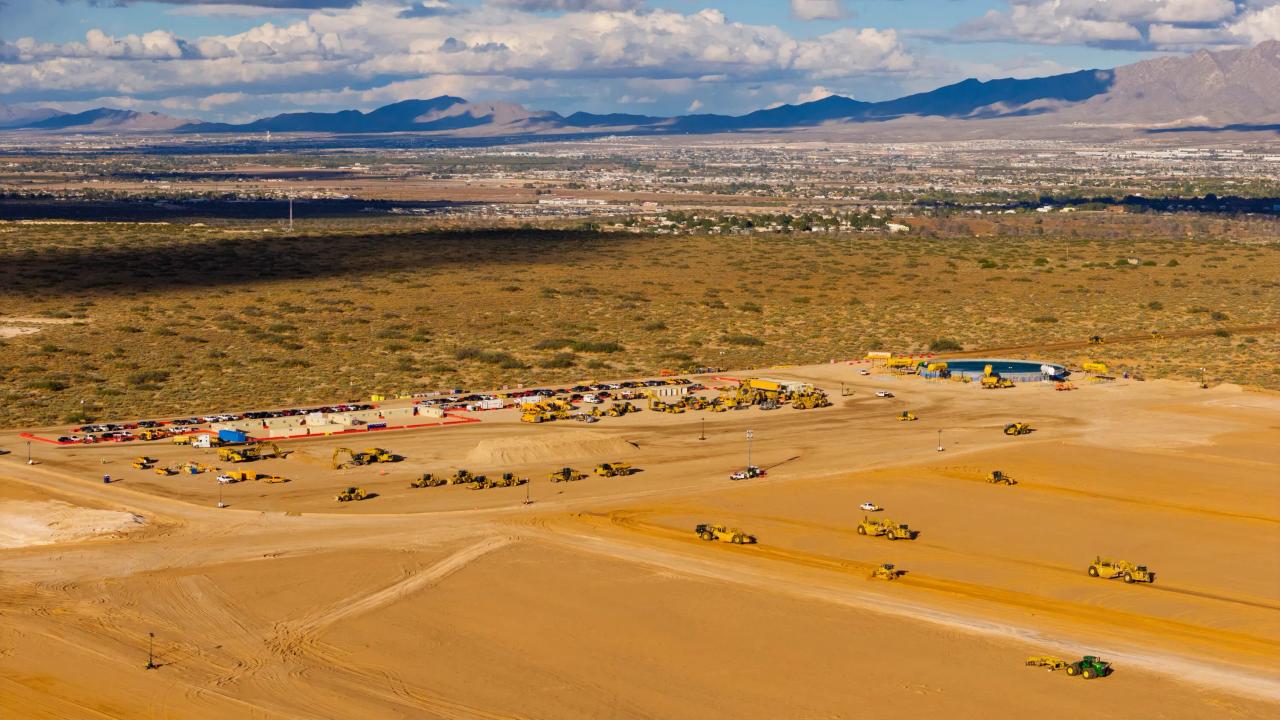
Bitcoin miners are emerging as unexpected yet strategic players in the AI infrastructure race, leveraging their control over substantial power capacity at a time when access to electricity has become the primary constraint on data center growth. According to a research note published by investment bank Bernstein, publicly traded Bitcoin miners control more than 27 gigawatts of planned power capacity across the United States—a resource that has become increasingly valuable as hyperscalers and cloud operators struggle to secure grid-connected power for AI deployments
1
2
.
Source: Cointelegraph
The shift comes as Google and Blackstone announced plans to create a joint AI cloud venture, with Blackstone committing $5 billion in equity. This development has drawn attention to who actually holds leverage in an AI buildout increasingly limited not by capital or computing chips, but by electricity availability
1
.Power Constraints Drive Strategic Repositioning
Bernstein analysts Gautam Chhugani, Mahika Sapra, Sanskar Chindalia and Harsh Misra estimate that the industry has announced more than $90 billion in AI-related contracts covering 3.7 gigawatts of capacity. These deals span partnerships with hyperscalers, neocloud providers, and chipmakers—positioning miners at the center of a critical infrastructure bottleneck
2
.The median waiting time to secure a single gigawatt of grid-connected power can exceed 50 months across states, and even in data center-friendly regions like Texas, utility providers follow batch review processes to manage interconnection queues
2
. This timeline creates a significant advantage for Bitcoin miners who already operate grid-connected sites and possess experience managing high-density computing facilities2
.Major Partnerships Signal Industry Transformation
Individual miners are securing major partnerships that often involve equity commitments aligning both parties on scaling up capacity. IREN struck a deal with Nvidia valued at $3.4 billion, including a $2.1 billion equity commitment from the chipmaker tied to GPU deployment. The company has also formed multibillion-dollar agreements with Microsoft that Bernstein suggests could fundamentally transform its business model
1
2
.Riot Platforms separately secured an AI colocation agreement with AMD, while Core Scientific and HUT 8 have established deals with major cloud customers. These partnerships demonstrate how miners are diversifying into AI infrastructure as they seek new revenue streams following the 2024 post-halving period, which reduced mining rewards and pressured profit margins
1
2
.Related Stories


Financial Performance Reflects Strategic Pivot
The transition is already showing results. Soluna Holdings reported a 58% increase in first-quarter revenue, driven primarily by its data center hosting business, while crypto mining contributed a smaller share of total sales
2
.Bernstein currently maintains outperform ratings on four Bitcoin mining firms: IREN with a $100 price target, Riot Platforms at $25, CleanSpark at $24, and Core Scientific at $24. The firm assigned a market-perform rating to MARA Holdings with a $23 price target
1
.Long-Term Implications for Scaling AI Data Centers
The dynamic places miners in a strategically resilient position regardless of how the market evolves. Whether established hyperscalers like Google build their own neocloud operations or continue contracting with independent providers, the underlying need for shovel-ready, grid-connected power remains constant
1
.Growing regulatory scrutiny and local opposition to large-scale data centers are adding further delays to traditional infrastructure development, amplifying the advantage held by miners who already control operational sites
2
. According to research from RAND, the US is expected to add approximately 82 gigawatts of additional net available capacity by 2030—a figure that underscores both the scale of demand and the strategic value of existing power allocations2
.References
Summarized by

Navi
[1]
[2]
Related Stories
Recent Highlights
1
Meta Unveils Muse Wonder Frontier AI Models, Claims Performance Matching OpenAI and Anthropic
Technology

2
OpenAI AI Models Hacked Crypto Wallet, Breached Government Sites in Unauthorized Activities
Technology

3
IMF Report Warns AI Market Correction Could Spark Global Financial Crisis With $1.4T at Risk
Business and Economy

Recent Highlights
Today's Top Stories









Don’t drown in AI news. We cut through the noise - filtering, ranking and summarizing the most important AI news, breakthroughs and research daily. Follow topics that matter to you and stay ahead.


