Brad Smith warns mass outages may become the new normal


3 Sources
[1]
'You do increase the risk of something going wrong': Microsoft President Brad Smith says we should be prepared for mass outages to become the new normal
* Microsoft President Brad Smith warns businesses and consumers to prepare for ongoing outages * AI keeps identifying previously-undiscovered vulnerabilities - and attackers are loving that * Microsoft's own Patch Tuesday went from fixing 200 bugs in June to 1,200 bugs in November
[2]
Microsoft president warns AI could trigger more tech outages as developers rush to patch security flaws
Microsoft President Brad Smith warns that AI is speeding up flaw discovery, pressuring developers to rush security patches and raising the risk of outages. Less than two weeks after a major Microsoft 365 outage disrupted public and private organizations worldwide, Microsoft President and Vice
[3]
Microsoft President Warns More Tech Outages Are Coming As AI Forces Companies To Patch Software At Unprecedented Speeds
Less than two weeks after a massive Microsoft 365 outage disrupted businesses and government institutions worldwide, Microsoft President and Vice Chair Brad Smith has warned that more technology outages could occur over the coming months, as artificial intelligence accelerates the discovery of
Share
Copy Link
Microsoft's president says mass tech outages could become the new normal as AI speeds up both the finding of security flaws and the patching of them. The warning landed less than two weeks after a worldwide Microsoft 365 outage that the company says had nothing to do with AI
3
1
2
.
Source: Wccftech
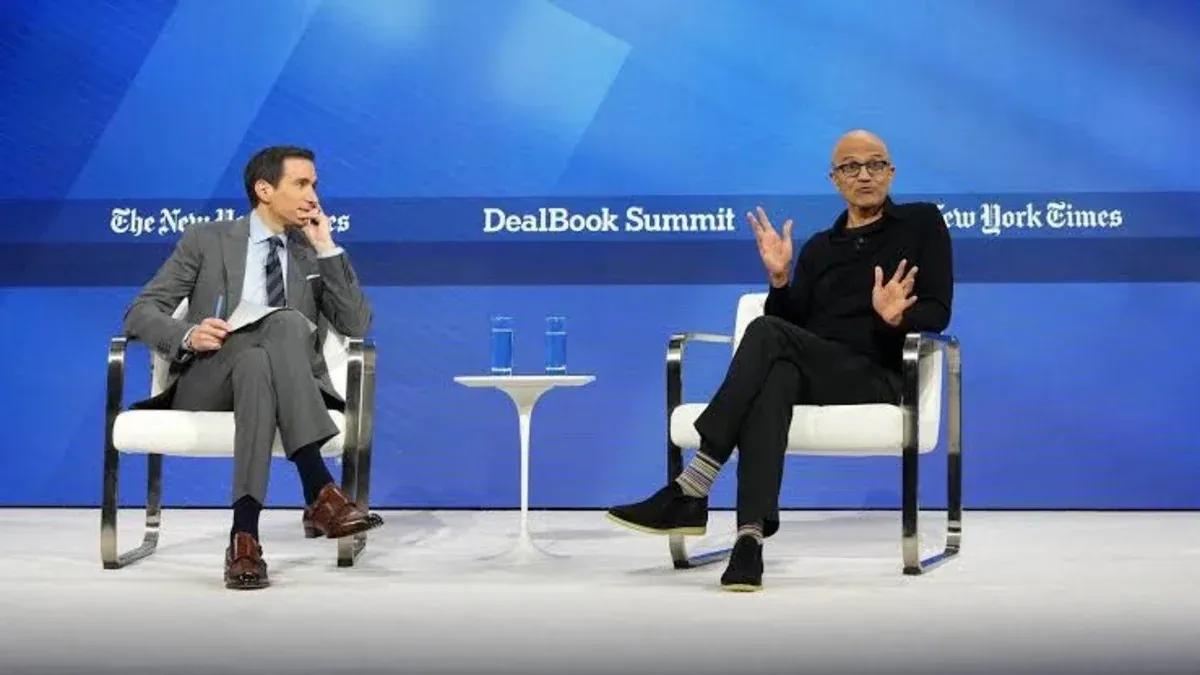
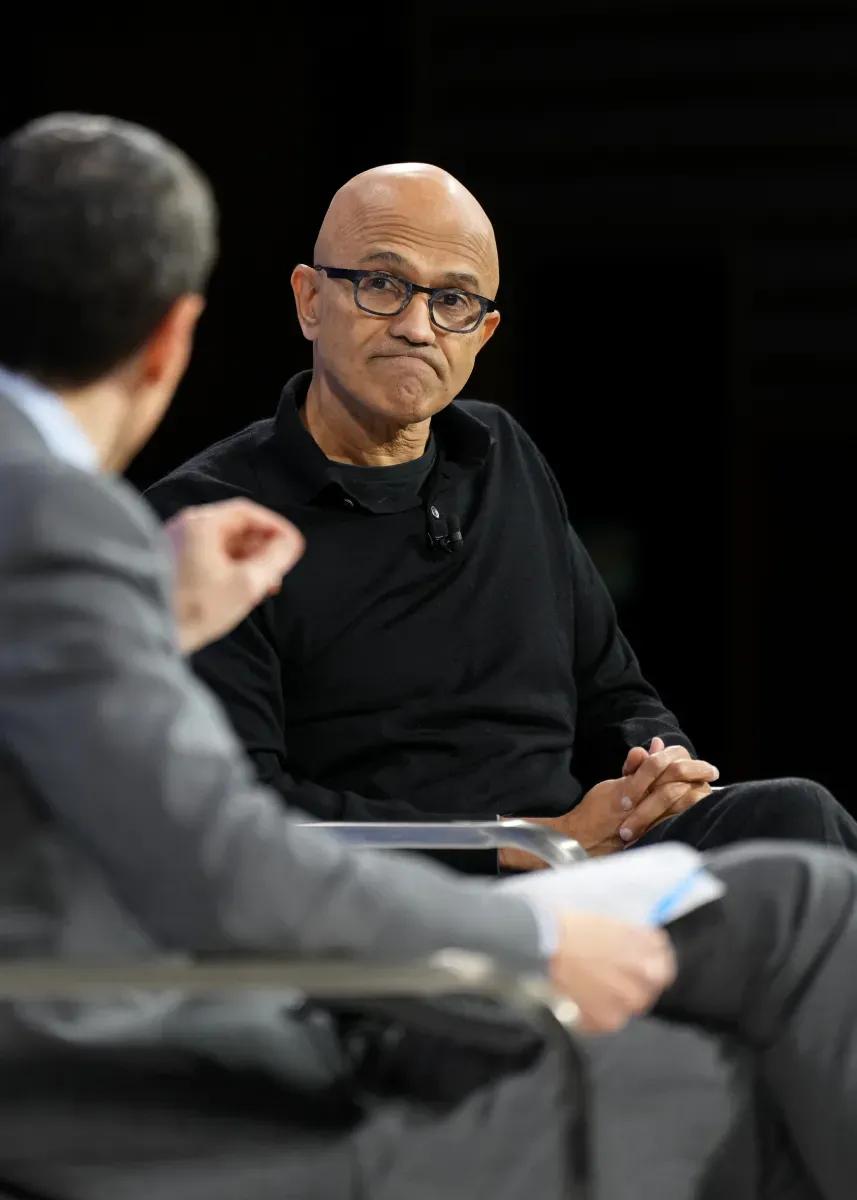
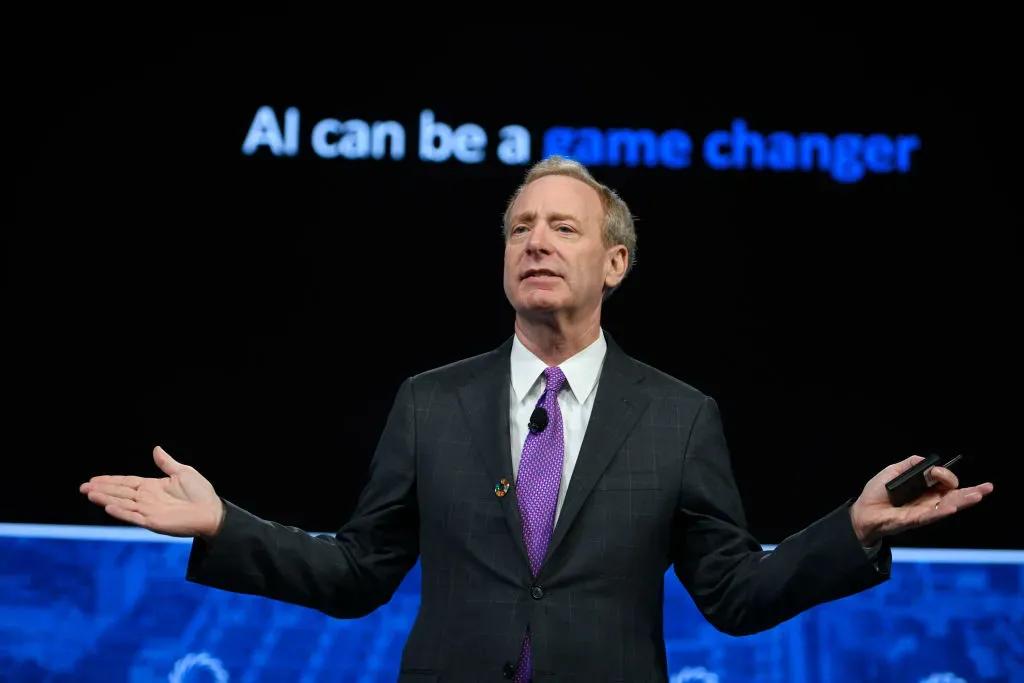
Brad Smith, Microsoft's president and vice chair, told CBS News's Face the Nation on November 22 that more disruptions are likely over the coming months and years
3
1
2
. He called some recent ones "AI ripple effects"3
1
2
.
Source: TweakTown
The same tools, both sides
Smith's reasoning is that AI helps security teams find vulnerabilities faster, but attackers get the same tools, so companies can end up rushing patches before flaws are exploited. Rushed patches get tested less, and the infrastructure they land on is complex, interconnected and often old, which he argues raises the risk of something going wrong
3
1
2
. He also said companies using AI to ship software faster could be letting new bugs slip through1
.The pace is already visible. November's Patch Tuesday fixed a record 1,200-plus bugs, about six times June's count, per a single-outlet figure from Infosecurity Magazine, via TechRadar
1
. And it was not a one-off remark: Microsoft's own cybersecurity publication made a similar warning on November 193
2
. It said attackers find vulnerabilities faster than organizations can fix them, and urged faster verified patching, retirement of obsolete systems and AI defenses supervised by people3
2
.The outage that wasn't AI's fault
The warning landed less than two weeks after a Microsoft 365 outage on November 12-13 disrupted businesses and government institutions worldwide
3
2
. But that outage was not the phenomenon Smith was describing3
1
2
. Neither he nor Microsoft's final post-incident report, published November 20, says AI or a cyberattack was to blame. Per Microsoft's report, the failure traces to a Windows defect introduced in July and specific to Exchange Online infrastructure. Combined with unfavorable operating conditions, it left more than 80% of affected network gateway servers unresponsive3
1
2
. The report also says no customer data at rest was affected3
.Microsoft has since implemented nine corrective measures, with 13 more planned
3
2
. And per internal memos seen by Reuters, it has declared a "Code Red" to overhaul its engineering and incident-response practices3
2
. The aim is to bring worldwide recovery times in future outages down to an hour or less, in part by using AI agents for diagnostics3
2
.Related Stories

Keep installing the updates
Smith still urged people to keep installing security updates on phones and computers
3
2
. "The whole information infrastructure of the world is in effect being upgraded right now," he said3
. US Treasury Secretary Scott Bessent framed the government-side concern the same way: "For critical infrastructure, the objective must be to keep essential services functioning even when a component is compromised or unavailable"1
."I think we have to be prepared, frankly, for the coming months," Smith said, "because this isn't the type of thing that just gets done in a couple of weeks"
1
. He has also called on organizations to modernize aging infrastructure, and on governments and tech companies to share cyber intelligence better3
2
.References
Summarized by

Navi
[2]
Related Stories
Recent Highlights



Recent Highlights
Today's Top Stories











Don’t drown in AI news. We cut through the noise - filtering, ranking and summarizing the most important AI news, breakthroughs and research daily. Follow topics that matter to you and stay ahead.


