The FCC just approved a million-satellite constellation to run AI in space


11 Sources
[1]
FCC signs off on SpaceX's plan to put up to 1 million data center satellites into space
In an announcement on Wednesday, the FCC says it authorized SpaceX to deploy up to 1 million AI chip-equipped satellites as part of the Elon Musk-owned company's "Starmind" initiative. With several others also pursuing the idea of putting AI data centers in space, including Google and Blue Origin,
[2]
Green light for Starmind: SpaceX gets approval to deploy 1 million AI satellites
Earth orbit could get a lot more crowded in the coming years. The U.S. Federal Communications Commission (FCC) just granted SpaceX approval to deploy one million of its Starmind AI data-center satellites in orbit. "This action opens a bold new frontier for the computing infrastructure needed to
[3]
SpaceX wins FCC approval to deploy 1 million orbital data center satellites
* The FCC approved SpaceX's proposal to put 1 million satellites into orbit for use as space-based data centers, Chairman Brendan Carr announced on Wednesday. * SpaceX's proposal was opposed by Amazon, Viasat, and the American Astronomical Society. * Carr said in a post on X that the SpaceX
[4]
Trump administration approves Elon Musk's plan for datacenters in space
The FCC approved 1m Starmind satellites, with the deployment of 100,000 no later than November 2035 US federal regulators approved a constellation of datacenters to process data in space on Wednesday, saying that they would "support America's booming super intelligence economy". The Federal
[5]

FCC clears SpaceX to build up to 1 million AI data center satellites
The FCC approved the first U.S. constellation of orbital data centers and said it is reviewing other proposals The Federal Communications Commission authorized SpaceX to deploy as many as 1 million orbital data center satellites on Wednesday. The agency said it is the first U.S. authorization for
[6]

Elon Musk's SpaceX Gets FCC Approval to Launch AI Data Centers in Space
The FCC authorized SpaceX's solar-powered Starmind constellation, backing Elon Musk's plans to move AI computing into orbit and reduce the industry's dependence on increasingly strained power grids here on Earth. In brief * The FCC granted SpaceX the first U.S. authorization for a constellation
[7]

SpaceX Wins FCC Approval for Orbital AI Computing Network
The planned Starmind constellation will process data in orbit for use on Earth, as demand for artificial intelligence computing power continues to grow. The US Federal Communications Commission (FCC) has authorized Elon Musk's SpaceX to deploy up to 1 million satellites as part of a planned
[8]

Musk's SpaceX gets FCC nod for 1 million satellites to power orbital data centres
The Federal Communications Commission has authorized SpaceX to deploy a constellation of 1 million satellites. This decision is aimed at facilitating data processing for Earth-based applications. The satellites will be used to meet the increasing demand for artificial intelligence computing
[9]

SpaceX gets green light to deploy 1 million satellites for data centers in space
The FCC authorized Elon Musk's company to deploy the satellite constellation to process massive amounts of data, saying it could help meet growing demand for AI computing. The Federal Communications Commission is authorizing Elon Musk's SpaceX to deploy a constellation of 1 million satellites for
[10]

FCC approves SpaceX plan for 1 million data center satellites in space
The Federal Communications Commission has authorized Elon Musk's SpaceX to deploy up to 1 million satellites designed to operate as data centers in space, marking a first for the United States as the company advances its ambitious artificial intelligence plans. The agency announced the decision
[11]

SpaceX wins landmark FCC backing for 1 million-satellite data center constellation By Investing.com
Investing.com -- The Federal Communications Commission has granted SpaceX (NASDAQ:SPCX) regulatory approval to deploy up to 1 million satellites for an orbital data center network, marking the first authorization of its kind in U.S. history. The decision positions Elon Musk's aerospace company to
Share
Copy Link
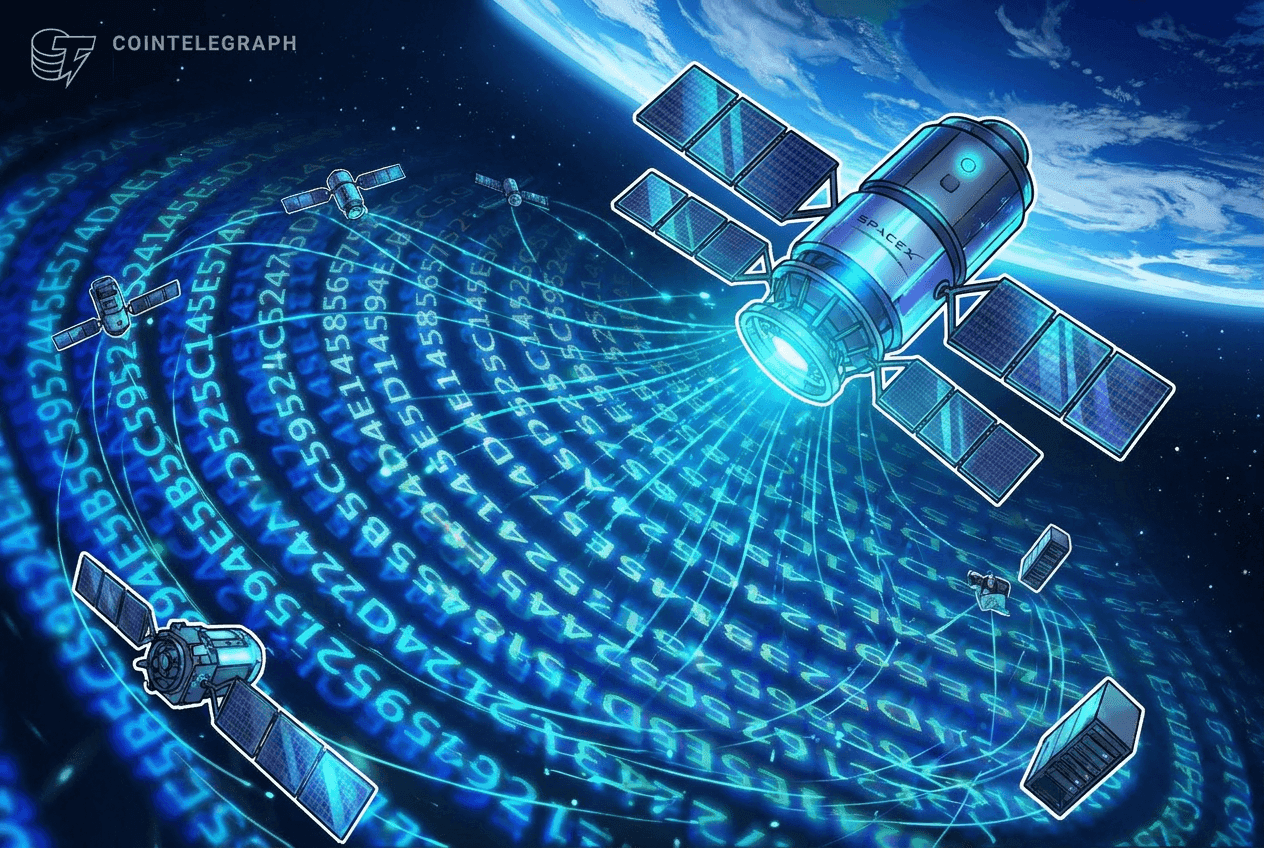
The Federal Communications Commission has given SpaceX approval to deploy up to 1 million satellites for a constellation designed to run AI computing in orbit and send the results back to Earth
8
,3
. It is the first US authorization for a constellation built as orbital data centers7
,1
,6
,4
.
Source: Cointelegraph
Why put data centers in space
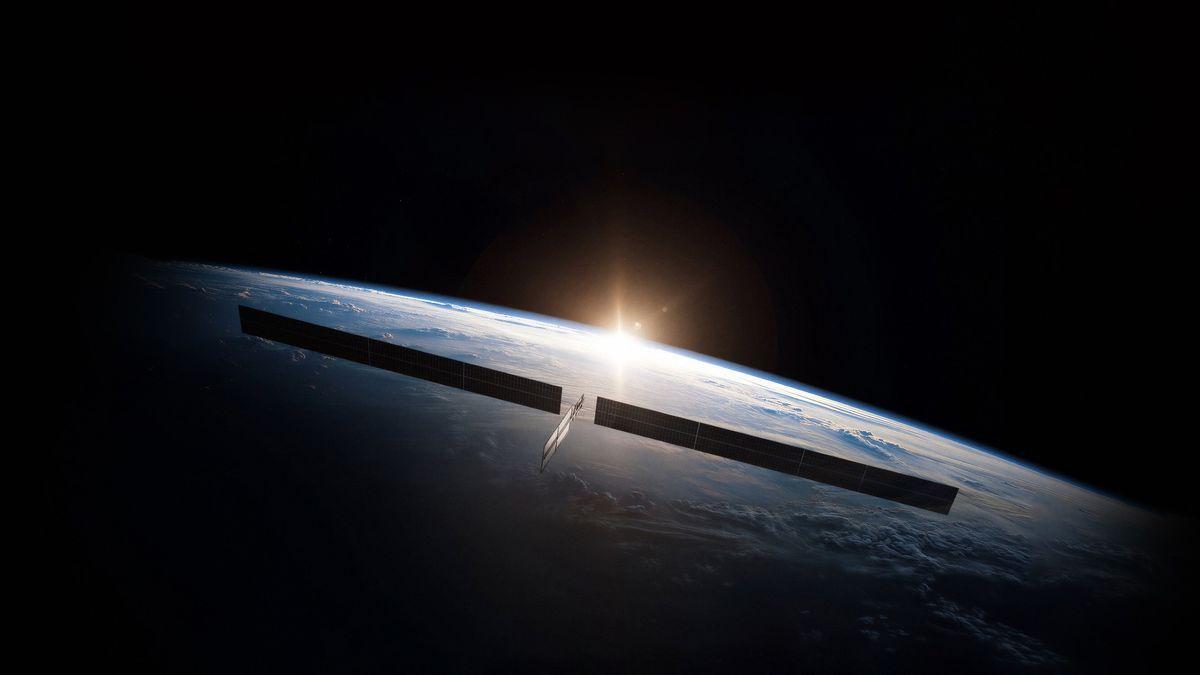
Electricity has become a bottleneck for AI on the ground, with grids struggling to supply the power data centers need
6
,4
. SpaceX has argued to the FCC that satellites harvesting near-constant solar power would run far cheaper, with less environmental impact, than data centers on the ground4
. Google's own research, cited in the coverage, says solar panels in some orbits can be up to eight times as productive as panels on Earth6
.
Source: Space
The license sets hard deadlines. Per the FCC license, the first satellite must fly no later than November 2033. After that, 100,000 must be up by November 2035, half the constellation by November 2038 and the full million by 2040
1
,5
,4
. Musk told an investment conference earlier this month that a first launch of Starmind computers could come in the third quarter of 2027, aboard SpaceX's Starship rocket6
,2
.SpaceX says the satellites are designed to compute in orbit and exchange data over high-speed laser links tied to Starlink, its internet network
1
,6
. Their chips would come from Terafab, a Texas factory SpaceX confirmed in August with an initial $16.8 billion investment1
,5
.A contested approval
The number dwarfs anything flown to date. Starlink, the largest constellation ever, counts about 11,000 satellites
4
,2
. It is also unclear whether SpaceX will actually deploy anything like a million. Operators sometimes request more satellites than they intend to launch, and Amazon argued in its petition that it was unlikely to4
,3
.That petition, filed in March by Amazon's satellite unit, called Starmind "lofty ambition rather than a real plan", with deployment that could take centuries
3
. Viasat and the American Astronomical Society asked the FCC to deny it too3
. Carr rebuked Amazon at the time, saying it should focus on missing its own deployment milestone4
,3
.The FCC dismissed the environmental and astronomy objections as outside its authority. It found the constellation compliant with its orbital debris rules
5
,6
,3
. It put off a separate decision on letting SpaceX park retired satellites in graveyard orbits above 600 km, saying the disposal plans lacked sufficient information1
,5
.Critics say the risks are real regardless. Astrophysicist Adam Becker put it bluntly: "Any serious attempt at this is going to further pollute the night sky and runs a serious risk of a cascading chain reaction of space junk collisions, which would be a disaster for all of humanity"
3
. Keeping computers cool in space is an unsolved problem. Vacuum prevents heat dissipating, so satellites need radiators, and the chips must survive cosmic radiation6
,4
.Carr framed the decision in terms no license usually gets. "The Starmind & competitor constellations will use solar power to extend America's lead in Super Intelligence," he wrote on X
6
,4
. Musk replied: "Much appreciated. This will be a great asset to America and the world."6
,3
Source: ET
Related Stories
The rest of the queue
SpaceX is first through the regulatory door, and rivals are already moving. Google launched its first prototype hardware for Project Suncatcher, its own orbital AI effort, in October 2026, with a Blue Origin mission scheduled for 2029
1
,6
,3
. Blue Origin has petitioned the FCC for up to 51,600 satellites of its own, tied to its planned TeraWave internet service3
. Starcloud has already launched a small AI pathfinder satellite1
,2
.The bet is large, and unproven by SpaceX's own account. The plan depends on Starship, a rocket still in development, flying thousands of times at costs it has not yet achieved
4
,2
. SpaceX has cited a long-term AI market of $28.5 trillion, nearly $23 trillion of it in enterprise applications, as the company's own projection2
. Its securities disclosures from the June 2026 IPO warn the orbital computing business has not demonstrated commercial viability and could prove unsuccessful5
,6
.The FCC, for its part, said it is continuing to review other orbital data center proposals and will rule on each under its regular procedures
7
,5
.References
Summarized by

Navi
[1]
Related Stories
SpaceX files to launch 1 million satellites as orbital data centers for AI computing power
29 Jan 2026•Technology

SpaceX raises $75 billion in record IPO to launch 1 million AI satellites into orbit
11 Jun 2026•Business and Economy
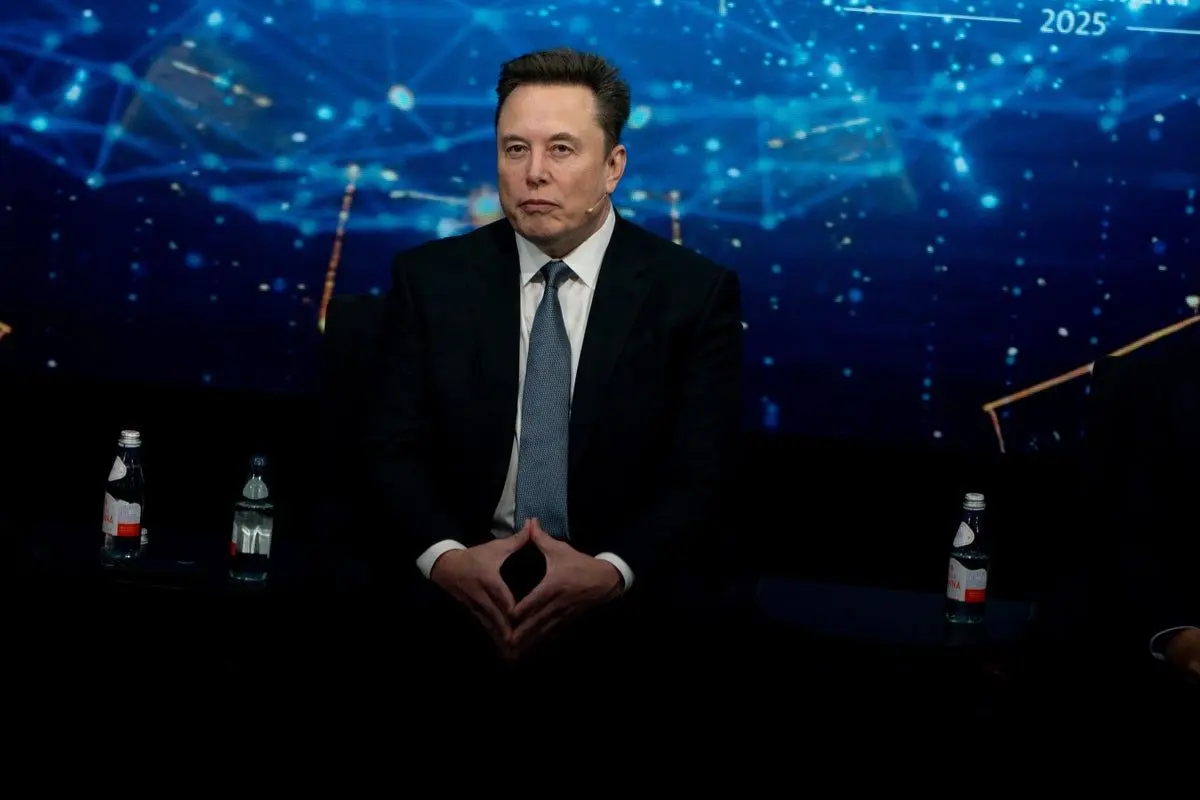
Startups race to deploy orbital data centers for AI computing despite massive technical hurdles
01 Jul 2026•Technology

Recent Highlights



Recent Highlights
Today's Top Stories










Don’t drown in AI news. We cut through the noise - filtering, ranking and summarizing the most important AI news, breakthroughs and research daily. Follow topics that matter to you and stay ahead.


