Data Centers Trade Water Usage for Forever Chemicals to Cool AI Infrastructure


2 Sources
[1]
Data centers are swapping water for forever chemicals to keep AI cool | Fortune
A new report from chemical watchdog ChemSec found that most of the world's biggest PFAS producers are expanding their capacity thanks to AI infrastructure. PFAS, also known as "forever chemicals," are being used to handle the enormous amounts of heat generated from data center equipment. The report
[2]
Data centers, drawing concerns over water and power, may have another surprise impact: forever chemicals
As AI data centers face intense public pushback over issues including their electricity and water use, another potential environmental impact is percolating: the proliferation of forever chemicals. Data centers can use these chemicals in at least two ways: in their cooling processes and through
Share
Copy Link
As AI data centers face mounting criticism over water consumption, facilities are increasingly turning to PFAS-based cooling systems. Chemical giants like Chemours, Daikin and Arkema are ramping up forever chemicals production to meet surging demand from the semiconductor and data center industries, raising fresh environmental and health concerns.
Forever Chemicals Replace Water in Data Center Cooling
AI infrastructure expansion is driving unprecedented demand for PFAS-based refrigerants as data centers seek alternative cooling solutions to address water usage concerns. A ChemSec report reveals that major forever chemicals producers are significantly expanding production capacity, with the AI boom creating a controversial trade-off between two environmental challenges
1
.Data center cooling systems are increasingly adopting fluorinated chemicals containing PFAS instead of traditional water-based methods. The world's largest PFAS manufacturers generated roughly $4 billion in profit in 2022, while societal costs—including healthcare, cleanup and contaminated water—reached an estimated $17.5 trillion annually according to ChemSec's 2023 analysis
1
. This stark disparity highlights the long-term environmental and health risks of PFAS versus short-term industry gains.AI Data Centers Drive Explosive Growth in Construction
Source: Fortune
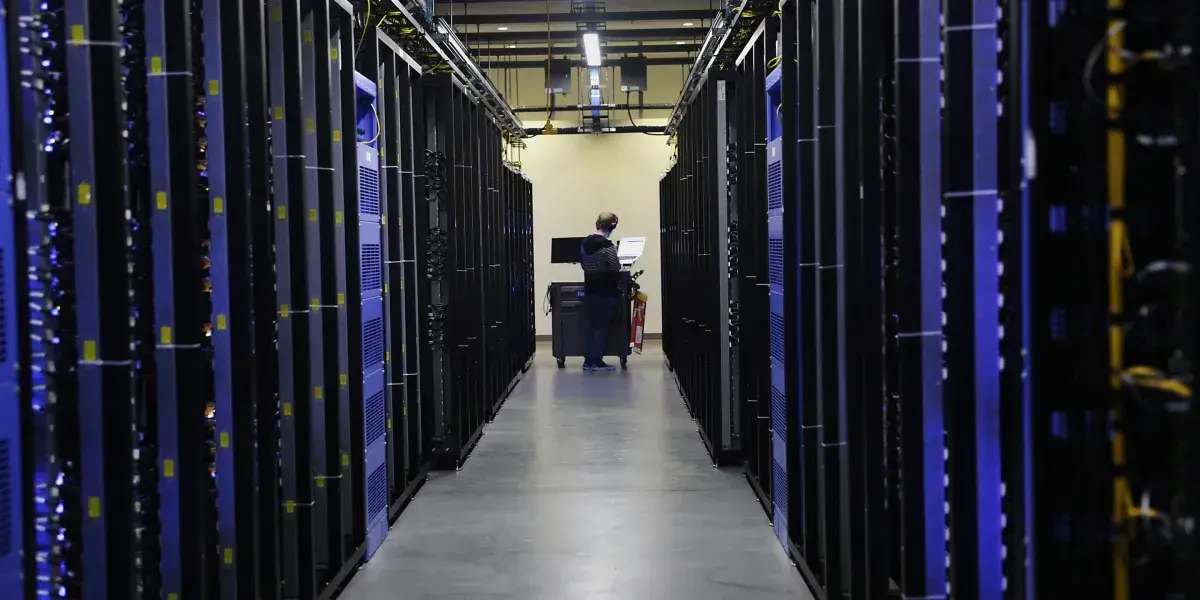
The data center construction boom reflects the scale of AI infrastructure investment. A 2026 BOMA study found data center facilities accounted for nearly 46% of private construction last year, compared to less than 5% a decade ago. Construction spending exploded from $1.8 billion in 2014 to $41.1 billion last year, per Statista
1
. This rapid expansion intensifies demand for effective cooling technologies as AI workloads generate enormous heat from servers and semiconductors2
.Chemours produces or uses more PFAS substances than any other company on ChemSec's SIN Producers database. The chemical corporation is developing products specifically for data center cooling while expanding PFAS-based refrigerants production. ChemSec estimates between half and two-thirds of Chemours' $5.8 billion revenue comes from PFAS production
1
. Daikin plans to triple its PFAS capacity responding to semiconductor manufacturing demand, while Arkema expands production in North America and Asia1
.Environmental and Health Risks of PFAS Intensify Regulatory Scrutiny
Source: The Hill
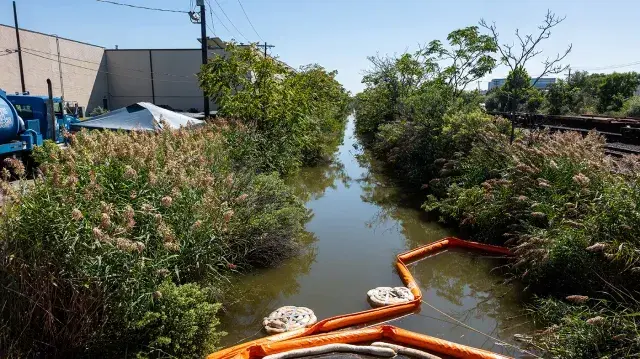
Forever chemicals earn their nickname from extraordinarily strong carbon-fluorine bonds that resist degradation for hundreds or thousands of years. This durability makes PFAS valuable in semiconductor manufacturing, industrial equipment and closed-loop cooling systems, but creates severe environmental concerns. National Health and Nutrition Examination Survey data found PFAS in the blood of 97% of Americans
1
. Exposure to certain PFAS has been linked to cancer, fertility issues, kidney and liver problems, and immune system complications2
.In July, 17 environmental organizations submitted a letter to the EPA rejecting Chemours' application to fast-track Opteon 2P50, a new PFAS chemical for data center cooling. The groups argued Chemours underestimated the compound's health and climate risks, noting insufficient toxicological evidence. "A hyperscale data center can contain hundreds of tanks, totaling tens of thousands of liters of dielectric fluid," the letter stated. "If even a small fraction of the Opteon 2P50 used in a large data center leaks, it would result in a significant release of PFAS gases"
1
.Related Stories

Industry Response and Alternative Cooling Solutions
Chemours denied these environmental concerns, stating the system operates as a "closed loop" with low gas escape during operation. The company launched new refrigerants in August despite ongoing criticism. "AI is reshaping the demands placed on cooling infrastructure, and customers need solutions that can keep pace without compromising efficiency, reliability, or long-term regulatory readiness," said Joseph Martinko, President of Thermal & Specialized Solutions at Chemours
1
.The American Chemistry Council stated that "as AI workloads increase the heat generated by servers and semiconductors, some data centers are exploring liquid-based cooling systems" including those using PFAS. "These technologies can help improve cooling efficiency and, in some cases, significantly reduce water usage in data centers associated with traditional cooling approaches," the trade group noted
2
.However, Kyle Doudrick, an environmental engineering professor at the University of Notre Dame, expressed skepticism about closed-loop systems: "The worry is that no closed system is perfect and that these chemicals leak out over time, which is probably true... nothing is 100 percent sealed"
2
. Lenny Siegel, executive director of the Center for Public Environmental Oversight, questioned long-term disposal: "'Closed loop' is a great concept, but it doesn't deal with leaks or long-term disposal of the chemicals"2
.Tech Giants Navigate PFAS Controversy
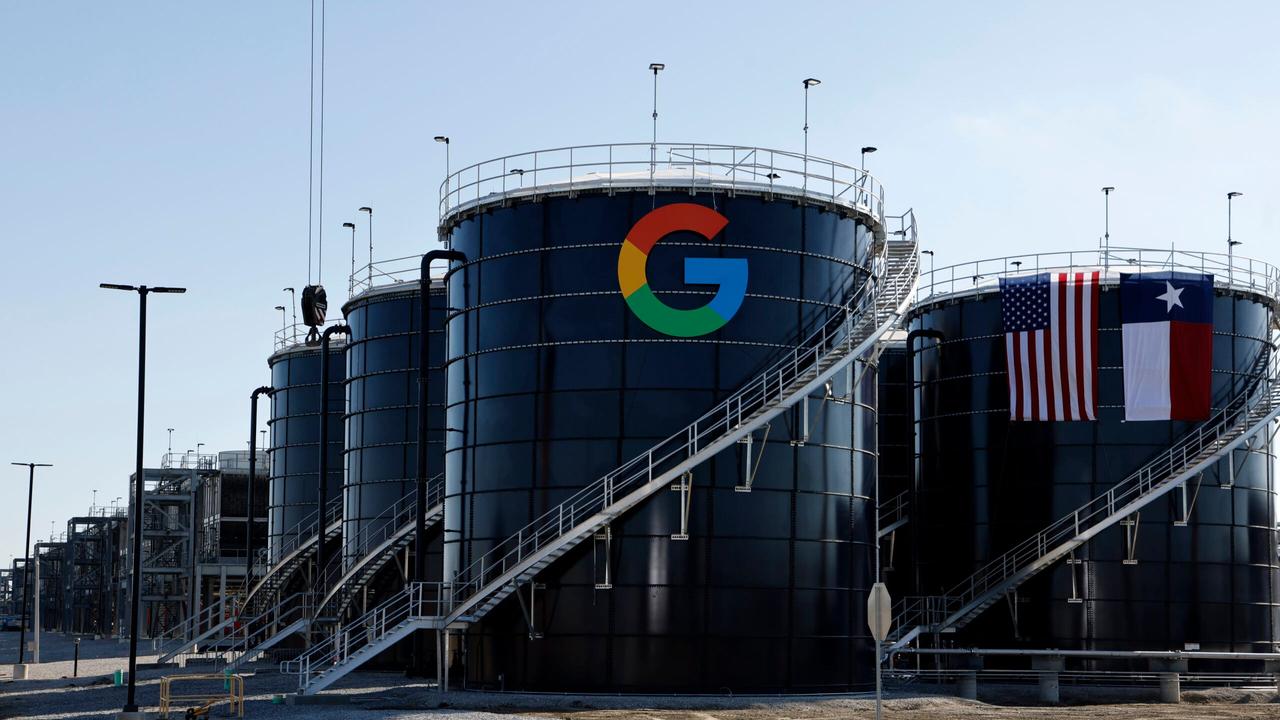
Major technology companies provided varying responses regarding PFAS use. Google and Apple stated they do not use PFAS in data center cooling systems. Amazon said it doesn't currently use liquid immersion cooling, the main technology driving PFAS concerns, though didn't clarify other cooling technologies. Oracle, Meta and Microsoft did not respond to inquiries
2
.Kate Manz, assistant professor of environmental health science at the University of Michigan, raised concerns about chemical transformation: "There's a lot of concern about what happens to the chemicals being used during the cooling process in the data centers, because they can potentially transform into a short-chain chemical called trifluoroacetic acid." The European Food Safety Authority has expressed concerns about this chemical's thyroid impacts
2
.The Trump administration's supportive stance toward AI and data centers includes efforts to cut regulatory barriers, with the EPA fast-tracking approval processes for data center chemicals
2
. This regulatory approach may accelerate PFAS adoption despite mounting sustainability concerns. French citizens filed a lawsuit against Arkema and Daikin on PFAS pollution allegations in January1
, signaling growing international pushback against forever chemicals expansion driven by the AI boom.References
Summarized by

Navi
Related Stories
AI Data Centers: The Hidden Environmental Cost and Innovative Cooling Solutions
26 Sept 2025•Technology

Google pledges water replenishment as AI data centers face drought zone scrutiny
03 Jun 2026•Business and Economy

Google and Amazon report record energy use as AI data centers challenge climate goals
01 Jul 2026•Business and Economy
Recent Highlights



Recent Highlights
Today's Top Stories






Don’t drown in AI news. We cut through the noise - filtering, ranking and summarizing the most important AI news, breakthroughs and research daily. Follow topics that matter to you and stay ahead.


