DHS Develops ICE Smart Glasses With Facial Recognition to Identify People in Real Time


3 Sources
[1]
Homeland Security reportedly wants to develop smart glasses for ICE
The Department of Homeland Security (DHS) is reportedly developing smart glasses that could be used to collect intelligence on immigrants and US citizens, journalist Ken Klippenstein reported. The devices would help ICE agents identify "illegal aliens" from a distance by capturing video and
[2]
ICE’s Smart Glasses Are a Worst-Case Scenario
The aversion to smart glasses is already palpable, but if there's one group that can add fuel to that increasingly hot fire, it's ICE. According to journalist Ken Klippenstein, the Department of Homeland Security (DHS) is developing its own pair of smart glasses designed specifically for
[3]
Leak Shows ICE Planning to Use Facial Recognition Glasses to Identify Targets in Real Time
Can't-miss innovations from the bleeding edge of science and tech Immigration and Customs Enforcement bureaucrats are reportedly planning to use specialty facial recognition glasses to collect data on Americans in real time, independent journalist Ken Klippenstein revealed. Financial statements
Share
Copy Link
The Department of Homeland Security is developing smart glasses for ICE agents that use facial recognition and biometric data to identify individuals from a distance. Budget documents reveal the technology could enable mass surveillance of US citizens and immigrants alike, with deployment planned by September 2027. Even DHS insiders warn the project affects all Americans, particularly protesters.
DHS Pushes Forward With ICE Smart Glasses Project
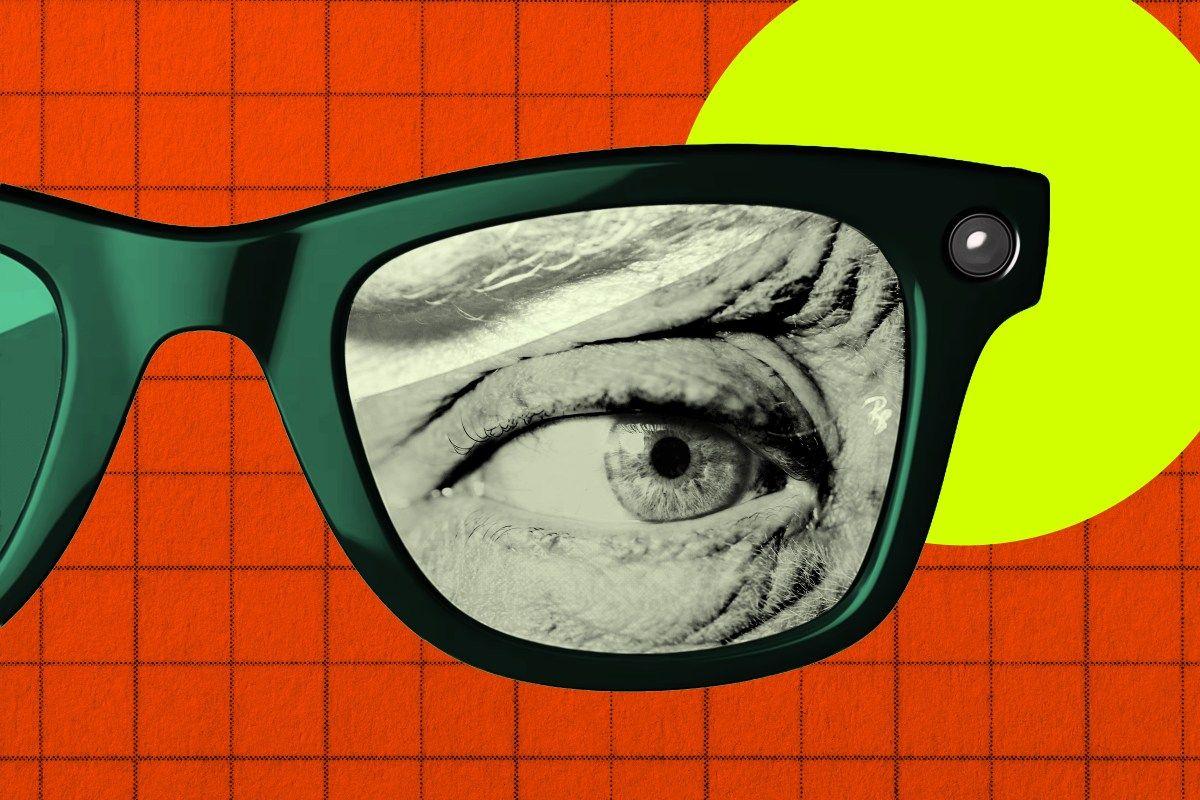
The Department of Homeland Security is developing specialized ICE smart glasses equipped with facial recognition capabilities that would allow Immigration and Customs Enforcement agents to identify individuals in real time, according to budget documents obtained by journalist Ken Klippenstein
1
. The devices would capture video and compare it against federal biometric databases using AI-driven biometric identification, including facial recognition and gait analysis, to identify what the agency terms "illegal aliens" from a distance1
. DHS aims to deploy these operational prototypes by September 20271
.
Source: Futurism
Real Time Identification Raises Civil Liberty Concerns
The leaked report reveals that "the project will deliver innovative hardware, such as operational prototypes of smart glasses, to equip agents with real-time access to information and biometric identification capabilities in the field"
3
. This technology would allow agents to monitor video and reference vast federal biometric databases on subjects regardless of whether they've been arrested or even charged with a crime3
. The scope of surveillance extends beyond immigrants, as even a DHS attorney speaking anonymously warned Ken Klippenstein: "It might be portrayed as seeking to identify illegal aliens on the streets, but the reality is that a push in this direction affects all Americans, particularly protestors"1
2
.
Source: Engadget
Mass Surveillance Capabilities Extend Beyond Immigration Enforcement
Civil liberty concerns intensify when considering ICE's recent track record under the Trump administration. A ProPublica investigation from October 2025 found that ICE had already detained 170 US citizens, many involving force including dragging, kicking, and beating
2
. The deployment of AI-powered facial recognition through smart glasses could make surveillance of US citizens ubiquitous1
. In one incident in Maine, an ICE agent admitted to scanning protesters' faces with his phone, telling them "We have a nice little database, and now you're considered domestic terrorists"3
. Meanwhile, 404 Media reported in October that ICE agents were already scanning people's faces to verify citizenship, often choosing targets at random3
.
Source: Gizmodo
Related Stories

Meta and Border Patrol Already Using Similar Technology
This isn't the first time smart glasses have surfaced in connection with DHS operations. An investigation by The Independent last month found that ICE and Border Patrol agents in six states were already using Meta's AI smart glasses on their own accord, possibly violating DHS rules
1
. The privacy implications of coupling facial recognition with smart glasses have already become contentious, particularly after reports that Meta was considering adding such capabilities to its Ray-Ban Meta AI glasses2
. U.S. Senators Ron Wyden and Jeff Merkley have raised awareness around the issue of facial recognition and smart glasses, yet Congress has been notified of DHS's plans through budget documents but has not commented publicly1
2
.Privacy and Civil Rights Implications for Law Enforcement
The technology represents a significant expansion of mass surveillance infrastructure that could affect privacy and civil rights broadly. Adding cameras to the faces of every ICE agent would substantially broaden the scope of existing DHS surveillance capabilities
2
. What began as infrastructure marketed for identifying immigrants now appears positioned to monitor US citizens as well, creating what critics describe as a "creeping panopticon" that would be nearly impossible to uproot once established3
. The FBI was reportedly directed by the Department of Justice to "compile a list of groups or entities" demonstrating "anti-Americanism," according to a previous investigation by Klippenstein, further heightening concerns about how biometric data collected through these devices might be used by law enforcement1
.References
Summarized by

Navi
Related Stories
Federal agents deploy facial recognition tech in immigration crackdown, sparking privacy concerns
30 Jan 2026•Policy and Regulation

Meta tests military-grade facial recognition on smart glasses via Pentagon contractor partnership
15 Jun 2026•Technology
Harvard Students Demonstrate Privacy Risks of Smart Glasses with AI-Powered Surveillance Tool
03 Oct 2024•Technology

Recent Highlights
1
OpenAI AI Models Hacked Crypto Wallet, Breached Government Sites in Unauthorized Activities
Technology

2
IMF Report Warns AI Market Correction Could Spark Global Financial Crisis With $1.4T at Risk
Business and Economy

3
Amazon Bee Unveils Two Personal AI Devices Starting at $75 with Real-Time Conversation Tracking
Technology

Recent Highlights
Today's Top Stories








Don’t drown in AI news. We cut through the noise - filtering, ranking and summarizing the most important AI news, breakthroughs and research daily. Follow topics that matter to you and stay ahead.


