2 Sources
[1]
Ex-Andreessen Horowitz partner slams his old firm, other VCs for 'political infiltration' around AI
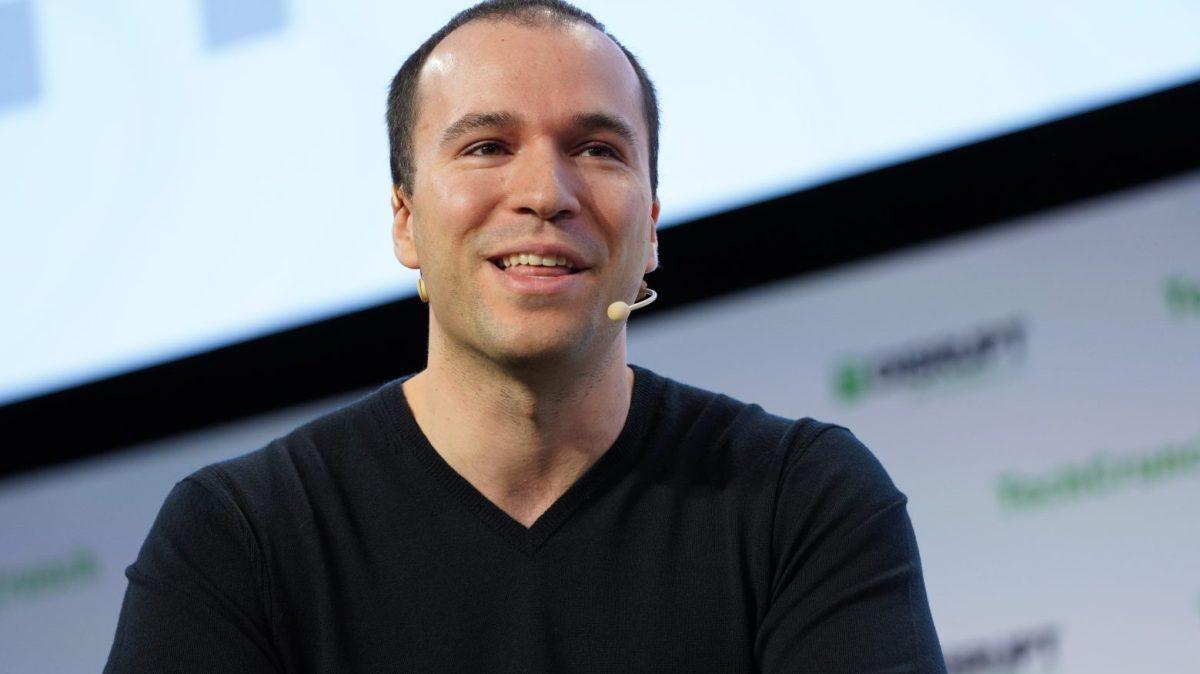
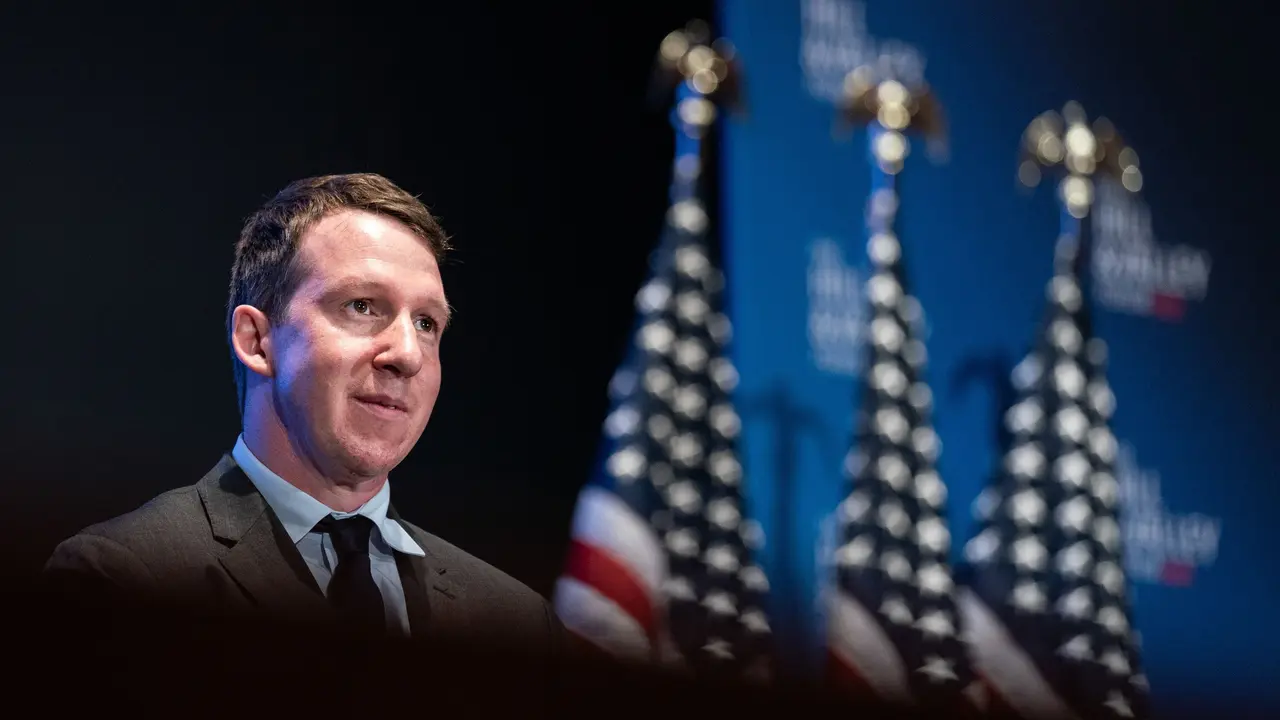
Venture capitalist John O'Farrell, who resigned from Andreessen Horowitz in 2025 after nearly 15 years at the firm, published an op-ed on Thursday with a stern message for his former peers and colleagues, describing their thwarting of artificial intelligence regulation is a "huge mistake." O'Farrell criticized the political action committee Leading the Future, which launched in August with the goal of elevating "candidates who support a bold, forward-looking approach to AI," according to a release. The PAC's backers include Andreessen Horowitz, OpenAI co-founder Greg Brockman, Palantir co-founder Joe Lonsdale, SV Angel founder Ron Conway and AI software company Perplexity. "The PAC has raised over $125 million -- not to make the case for their vision of AI policy, but, in my view, to intimidate politicians who appear to engage too aggressively with the question of how to govern AI," O'Farrell wrote in the op-ed, which was published in The New York Times. Andreessen Horowitz and Leading the Future did not immediately respond to CNBC's request for comment. Last week, President Donald Trump signed an AI executive order that was lauded by the tech industry and thin on specific details. The order asks companies, on a voluntary basis, to provide their AI models to the federal government to assess their capabilities ahead of a full release. O'Farrell wrote in the Times that AI is not "just another technology," and that tech industry leaders should be working extensively to encourage politicians to get up to speed on its potential benefits and risks.
[2]
Opinion | I was a V.C. Partner. We Can't Let Silicon Valley Buy Democracy.
Mr. O'Farrell is a former general partner at Andreessen Horowitz. I first came to America from Ireland in 1984, as a young engineer about to attend business school. I chose Stanford University -- partly for the weather and natural beauty, but more for the electrifying entrepreneurial spirit coursing through Silicon Valley. I was riveted by Apple's 1984 Super Bowl ad -- an athlete hurls a sledgehammer into Big Brother's screen, shattering IBM's grip on computing. More than an advertisement, it was a manifesto that technology could dismantle power. Over the past 40 years, I've been privileged to play a leading role in three start-ups and be the first general partner hired by the venture capital firm Andreessen Horowitz. I saw how the internet democratized information, how the iPhone put a computer in everyone's pocket, and how the cloud unleashed a tsunami of new software. Each wave showed that technology could be a powerful force for good, that the upstarts could win on the merits and that open competition and debate were values the tech industry welcomed and promoted. Just as artificial intelligence is on the rise, that ethos is now under threat -- and the threat is coming from inside Silicon Valley. Some of the most powerful players in A.I. -- led by some of my friends and former partners, to my great sadness -- have raised hundreds of millions of dollars to forestall a more serious and meaningful debate about how A.I. should be governed. They have helped create political action committees to help defeat candidates who want strict regulations on A.I. and to promote those who can be counted on to stay out of their way. I believe this is a huge mistake. A.I. is not just another technology. It could drive productivity to new heights while automating away work for millions. It could find a cure for cancer, while accelerating biological risks we're not prepared for. It could transform how our children learn, while leaving them unable to tell real from fake. It could concentrate economic power in ways that would make the Gilded Age look quaint. Sign up for the Opinion Today newsletter Get expert analysis of the news and a guide to the big ideas shaping the world every weekday morning. Get it sent to your inbox. The rise of the A.I. industry demands a national conversation about how to share its potential benefits widely while addressing people's legitimate fears. That conversation is beginning to happen, between unions, child safety advocates, civil rights organizations, economists and A.I. companies themselves. What's missing is political leadership -- legislators who are informed enough, and independent enough, to translate that debate into durable policy. Tech industry leaders should be doing everything they can to encourage more politicians to get up to speed and to engage. The playbook we're seeing comes from the crypto industry, which successfully neutered efforts to regulate it by spending tens of millions of dollars to help defeat pro-regulation candidates and elect industry-friendly politicians in 2024. Andreessen Horowitz, in fact, contributed heavily to a crypto PAC, Fairshake, which pioneered that model. Last year, the firm helped found an A.I. PAC, Leading the Future. Other Leading the Future contributors include the OpenAI co-founder and president Greg Brockman, the Palantir co-founder Joe Lonsdale and the A.I. company Perplexity. The PAC has raised over $125 million -- not to make the case for their vision of A.I. policy, but, in my view, to intimidate politicians who appear to engage too aggressively with the question of how to govern A.I. Leading the Future's first target was Alex Bores, a New York State assemblyman who co-sponsored state-level A.I. regulation and is now running for Congress. The $6 million of ads the PAC has run against Mr. Bores make little mention of A.I. An attack ad in January on Mr. Bores by an affiliate of Leading the Future focused on claims that he made his money developing technology for U.S. Immigration and Customs Enforcement, allegations that Mr. Bores has said are false. The message to every other legislator seems clear: Touch A.I. regulation, and we will come for you, too. Public First Action, a pro-regulation PAC backed by executives from Anthropic and others, which was formed with the explicit aim of countering Leading the Future, has waded in with more than $3 million to support Mr. Bores, part of $6 million from four PACs. I understand that impulse, but I don't support this move either. Huge political spending is toxic to our democracy. It distorts the electoral process, and it won't give the American people the thoughtful A.I. policy we deserve. I believe this attempted political infiltration by the A.I. industry will fail. It misreads the public mood entirely. Americans believe the system is rigged by the wealthy and powerful. They're also deeply concerned about A.I. -- a backlash is building, and it will become fiercer when voters learn that a handful of billionaires are altogether spending nine figures, apparently in an effort to try to stop debates about regulation from further developing. As the A.I. industry's political spending is exposed, candidates who accept it run the risk of being seen by voters as being in the industry's pocket. (I should disclose that I've been approached by people interested in more aggressively exposing the A.I. lobby's attempts to buy political influence, and I may contribute my own money to these public awareness efforts.) I understand the fear driving this spending. Bad regulation could hobble a transformative technology. Our politicians have not always distinguished themselves, with some unsophisticated, ill-informed attempts at technology regulation. But you don't achieve balanced, intelligent regulation by silencing debate -- you get it by engaging seriously and earning trust. There is a far better use of those hundreds of millions spent on campaign consultants and negative ads. The A.I. industry could sponsor nationwide university boot camps to educate politicians, civil society organizations, regulators and the general public on A.I. -- not promotional roadshows, but genuine, rigorous learning. It could fund experiments in using A.I. to radically improve public services, such as better health care access in underserved communities, more responsive local government and better schools. That money could fund a moonshot to try to prove A.I. can, in fact, discover a cure for cancer. It could endow policy institutes focused on solutions for the hardest questions: how to share the economic gains broadly, how to address job displacement, how to preserve the dignity of work and how to build safety frameworks that keep pace with the technology itself. It could champion international cooperation on A.I. risk. I'm still convinced that technology can be a powerful force for good. A.I. epitomizes that power. While I disagree with my former partners, none of my criticism is personal. This is a question of what's best for America and the world. We have an extraordinary opportunity to model good citizenship and principled leadership by actively promoting A.I. policies that work for everyone. Let's not waste it. John O'Farrell was hired as the first outside general partner at Andreessen Horowitz in 2010. He resigned in May 2025. He retains investments in Andreessen Horowitz funds, with significant positions in A.I., crypto and other technologies. The Times is committed to publishing a diversity of letters to the editor. We'd like to hear what you think about this or any of our articles. Here are some tips. And here's our email: [email protected]. Follow the New York Times Opinion section on Facebook, Instagram, TikTok, Bluesky, WhatsApp and Threads.
Share
Copy Link
John O'Farrell, who spent nearly 15 years at Andreessen Horowitz, published a scathing op-ed accusing his former firm and other Silicon Valley venture capitalists of undermining AI regulation through massive political spending. The Leading the Future PAC has raised over $125 million to influence politicians on AI policy, which O'Farrell calls a "huge mistake" that threatens democratic debate.
John O'Farrell, who resigned from Andreessen Horowitz in 2025 after nearly 15 years as a partner, has issued a stark warning about the AI industry's political influence in a scathing op-ed published in The New York Times
2
. The venture capitalist criticized his former firm and other Silicon Valley leaders for what he describes as an attempt to thwart AI regulation through massive political spending, calling their approach a "huge mistake"1
.
Source: NYT
At the center of O'Farrell's criticism is the Leading the Future PAC, which launched in August with backing from Andreessen Horowitz, OpenAI co-founder Greg Brockman, Palantir co-founder Joe Lonsdale, SV Angel founder Ron Conway, and AI software company Perplexity
1
. The PAC has raised over $125 million, which O'Farrell argues is being used "not to make the case for their vision of AI policy, but, in my view, to intimidate politicians who appear to engage too aggressively with the question of how to govern AI"2
.The first target of this political campaign was Alex Bores, a New York State assemblyman who co-sponsored state-level AI regulation and is now running for Congress. Leading the Future spent $6 million on ads against Bores, with attack ads focusing on claims unrelated to AI policy discussions
2
. O'Farrell suggests the message to legislators is clear: engage with AI regulation, and face well-funded opposition.O'Farrell drew parallels between current AI industry tactics and the crypto industry's successful campaign to neutralize regulatory efforts. Andreessen Horowitz contributed heavily to Fairshake, a crypto PAC that spent tens of millions of dollars to defeat pro-regulation candidates and elect industry-friendly politicians in 2024
2
. The firm helped found Leading the Future PAC last year, applying the same playbook to AI governance battles.This approach marks a significant shift from Silicon Valley's historical ethos. O'Farrell, who came to America from Ireland in 1984 to attend Stanford University, described being "riveted by Apple's 1984 Super Bowl ad" that positioned technology as a force to dismantle concentrated power. He wrote that "open competition and debate were values the tech industry welcomed and promoted" over the past 40 years
2
.The former partner emphasized that AI is "not just another technology," outlining its profound societal implications
1
. He argued that AI "could drive productivity to new heights while automating away work for millions. It could find a cure for cancer, while accelerating biological risks we're not prepared for. It could transform how our children learn, while leaving them unable to tell real from fake. It could concentrate economic power in ways that would make the Gilded Age look quaint"2
.O'Farrell called for tech industry leaders to encourage more legislators to engage with AI policy rather than intimidate them. He stressed that what's missing is "political leadership -- legislators who are informed enough, and independent enough, to translate that debate into durable policy"
2
.Related Stories
The op-ed comes just days after President Donald Trump signed an AI executive order that was praised by the tech industry but criticized for lacking specific details. The executive order asks companies, on a voluntary basis, to provide their AI models to the federal government to assess their capabilities ahead of a full release
1
.Public First Action, a pro-regulation PAC backed by executives from Anthropic and others, has emerged to counter Leading the Future, spending more than $3 million to support Bores
2
. However, O'Farrell expressed concern about this escalation as well, stating he doesn't support this move either because "huge political spending is toxic to our democracy. It distorts the electoral process, and it won't give the American people the thoughtful AI policy we deserve"2
.O'Farrell predicted that this "attempted political infiltration by the A.I. industry will fail," arguing it misreads the public mood. He noted that Americans believe the system is rigged by the wealthy and powerful, and that they're deeply concerned about AI, with a backlash building
2
. The question now is whether venture capitalists will heed his warning or continue pursuing political strategies that could undermine the democratic debate needed to address AI's transformative impact.Summarized by
Navi
[1]
26 Aug 2025•Policy and Regulation

19 Feb 2026•Policy and Regulation

26 Nov 2025•Policy and Regulation

1
Technology

2
Business and Economy

3
Health