FCC approves SpaceX's million-satellite AI constellation without environmental review


2 Sources
[1]
SpaceX plans to launch a million new satellites - but their environmental impact has barely been assessed
Elon Musk's SpaceX has been authorised to launch 1 million satellites into orbit to establish AI data centres, despite potentially severe environmental consequences. The scale of the proposed constellation will require a huge increase in rocket launches, while the satellites themselves will
[2]
Elon Musk's plan of one million satellites could change Earth's atmosphere. Scientists warn of a hidden environmental cost
Elon Musk's proposal to deploy a constellation of one million satellites raises environmental concerns regarding atmospheric pollution. Scientists estimate emissions from rocket launches and satellite re-entries could increase dramatically, possibly affecting ozone levels. The Federal
Share
Copy Link
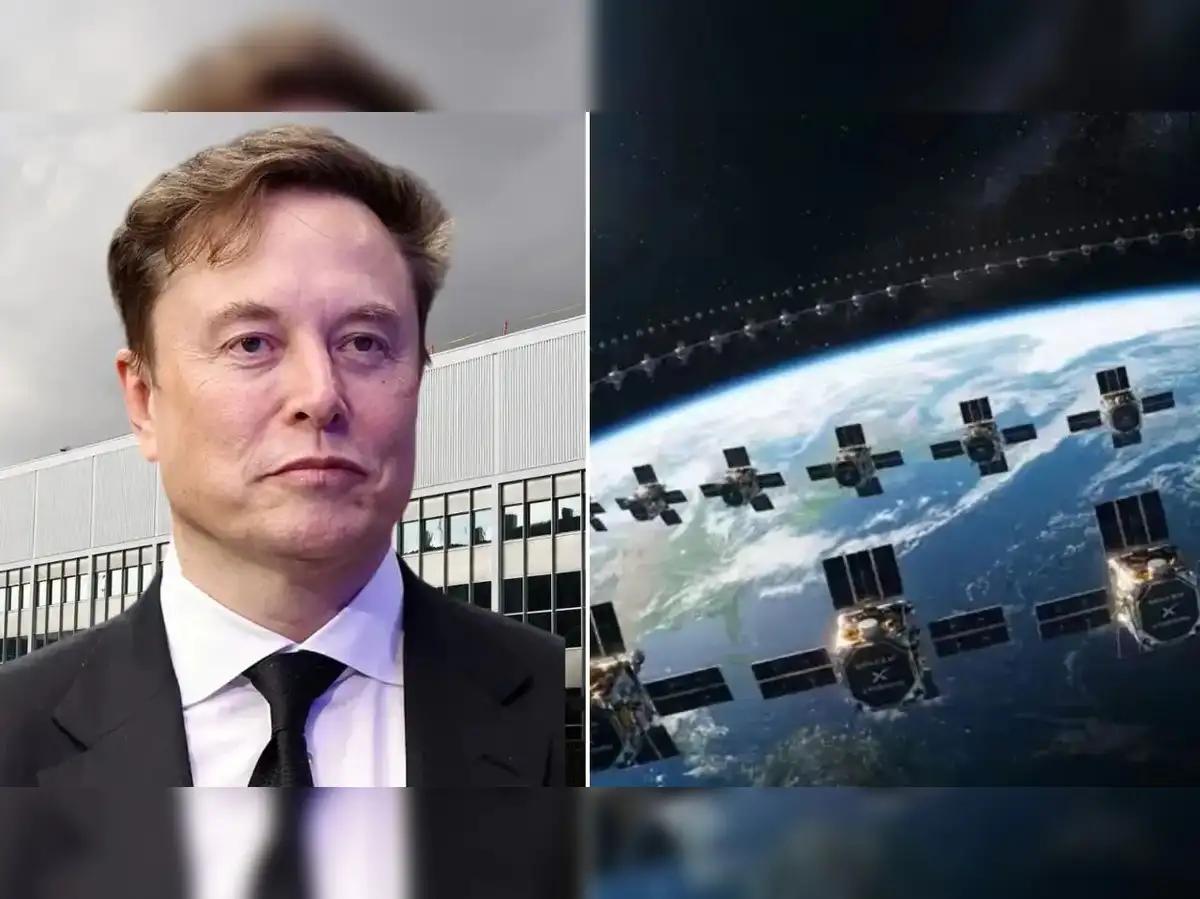
The FCC has authorised SpaceX's Starmind system, a planned constellation of up to one million satellites that would host AI data centres in orbit, and it approved the project without requiring further environmental review
1
.Starmind's satellites would carry computing equipment to process AI workloads in orbit and return results to Earth
2
. The authorisation, granted on November 25, 2026, comes with deadlines: a first satellite in orbit by November 2033, half the constellation by 2038 and full deployment by 20402
. No operator has ever placed a million objects into space, per Reuters, against roughly 12,000 satellites operating at the end of 20251
2
.What the scientists warn
Building the constellation would mean rocket launches rising from the current rate of just under one per day to between 10 and 20, per a University College London assessment
1
. The same researchers' study, submitted for peer review, estimates emissions from launches and re-entries could rise 70 to 150 times above current levels2
.
Source: The Conversation
The reason the number matters is how satellites die. They run for three to five years and are deliberately burned up in the upper atmosphere, which is today's main way of keeping debris out of orbit
1
. With a million satellites in orbit, that disposal runs continuously. The same researchers found re-entry material could far surpass natural meteorite inputs, shifting the upper atmosphere's chemistry from largely natural to human-dominated1
. The pollutants return to Earth's surface within about two to three years, deposited in the Arctic and Antarctic during their winters1
. They include toxic metals such as arsenic, lead, cadmium and chromium1
. Those pollutants can destroy ozone, and rocket launch pollution is not regulated under the 1987 Montreal Protocol, the treaty credited with the ozone layer's recovery1
.There are ground-level costs too. SpaceX says some methane leaks during fuelling and booster returns of its Starship rockets, the launch vehicle for the data centres
1
. At the required launch rates, it says, those leaks could rival major US oil and gas extraction basins1
. More frequent launches would also increase air pollution near spaceports; a Louisiana launch base could worsen the state's already severely unequal air-pollution exposure1
. Birmingham professor Hugh Lewis warned, per Reuters, that a failure rate of just 1% could strand thousands of dead satellites in orbit each year2
. The American Astronomical Society criticised the decision over risks to astronomical research2
.Why there was no review
The approval followed a regulatory change. In September 2026 the commission adopted rules that spare space-based operations from environmental review
1
2
. In approving Starmind it declined further review, saying atmospheric-pollution concerns "remain speculative" on the material submitted1
2
.Yet the evidence base is thin from SpaceX's own side. Its filing contains no information about the satellite materials, so the amount of toxic metal that could reach the surface cannot be estimated
1
. The company had previously said it takes environmental concerns "very seriously" and proposed studying impacts as the satellites are rolled out1
.SpaceX argues the system addresses a real problem: ground data centres need large amounts of electricity, land and cooling, while sun-synchronous orbits allow extended solar power
2
. Cooling computers in orbit remains a major engineering challenge, though, since there is no air circulation or water-based cooling to lean on2
. The commission also deferred SpaceX's bid to dispose of certain satellites a different way, saying it lacked sufficient information to assess the proposal2
.The Conversation's authors argue international oversight is urgently needed to assess those impacts before the satellites are deployed
1
.Related Stories

References
Summarized by

Navi
[1]
Related Stories
The FCC just approved a million-satellite constellation to run AI in space
25 Nov 2026•Technology

FCC dismisses environmental objections to SpaceX's million AI satellites
Today•Technology
SpaceX raises $75 billion in record IPO to launch 1 million AI satellites into orbit
11 Jun 2026•Business and Economy
Recent Highlights



Recent Highlights
Today's Top Stories





Don’t drown in AI news. We cut through the noise - filtering, ranking and summarizing the most important AI news, breakthroughs and research daily. Follow topics that matter to you and stay ahead.


