FCC dismisses environmental objections to SpaceX's million AI satellites


4 Sources
[1]
Astronomers 'disheartened' by decision allowing SpaceX to deploy satellites for space datacenters
American Astronomical Society warned that satellites could disrupt research, while others raised concerns about orbital debris and environmental risks Astronomers are pushing back against Elon Musk's Starmind program to place a huge number of AI computers in space, which was given the green light
[2]
Why Elon Musk's plan for 1 million AI satellites is raising concerns
This week, on the eve the Thanksgiving holiday, the United States Federal Communications Commission approved SpaceX's plan to launch one million "Starmind" artificial intelligence (AI) data centre satellites. This decision reflects the convergence of a satellite boom, an AI bubble and the Trump
[3]
SpaceX's One Million Data Center Satellites Got FCC Approval, But Plans To Park Unneeded Satellites Around The Sun Are On Hold
SpaceX's recent win at the Federal Communications Commission (FCC), which saw the regulator grant the firm approval to launch a million data center satellites in space, came with a caveat. As part of its application, SpaceX had asked the Commission to also allow it to dispose of unneeded satellites
[4]
Explainer: A million satellites? What SpaceX's Starmind could mean for Earth and space
The US Federal Communications Commission authorised Elon Musk's SpaceX on Wednesday to deploy 1 million satellites to support data centres in space, a fleet that would dwarf the total number of active satellites currently orbiting Earth. The FCC said it was approving the SpaceX Starmind
Share
Copy Link
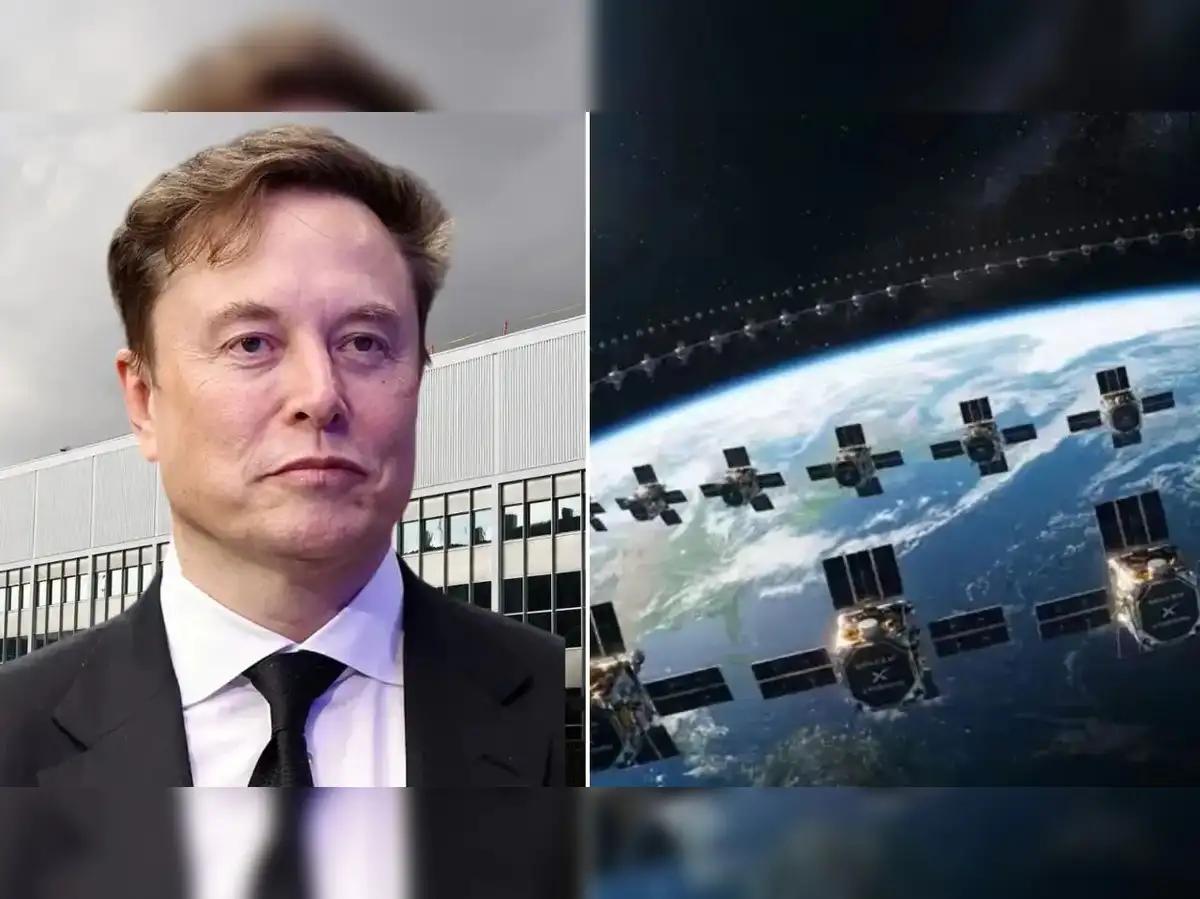
The Federal Communications Commission has approved SpaceX's plan to put up to a million AI datacenter satellites in orbit, with the initial spacecraft due aloft by November 2033 and later milestones through 2040
1
4
. If fully built, the constellation would take the satellite population far past the roughly 17,000 in orbit today, by one count1
4
.
Source: ET
SpaceX, Elon Musk's rocket company and the operator of Starlink, wants to move AI computing off Earth. In its filing it argued that satellites harnessing near-constant sunlight would achieve "transformative cost and energy efficiency" while easing the environmental burden of datacenters on the ground
1
. Commission chair Brendan Carr said "America is leading the world into the era of super intelligence"1
. The commission's order went further, saying Starmind "promises to bring the human race closer to a Kardashev II civilization - one that can harness the full power of the sun"1
.The American Astronomical Society, which has campaigned on satellite light pollution before, said it was "disheartened and dismayed"
1
. It warned the constellation could erase decades of federal investment in astronomical facilities1
4
. It cited light pollution in optical and infrared wavelengths, radio interference, pollution from launches and reentries, plus collision risk1
.What the licence allows
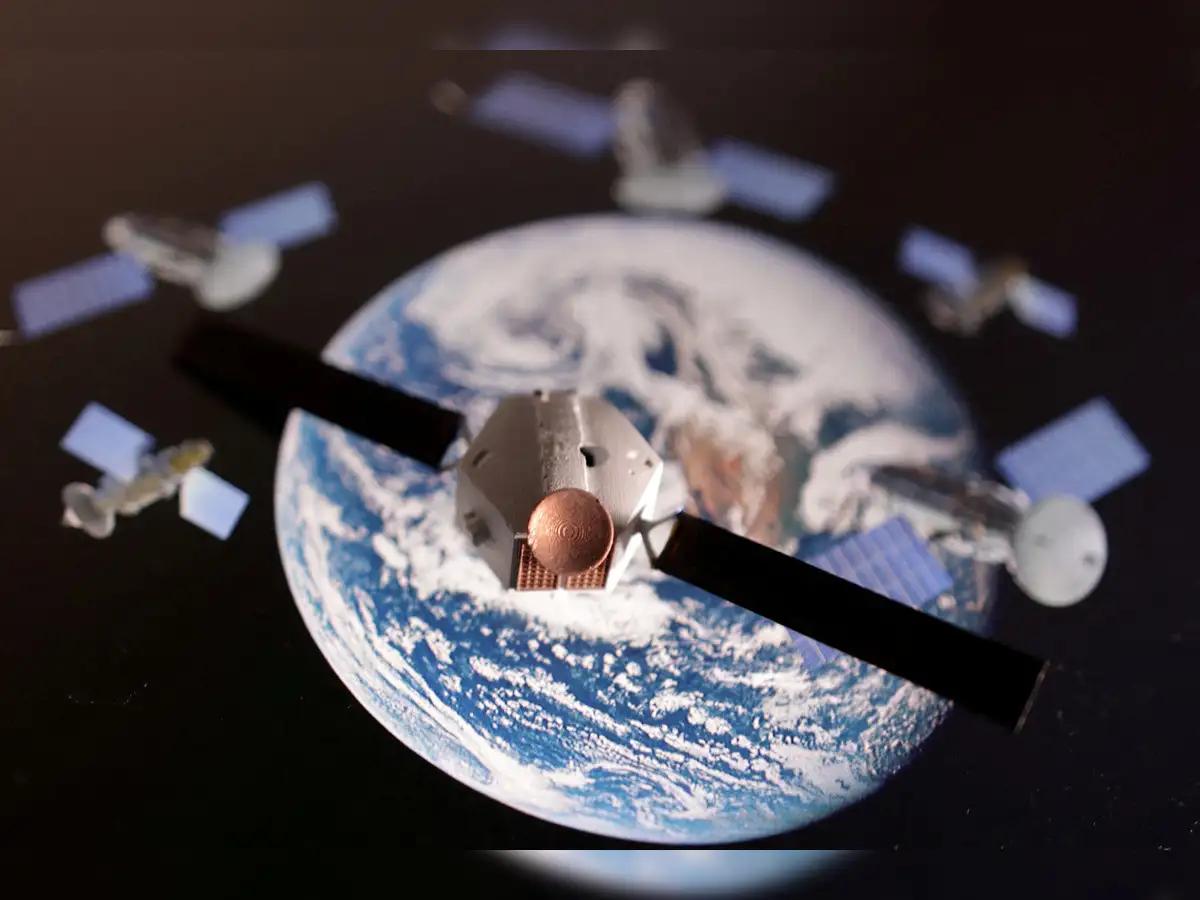
SpaceX's filing specifies 998,240 satellites in four shells between 686 and 1,002 kilometres up
3
. The licence sets deadlines: initial deployment by November 2033, 10% of the constellation by 2035, 50% by 2038 and full completion by 20401
4
.
Source: ET
The FCC also held back part of the request. It deferred SpaceX's plan to dispose of dead satellites in graveyard orbits above the atmosphere, or in orbits around the sun
1
3
. The commission said SpaceX had not shown those methods comply with its rules3
. Starlink satellites today are disposed of by atmospheric reentry, per SpaceX's filings, and SpaceX must file a justification before deploying any satellite it means to park elsewhere3
.The regulator declines to weigh the risks
The commission dismissed the environmental objections in its order. Rocket-launch emissions are "outside of the Commission's purview", it said, and concerns about satellites burning up on reentry are "speculative and not supported in the record"
4
. It rejected requests for extra conditions, saying SpaceX's commitment to coordinate with the National Science Foundation was enough to protect astronomy4
. It also said it will not order any further environmental review of the constellation2
.Researchers had already put numbers on those risks. A University College London team estimated a million satellites could raise launch and reentry emissions to roughly 70 to 150 times current levels, affecting ozone, climate and air quality
4
. Burning satellites already load the upper atmosphere with more aluminium, titanium, copper and lead than meteors leave behind, and aluminium oxide can destroy ozone2
. The satellites themselves are big: a 75-metre wingspan each, and simulations shared by a Virginia Tech professor show bands of them potentially outnumbering the visible stars in the early evening4
2
.Related Stories
Can a million satellites fly?
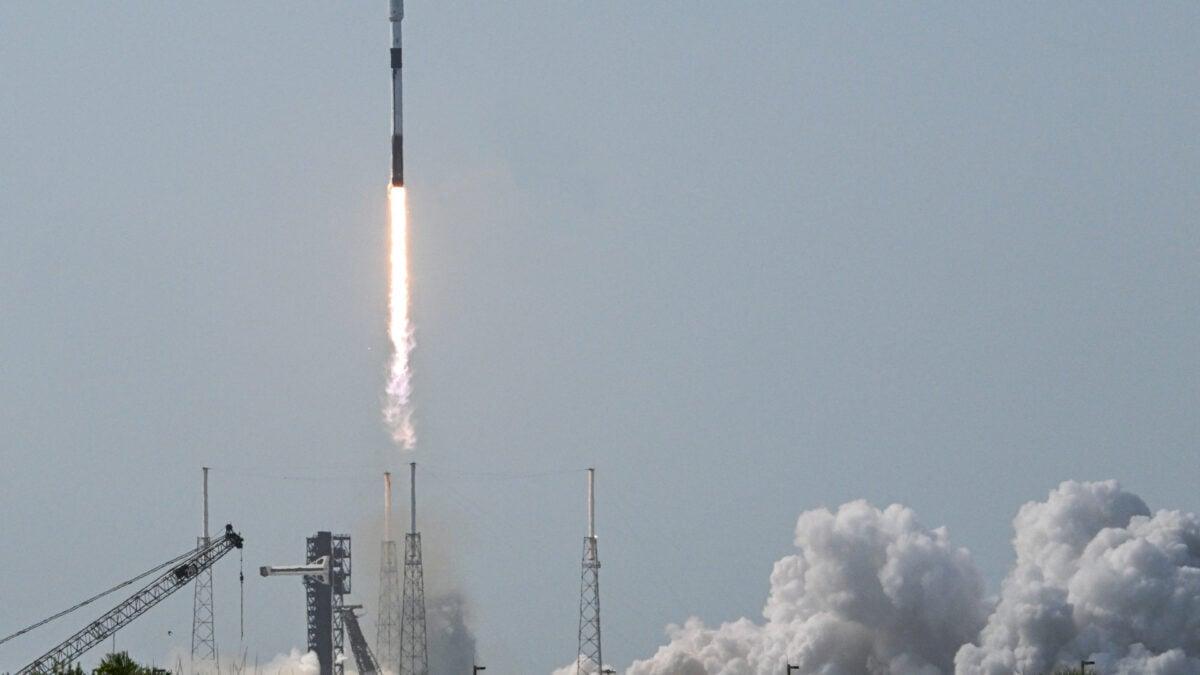
The arithmetic is unkind. The most payloads SpaceX has ever carried on one rocket is 143, and Starlink, licensed for 42,000 satellites, has just over 11,000 in space
4
2
. At a five-year satellite lifetime, keeping a million in orbit would mean launching and disposing of roughly 500 every day4
2
. Amazon's satellite unit and other operators told the commission they think SpaceX is unlikely to deploy anything close to the full count1
.The physics has doubts of its own. The government's auditing office reported in July that space datacenters could save land, electricity and water on Earth, but warned space is a poor place to cool hardware
1
. Google's recently launched AI demonstrator satellite needs downtime between calculations to shed heat2
. Hugh Lewis, a debris specialist at the University of Birmingham, estimated that even a 1% failure rate could strand thousands of derelict satellites in orbit every year4
.SpaceX has sounded the same note itself: ahead of its planned stock market listing, it told investors the technology is unproven and the business may not pay off commercially
3
4
. Its SEC filings earlier in 2026 estimated a $28.5 trillion market for AI3
4
.
Source: Wccftech
References
Summarized by

Navi
[1]
Related Stories
The FCC just approved a million-satellite constellation to run AI in space
25 Nov 2026•Technology

SpaceX files to launch 1 million satellites as orbital data centers for AI computing power
29 Jan 2026•Technology

SpaceX raises $75 billion in record IPO to launch 1 million AI satellites into orbit
11 Jun 2026•Business and Economy
Recent Highlights



Recent Highlights
Today's Top Stories






Don’t drown in AI news. We cut through the noise - filtering, ranking and summarizing the most important AI news, breakthroughs and research daily. Follow topics that matter to you and stay ahead.


