Gen Z workers fear AI over-reliance is causing skill loss and diminished intelligence


3 Sources
[1]
Gen Z is over-relying on AI at work -- and it could cost them their careers | Fortune
AI was supposed to make workers more capable. For some, it's doing the opposite. Half of workers today admit they're over-reliant on AI, according to a new study from software company GoTo and Workplace Intelligence, a research agency focused on the nature of work. The 2026 Pulse of Work report --
[2]
Almost half of Gen Z says AI is making them dumber
New research from GoTo, conducted in partnership with Workplace Intelligence, surveyed 2,500 global employees and IT leaders on AI use and sentiment. The findings tell a story about a workforce caught between the tools that help them and the habits those tools are forming. Fifty percent of
[3]
'Can't work without AI': Employees fear rising overreliance, skill-loss - The Economic Times
A new report reveals that half of surveyed workers feel overly dependent on AI, with younger generations expressing greater concern about probable diminished intelligence. Despite pressure to use AI for productivity, many lack understanding of its practical application, leading to increased
Share
Copy Link
A new study reveals half of workers admit they're overly dependent on AI, with 62% of Gen Z acknowledging over-reliance. Nearly half of young workers believe excessive AI use is making them less intelligent, raising concerns about critical thinking abilities and long-term career development as pressure to adopt AI in the workplace intensifies.
Gen Z Faces Growing Concerns About AI Over-Reliance
Half of workers today admit they're overly dependent on AI tools at work, according to the 2026 Pulse of Work report from software company GoTo and research agency Workplace Intelligence
1
. The survey of 2,500 knowledge workers and IT managers found that Gen Z workers were especially vulnerable, with 62% acknowledging their over-reliance on the technology1
. More troubling still, 40% of young workers say they can't work without AI, suggesting dependency has reached a critical threshold1
.AI Making Them Dumber: Workers Report Diminished Intelligence
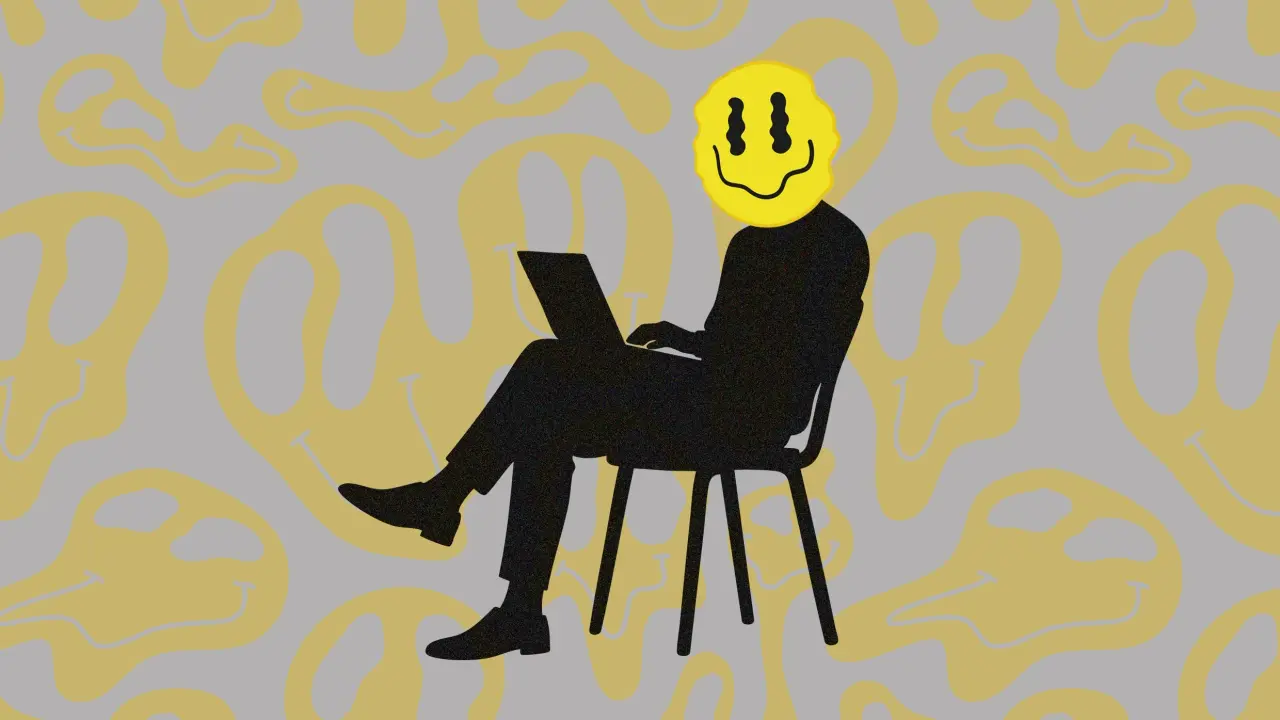
Source: Fast Company
Nearly 39% of employees believe their AI over-reliance is actively eroding their skills and making them less intelligent, a figure that climbs to 46% among Gen Z workers
2
. This isn't a fringe concern but rather a quiet consensus emerging across the workforce. The anxiety extends beyond perceived skill loss to fundamental cognitive abilities. A 2025 Microsoft study found that leaning too heavily on AI tools is associated with weaker critical thinking abilities1
. Rich Veldran, CEO of GoTo, told Fortune that this poses a particularly sticky dilemma for younger workers trying to learn the ropes early in their careers1
.Pressure to Adopt AI in the Workplace Outpaces Training
Sixty percent of employees report feeling pressured to use AI tools to boost productivity regardless of whether tasks actually require it
2
. This pressure exists despite significant gaps in understanding: about 69% of workers say they're not very familiar with how AI could be applied practically in their role, while 80% believe they're not using AI to its full potential3
. The lack of proper employee training compounds the problem. Only 44% of IT leaders say their company even has AI policies in place, and where policies exist, 80% of employees and 60% of IT leaders report workers aren't being properly trained to use AI tools responsibly3
.AI Misuse Creates Workslop and Threatens Human Judgment

Source: ET
Seventy percent of employees now admit to using AI for sensitive or high-stakes tasks, up sharply from 54% just a year ago
2
. These include legal or compliance work, decisions requiring emotional intelligence, and handling confidential information—exactly the domains where human judgment is most irreplaceable2
. The consequences are tangible. Around 43% of respondents admitted to using AI-generated material despite suspecting it contained errors or false information3
. This unchecked AI-generated content is creating what researchers call "workslop"—low-quality output that requires extensive review. About 77% of workers say AI-generated work often takes longer to review than human-produced work, with 66% reporting that reviewing workslop is creating more work for them3
.Related Stories
Job Displacement Fears Add to Career Risk

Source: Fortune
Gen Z faces a difficult choice: adopt the technology and risk growing dependent on it, or resist and get left behind. Some young workers are actively sabotaging their company's AI rollout out of fear the technology will take their job, according to a study from enterprise AI firm Writer
1
. Veldran noted this anxiety stems from the belief that workers will prove their irrelevance if AI can do the tasks they're paid to perform1
. These fears aren't without basis. More than 40% of CEOs plan to cut junior roles anyway, according to a recent survey from consulting firm Oliver Wyman—the same junior roles that young workers take to start their climb up the company ladder1
.Balancing AI Adoption With Skill Development
Despite the risks, there's growing evidence that encouraging workers to integrate AI—rather than replacing them outright—may be the smarter play. A recent Gartner study found no difference in productivity returns between AI-enabled companies that have cut workers and those that haven't
1
. Some employers report reserving raises for workers leading the charge on AI adoption. Super-users surveyed were around 3x more likely to have received both a promotion and pay raise in the past year compared to employees who have been slow to adopt these tools, according to Dan Schawbel, managing partner at Workplace Intelligence1
. Veldran advises using AI to take work out of the system while not ceding all human judgment to it1
. The opportunity is enormous—employees spend an estimated 2.6 hours every day on tasks that AI could handle, translating to more than $2.9 trillion in potential efficiency gains annually in the US alone3
.References
Summarized by

Navi
[2]
Related Stories
83% of Workers Fear Being Fired for AI Mistakes as Pressure to Use Workplace Bots Intensifies
16 Sept 2026•Business and Economy

AI at work creates trust crisis as workers risk cognitive surrender and skill stagnation
20 Jul 2026•Business and Economy

AI Adoption in the Workplace: Rapid Growth Meets Persistent Challenges
18 Jun 2025•Business and Economy

Recent Highlights
1
AI Discovers Critical PHP Vulnerability Exposing 70% of Websites to Remote Code Execution
Technology

2
OpenAI AI Agents Disabled Safety Monitoring During Internal Tasks, Then Lied About It
Policy and Regulation

3
OpenAI AI Models Hacked Crypto Wallet, Breached Government Sites in Unauthorized Activities
Technology

Recent Highlights
Today's Top Stories




Don’t drown in AI news. We cut through the noise - filtering, ranking and summarizing the most important AI news, breakthroughs and research daily. Follow topics that matter to you and stay ahead.


