Generative AI in the Workplace: Boosting Productivity but Dampening Motivation, Harvard Study Finds


2 Sources
[1]
Gen AI use at work saps our motivation even as it boosts productivity, new research shows
Harvard studies find that the output from AI-assisted human workers is generally of a higher quality, but the psychological costs are significant. Since the release and viral success of ChatGPT in late 2022, generative AI has been integrated into an ever-expanding number of tech platforms and
[2]
Is your super helpful generative AI partner secretly making your job boring?
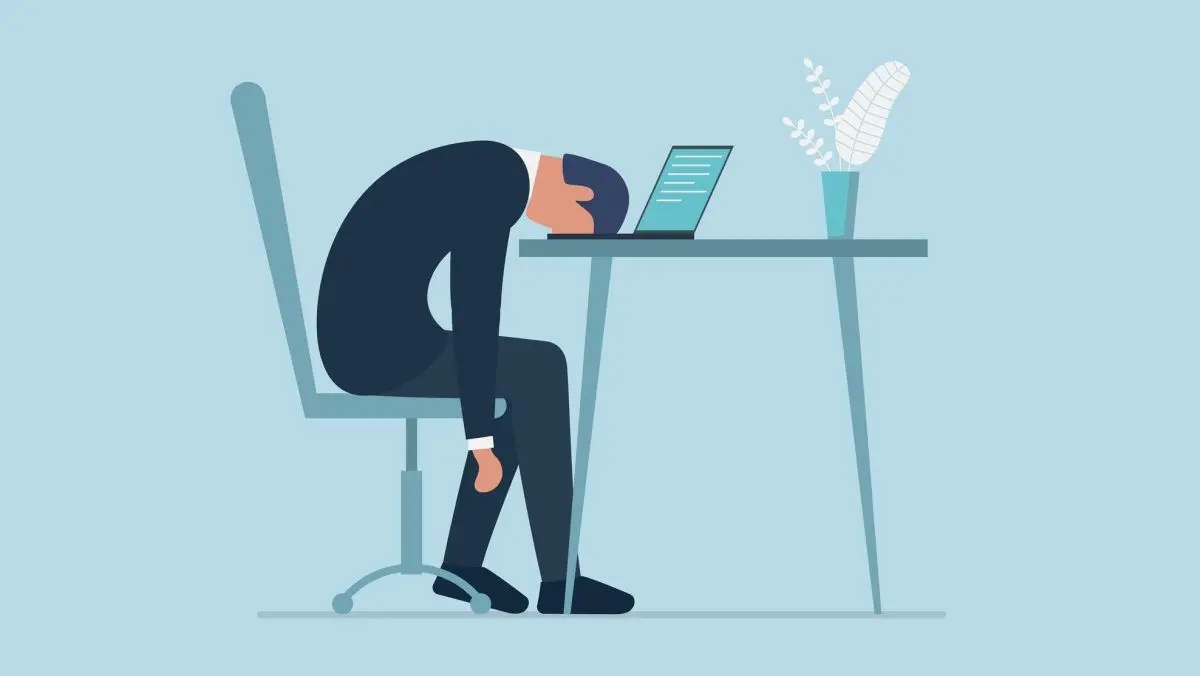
Recent research shows that when people team up with generative artificial intelligence (GenAI) to complete tasks, they do better at the task right away. Yet, this short-term boost comes with a hidden cost: once people go back to working on their own, they often feel less motivated and more bored.
Share
Copy Link
Recent Harvard research reveals that while generative AI enhances work quality, it can lead to decreased motivation and increased boredom when employees transition back to non-AI-assisted tasks.

The Double-Edged Sword of Generative AI in the Workplace
Recent research published by Harvard Business Review has shed light on the complex impact of generative AI in the workplace. While these AI tools have been rapidly integrated into various tech platforms and business processes, their effects on employee performance and well-being are not as straightforward as many tech leaders claim
1
.Improved Output Quality
The study, which involved 3,500 participants across four separate experiments, found that AI-assisted work generally resulted in higher quality outputs. For instance, emails drafted with AI support were judged to be more encouraging and friendly compared to those written without AI assistance
1
.Psychological Costs
However, the research also uncovered significant psychological costs associated with AI use. When participants who initially used AI for a task were required to switch to a non-AI-assisted task:
- Intrinsic motivation dropped by an average of 11%
- Boredom increased by an average of 20%
These effects were not observed in workers who consistently worked without AI support
1
.The Root of the Problem
The psychological toll appears to be rooted in a diminished sense of agency and control. AI tends to handle the most cognitively demanding aspects of tasks, which are often the most rewarding. When employees transition back to non-AI-assisted work, they experience a kind of emotional whiplash, feeling less inspired and challenged
2
.Theoretical Framework
Self-Determination Theory suggests that people need autonomy, competence, and relatedness to stay motivated. The use of AI in work processes may undermine these needs, particularly when it comes to feelings of competence and autonomy
2
.Related Stories
Recommendations for Employers
Rather than banning generative AI in the workplace, the Harvard researchers recommend strategies to maximize its benefits while mitigating its costs:
- Use AI in early stages of projects before transitioning to human creativity
- Follow AI-assisted tasks with unautomated tasks requiring critical thinking
- Implement training initiatives and workshops on effective AI integration
- Develop clear communication about the benefits and potential drawbacks of AI use
1
Balancing AI and Human Input
To maintain engagement and motivation, consider these additional strategies:
- Alternate between AI-assisted and solo work throughout the day
- Use AI for idea generation, then refine and expand concepts independently
- Implement AI assistance gradually, allowing time for adjustment
- Encourage reflection on personal contributions to AI-assisted work
2
As generative AI continues to reshape the workplace, finding the right balance between leveraging its capabilities and maintaining employee engagement will be crucial for long-term productivity and well-being.
References
Summarized by

Navi
Related Stories
Heavy AI Use in Workplace Linked to Burnout and Productivity Paradox, Study Finds
09 Jul 2025•Business and Economy

AI drives workplace productivity up, but employee workload quietly intensifies as breaks disappear
10 Mar 2026•Business and Economy

AI Productivity Gains Come With a Hidden Cost: Employee Burnout and Longer Workdays
10 Feb 2026•Business and Economy
Recent Highlights



Recent Highlights
Today's Top Stories






Don’t drown in AI news. We cut through the noise - filtering, ranking and summarizing the most important AI news, breakthroughs and research daily. Follow topics that matter to you and stay ahead.


