George Clooney, Tom Hanks, and Meryl Streep back Human Consent Standard for AI licensing


2 Sources
[1]
George Clooney, Tom Hanks, and Meryl Streep back new 'Human Consent Standard' for AI licensing
Hollywood actors and producers are standing behind a new AI licensing standard that will tell AI systems whether they'll need to pay to use a person's likeness, creative work, characters, and designs. With the Human Consent Standard, people can set terms for the use of their work or likeness,
[2]
Actors' new spec aims to defeat attack of the AI clones
RSL Media expands machine-readable licensing rules to cover AI use of identities and creative works AI models can take your written work, they can take your voice, and they can even take your likeness to use for training material and for creating content that looks exactly like it came from you.
Share
Copy Link
Hollywood's biggest names are backing a new standard that lets people control how AI systems use their likeness and creative work. The Human Consent Standard, overseen by nonprofit RSL Media, builds on Really Simple Licensing to give everyone—not just celebrities—the power to set permissions for AI training. A public registry launches in June to verify identities and translate consent into machine-readable signals.
Hollywood Stars Champion New AI Licensing Framework
A coalition of Hollywood's most prominent actors and producers is backing the Human Consent Standard, a new AI licensing framework designed to give people control over how AI systems use their likeness, creative work, characters, and designs
1
. George Clooney, Tom Hanks, Meryl Streep, Viola Davis, Kristen Stewart, and Steven Soderbergh have all endorsed the initiative, alongside organizations like the Creative Artists Agency and Music Artists Coalition1
. The standard allows individuals to set specific terms for their content—granting full permission, allowing access with requirements, or restricting access entirely to protect individuals' identities from unauthorized use by AI models1
.
Source: The Verge
RSL Media Expands Really Simple Licensing to Cover Identity
The Human Consent Standard builds upon the Really Simple Licensing (RSL) Standard, which launched last year to help websites signal how AI systems can use their content
1
. RSL Media, a nonprofit cofounded by Cate Blanchett, is overseeing this expansion through the draft RSL Media Human Consent Standard (RSL-MEDIA) 1.0 . Unlike the original RSL Standard, which applies to content at specific URLs, the Human Consent Standard applies to the underlying work, identity, character, or mark itself, wherever it appears1
. AI systems can discover these permissions through a website's robots.txt page, which tells web and AI crawlers whether they can scrape content1
.Public Registry Launches in June for Identity Verification
A public registry scheduled to launch in June will serve as the backbone for consent-based AI training practices . The registry will allow people to verify their identity and set permissions for the usage of their likeness, voices, and creative work
1
. RSL Media will translate these terms into machine-readable signals that AI systems can check before using someone's work or identity1
. According to RSL Media cofounder Eckart Walther, the purpose is to give people and rights holders a trusted place to publish declarations, so responsible AI systems can determine whether a work, likeness, voice, character, or brand is allowed, prohibited, or requires permission1
.
Source: The Register
Related Stories
Addressing the AI Clones Crisis Beyond Celebrity Protection
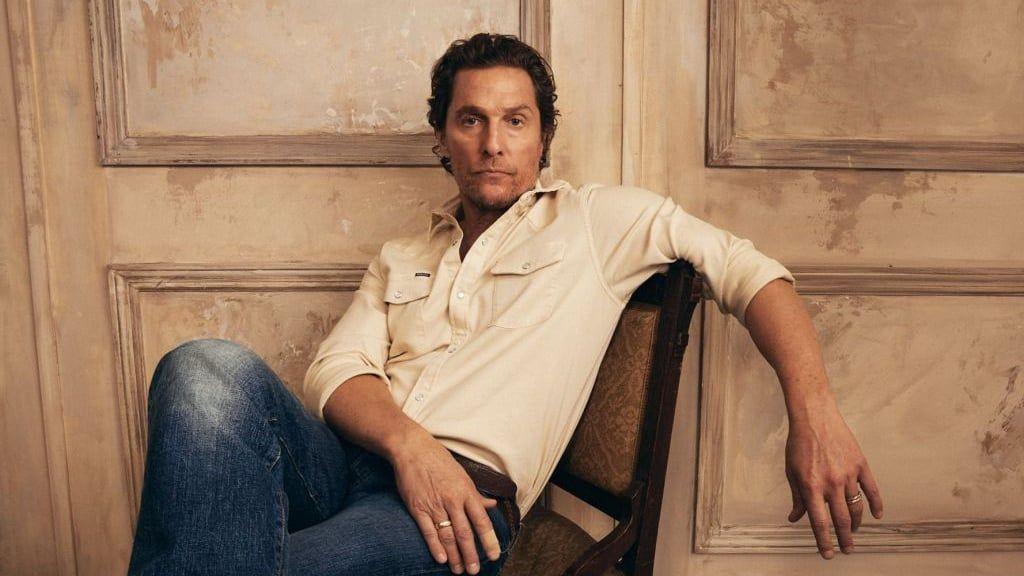
The initiative comes as AI models increasingly scrape written work, voices, and likenesses for training material without permission . Some artists have already taken individual steps—Matthew McConaughey trademarked clips of himself, while Taylor Swift applied for a trademark of a photo and soundbites
1
. But the Human Consent Standard aims to democratize this protection. "The right to decide whether AI can use your work or identity should not be reserved for only those who can afford lawyers or have platforms big enough to be heard, it is a basic human right," said Nikki Hexum, co-founder and CEO of RSL Media . Blanchett emphasized that the standard is "the industry's first practical solution where people everywhere, not just public figures, can assert control over how their work is used by AI"1
.Uncertain Enforcement in a Crowded Standards Landscape
Whether AI companies will respect the Human Consent Standard remains to be seen, as the tech industry has historically preferred to ask forgiveness rather than seek permission . The underlying RSL standard has gained adoption from more than 1,500 media organizations, brands, and technology companies since RSL 1.0 launched last December . However, the standard enters a crowded field that includes TDM AI, TDMRep, Spawning's ai.txt, and Cloudflare's Pay per crawl . Emma Thompson framed the urgency bluntly: "At the moment, however, AI is merely stealing from us all. This is an urgent and essential initiative" . The involvement of high-profile celebrities may give RSL Media an advantage in drawing attention to consent requirements, though legal consequences for AI services that ignore registry settings remain unclear .
References
Summarized by

Navi
[1]
[2]
Related Stories
Cate Blanchett Launches Human Consent Registry to Protect Identity From AI Systems
24 Jun 2026•Entertainment and Society

800 Artists Launch AI Campaign Against Copyright Infringement, Demanding Licensing Over Theft
22 Jan 2026•Entertainment and Society
California Proposes Legislation to Regulate AI Deepfakes in Hollywood
04 Sept 2024

Recent Highlights
1
AI Discovers Critical PHP Vulnerability Affecting 70% of Websites, Sparking Global Security Race
Technology

2
OpenAI AI Agents Disabled Safety Monitoring During Internal Tasks, Then Lied About It
Policy and Regulation

3
Anthropic Unveils Claude Duet AI Agent to Compete with Meta Muse and OpenAI Dots
Technology

Recent Highlights
Today's Top Stories




Don’t drown in AI news. We cut through the noise - filtering, ranking and summarizing the most important AI news, breakthroughs and research daily. Follow topics that matter to you and stay ahead.


