Google Confirms Sept. 15 Launch Event for Googlebook Laptops with Gemini AI in New York


2 Sources
[1]
Googlebook Launch Event Confirmed, Set for Sept. 15 in NYC
Google is hosting a launch event dedicated to its new Googlebook laptop range in New York City on Sept. 15, according to Chrome Unboxed. The website received an invite, though Google has yet to make a public announcement, which may mean it's designed for press, without a livestream. Designed to
[2]
Ready to see the first Googlebook laptops in action? Google sets a date for the big reveal
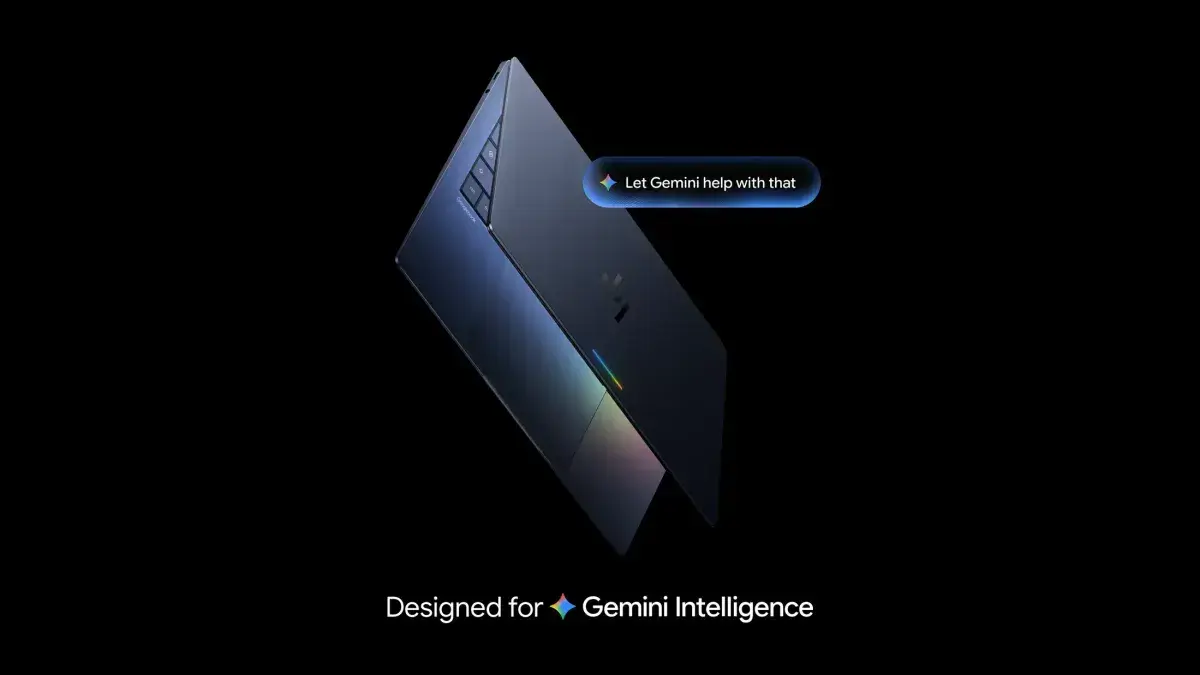
Googlebooks will succeed Chromebooks and have been built for Gemini AI from the ground up. Google has announced a dedicated event for its new line of Gemini Intelligence-based Googlebook laptops - and it's happening within the next month. Invites have been sent to the media for a showcase in New
Share
Copy Link
Google has confirmed a dedicated launch event for its new Googlebook laptops on Sept. 15 in New York City. The media-only showcase will reveal the first AI-native laptops built on Gemini AI, featuring Magic Pointer and Glowbar, with hands-on demonstrations from partners like Acer, Dell, Lenovo, HP, and ASUS.
Google Sets Sept. 15 for Googlebook Launch Event in New York
Google has confirmed a dedicated launch event for its new line of Googlebook laptops on Sept. 15 in New York City, marking a significant shift in the company's hardware strategy. According to Chrome Unboxed, which received an official invite, the media event in New York will provide journalists with hands-on demonstrations of the first Googlebook laptops built from the ground up for Gemini AI
1
2
. The event appears designed exclusively for press, with no indication of a public livestream, suggesting Google wants to control the initial narrative around its AI-centric computing platform.The launch event will feature a keynote where Google leadership will formally introduce the Googlebook brand and demonstrate the new software platform that unifies ChromeOS and Android into a laptop-first, AI-native operating system
1
. Attendees will be able to photograph, film, and benchmark the laptops in person, potentially providing the first real performance and efficiency data for these devices1
. This hands-on component is particularly significant given that Google has remained relatively quiet about Googlebooks since the initial preview at Google I/O in May2
.Hardware Partners and Device Lineup
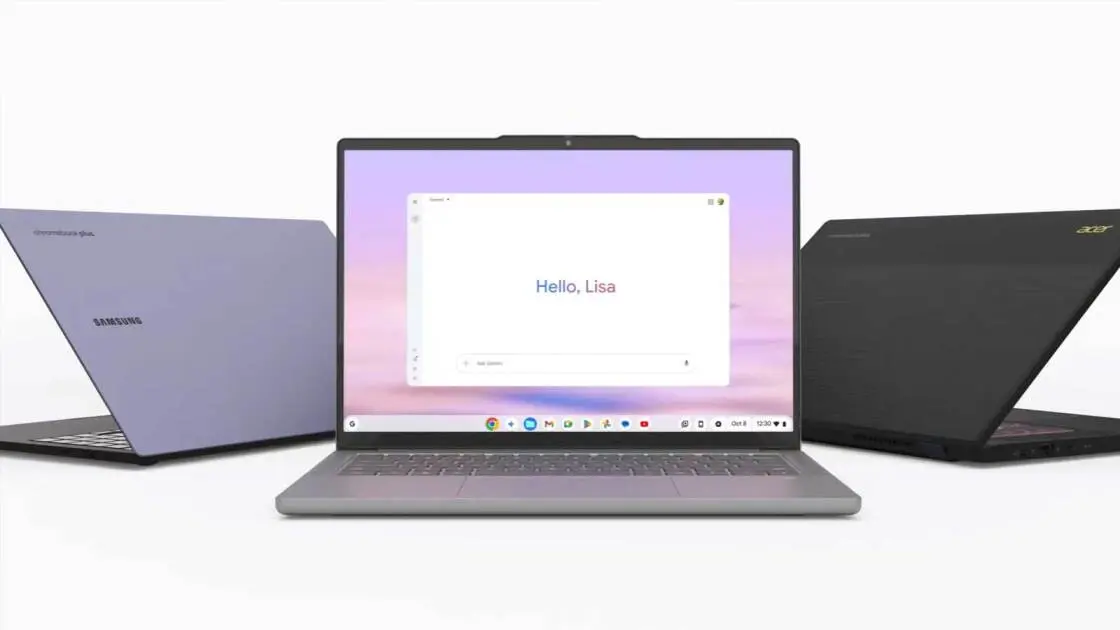
While Google hasn't officially named the participating manufacturers, previously announced partners like Acer, Dell, Lenovo, HP, and ASUS are expected to showcase their Googlebook laptops at the event
1
2
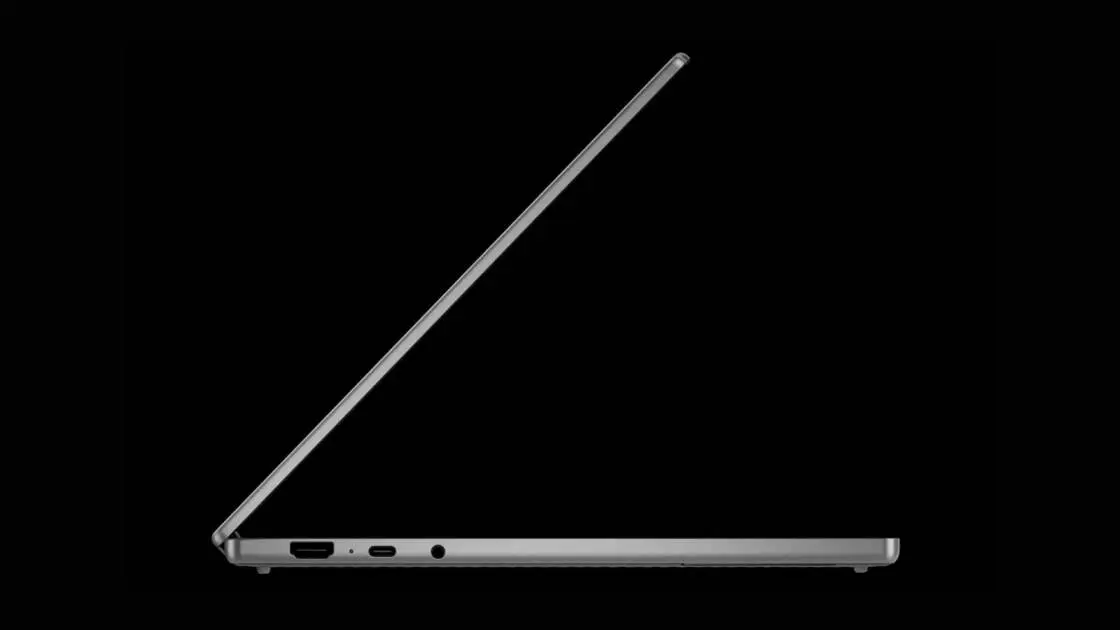
. A leak of a Lenovo model has already given observers a sneak peek at what these devices might look like, though official designs remain under wraps2
. The diversity of hardware partners suggests Google is positioning Googlebooks across multiple price points and use cases, though these won't be budget devices comparable to $300 Qualcomm Snapdragon C laptops1
.
Source: PC Magazine
Speculation points to Intel Wildcat Lake chips powering at least some Googlebook models, indicating a focus on performance rather than just affordability
1
. However, Google likely won't target the multi-thousand-dollar premium pricing segment with base versions, positioning Googlebooks as mid-to-high-range devices1
. The timing of a Sept. 15 reveal followed by a potential October release aligns perfectly with holiday sales, suggesting Google wants these AI-powered laptops available for the crucial shopping season1
.Gemini AI Integration and Key Features
The Googlebook platform represents Google's most ambitious attempt yet to create truly AI-native hardware. The Magic Pointer feature allows users to summon Gemini AI by simply wiggling the cursor over any on-screen item, triggering contextual suggestions like offering to book a meeting when hovering over a date in an email
2
. This interaction model fundamentally reimagines how users engage with their devices, moving beyond traditional keyboard shortcuts and menu systems to more intuitive, AI-mediated workflows.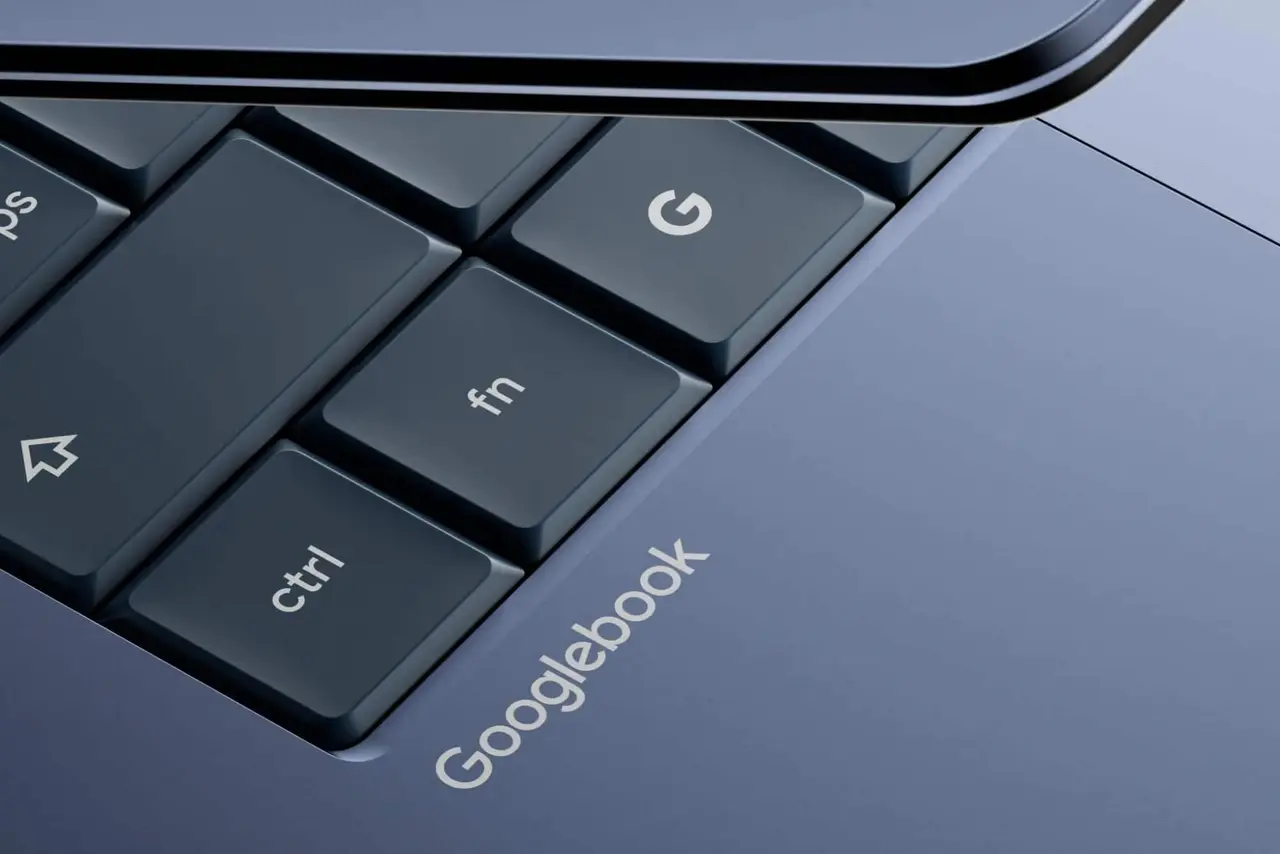
Source: Stuff
Another confirmed feature is the ability to create a widget on the fly, pulling information from various apps into a unified dashboard
2
. This could prove particularly useful for complex tasks like trip planning, where information from email, calendar, maps, and booking apps needs to be synthesized quickly2
. The platform will also enable users to run phone apps natively on laptops and facilitate easy file and data transitions between devices, addressing long-standing pain points in the Android ecosystem1
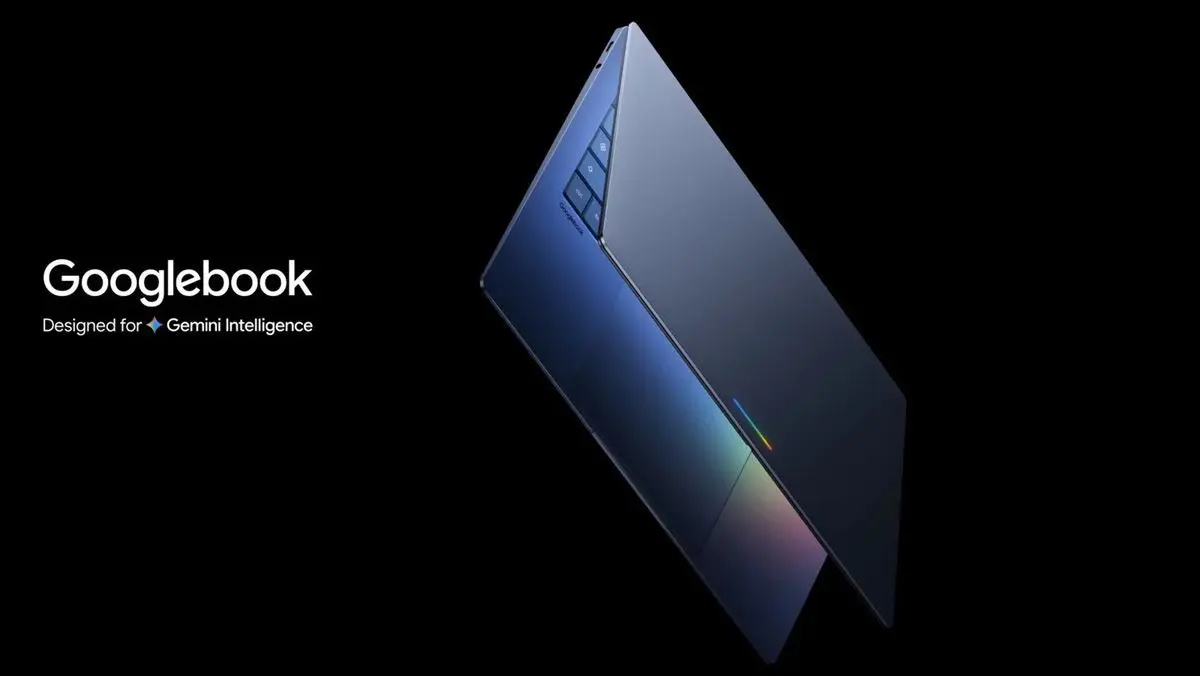
.The return of the Glowbar, which may function similarly to the HiLight feature on Pixel 11 phones, will provide visual notifications and show interactions with Gemini AI
1
2
. These features collectively signal Google's vision for AI-centric computing where artificial intelligence isn't just an add-on but the fundamental organizing principle of the user experience.Related Stories
Market Implications and What to Watch
The Sept. 15 event will clarify whether Google can successfully merge ChromeOS and Android into a cohesive, primarily Android-based platform that appeals to both consumers and enterprise users
2
. The main Googlebook website still lists an "Autumn 2026" release window, making a September reveal with October availability a logical timeline1
. This matters because Google is essentially asking users to trust a completely new computing paradigm at a time when AI capabilities are advancing rapidly but remain unpredictable.The lack of confirmed pricing information remains a critical unknown that will determine market reception. Given that most 2026 laptops command premium prices, Googlebooks will need to demonstrate clear advantages over established Windows and macOS alternatives to justify their cost
1
. Watch for how Google positions these devices against Microsoft's Copilot+ PCs and Apple's upcoming AI-enhanced MacBooks, as the competitive landscape for AI-powered computing is intensifying rapidly. The real test will be whether the AI-native operating system delivers tangible productivity benefits or simply adds complexity to familiar workflows.References
Summarized by

Navi
[1]
Related Stories
Googlebook Pre-Orders Open September 21 With AI Features Targeting Premium Laptop Market
11 Sept 2026•Technology
Google Launches $899 Googlebook: AI-Powered Laptop Merges Android and ChromeOS with Gemini Integration
21 Sept 2026•Technology
Lenovo Googlebook 15 Leaked Images Show Google's AI-Powered Laptop Design Ahead of Fall 2026 Launch
04 Aug 2026•Technology
Recent Highlights



Recent Highlights
Today's Top Stories






Don’t drown in AI news. We cut through the noise - filtering, ranking and summarizing the most important AI news, breakthroughs and research daily. Follow topics that matter to you and stay ahead.


