Google Launches Project Suncatcher to Test AI Data Centers in Space with TPUs Aboard SpaceX Rocket


10 Sources
[1]
Google thinks SpaceX's Starship has to launch 1,600 times before space data centers get off the ground
Google's prototype of its orbital compute satellite took off today onboard a SpaceX rocket launched from California -- the first time the tech giant has sent one of its advanced chips into space. Built by Planet Labs, the satellite will prove that a Google Tensor Processing Unit, its competitor to
[2]
Google's Project Suncatcher AI data center test has officially launched to space aboard SpaceX rocket
I agree my information will be processed in accordance with the Scientific American Inc. Privacy Policy. We leverage third party services to both verify and deliver email. By providing your email address, you also consent to having the email address shared with third parties for those
[3]
Google tests its plan for AI data centers in space with Project Suncatcher
Project Suncatcher is sending four AI processors into orbit today on a SpaceX rocket to see whether the building blocks of a data center can survive space When Elon Musk took SpaceX public in June, a big part of its value proposition came from promises of data centers in space. Skeptics were quick
[4]
Google launches first datacenter satellite and research that finds orbiting bit barns can work
Google's first "Suncatcher" datacenter satellite has made it into space, but the company has cast doubt on whether its orbital ambitions can scale. As The Register reported last week, Project Suncatcher aims to test whether Google's tensor processing units (TPUs) can survive a launch and the harsh
[5]
Google launches Project Suncatcher, a step towards AI data centers in space
A prototype of the Project Suncatcher satellite at the Planet Labs facility in San Francisco, California. Planet Labs PBC hide caption Google just put a refrigerator-sized satellite into space, part of a research project the company hopes can pave the way for orbiting AI data centers powered by
[6]

Could the future of AI data centres be in space? Google wants to find
The tech giant has launched a prototype satellite carrying its AI chips to explore whether solar powered infrastructure in orbit could one day support large-scale computing. Google launched a prototype satellite into orbit loaded with its AI chips on Thursday as part of the first phase of a
[7]

Why tech companies are racing to put AI data centers in space
Google, SpaceX, Nvidia, and a growing group of startups are betting that orbit could solve AI's power problem. First they have to figure out cost, cooling, and space junk. Why on earth do people want to put data centers in space? It's all about power and cooling. The chips that run AI models
[8]

Google Sends TPUs Into Space to Check If Their GPU-Challenger Functions in Space
This is the company's planned next step to measure itself against Nvidia's GPUs as part of its Project Suncatcher Google has sent one of its orbital compute satellites on board a SpaceX rocket to check if one of its advanced Tensor Processing Unit (TPU) can function in space. This is a step
[9]

Google's Project Suncatcher Tests AI Chips in Space
Google has taken a major step in its effort to explore space-based artificial intelligence infrastructure. The company successfully placed a prototype satellite carrying four Tensor Processing Units (TPUs) into orbit as part of Project Suncatcher, its long-term research initiative to examine
[10]

Google is firing the first salvo in a brewing race to deploy AI data centers in orbit
As rural communities across the United States wage intensifying battles to keep AI-computing data centres out of their backyards, some tech giants are mulling methods that could sidestep such local resentment -- by sending the facilities to space. There are no guarantees the technology will work,
Share
Copy Link
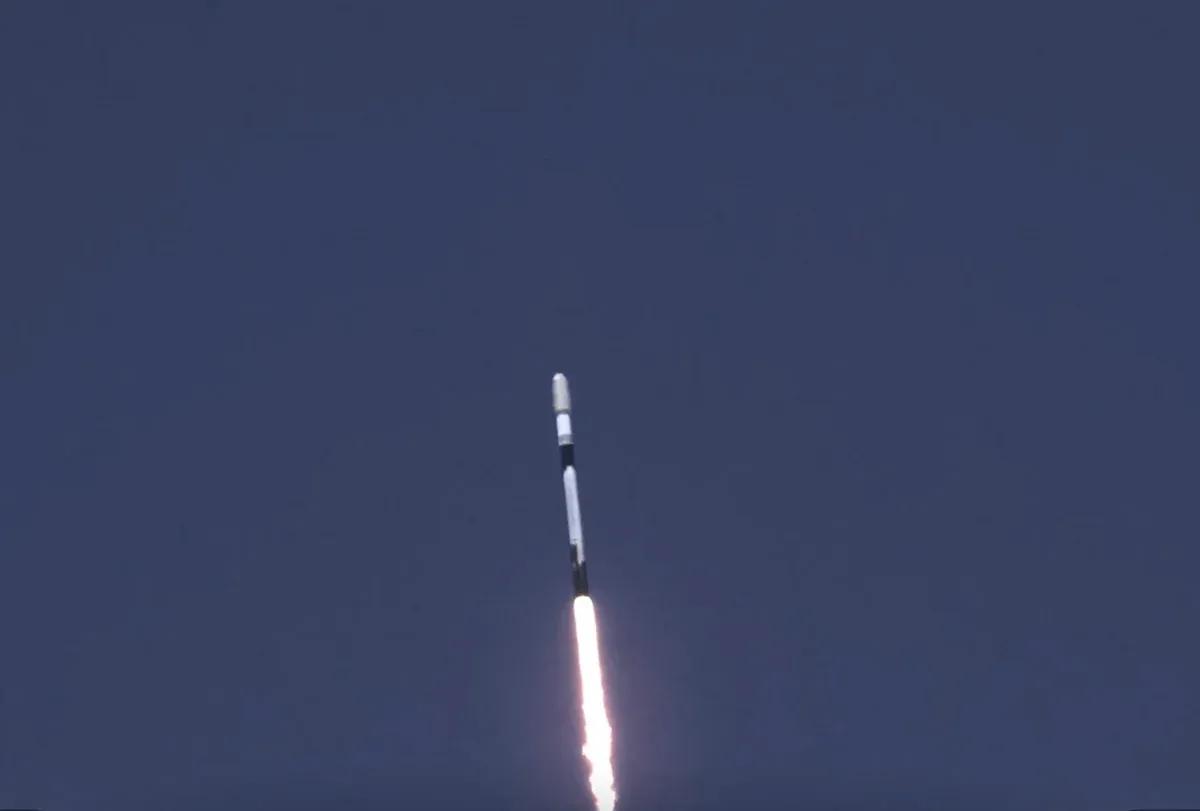
Google launched its first Project Suncatcher satellite carrying Tensor Processing Units into low-Earth orbit aboard a SpaceX rocket on October 1. The mission tests whether AI chips can survive space conditions and function in orbital data centers. Google's research indicates SpaceX needs approximately 1,800 Starship launches before space-based AI infrastructure becomes economically viable.
Google Sends First AI Chips to Space Aboard SpaceX Rocket
Google launched its first Project Suncatcher satellite on October 1 at approximately 2:32 P.M. EST, marking a significant step toward establishing AI data centers in space
2
. The refrigerator-sized orbital compute satellite, built by Planet Labs, carried four Tensor Processing Units into low-Earth orbit aboard a SpaceX rocket launched from California1
5
. This represents the first time Google has sent its advanced TPU chips, competitors to Nvidia's GPUs, into space to test their viability for space-based AI infrastructure1
.
Source: Scientific American
The mission will evaluate how the AI chips in orbit handle the physical stress of spaceflight, space radiation, and thermal extremes during actual operations
5
. Travis Beals, senior director and lead of Project Suncatcher, explained that ground testing cannot fully replicate real space conditions1
. The satellite will run Gemini AI models and a version of Google's Gemma AI model for 15-minute bursts to avoid straining power and thermal management systems1
5
.Massive Launch Requirements Before Orbital Data Centers Become Viable
Google released peer-reviewed research revealing the enormous scale required to make orbital data centers economically feasible
1
. The company's analysis, published in Joule, indicates that launch costs must drop to approximately $200 per kilogram before space-based AI infrastructure makes financial sense4
. Achieving this price point requires SpaceX's Starship to launch 370,000 tons of payload into orbit, equivalent to approximately 1,800 launches over the next ten years, or 180 launches annually1
.This represents a monumental challenge for a vehicle that has never flown more than five times in a single year
1
. Google's calculations assume each Starship mission can carry 200 metric tons and that components can be reused 100 times4
. The researchers base their optimism on SpaceX achieving a cost-reducing learning curve of approximately 20 percent annually since launching the Falcon 1 rocket1
.Why Space Data Centers Matter for AI's Future
Google's moonshot project addresses growing concerns about terrestrial AI infrastructure demands
3
. Data centers are projected to consume approximately three percent of the world's electricity by 2030, roughly double their current share, according to an International Energy Agency report3
. At Google's annual developer summit in May, CEO Sundar Pichai announced capital expenditures of $180 billion to $190 billion for this year—more than six times the 2022 spending—to build computing infrastructure5
.Beals emphasized that solar energy in space represents an unprecedented opportunity: "The sun puts out almost all of the power in our solar system. All of the other power sources that humanity has tapped into are just a tiny fraction of a percent"
5
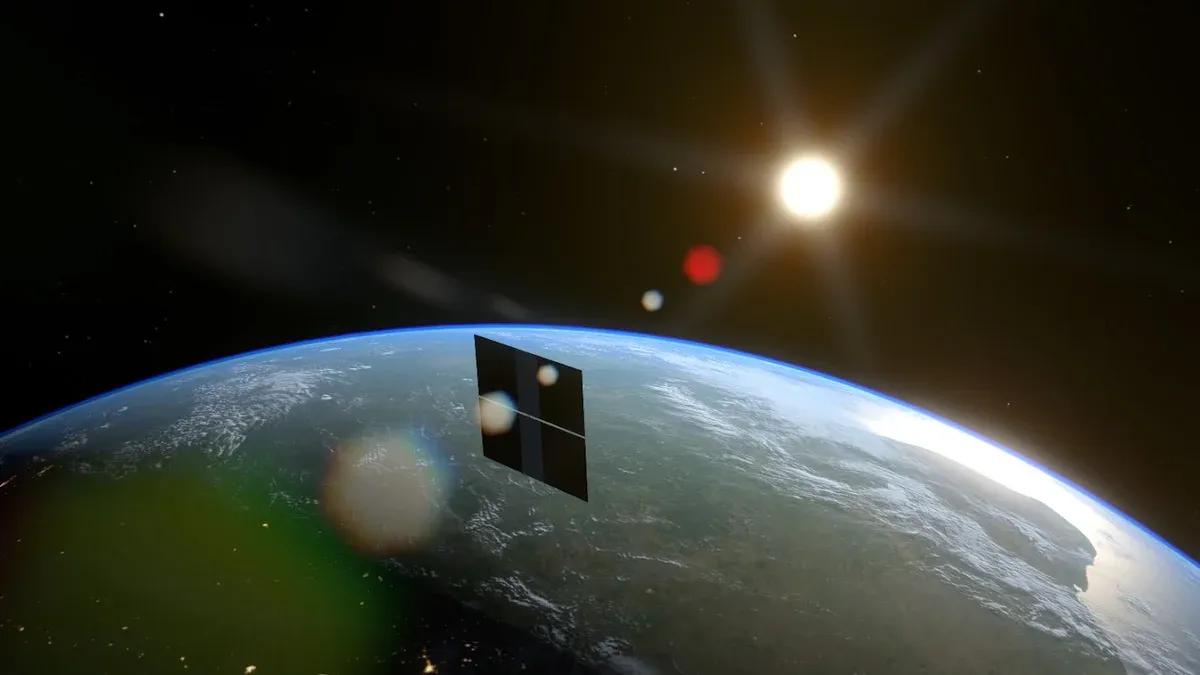
. A solar panel in orbit generates up to eight times as much power as it would on the ground, providing direct access to renewable energy3
. The satellite network will operate in sun-synchronous orbit where solar panels remain almost never in shade, eliminating the need for heavy batteries5
.
Source: Scientific American
Technical Hurdles and Radiation Testing Results
Google conducted extensive ground testing before launch, including bombarding chips with proton beams at a particle accelerator facility at University of California, Davis to simulate cosmic rays and solar radiation
2
. After reconfiguring tests to match actual space conditions more accurately, researchers found slightly higher error rates but remain confident the TPU can handle large inference workloads during a five-year satellite lifespan1
. Beals noted the error rate remains very low for typical inference operations—approximately one in a million—though problematic for mega-scale training runs requiring thousands of chips operating for months1
.Heat dissipation presents a crucial research challenge since there is no airflow in space
2
. Google developed specialized cooling systems using pipes and radiators to wick heat away from chips, though radiators currently represent one of the heaviest components5
. Brandon Lucia, professor of electrical and computer engineering at Carnegie Mellon University, explained that using more power for computations means dumping more heat into the confined satellite environment5
.Related Stories
Future Plans and Industry Competition
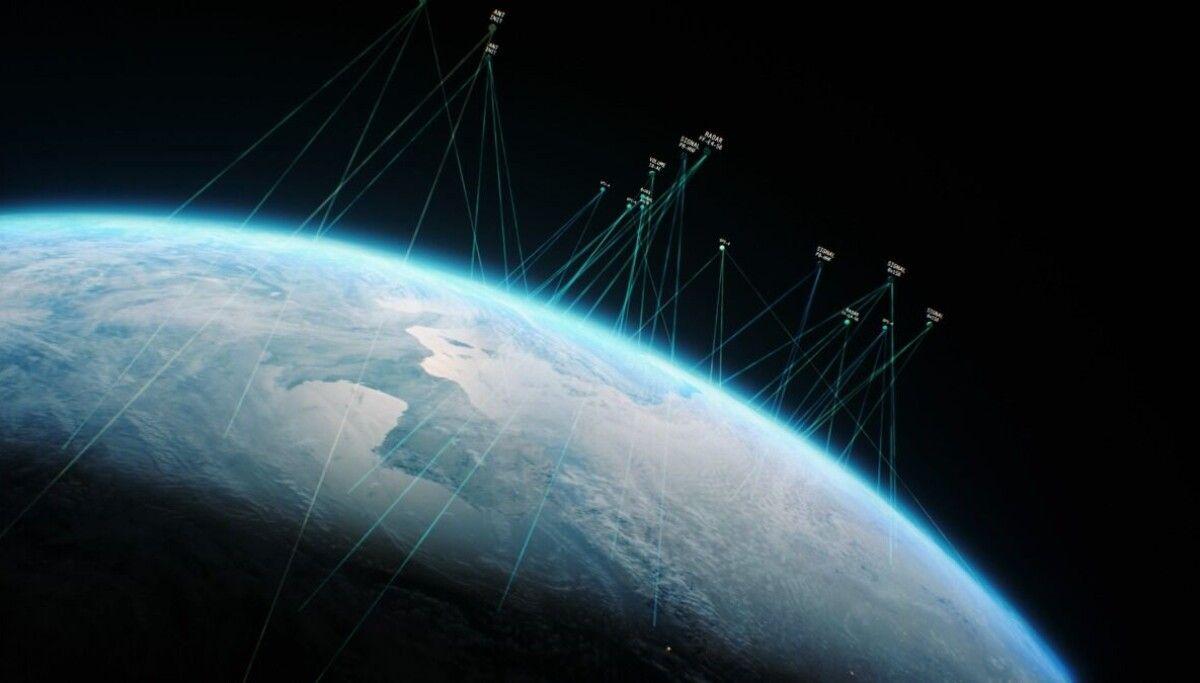
Google envisions a network of 81 satellites flying in close formation, processing in parallel through inter-satellite communication via laser links
1
. The company plans to launch two more purpose-built satellites in 2027 to test collaborative operations and laser communications1
2
. Beals emphasized the focus remains on building for space infrastructure and AI workloads that will exist five years from now, not just current requirements1
.Google isn't alone in pursuing orbital data centers. OpenAI and xAI are advancing similar plans, while Elon Musk has stated that space represents "the only way to scale" data centers to meet future AI demand
5
. A venture-backed startup called Starcloud launched a spacecraft carrying an Nvidia H100 chip last November, demonstrating a version of Gemini AI from space5
. SpaceX itself is working on space data centers and expects to deploy orbital AI compute satellites as early as 20285
.
Source: The Register
Remaining Challenges and Environmental Concerns
Google's research identifies several critical technological gaps requiring sustained research and iterative refinement
4
. Existing network technologies probably aren't suitable to link multiple satellites into functioning clusters, requiring designs significantly larger with much closer formation flight than any current satellite constellation4
. The company anticipates needing highly integrated designs based on next-generation architectures like computational substrates using neural cellular automata4
.Robust optical satellite-ground communications will prove critical for scaled operation but must overcome challenges including atmospheric turbulence, high-speed relative motion errors, and precision beam tracking
4
. Maintenance presents another major hurdle—when chips malfunction in terrestrial data centers, technicians can walk in and fix them, but repairs become exponentially more complex and costly when the data center circles hundreds of miles above Earth5
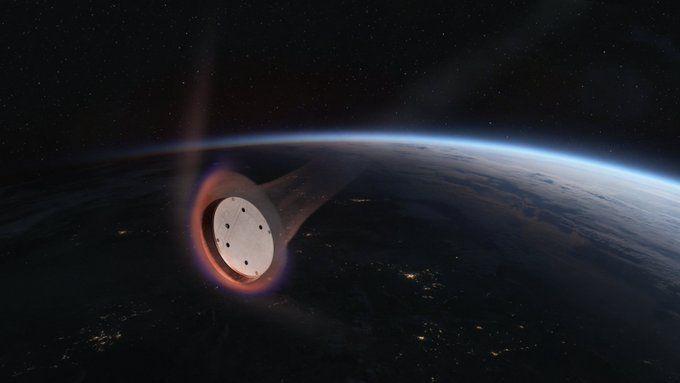
.
Source: CXOToday
Astronomers have criticized orbital data center plans, warning they could contribute to growing light pollution problems that make observing the night sky increasingly difficult
2
. Environmental questions persist about carbon-based rocket fuels used for launches and potential pollution as satellites eventually re-enter Earth's atmosphere and burn up5
.References
Summarized by

Navi
[1]
[2]
[3]
[4]
Related Stories
Google Announces Project Suncatcher: Ambitious Plan for AI Data Centers in Space
04 Nov 2025•Technology

Google Launches First AI Satellite Test for Project Suncatcher on October 1
24 Sept 2026•Technology

AI Trained in Space as Tech Giants Race to Build Orbiting Data Centers Powered by Solar Energy
11 Dec 2025•Technology
Recent Highlights



Recent Highlights
Today's Top Stories






Don’t drown in AI news. We cut through the noise - filtering, ranking and summarizing the most important AI news, breakthroughs and research daily. Follow topics that matter to you and stay ahead.


